
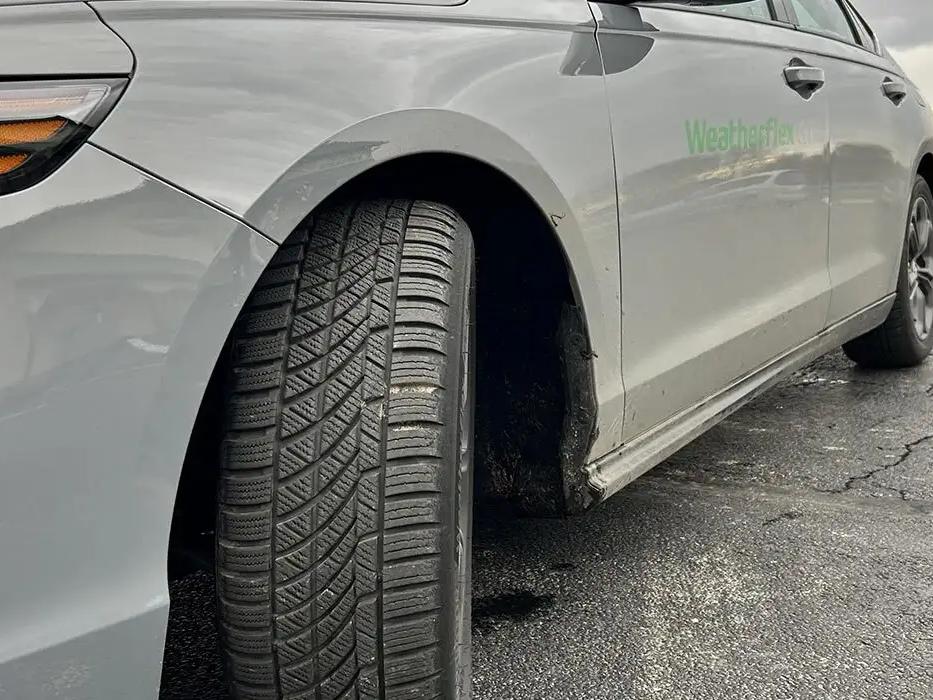
Early detection of tire wear ensures driving safety and saves money. Approximately 11,000 traffic accidents each year are caused by poor tire wear. Six of the most common types of tire wear include:
- Center wear
- Side wear
- Dip or fan-shaped wear
- Feather wear
- Sideway wear
- Edge wear
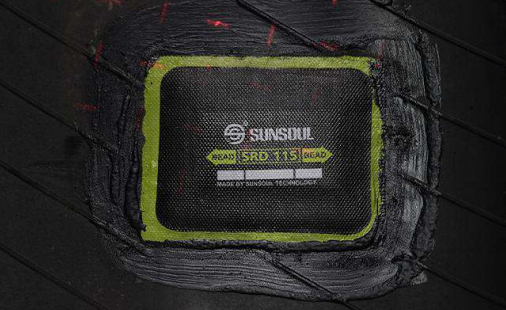
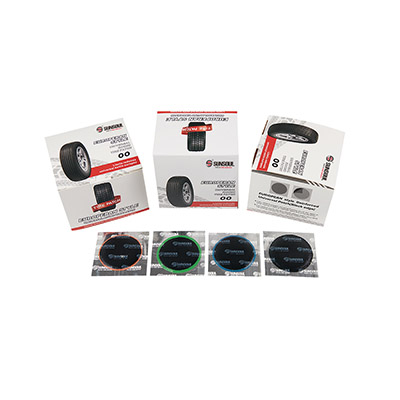
Each type of wear has its own causes and solutions. Reliable products like SUNSOUL tire patches, trusted by suppliers and manufacturers worldwide, effectively repair tire wear points and extend tire life.
Key Takeaways
- Check your tire pressure often to stop uneven wear. The right PSI makes tires last longer and keeps you safer.
- Rotate your tires every 5,000 to 8,000 miles. This helps tires wear evenly and last longer.
- Use trusted products like SUNSOUL Tire Patch for repairs. These patches fix flat spots and keep tires working well.
Center tire wear
Description
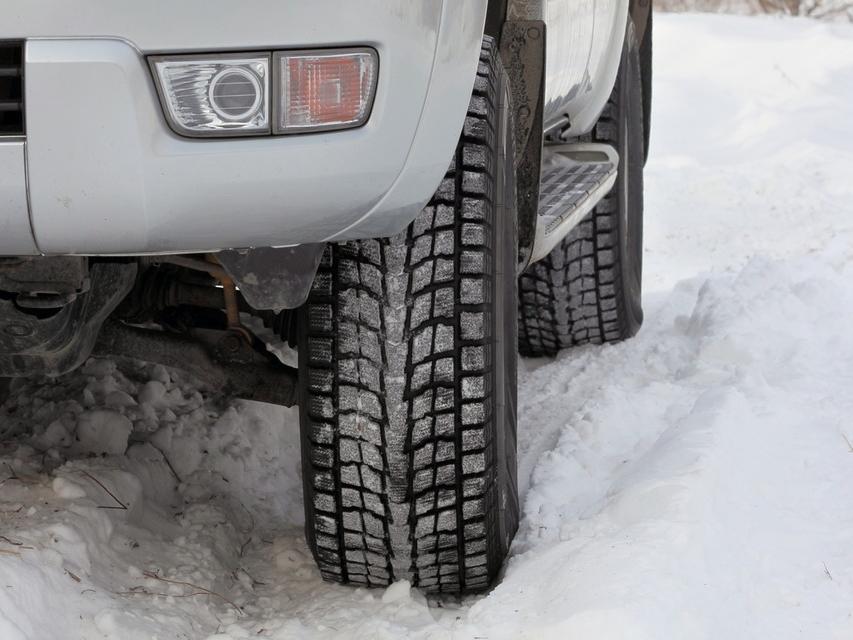
Center wear refers to the faster wear rate in the middle of a tire. You might see a smooth line running down the center of the tire, while the sides look almost brand new. This type of wear can cause the vehicle to feel wobbly while driving, and steering and braking become more difficult. Center wear is common in vehicles that travel long distances or carry heavy loads.
Causes
Center wear primarily occurs when tire pressure is too high. If the tire pressure is too high, the center of the tire will bulge out, resulting in a larger contact area with the road than the sides, while the edges have a smaller contact area with the ground. Sometimes, misalignment of the wheels can also cause center wear.
Tip: Check your tire pressure every month. Use the right PSI to stop center wear.
Solutions
| Recommended Solution | Description |
|---|---|
| Maintain Proper Tire Pressure | Check tire pressure every month. Change it for the weather to keep tires working well. |
| Check Wheel Alignment | Get your alignment checked once a year. This stops uneven wear and helps your car steer better. |
| Balance Tires | Balancing tires often stops uneven wear and makes rides smoother. |
| Rotate Tires | Rotate tires every 5,000 to 8,000 miles. This helps them wear evenly and last longer. |
If you do these things, your tires will last longer. Rotating and balancing tires also stop uneven wear.
Edge tire wear
Description
Edge wear refers to the accelerated wear rate on the sides of a tire, while the center remains in better condition. You may notice that the tread at the tire edges is thinner. Sometimes, only one side wears more, which is called unilateral wear or shoulder step wear. It may also appear as lateral wear or radial feathering.
Causes
Many factors can cause edge wear, the primary cause being insufficient tire pressure. If the tire pressure is insufficient, the edges experience greater pressure, thus accelerating wear. Aggressive driving, such as fast cornering or hard braking, can also lead to edge wear. The table below lists the main causes and their meanings:
| Cause | Explanation |
|---|---|
| Underinflation | Not enough air makes the edges carry more weight. |
| Aggressive driving | Fast turns and quick stops wear out the edges. |
Solutions
Drivers can stop edge tire wear by doing a few things:
- Check tire pressure often and keep it at the right PSI.
- Look for leaks so tires do not lose air all the time.
- Get wheel alignment checked, especially after hitting curbs or potholes.
- Rotate tires every 5,000 to 8,000 miles so they wear evenly.
Tip: Good tire repair products, help keep tires healthy and make them last longer.
Inside tire wear (steer tire wear patterns)
Description
Inside tire wear refers to the faster wear rate on the inner edge of the tire. This problem primarily occurs on the front wheels. Vehicles equipped with independent suspension are more prone to this. The inner tread appears thin, while other parts look fine. This wear can cause the vehicle to pull to one side and may also make the vehicle feel shaky or unsafe.
Causes
Many factors can cause inside tire wear on steering wheels. The most common cause is a four-wheel alignment problem. If the drive shaft is not properly aligned, the tires will not make even contact with the road, resulting in localized tread wear. Misaligned toe angles can also cause feathering wear on the tread. One side of the tread feels smooth, while the other side feels rough. You may notice the steering wheel is not aligned correctly.
- Four-wheel alignment problems, mainly related to the drive shaft
- Misaligned toe angles can cause feathering wear on the tread
- Misaligned camber angles can cause wear on the inner or outer tire shoulder
- Vehicle pulling to one side or misaligned steering wheel
Solutions
Tire experts have some tips to fix inside tire wear:
| Cause of Inside Tire Wear | Recommended Solution |
|---|---|
| Wheel Misalignment | Check alignment often and fix wheel angles. |
| Toe Misalignment | Adjust toe settings to stop feathered tread. |
| Camber Misalignment | Fix camber angles to stop uneven shoulder wear. |
- Check tires often for uneven tread wear.
- Change tires if the tread is too low.
- Balance wheels to keep the ride smooth and stop more wear.
Good wheel alignment helps tires grip the road better. It also keeps the car steady.
Toe wear and irregular tire wear
Description
Tire tip wear refers to uneven wear on the tire tread. The driver may feel one side is smooth while the other is sharp. This can also lead to unilateral wear or stepped wear on the tire shoulder. Sometimes, the edges of the tread blocks may appear sharp or curled. These wear patterns reduce tire performance and can alter the driving feel of the vehicle. Tire tip wear is common on the front tires, but it can occur on any tire.
Causes
The primary cause of tire tip wear is wheel misalignment. If the wheel is tilted inwards or outwards, the tire cannot roll in a straight line. This increases the difficulty of steering and braking. Rough roads, aggressive driving, or minor collisions can also cause tire tip wear. Excessive camber can cause sharp or curled tread edges. Worn ball joints or sagging springs exacerbate this condition. If wheel misalignment persists for a long time, diagonal wear or feathering wear may occur.
Solutions
Doing small checks on the axle and wheels can help tires last longer.
Experts say to do a few things to fix toe wear:
- Check tire pressure often to stop uneven tread.
- Make sure wheel alignment matches what the maker says.
- Fix worn ball joints, bent struts, or sagging springs.
- Look for old parts that could mess up alignment.
- Check and set tire pressure.
- Get a wheel alignment.
Good alignment helps tires last longer and keeps you safe.
Cupping and irregular tire wear
Description
Uneven tire wear and dents will appear as uneven or wavy patterns on the tire tread. Drivers may notice a rumbling sound or feel vibrations while driving. The tread may appear to have small dents or scalloped shapes. Sometimes, these patterns will appear as stepped wear on the tire shoulder, or even as intermediate stages of pitted wear. Uneven wear often occurs on tires that are prone to bouncing or jumping during driving. This type of tire wear reduces ride comfort and shortens tire life.
Causes
Many factors can lead to uneven tire wear and dents. Poor suspension is one of the main causes. When shock absorbers or struts wear, the tire’s contact with the road becomes unstable. Light loads can cause increased tire bouncing, resulting in uneven tread wear. Incorrect wheel alignment and lack of regular maintenance also contribute to wear. Certain types of tires, such as those with leaf spring suspension, are more prone to dents than those with air suspension. If drivers ignore these issues, diagonal wear and other abnormal patterns may appear.
- Suspension system malfunction or shock absorber wear
- Tire imbalance or mismatch
- Light load causing tire bounce
- Improper wheel alignment or failure to rotate tires
Note: Unloaded tires tend to skip on the road, making wear worse.
Solutions
Tire repair specialists suggest a few steps to fix and prevent cupping:
- Rotate tires every 5,000 miles.
- Check alignment at least once a year.
- Keep tires inflated to the right pressure.
- Inspect suspension parts often.
- Balance and match tires for even wear.
Buying the right tires for the vehicle and driving style helps too. Regular checks and maintenance keep tires rolling smoothly and safely.
Flat spots and tire patch solutions
Description
Flat spots happen when a tire gets a hard, smooth area. This spot feels different from the rest of the tread. Drivers may hear thumping or feel shaking. This is common after a car sits for a long time or stops fast. Flat spots can cause more flat spotting wear. This makes the tire unsafe and shortens its life. Flat spots are a usual kind of tire wear. They can happen to cars, trucks, and bikes.
Causes
Manufacturers say there are many reasons for flat spots.
- Tire gets a hole from things on the road.
- Tire is torn or very worn out.
- Tire comes off the rim after hitting a curb.
- Tire has too much or too little air.
- Someone damages the tire on purpose.
- Road dangers like potholes.
Flat spotting wear often happens if tires stay in one place too long or get hit hard.
Solutions with SUNSOUL Tire Patch
Experts suggest using vulcanizing tire patches for flat spots. These patches make a tight seal and keep air inside. This helps the tire work well every day. SUNSOUL Tire Patch is strong and easy to use. Many suppliers and makers trust SUNSOUL for big orders and special needs. The patch uses new material technology and sticks very well.
SUNSOUL Tire Patch has these features:
| Feature | Description |
|---|---|
| Advanced Material Technology | Good rubber stands up to heat and rubbing. |
| Leading Adhesion Properties | Strong glue keeps the patch from coming off under heavy weight. |
| Comprehensive Product Testing | Patch is tested for pressure, water, peeling, and how long it lasts. |
| Environmental Compliance | Patch is safe for the environment and has no bad chemicals. |
Tip: Tire patch repairs help fix flat spotting wear and keep cars safe.
SUNSOUL Tire Patch gives a strong fix for tire wear. This makes it a top pick for suppliers and makers all over the world.
Checking your tires often helps you find tire wear early. This can stop accidents before they happen. Experts say you should look at your tires every month. You should also get a professional to check them every 6,000 to 8,000 miles. SUNSOUL Tire Patch is easy to use and sticks very well. It is trusted by people all over the world. This makes it a good choice for drivers and businesses.
| SUNSOUL Tire Patch Benefits | Description |
|---|---|
| Strong adhesion | Leak-proof, durable repairs |
| Trusted worldwide | Available in over 60 countries |
FAQ
What makes tires wear unevenly?
Many things can make tires wear unevenly. These include not enough air, bad alignment, and worn suspension parts. Driving too hard can also cause uneven wear. Checking tires often helps find problems early.
How often should you check tire pressure?
Experts say you should check tire pressure every month. The right pressure helps tires last longer. It also keeps your car safe while driving.
Can tire patches fix every kind of tire damage?
Tire patches, like SUNSOUL, work well for punctures and flat spots. They cannot fix sidewall damage or big cuts.