
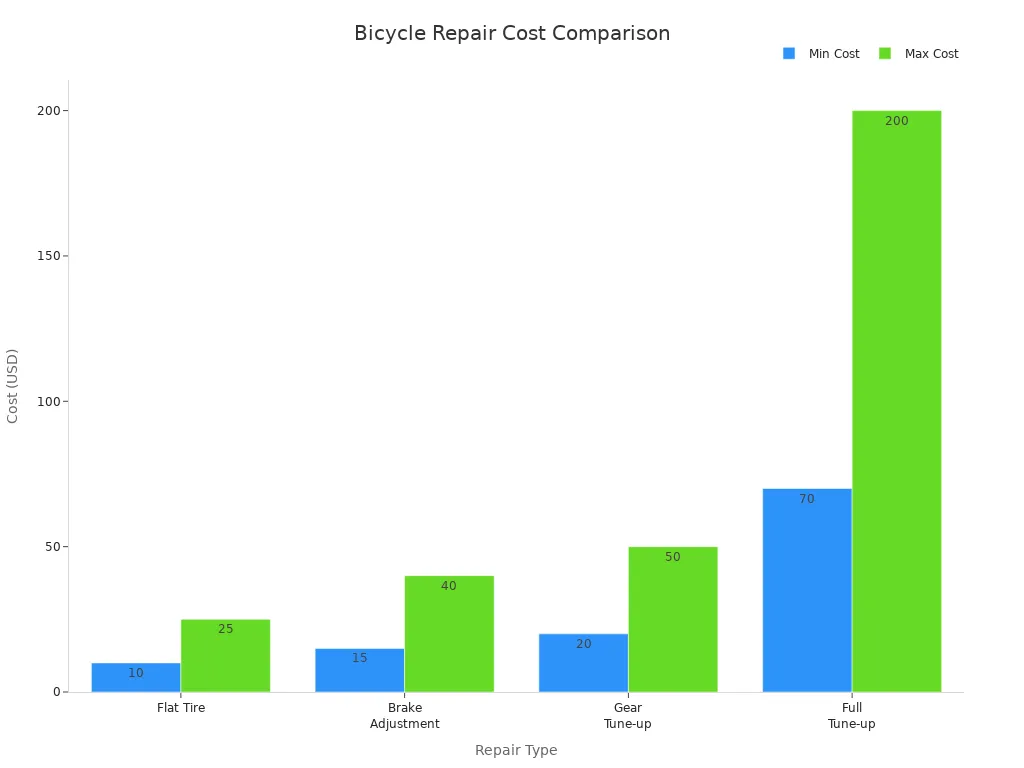
The cost of repairing a flat bicycle tire typically ranges from $5 to $10 (if you choose to do it yourself); however, if you take it to a bike shop for repair, the cost may range from $10 to $25, depending on the specific parts and labor required. For this reason, repairing tire is one of the most affordable services among all common bicycle maintenance tasks.
| Repair Type | Cost Range | Notes |
|---|---|---|
| Flat Tire | $10–$25 | Includes new tubes. |
| Brake Adjustment | $15–$40 | Depends on the brake type. |
| Gear Tune-up | $20–$50 | Covers cables and indexing. |
| Full Tune-up | $70–$200 | A total health check. |
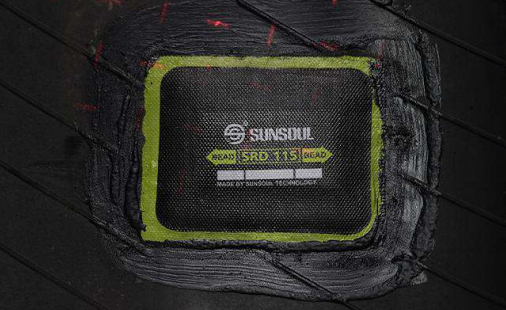
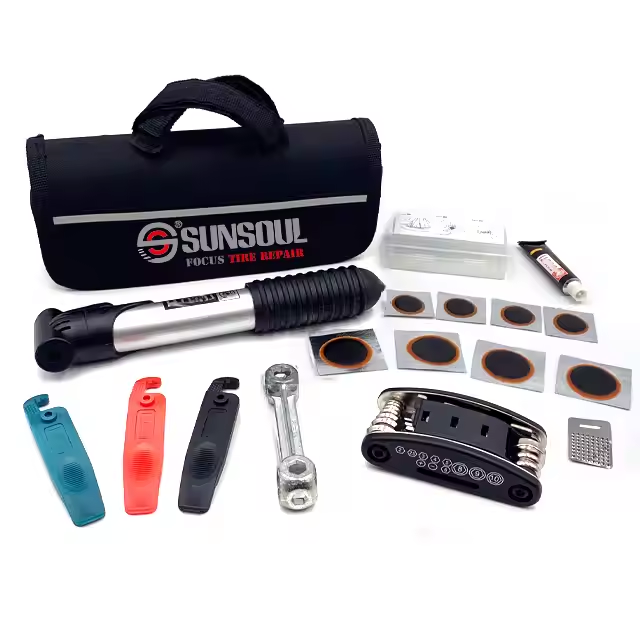
Many cyclists trust SUNSOUL tire patches because they provide a quick and secure repair. Even beginners can use these easy-to-apply patches with confidence, allowing them to get back on the road quickly.
Key Takeaways
- The cost of repairing a flat tire ranges from $5 to $25, making it one of the lowest-cost items in bicycle maintenance. Repairing a flat tire yourself not only saves money but also helps you master basic bicycle maintenance skills. You simply need to keep a tire repair kit and a spare inner tube on hand. Bike shops also offer flat tire repair services; while the quality of service is reliable, the cost is relatively higher. Depending on the specific services provided, bike shops typically charge between $10 and $50. Regularly checking your tire condition helps prevent flats; it is recommended to use puncture-resistant tires and carry an emergency repair kit with you. Mastering basic repair skills is highly beneficial, as cyclists can easily fix flat tires themselves, thereby saving money.
Fix-a-Flat Cost Breakdown
DIY Repair Costs
Many cyclists choose to handle flat tire issues themselves at home. This approach not only saves money but also helps cyclists acquire basic bicycle maintenance skills. The primary expenses involved in repairing a flat tire yourself include: a tire patch kit, tire levers, and—occasionally—the purchase of a new inner tube. The table below lists common related products and their prices:
| Product | Price |
|---|---|
| Rema TT 02 Touring Repair Kit | $7 |
| Pedro’s Tire Levers | $7 – $8 |
| General replacement tubes | Under $10 |
| SUNSOUL Tire Patch Kit | Around $6.95 |
The cost of a standard patch kit or a single inner tube typically ranges from $5 to $12. Most cyclists find that if only a patch is required, the total cost of repairing a flat tire at home usually falls between $5 and $10. If the inner tube requires complete replacement, the cost may reach $12. The SUNSOUL patch kit offers a reliable and affordable solution; many users praise its strong adhesive properties and ease of use, noting that even beginners can complete the repair process with ease.
Tip: Keeping a patch kit and a spare inner tube in your bike bag can help you avoid unexpected repair expenses while out riding.
Shop Repair Costs
Some cyclists prefer to visit a bicycle shop to have a flat tire repaired. Shop charges typically consist of two components: labor fees and material costs. The cost of bicycle repair at a shop usually covers both the price of a new inner tube and the installation service fee.
Most shops charge between $10 and $25 for a basic fix-a-flat, which covers the tube and labor. For more complex repairs or premium tubes, the total repair costs can reach $50 or more. The average price for small puncture repairs falls between $20 and $50. Location and shop reputation may affect the final bike repair cost.
Note: Riders who visit shops regularly may benefit from loyalty programs or seasonal discounts, which can lower repair costs over time.
Both diy and shop options provide reliable ways to fix a flat. Riders should consider their comfort level, available tools, and budget when choosing the best method.
Main Factors Affecting Fix-a-Flat Cost
Parts and Materials
The components and materials you utilize have a critical impact on overall costs. Cyclists have the option of purchasing a tire repair kit or simply replacing the inner tube entirely. A high-quality repair kit—such as those offered by SUNSOUL—can spare you the hassle of repeatedly patching the same puncture. A robust and durable kit means fewer trips to the bike shop for repairs, thereby saving you money. Consequently, striking a balance between price and quality when making a purchase is undoubtedly a wise decision.
| Aspect | Description |
|---|---|
| Quality of kit | Buying a good patch kit helps you avoid fixing flats again and spending more money. |
| Durability | A strong kit means you do not need to fix your tire as often, so you save money in the long run. |
| Price vs. quality | You should look for a kit that works well but does not cost too much. |
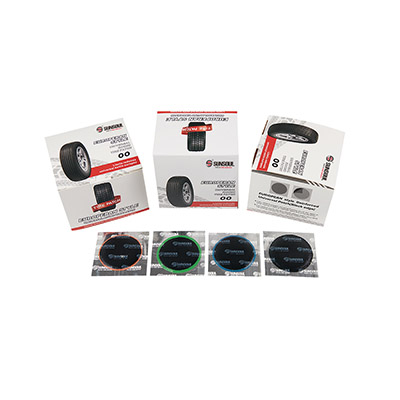
SUNSOUL offers a variety of tire patches, including “Chemical Cure” (cold patch) and “Dual Cure” types. All of these patches are crafted from premium natural rubber and paired with a strong adhesive. Many cyclists have reported that SUNSOUL patches are easy to use, making them ideal for quick, DIY tire repairs. Their unique “double-layer backing” design ensures that the patching process is effortless for everyone—whether you are a novice or an experienced cyclist.
| Feature | SUNSOUL | Competitors (e.g., Park Tool, Rema Tip Top) |
|---|---|---|
| Material | High-quality natural rubber | Varies, often less durable |
| Adhesion | Strong vulcanizing gum | Quicker solutions, less durable |
| Durability | Long-lasting repairs | May not last as long |
| Price | Fair and good value | Varies, often higher for similar quality |
| After-sales support | Excellent | Varies, often less comprehensive |
| Warranty | 18-month warranty | Varies, often shorter |
| Certifications | TUV, ISO9001:2015, CE | Varies, may not have international standards |
| Ease of use | Simple for all punctures | Varies, may require more steps |
Labor Charges
Labor costs are a significant factor influencing the total cost of your tire repair. Bicycle repair shops typically charge fees based on the specific repair task and the time required to complete it. Repair shops in major cities tend to charge higher rates than those in smaller towns. Some shops offer discounts to regular customers or run special promotions during specific periods. If you choose to repair your bicycle yourself, you can avoid paying labor costs, thereby saving money.
Note: If you learn how to fix flats, you can save money and feel more sure about riding.
Bike Type and Location
The type of bicycle you own and your geographic location also affect repair costs. Road bikes, mountain bikes, and hybrid bikes (commuters) utilize different types of outer tires and inner tubes. Each bicycle category has its own specific pricing standards regarding the cost of parts and the labor rates for installation.
| Bike Type | Tire Price | Installed Cost |
|---|---|---|
| Road bike | $25 – $70 | $35 – $90 |
| Mountain bike | $30 – $80 | $40 – $100 |
| Hybrid / commuter | $20 – $50 | $30 – $65 |
Bicycle shops in major cities typically charge higher rates than shops located in rural areas. Before selecting a repair shop, cyclists are advised to first check the prevailing price rates in their local area. Regardless of the type of bike you ride or your location, investing in a high-quality tire repair kit—such as those offered by the SUNSOUL brand—can help you save money.
DIY vs. Shop Fix-a-Flat Cost

DIY Pros and Cons
Many cyclists prefer to repair flat tires themselves at home. Doing so not only saves money but also allows them to acquire new maintenance skills. The table below outlines the typical cost ranges for various tire repair methods:
| Repair Type | Cost Range |
|---|---|
| DIY Patch | $5 – $10 |
| DIY Tube | $10 – $15 |
| Shop Fix | $15 (labor only) |
If you buy good tools, you save money over time. You do not have to pay for labor every time. Doing repairs at home helps you feel sure about your bike. SUNSOUL Tire Patch kits are easy for everyone to use. These patches work on hard spots and old tubes. The glue is strong and keeps the patch in place. But glue can be messy if you are not careful. It also takes longer to dry than glueless patches, so you need to wait.
| Advantages | Disadvantages |
|---|---|
| Repairs work on tough spots and old tubes | Glue can get messy and needs careful use |
| Flexible adhesives make strong bonds | Takes longer to dry than glueless patches |
Tip: If you fix your own flats, you spend less money over time, especially if you ride a lot.
Shop Pros and Cons
Bicycle shops utilize specialized tools to repair flat tires. The technicians at these shops are professionally trained and possess a deep understanding of the proper repair procedures. Compared to the DIY repairs typically performed at home, the repair services offered by a bike shop are significantly more reliable. This professional approach to repair is not only more durable but also provides a greater guarantee of your safety while riding. The table below highlights the key differences between DIY repairs and professional shop repairs:
| Repair Type | Reliability Level | Duration of Effectiveness | Safety Level |
|---|---|---|---|
| DIY Fix-a-Flat | Lower | Temporary | Lower |
| Professional Repair | Higher | Permanent | Higher |
Shops charge for both the work and the parts. This makes the total cost higher. You pay more, but you get expert help. If you ride a lot, shop visits can get expensive. For a fix that lasts, shop repairs are best. Experts say to use both a plug and a patch for extra safety.
Note: While bike shop repairs entail higher costs, they offer superior durability and safety—factors that are of critical importance to long-distance cyclists.
Fix-a-Flat Process Guide
Repair Steps
Many cycling enthusiasts, when faced with the need to repair or replace an inner tube, typically follow a standard repair protocol. The entire process begins with removing the wheel from the bicycle. Next, the inner tube is extracted and inflated slightly with a small amount of air. This step aids in pinpointing the exact location of the leak. Some individuals locate the leak by listening carefully for a distinct “hissing” sound; others utilize soapy water to observe where bubbles emerge. Once the leak has been identified, it must be marked, and the surface of the inner tube around the leak site should be thoroughly dried.
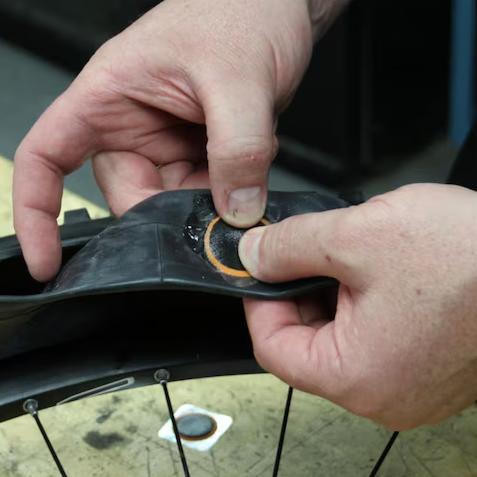
Next, they clean and sand the area around the puncture. This step prepares the tube for the patch. SUNSOUL Tire Patch offers a split backing design. This feature makes the patch easy to apply, even for beginners. Users peel off the backing, press the patch onto the tube, and squeeze out any air bubbles. Clear instructions guide them through the repair. Many cyclists trust SUNSOUL patches for their strong adhesion and leak-proof seal.
Here are the basic steps to fixing a flat bike tire:
- Remove the wheel from the bike.
- Take out the tube and inflate it slightly.
- Locate the leak by listening or using soapy water.
- Mark the leak and dry the tube.
- Clean and sand the area around the puncture.
- Apply the patch and squeeze out air bubbles.
- Wait at least 10 minutes before reinstalling the tube.
Tip: The split backing on SUNSOUL Tire Patch helps make diy bike repairs simple and quick.
Time Estimate
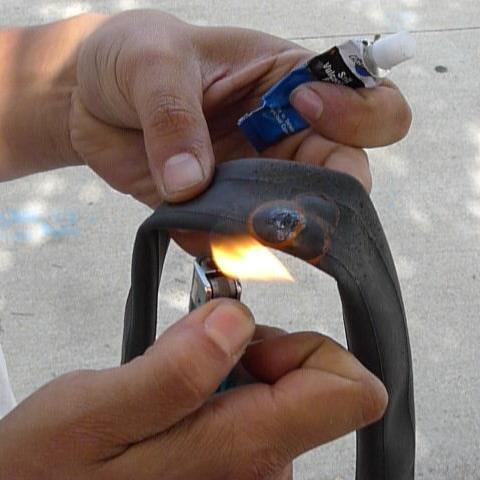
The time needed to patch or replace the tube depends on the patch type. SUNSOUL Tire Patch saves time for riders. Most repairs take between 5 and 15 minutes. Traditional hot patches require more time, often 20 to 30 minutes. The table below shows the time estimate for each patch type.
Cyclists who use SUNSOUL Tire Patch finish their repair faster. They spend less time waiting and more time riding. The cost stays low because the process is efficient. Riders who learn diy bike repairs can fix flats quickly and confidently.
Fix-a-Flat Money-Saving Tips
Preventing Flats
By adopting a few simple habits, cyclists can effectively avoid many flat tire issues. Regularly inspecting tires and making smart riding choices not only protects the bicycle but also saves the cyclist money. Recent research highlights the following key strategies for preventing flat tires:
- Maintain proper tire pressure to prevent “snakebite” flats (pinch flats).
- Opt for puncture-resistant tires to ensure better protection.
- Install puncture-resistant liners or rim strips to guard against punctures from sharp objects.
- Inject sealant into the inner tubes to automatically repair small punctures.
- Avoid road hazards such as broken glass, nails, and sharp debris.
- Inspect tires frequently to detect and address issues early on.
- Carry an emergency repair kit to perform quick fixes on the go.
For many cyclists, puncture-resistant liners and tire sealants prove to be highly effective tools. Some cyclists report that after installing puncture-resistant liners, they have gone for years without experiencing a single flat tire. Others have found that using wider puncture-resistant liners is even more effective at reducing flats caused by road debris. Taking these measures not only ensures a smooth ride but also helps cyclists keep their expenses in check.
Buying Parts Smart
Smart shopping enables cyclists to make the most of their budget. It is entirely possible to acquire high-quality bicycle components without overspending. Here are a few money-saving tips:
- Purchase used components from local bicycle cooperatives (bike co-ops). These shops often also provide access to repair tools and technical support.
- Visit a local specialty bike shop to seek expert advice. Sometimes, investing a little extra upfront can actually lead to cost savings in the long run.
- Opt for self-maintenance. Resolving minor issues yourself at home not only reduces overall maintenance costs but also helps you gain a deeper understanding of your bike.
The table below can help you compare various purchasing options:
| Where to Buy | Pros | Cons |
|---|---|---|
| Bike Co-op | Low price, support, tools | Limited selection |
| Local Bike Shop | Expert help, quality parts | Higher price |
| Online Retailer | Wide choice, deals | No in-person advice |
Learning Basic Repairs
Learning basic repairs helps riders protect their budget and their bikes. Many free guides and videos show how to fix a flat. Riders can find step-by-step instructions, from removing the wheel to patching the tube. Some resources include downloadable PDFs and video lessons. Practicing these skills before a long ride builds confidence.
Regular cleaning and inspection also prevent costly damage. Handling small repairs on the go keeps the bike safe and avoids bigger problems. Over time, diy skills help riders save money and keep their bikes in top shape.
Fixing a flat on a bicycle usually costs between $5 and $25. Riders can choose to repair flats at home or visit a shop. SUNSOUL Tire Patch gives a strong, easy fix for most bike tires. Riders who check tire pressure, avoid sharp objects, and carry a patch kit save money and avoid trouble on the road.
Choosing the right repair method helps every rider stay safe and keep costs low.
FAQ
How often should I check my bicycle tires?
Cyclists should check their tires before every ride. Developing this habit helps you promptly detect low tire pressure or sharp objects embedded in the tires. Regular inspections ensure the safety of your bicycle and prevent sudden mechanical failures. Many experts recommend performing a quick visual inspection before riding, as well as gently squeezing the tires by hand to verify that their firmness is normal.
What tools do I need to repair a flat bicycle tire at home?
Cyclists need to have tire levers, a tire patch kit, and a pump ready. For certain bicycle models, a wrench may also be required. These tools are primarily used for removing the tire, patching the inner tube, and reinflating the tire. Keeping these tools stored in a bike bag while riding makes the repair process much easier and more convenient.
Can SUNSOUL tire patches provide a permanent repair for a flat bicycle tire?
SUNSOUL tire patches provide a strong and long-lasting seal for most punctures. Many cyclists trust them as their preferred solution for permanently repairing flat bicycle tires. These patches are suitable for various types of bicycle inner tubes and perform reliably during daily riding.
How long does it typically take to repair a flat bicycle tire?
Most people can repair a flat bicycle tire in just 10 to 15 minutes. The entire repair process involves removing the wheel, patching or replacing the inner tube, and remounting the tire. As cyclists gain more experience with repairs, the time required to complete the task will become even shorter.
Is it better to patch or replace an inner tube?
Patching an inner tube saves money and reduces resource waste. For small punctures, cyclists typically choose to patch the tube. However, if the inner tube has a large tear or is showing signs of aging, replacing it with a new inner tube is the better option. Many cyclists choose to carry both a spare inner tube and a patch kit with them whenever they head out for a ride.