
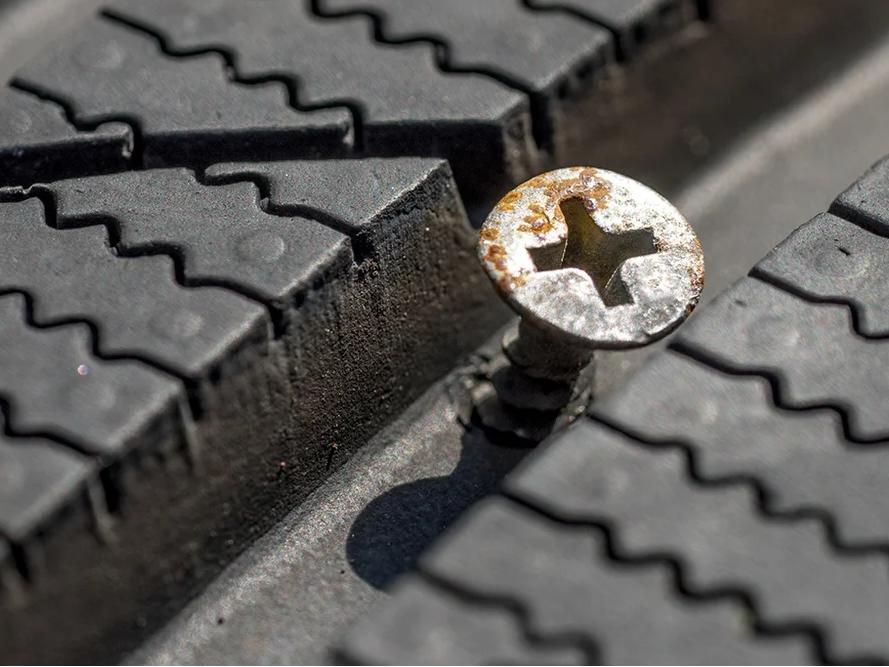
In the United States, the cost of repairing a car tire typically ranges from $10 to $50. The specific fee depends on the service location you choose and the type of repair required. For example:
- A basic plug repair costs between $10 and $20.
- An internal patch repair combined with wheel balancing costs between $15 and $30.
- Some repair shops may offer free tire repair services.
| Service Type | Estimated Cost | Notes |
|---|---|---|
| DIY Tire Repair Kit | $5 – $20 | Good for emergencies |
| Internal Patch + Balance | $15 – $30 | Best long-term solution |
A normal service to patch a car tire checks the tire, puts on the tire patch, and sometimes balances it. Knowing this helps people pay the right amount and get a good patch.
Key Takeaways
- The cost of repairing a car tire typically falls between $10 and $50. The exact price depends on the type of repair and your geographic location. For a more durable repair, it is recommended to choose a “patch-and-plug” combination; this method combines both techniques to achieve a superior seal. Before authorizing any repairs, be sure to request a complete price list to avoid unexpected additional charges.
Cost to Patch a Car Tire

Average Price Range
The cost of repairing a car tire typically ranges from $10 to $50. Most consumers pay approximately $15 to $30 for a standard “patch repair plus balancing” service. The specific price is influenced by the service location and the repair method used. Many repair shops offer only “plug repair” services, charging between $10 and $20. Conversely, the “internal patch-and-plug” method tends to be more expensive due to the additional labor and materials involved. Large retailers and chain repair shops often offer tire repair services at lower prices. Additionally, retailers such as Discount Tire and Costco may provide free tire repair services if you originally purchased your tires from their stores.
| Provider | Typical Cost | Notes |
|---|---|---|
| Discount Tire | Free or $20-$30 | Free patching with tire purchase; varies by location |
| Walmart | $15-$25 | Affordable; price changes by store |
| Costco | Free to low-cost | Often includes free balancing |
| Jiffy Lube | $20-$50 | Some locations offer patching |
| AutoZone | Kit sales | Sells DIY plug kits; some stores patch tires |
Tire repair fees typically cover both labor and material costs. If the shop utilizes specialized patches or advanced repair techniques, the price may be higher.
Low-End and High-End Estimates
Plug-only repairs are cheaper and work for small holes. These repairs do not last as long as tire patch and tire plug repairs. High-end repairs use better patches and more steps. Shops may charge $40 to $50 for top materials or emergency help. The price goes up for big tires, special cars, or late-night service.
- Things that make the price higher:
- Type of Service
- Tire Size and Type
- Geographic Location
- Time of Service
- Service Call Fee
- Labor Costs
Good quality control is very important for premium tires. Each tire gets checked and tested to meet strict rules. This careful checking makes the tires cost more to make. It also means each premium tire is safe and works well.
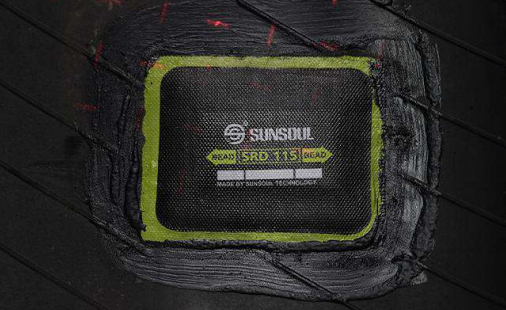
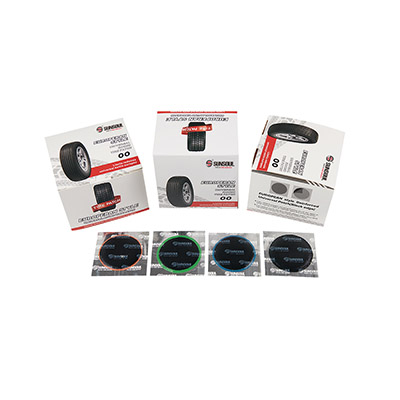
High-quality tire repair patches (such as SUNSOUL patches) boast exceptional adhesion and strength. These patches offer a longer service life and play a crucial role in ensuring tire safety during operation. To achieve optimal repair results, many vehicle owners opt for a combined repair solution utilizing both a “patch and plug” system. In this method, the patch is applied to the interior of the tire to seal the puncture, while a rubber plug is inserted from the exterior to fill the hole. This dual-mechanism repair effectively prevents air leaks and helps maintain the structural integrity and durability of the tire.
What’s Included in the Price
Most repair shops follow a standard procedure when performing tire repairs. First, technicians dismount the tire from the wheel rim and conduct a thorough internal inspection to assess the extent of the damage. Next, they use specialized tools to prepare the damaged area for repair. Subsequently, the technicians apply the repair patch and insert the plug in accordance with industry standards; once the repair is complete, the entire wheel assembly is re-balanced. Finally, they use professional tools to tighten the wheel lug nuts to the manufacturer’s specified torque specifications.
| Service Included | Description |
|---|---|
| Dismounting the tire | The tire is removed from the wheel for inspection. |
| Internal inspection | The technician checks the internal condition of the tire. |
| Use of specialized equipment | Equipment like tire mounting machines and low-speed buffers are used. |
| Surface preparation | The surface is prepared for a combination patch-plug repair. |
| Re-balancing the wheel assembly | After repair, the wheel is re-balanced to prevent vibrations. |
| Tightening lug nuts | Lug nuts are tightened to precise specifications with a torque wrench. |
A good patch, like the SUNSOUL Tire Patch, is easy to use and sticks well. Many shops use patches with split backing to make the job faster. The patch helps keep the tire safe and stops more flats. Drivers should make sure the price covers all steps and materials. The average cost covers checking, patching, and balancing. Some shops charge more for special patches or emergency help.
Drivers who want to patch a tire should ask about the repair method. Plug-only repairs cost less but do not last as long. Patch and plug repairs use better materials and keep the tire safe for longer. The price shows the quality of the patch and the work done.
Factors Affecting Tire Repair Cost
Location and Shop Type
Where you live changes how much you pay for tire repair. Cities with higher pay and strict rules cost more. Shops in these places must pay workers more money. This makes repairs more expensive for customers. For example, a shop in New York can charge more than one in rural Texas. Dealerships often have higher prices. They use special parts and give extra services. Chain stores keep prices lower by using the same materials. Small shops may change their prices based on what people need.
Tire Type and Size
The type and size of the tire also influence repair costs. Repairs for standard tires are relatively straightforward and inexpensive. However, specialized tires—such as run-flats or high-performance tires—require specialized tools and techniques for repair, resulting in higher service costs. Below is a brief reference guide for repair costs:
- The repair cost for standard tires is approximately $20 to $40.
- The repair cost for specialized tires (such as run-flat or high-performance tires) is approximately $40 to $60.
For large-sized tires—such as those used on trucks or SUVs—repair costs will be higher due to the increased labor involved and the greater quantity of materials required.
Severity of Damage
The severity of the damage directly influences the repair strategy and the final cost. Small punctures in the tread are typically easy to patch, whereas larger punctures or damage located near the sidewall require more complex procedures. In some instances, a tire may be damaged beyond safe repair. Consequently, repair shops must conduct a thorough inspection of the tire before commencing any work. The table below outlines the various factors that affect tire repair costs:
| Factor | Description |
|---|---|
| Location | Tire repair costs can vary by location, affecting overall pricing. |
| Tire Type | Standard tires are generally cheaper to repair than high-performance tires. |
| Complexity of Repair | More complex repairs, especially in difficult locations, can increase costs. |
Tip: People should ask the shop about their tire, the damage, and how it will be fixed. This helps them know the final price and not get surprised.
What’s Included in Tire Patch Service
Inspection and Repair Steps
A professional tire patching service uses a step-by-step process. This keeps the tire safe and makes sure the job is done well. First, the technician takes the tire off the rim. Then, they look for holes, leaks, or other damage. If the tire can be fixed, the technician smooths the area with a die grinder. Vulcanizing cement goes on next and must get sticky. The patch is pushed down with a roller so it sticks tight. After that, the tire goes back on the rim. The technician fills it with air and checks for leaks. Shops like to use patches such as the SUNSOUL Tire Patch. These patches are simple to use and last a long time.
Standard Tire Repair Procedure:
- Remove the tire from the wheel rim
- Inspect for any damage
- Clean and prepare the puncture site
- Apply adhesive and affix the tire patch
- Apply firm pressure to ensure a tight bond
- Remount the tire onto the wheel rim and inflate it
- Check for any air leaks
Careful checking helps the technician know if a patch will work or if a new tire is needed.
Balancing and Additional Services
Once the patch is on, the technician balances the wheel. This stops shaking and helps the tire wear evenly. Some shops give extra help when fixing tires. They might change the valve stem, check the car’s alignment, or look at Advanced Driver Assistance Systems (ADAS). These extra steps help the car drive better and stay safe.
Hidden Fees and Add-Ons
Vehicle owners should pay close attention to potential extra costs when having tires repaired. Some shops may levy additional fees for items such as the disposal of old tires, the use of premium repair materials, or the provision of emergency roadside assistance. The table below outlines various factors that may result in higher costs:
| Factor | Explanation |
|---|---|
| Type of tire | Bigger or special tires can cost more to fix. |
| Location | City shops often have higher labor costs. |
| Size and location of puncture | Holes in the side or edge may mean the tire cannot be patched safely. |
Tip: Always ask for a full list of costs before you agree to fix your tire.
Avoid Overpaying for Tire Repair
Compare Prices and Ask Questions
Smart drivers check prices at different shops before picking one. They do not just choose the cheapest place without checking the patch quality. Many shops tell you the price before they start and might match a lower price. People look for flat tire repair early to save money. They ask if free services like balancing or rotation are included. This can help them spend less. Drivers want clear prices and ask for a list of what they pay for. They ask what comes with the price, like inspection, labor, and patch. They also check if the shop will refill tire pressure or reset TPMS. Asking for the total price helps stop surprise charges.
Warranties and Guarantees
Many shops give warranties or guarantees for tire patch work. Firestone has road hazard protection that covers patch repairs. Tire warranties help people feel safe and protect against sudden problems. Drivers feel better knowing their tire repair cost is covered. Road hazard warranties make new tires a better deal and help save money. These guarantees help drivers trust the patch and repair job.
Spotting Extra Charges
Drivers often see extra fees on their tire repair bills. Common extra costs are installation fees, tax, disposal fees, and road hazard warranty. Emergency repairs and mobile services cost more money. The table below shows normal extra costs:
| Repair Type | Cost Range |
|---|---|
| In-Shop Repairs | $20–$50 |
| Mobile Repair Services | $40–$80 |
| Emergency Repairs | $100–$150 |
Drivers get a price estimate before any work is done. They ask for a clear list of parts, labor, and services. If something is not clear, they ask for more details. This helps them pick a good repair and not pay too much for a patch.
When Not to Patch a Car Tire

Unsafe or Irreparable Damage
Not all tires can be salvaged through repair. Certain types of damage render repairs unsafe. For instance, large punctures or sidewall cuts indicate that the tire is beyond repair. According to industry standards, only small punctures located within the central tread area are suitable for safe repair. If a puncture exceeds 1/4 inch in diameter, a repair patch cannot adhere securely. Furthermore, damage to the sidewall or bead area necessitates immediate tire replacement; failure to do so carries a high risk of a sudden blowout.
Here is a table showing damage that cannot be repaired:
| Type of Damage | Description |
|---|---|
| Large Punctures | Holes bigger than 1/4 inch are not safe for patching. |
| Sidewall Damage | Any cut, bubble, or puncture in the sidewall is not repairable. |
| Bead Damage | Damage near the rim edge means the tire needs replacement. |
| Run-flat Tire Damage | Driving on a flat can ruin the tire beyond repair. |
| Dry Rot | Cracks from age make the tire unsafe for any patch. |
Note: Major tire makers do not allow sidewall repairs. Even a small cut in this area can cause sudden failure.
Alternative Solutions and Costs
When a repair is not possible, drivers must consider other options. The best solution is to replace the tire. Replacement is mandatory if the tire has multiple punctures clustered together, is excessively old, or if the damage is located in an unrepairable area. While patching is an effective repair method for small punctures in the tread, it is not applicable to large-scale damage or sidewall damage.
The cost of replacing a tire depends on the tire type. Standard passenger car tires typically cost less than specialty or large-format tires. Most drivers can expect to pay between $100 and $250 to replace a single tire. The cost of repairing a small puncture is significantly lower, typically ranging from just $15 to $30. Before deciding to proceed with a repair, drivers should always consult with a repair shop to confirm that the proposed solution is safe. When weighing the options between repairing and replacing a tire, safety must always be the primary consideration.
The price to patch a car tire is not always the same. It can change because of where you live, what kind of tire you have, and how the shop fixes it. Drivers should look at prices at different shops. They also need to ask what comes with the service. Staying safe is the most important thing. More people are using tubeless tire patches now. Fixing a puncture is a cheap way to repair a tire. Taking care of tires helps cars stay safe.
- By 2025, many people will have begun utilizing tubeless tire repair patches.
- Repairing tire punctures remains a widespread practice and offers drivers significant cost savings.
- The increasing volume of vehicles on the road signifies that more people are in need of affordable tire maintenance services.
FAQ
How long does a tire repair typically last?
If installed correctly, a high-quality tire patch can last for the entire remaining lifespan of the tire. Regular inspections help ensure continued driving safety.
Can I drive immediately after a tire repair?
Yes. You can drive immediately once the repair is complete. The patch seals the puncture and restores tire pressure. Technicians perform a leak test before finishing the repair to ensure it is airtight.
Does repairing a tire affect its dynamic balance?
A proper repair does not affect the tire’s dynamic balance. Technicians will re-balance the wheel after the repair is finished to ensure a smooth and safe ride.