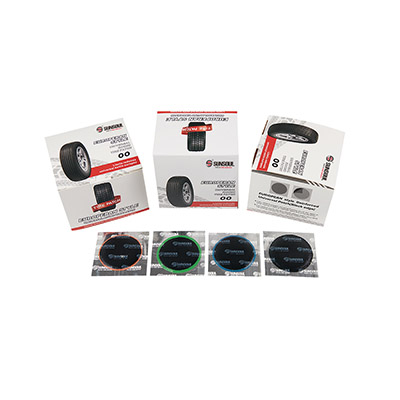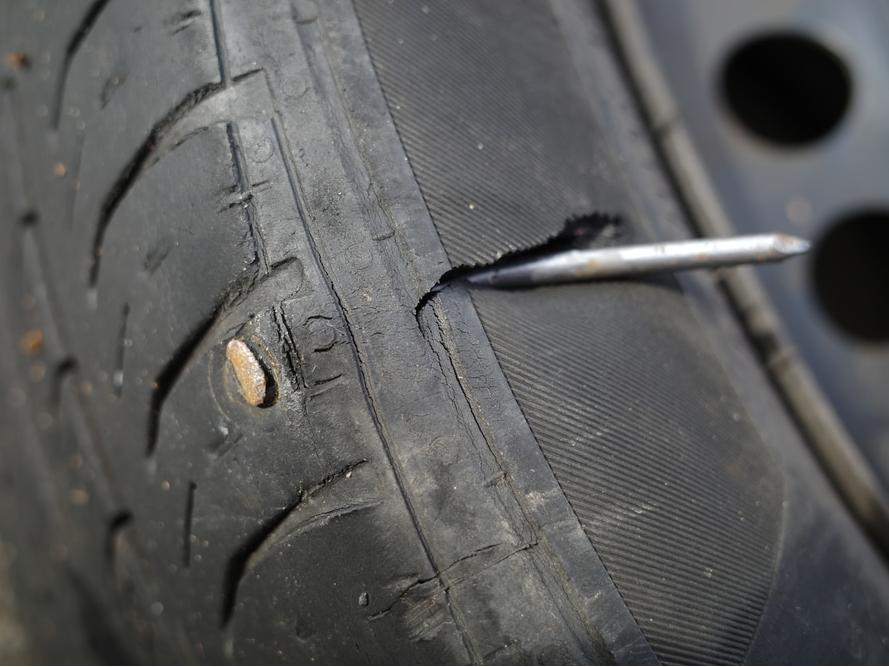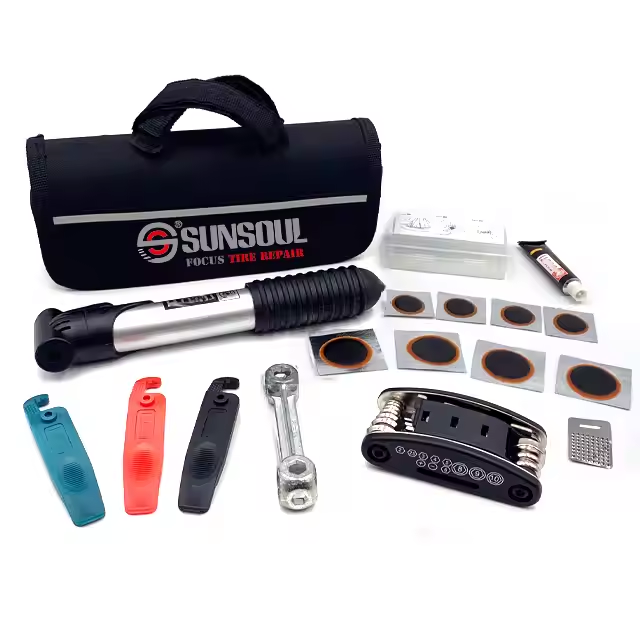

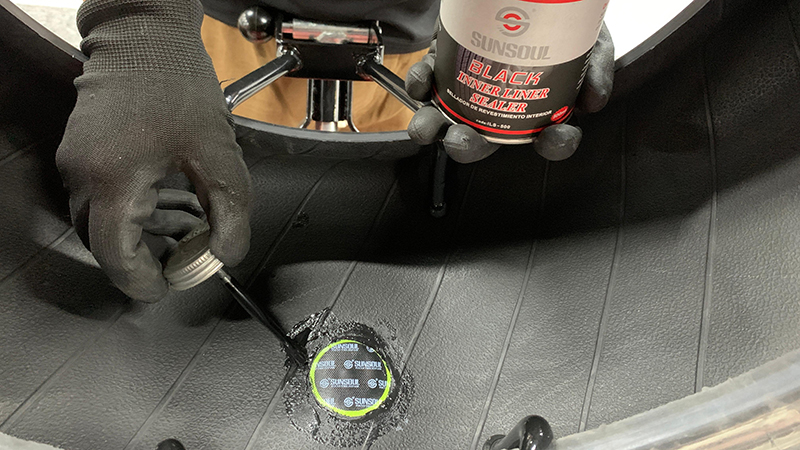
Run-flat tire repair is crucial for safe driving. In the tire repair field, new products like Sunsoul tire repair compound consistently deliver outstanding results. The table below illustrates the differences between Sunsoul tire repair compound and traditional methods:
| Feature | Sunsoul Tire Patch | Traditional Solutions |
|---|---|---|
| Material Technology | Advanced rubber with polymers | Standard rubber |
| Temperature Resistance | -40°F to 250°F | Limited range |
| Adhesion Properties | Exceeds industry standards | Often lower |
| Product Testing | 300 PSI, water immersion | Minimal testing |
| Environmental Compliance | RoHS, REACH certified | Often lacks compliance |
You should always choose quality and safety when fixing tires.
Key Takeaways
- Choose high-quality tire patches like Sunsoul for safe repairs. They help extend tire life and ensure your safety.
- When repairing a tire, always use both the rubber tire patch and the rubber tire plug at the same time. This enhances the seal and prevents a blowout.
- Regularly check tire pressure and for any damage. This helps detect problems early and ensures tire safety.
- When repairing tires, use approved tools and follow safety regulations. This reduces risks for both workers and drivers.
- Keep a record of all tire repairs and inspections. This helps you understand your tire condition and prepare for future maintenance.
Explosion-proof tire repair basics
What are explosion-proof tires
Run-flat tires are made from high-strength materials and designed to ensure safety and durability. Manufacturers use special processes to manufacture these tires, enabling them to prevent blowouts and maintain good performance under harsh road conditions. These tires use synthetic rubber and high-strength composite materials, and also feature internal steel belt layers. All these components work together to keep the tire in shape and maintain consistent performance even under heavy loads or on rough roads.
The table below lists the differences between four run-flat tire models, including their materials, load capacity, tread depth, and high-temperature resistance:
| Tire Model | Key Material | Load Capacity (lbs) | Tread Depth (in) | Temperature Resistance (°F) |
|---|---|---|---|---|
| Model A | Rubber Composite | 3500 | 0.8 | 120 |
| Model B | Polyurethane | 4000 | 1.0 | 140 |
| Model C | High-Density Foam | 3000 | 0.9 | 100 |
| Model D | Buna-N Rubber | 4500 | 1.2 | 150 |
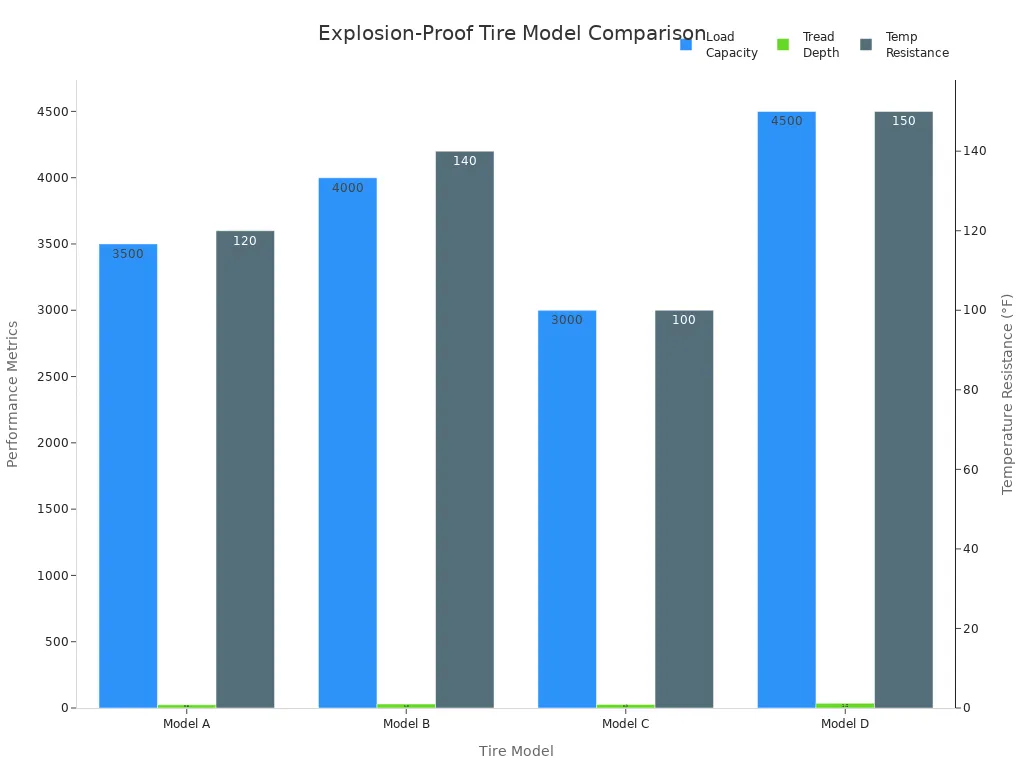
Note: Synthetic rubbers and steel belts make explosion-proof tires last longer. They also help tires work better in hard places.
Why proper repair matters
Properly repairing run-flat tires is crucial. It not only ensures personal safety but also guarantees optimal tire performance. Improper tire repair can lead to sudden blowouts. For example, a child in Florida was injured in a car accident caused by a tire blowout. The tire was only patched with a plug, not properly repaired. This left the tire’s internal structure vulnerable and highly susceptible to bursting.
Experts point out that incorrect repair methods, such as using only a plug, can damage the tire’s internal structure. This damage may not be immediately apparent but can lead to a future blowout. Many people trust repair shops to safely repair tires. However, not all employees possess the correct repair techniques. These cases demonstrate the need for strict regulations and adequate training for all personnel repairing run-flat tires.
Tip: Always let a trained worker fix your tires. Make sure they use safe ways to repair tires so your car stays safe.
Essential tools and materials for explosion-proof tire repair

Essential repair tools
Technicians must use the right tools for explosion-proof tire repair. These tools help keep workers safe. They also make repairs last longer. Many companies sell special equipment for this job. The table below shows two important tools and how they keep people safe:
| Tool | Contribution to Safety |
|---|---|
| Tire Cage | Protects the operator from rapidly deflating (exploding) tires, containing the blast and absorbing energy. |
| Remote Inflation System | Keeps technicians at a safe distance from inflating tires, reducing the risk of injury from potential explosions. |
Repair shops need tools that meet strict safety rules. The most common certifications are ATEX, UL Solutions, and IECEx. These rules show the equipment is safe in explosive places. Suppliers with certified tools help lower risks for workers and customers.
| Certification/Standard | Description |
|---|---|
| ATEX | Addresses safety in workplaces with explosive atmospheres in the EU, requiring certification for equipment sold in these markets. |
| UL Solutions | Defines standards for explosion-proof equipment in the US, Canada, and Brazil, ensuring compliance with electrical codes. |
| IECEx | An international framework for standards and certification of equipment used in explosive atmospheres. |
Choosing quality tire patches
High-quality tire patches are crucial for repairing run-flat tires. Sunsoul is a leading company and supplier offering a range of tire patches. These patches are made with advanced rubber and special polymers, allowing for use in extremely high and low temperatures. Each patch undergoes high-pressure and waterproof testing. Sunsoul tire patch products comply with RoHS and REACH standards and are environmentally safe.
When choosing a patch, users should check its adhesion, temperature resistance, and environmental safety. The best repair solution is to use both the patch and a plug simultaneously, which both stops the leak and seals the puncture. The repair steps include: removing the tire, inspecting the puncture, sanding the puncture area, applying adhesive, pressing the patch, and testing the tire. Wholesalers and aftermarket shops trust Sunsoul, choosing its safe and reliable certified tire repair materials.
Tip: Always pick certified, high-quality patches for explosion-proof tire repair. This keeps you safe and makes repairs last longer.
Explosion-proof tire repair process
Preparation steps
Technicians look at the tire to find any damage. They search for holes, cuts, or bulges. Workers take the tire off the rim to check inside. They use a bright light to see cracks or weak spots. Safety gear like gloves and goggles keeps them safe. Shops keep the area clean so nothing gets in the tire. Technicians use a gauge to measure the hole size. They write down the tire’s air pressure and any air loss. These steps help them start with the right facts.
Tip: Always write down the tire’s condition before fixing it. This helps you watch how it does later and stops problems.
Repair techniques
Technicians fix explosion-proof tires in different ways. They pick the best way based on the tire and damage. The table below lists some repair methods and what they do:
| Technique | Description |
|---|---|
| Self-Healing Tires | A special mix seals holes and keeps air in. This makes the tire stronger and last longer. |
| Shape Memory Nano Rubber Coating | A coating fills holes and stops air leaks. It helps the tire last longer. |
| Disc-Covered Self-Repairing Sealant | A special sealant stops air from leaking and helps the tire last. |
| Inflatable Rubber Balls | Rubber balls inside stop holes and make the tire easy to care for. |
| Multi-Chamber Airtight Structure | Inside chambers close up holes and stop blowouts. |
| Multi-Layer Tire | Many layers close holes and stop air leaks without repairs. |
Most of the time, workers use both a patch and a plug. They smooth the damaged spot first. Then they put on a special glue to help the patch stick. They press the patch down hard so it stays. Some tires have self-healing stuff that closes holes by itself. Electric car tires may use disc-covered sealants for more safety. Technicians always follow the maker’s rules to pick the best way.
Note: Repair steps change with each tire. Always use safe materials and follow the rules.
Final checks
After the repair is complete, the technicians will perform several checks. They will inflate the tires with the correct amount of air. The staff will check for leaks using soapy water. They will rotate the tires to check their balance. The repair shop will also test the tires with heavy objects to ensure their strength. The technicians will record the inspection results and update the records. Before reinstalling the tires on the vehicle, they will ensure that the tires are in good working order.
- Checklist for final inspection:
- Make sure the patch sticks.
- Look for air leaks.
- Check the air pressure.
- Look at the tread and sides.
- Test the tire with weight.
Safety Alert: Never skip these checks. Good checks stop accidents and keep the tire working well.
Explosion-proof tire repair needs careful steps, smart fixes, and good checks. Technicians who do all these things help cars stay safe and make tires last longer.
Key Mistakes and Safety Tips for Explosion-Proof Tire Repair
Common repair errors
Many workers make mistakes when patching tires, mistakes that can lead to serious accidents. A common mistake is simply patching with a plug or patch, which doesn’t fully repair a punctured tire. For example, in 1996, a college student was seriously injured in a car accident; the tire he was using had been patched with a plug just five months earlier. Another accident occurred in March 2011, where a truck overturned, killing two people.
Some workers only look at the outside of the tire and not the inside, thus overlooking hidden damage. Using uncertified materials is also a mistake. Skipping cleaning and polishing steps also reduces the strength of the repair. These mistakes increase the risk of a tire blowout, especially at high speeds or when carrying heavy loads.
Tip: Always use both a patch and a plug to fix holes. Check the tire inside and outside before you start any repair.
Post-repair safety checks
After tire repair, workers must conduct a safety inspection. They should inflate the tire to the correct pressure and check for leaks with soapy water. Tire balancing prevents uneven wear. Workers should also check the tread and sidewalls for weak points.
Ignoring these steps can be extremely dangerous. On September 24, 2015, a van carrying 24 people overturned after a tire blowout, injuring several and killing one. The accident was caused by improper tire repair and the lack of a safety inspection.
Good tire maintenance means regularly inspecting tires and recording repair details. This helps repair shops and managers understand the condition of the tires and identify problems early.
Safety Alert: Never skip safety checks after repairs. Careful checks and regular maintenance keep people safe and stop accidents.
Maintenance and Care Tips for Explosion-Proof Tires
Routine care tips
Taking care of explosion-proof tires helps them last longer. It also helps them work better. Fleet managers and technicians can do some easy things to keep tires in good shape:
| Tire Care Tips | Benefits |
|---|---|
| Repositioning Equipment | Stops flat spots and uneven wear, helps tires last longer |
| Checking Tire Pressure | Keeps tires working well and safe |
| Inspecting Tires | Finds problems early, saves money on big repairs |
| Using Tire Covers | Protects tires from sun, bad weather, and damage |
| Insulated Storage | Keeps tires safe from cold and helps them stay strong |
Technicians should check tire pressure weekly. They can use a digital tire pressure gauge to obtain the correct reading. Regular tire checks help detect cracks, bulges, or sharp objects stuck inside the tire. Tire covers protect tires from sun and rain. This is especially important for vehicles parked outdoors. Insulated storage protects tires in cold weather. Taking these measures helps prevent problems and avoids sudden tire blowouts.
Tip: Finding problems early saves money and keeps everyone safe.
When to replace or seek professional help
There are signs that show when a tire needs to be changed or checked by an expert. Managers and drivers should look for these warning signs:
- Tires wear out unevenly
- Tires lose air often
- The car shakes when driving
- Tires have cracks or bulges you can see
- Tires slip more on wet roads
If you see any of these signs, get a professional to check the tire. Trained technicians use special tools to find hidden problems. They follow safety rules when fixing explosion-proof tires.
| Aspect | Professional Repair | DIY Solutions |
|---|---|---|
| Safety | Follows safety rules | Can be unsafe with quick fixes |
| Effectiveness | Repairs last a long time | May cause more problems later |
| Inspection | Checks inside and outside the tire | Only looks at what you can see |
| Warranty | Gives a warranty for repairs | No warranty or promise |
| Risk of Damage | Lowers the chance of more damage | Can hurt TPMS and make tires shake |
Professional repair shops do more than just fix the tire. They give warranties and help stop future problems. Fixing tires yourself may seem fast, but you might miss hidden damage. This can make things worse.
Safety Alert: Always ask a professional for help with big tire problems or if you are not sure how to fix it.
Explosion-proof tire repair keeps cars safe and working well. Companies use special patches like Sunsoul Tire Patch for better results. Some secrets for safer driving are:
- Puncture-resistant tires make driving safer
- Tires last longer and drivers feel calm
- Strong seals stop sharp things from hurting tires
To stay safe, managers need to:
- Check tire pressure many times
- Look at the tread and check for damage
- Rotate and align tires when needed
Using good tools, strong materials, and caring for tires often stops accidents and helps tires last longer.
FAQ
What makes explosion-proof tire repair different from standard tire repair?
Explosion-proof tire repair uses special tools and materials that are certified. Workers follow strict safety steps every time. These repairs can handle more pressure and heat than normal ones. This helps stop blowouts in big trucks and heavy vehicles.
How often should fleet managers inspect explosion-proof tires?
Fleet managers need to check explosion-proof tires every week. Checking often helps find problems like wear, holes, or low air early. Doing this makes tires last longer and keeps vehicles safer.
Can technicians use any patch for explosion-proof tires?
Technicians have to use patches that meet the right standards. Certified patches stick better and last longer. If they use patches that are not certified, the repair might fail. This is risky when carrying heavy things or in tough weather.
What are the signs of improper explosion-proof tire repair?
You might see the tire losing air a lot, cracks, uneven tread, or bulges. If these things happen after a repair, a worker should check the tire again right away.
Why is record-keeping important in explosion-proof tire maintenance?
Keeping good records shows when repairs and checks happened. This helps managers plan when to fix or check tires again. It also helps them spot problems that keep happening and follow safety rules.