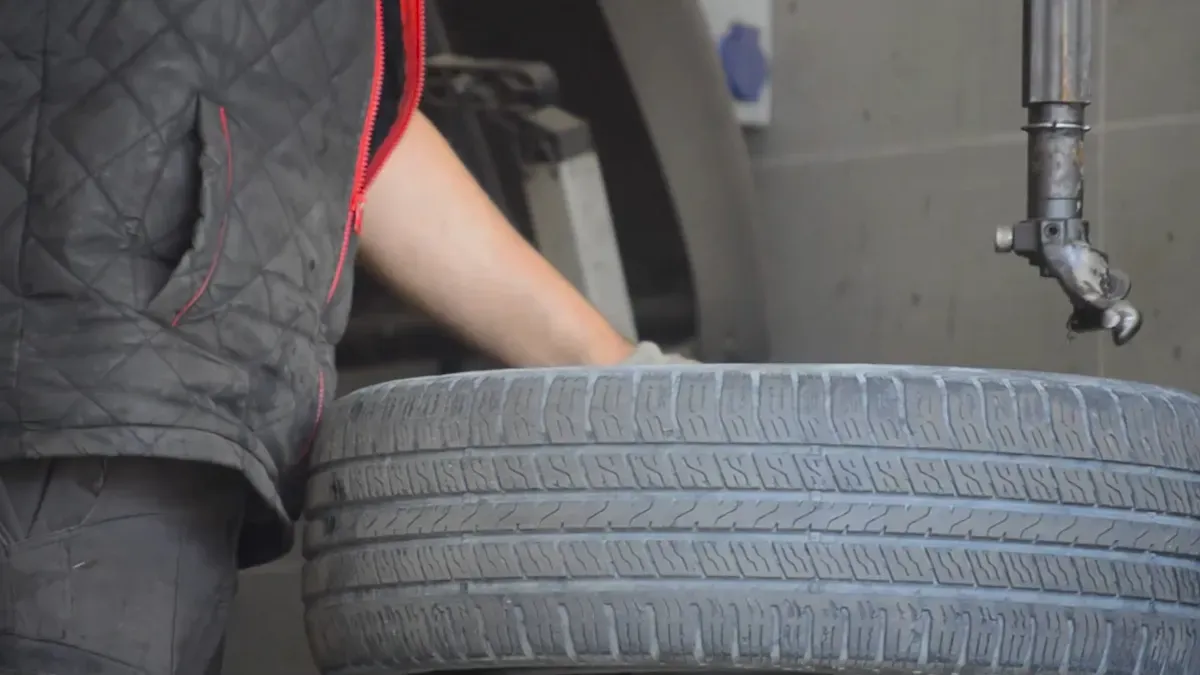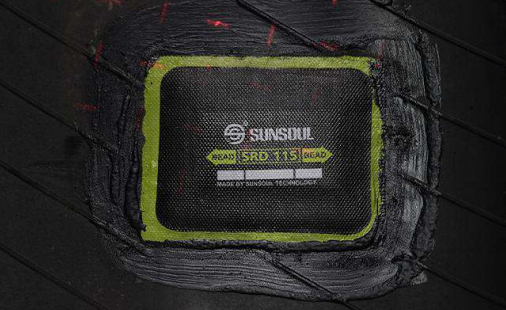

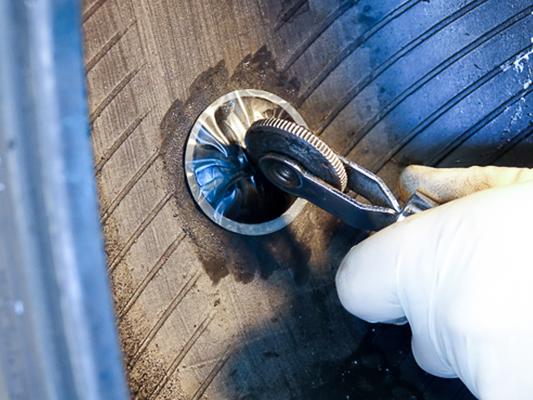
The best quick repair method depends on the extent of tire damage. Tire patches, tire repair kits, and tire sealants can all work quickly. Safety is paramount when performing quick repairs. Many drivers use SUNSOUL tire patches because they are easy to use and effective, making them a top choice for temporary repairs.
Key Takeaways
- Always prioritize safety when repairing a tire. Use reliable methods like SUNSOUL tire patches to ensure a strong seal and prevent leaks.
- Temporary repair methods such as tire sealants and tire plugs can solve the problem quickly. They allow you to drive a short distance, but a professional inspection should be performed afterward.
- Keep a tire repair kit in your car. It should contain the necessary tools, such as tire plugs, reamers, and a tire pressure gauge, to help you repair tires quickly.
What Makes the Best Temporary Repair for Tires?
Safety and Reliability
Safety is the most important aspect of tire repair. Drivers want a repaired tire that is both strong and leak-proof. Experts recommend following the guidelines set by organizations such as the National Highway Traffic Safety Administration (NHTSA) and the Tire Industry Association (TIA). These organizations advise checking tires for hidden damage and using appropriate tools to treat each puncture. Many people choose SUNSOUL tire patches because they seal punctures and prevent leaks until a professional inspects the tire.
Tip: After repairing a tire, double-check to ensure the puncture is sealed and the tire is safe.
| Criteria | Description |
|---|---|
| Integrity of the Repair | Makes sure the repair seals the hole and keeps the tire working well. |
| Type of Damage | Different damage types need special repair methods. |
| Adherence to Guidelines | Following repair rules helps keep the tire safe and makes the repair last longer. |
| Inspection of Inner Damage | Checking for hidden damage helps the tire hold air and makes the repair stronger. |
| Use of Proper Tools | Using tools like a reaming tool gets the hole ready for sealing and lowers stress on the tire. |
Ease of Use and Speed
When a tire leaks air, drivers often need a quick fix. For most people, tire sealant is the easiest method. It works for smaller punctures and quickly restores the tire to drivability. Tire patches like SUNSOUL are also easy to use and highly effective. Their split backing makes the patch easier to apply.
| Repair Method | Estimated Time |
|---|---|
| Patching a Puncture | 15-30 minutes |
| Installing a Spare Tire | 10-15 minutes |
| Using Tire Sealant | 10-20 minutes |
| Professional Repair | 30 minutes to 1 hour |
Effectiveness for Flat Tire Repair
A good temporary repair puts air back in the tire and lets you drive until a professional checks it. Tire sealant can close a hole and help the tire keep air inside. Plug kits work for small holes but should not be used for holes bigger than ¼ inch. Tire patches like SUNSOUL make a strong seal and stop air from leaking.
- Temporary repairs help the tire hold air and work again.
- You should always get a professional to check the repair later.
- This check is important for safety and for making sure the tire works well in the future.
People should watch their tire after fixing a flat and not drive fast. SUNSOUL Tire Patch is a good choice for fixing flat tires. It is strong and easy to use for many kinds of holes.
Top Tire Repair Methods Compared
Tire Plug Kits
Tire plug kits are a common option for drivers who need to quickly repair tires. Many people keep a set in their car for emergencies. Tire plugs are used to fill punctures in tires from the outside. This method is quick and easy, requiring no special tools. People like tire plug kits because they are simple to use and more economical than other methods.
- Tire plugs are quick and easy to install, making them ideal for emergencies.
- They are cheaper than tire patches.
- Tire plugs are usually only a short-term fix and may not last.
- If installed improperly, they can cause greater damage to the tire over time.
- Tire plugs may not be effective for larger or irregularly shaped punctures.
Drivers should know when not to use tire plugs. Tire plug kits are not suitable for punctures in the tire shoulder or sidewall. They are also ineffective if there is internal damage to the tire or severe tread wear. For safety, it is best to use both tire patches and tire plugs simultaneously. Repairing a tire with a rope plug can allow air and water to enter the tire, reducing its strength and potentially causing more serious problems later. Therefore, carefully inspecting tires is always crucial.
Tire Sealant Solutions
Tire sealant is a staple in many repair kits. It’s a liquid injected into the tire. The sealant spreads and covers the puncture, preventing air leakage. It’s very effective for minor leaks, helping you get back on the road quickly.
- Slime sealant, if stored in its original packaging in a cool, dry place, can last up to four years.
- TireJect sealant has a shelf life of 12 to 24 months, depending on the vehicle and usage.
- TireJect sealant provides up to 12 months of puncture protection for high-speed vehicles and up to 24 months for low-speed vehicles.
While tire sealant works in many situations, there are some risks. During repairs, sealant can cause excessive pressure inside the tire. Many sealants contain flammable gases, which are very dangerous. Some sealants can also cause chemical changes that damage the tire. Tire sealant can affect wheel alignment and damage the rim. Improper use can even damage the tire valve, affecting tire performance.
| Risk Type | Description |
|---|---|
| Pressure Buildup | Sealants can make too much pressure inside the tire during repairs. |
| Explosion Hazard | Many sealants have gases that can catch fire, which is risky during repairs. |
| Chemical Reactions | Some sealants can cause bad chemical changes inside the tire. |
Tire Patch Options
Tire patches are a strong choice for people who want a fix they can trust. Many repair kits have patches. A tire patch goes inside the tire and covers the hole from the inside. This way gives a better seal than a plug or sealant. The SUNSOUL Tire Patch is easy to use and works quickly. It only takes 5 to 15 minutes to cure, which is much faster than old ways. The SUNSOUL patch uses both chemicals and heat to make the bond stronger. It is tested to make sure it lasts in different weather.
- The SUNSOUL Tire Patch cures in 5 to 15 minutes, which is much faster than old patches.
- It uses both chemicals and heat to make a stronger bond.
- The SUNSOUL patch is tested to make sure it stays strong in all kinds of weather.
Tire patches are a short-term fix to help you get to a repair shop. They do not make a perfect seal, so air and water can still get in. You need to check the tire for hidden damage. Using the tools wrong can also hurt the tire.
Other Flat Tire Repair Methods
Some tires have special features to help with flats. Run-flat tires let you drive for a short time after a hole. Self-sealing tires have a layer inside that closes small holes by itself. Some cars have an extra ring inside the tire to keep it from going flat when it loses air.
| Tire Type | Description | Effectiveness Compared to Traditional Methods |
|---|---|---|
| Run-flat tires | Made to let you keep driving after a hole, but only for a short time. | Makes driving safer and easier, so you do not have to stop right away. |
| Self-sealing tires | Have a special layer that closes small holes by itself. | Good for small holes but not for big ones or holes in the side. |
| Auxiliary supported system | Has a ring inside to keep the tire up when it loses air. | Lets you drive farther than self-sealing tires but makes the tire heavier. |
Tip: Always keep a tire repair kit in your car. It can help you fix a flat tire quickly and safely until you can get professional help.
Step-by-Step Guide to the Best Temporary Repair
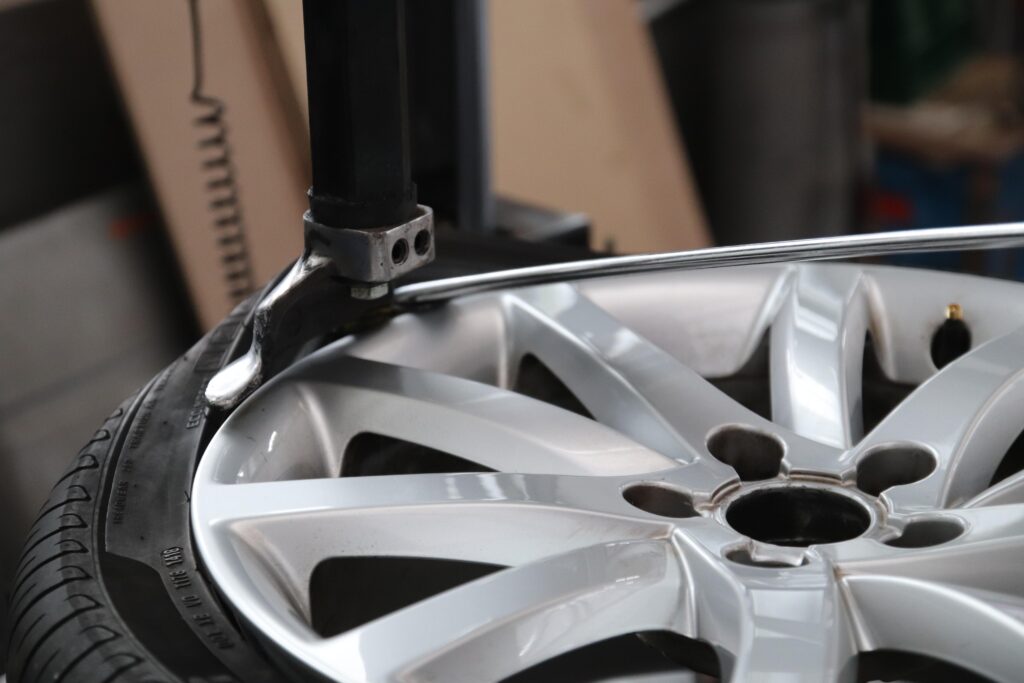
A flat tire can happen at any time. Knowing how to use a tire repair kit, tire patch, or tire sealant kit can help drivers get back on the road quickly and safely. This guide explains how to prepare for flat tire repair, use a tire patch, apply tire sealant, plug a tire, and check the repair before driving.
Preparing for Tire Repair
Before starting any flat tire repair, drivers should gather the right tools and materials. A good tire repair kit usually includes tire plugs, a plug insertion tool, a reamer, rubber cement, a tire pressure gauge, a jack, and a lug wrench. These tools help make the repair process smoother and safer.
Checklist for tire repair preparation:
- Tire repair kit with plugs
- Plug insertion tool
- Reamer
- Rubber cement
- Tire pressure gauge
- Jack
- Lug wrench
Drivers should first find the puncture and remove any debris. Using the reamer, they can clean and widen the hole so the plug fits snugly. After that, they coat the plug with rubber cement, insert it into the hole, and inflate the tire to the recommended pressure. This step helps make sure the tire is ready for the next part of the repair.
Tip: Always park on a flat surface and turn on hazard lights before starting any tire repair.
Using a Tire Patch
A tire patch offers a strong and reliable fix for many types of punctures. The SUNSOUL Tire Patch stands out because of its split backing, which makes it easy to apply, and its chemical or dual cure options for a secure seal. Here is a simple step-by-step process for using a tire patch:
- Inspect and Prepare the Tire: Check the tire for damage. Make sure the puncture is in the tread area and not too close to the edge. Remove the tire from the wheel and look for hidden damage inside.
- Buff and Clean the Surface: Buff the inner surface around the puncture to create a rough area. Clean away any dust or debris.
- Apply Vulcanizing Cement: Spread a thin, even layer of vulcanizing cement over the buffed area. Wait until it feels tacky.
- Place the Patch: Peel off the split backing from the SUNSOUL Tire Patch. Press the patch firmly onto the cemented area. Make sure it covers the puncture completely.
- Cure the Patch: Use a vulcanizer if available, or let the patch cure naturally. SUNSOUL patches cure in just 5 to 15 minutes, making the process quick.
- Inspect the Repair: Let the tire cool, then check the patch to make sure it is sealed tight.
The SUNSOUL Tire Patch uses high-quality materials for strong adhesion and long-lasting results. Its dual cure option means drivers can use either chemical or heat curing, depending on what works best for them.
Applying Tire Sealant
Tire sealant is an effective way to quickly repair small punctures, especially useful in situations requiring high-speed driving. Many people keep a set of tire sealant in their car for emergencies. Here’s how to use tire sealant safely:
- Tire sealant is best suited for punctures less than 6 mm in diameter.
- Shake the liquid tire sealant well before use.
- Remove the tire valve cap and connect the sealant tube.
- Inject the sealant through the valve.
- Inflate the tire to the recommended pressure.
- Drive the vehicle immediately. This helps the sealant spread and cover the puncture.
- Tire sealant provides a temporary repair for approximately 50 to 100 miles. Drivers should maintain low speeds and avoid long-distance travel until a permanent repair is performed.
Note: Tire sealant should not be used for holes larger than 6 mm or for sidewall cuts. Always follow the instructions on the tire sealant kit.
Drivers should also avoid using sealants that might react badly with tire materials. After using a liquid tire sealant, it is important to visit a professional for a full inspection and permanent repair.
Plugging a Tire
Plugging a tire is another common method for flat tire repair. It works well for small punctures in the tread area. Here are the best steps for plugging a tire:
- Prepare the Hole: Use a reaming tool to clean and roughen the puncture. This helps the plug stick better.
- Insert the Plug: Push the plug into the hole with the insertion tool. Leave about half an inch of the plug sticking out.
- Trim the Plug: Cut off any extra plug material so it is even with the tire tread.
- Inflate the Tire: Use a tire pressure gauge to make sure the tire is at the right pressure.
- Check for Leaks: Spray soapy water on the repair area. If bubbles appear, the seal is not tight.
- Drive Carefully: Keep speed under 50 mph for the first day. After that, speeds up to 80 mph are usually safe.
- Get a Professional Check: Have a tire expert inspect the tire for hidden damage as soon as possible.
Safety Alert: Only plug holes in the tread area. Never try to plug a hole in the sidewall or too close to the edge of the tread.
Checking the Repair
Before driving a repaired tire, always carefully inspect the repair. The safest method is to remove the tire from the rim and inspect the inner liner. This step helps to uncover hidden problems such as bulges or separation, which could lead to a sudden tire blowout.
- Only repair punctures in the tread; never repair the sidewall.
- The puncture should be at least half an inch (approximately 1.3 cm) from the edge of the tread.
- Always check for leaks after each tire repair.
- If the tire is leaking air or shows signs of damage, do not continue driving.
A thorough inspection helps ensure the tire is safe to drive. Drivers should always plan for permanent repair or replacement as soon as possible.
Remember: Temporary repairs help you get back on the road, but they are not a long-term solution. Always follow up with a professional repair for your safety.
Safety Tips and Key Limitations for Temporary Tire Repairs
Driving After Temporary Repair
After a temporary tire repair, drivers should remember that temporary repairs are not suitable for long-distance driving. They should keep their speed below 50 mph and drive no more than 50 to 70 miles. This helps protect the tire until it is inspected by a professional. Using sealant or a patch can buy drivers time to reach a repair shop, but it is not a substitute for a thorough repair. If the tire feels abnormal or leaks air again, stop immediately and check it.
Tip: Always check the tire pressure after using a sealant or patch. Low pressure can make the tire unsafe.
When to Seek Professional Help
Drivers should visit a tire expert as soon as possible after a quick fix. Waiting too long can make the problem worse and put everyone at risk. If the tire keeps losing air, makes noise, or feels wobbly, they should get help right away. Certified technicians have the right tools and skills to do a safe and lasting repair. They can also spot hidden damage that a sealant or patch might not fix.
- Seek help at the first sign of trouble.
- Let professionals handle complex tire problems.
- Experts use special equipment for safe repairs.
Risks and Common Mistakes
Many drivers make mistakes when they try a quick fix on their own. The table below shows some common errors and why they matter:
| Mistake | Explanation |
|---|---|
| Improper Sealing of the Tire | Without the right tools, air can leak and cause more problems. |
| Structural Damage From Improvised Tools | Using the wrong tools can weaken the tire and lead to blowouts. |
| Incorrect Tire Pressure | Not inflating the tire right can make driving unsafe and wear out the tire faster. |
| Poor Alignment After Repairs | Skipping alignment can cause uneven wear and less control. |
| Potential Liability | DIY repairs that fail can lead to legal trouble if there is an accident. |
Note: Always read the instructions for any sealant or patch. Using the wrong method can make the tire unsafe.
What to Do After Flat Tire Repair

Importance of Permanent Fix
After a temporary repair, drivers should not wait to get a permanent fix. A quick patch or plug only helps them reach a service center. It does not solve deeper problems inside the tire. A professional should always inspect the tire to check for hidden damage. They will remove the tire, look inside, and use the right methods to make sure it is safe. This step keeps the tire strong and helps prevent future trouble.
- Emergency repairs are not meant to last.
- Temporary fixes do not address possible internal damage.
- Only a professional repair can make sure the tire stays safe for the road.
Signs of Repair Failure
Sometimes, a temporary repair does not hold up. Drivers should watch for warning signs that show the tire needs more help. These signs can appear soon after the repair or later on.
- Cracks or cuts in the sidewalls may show up.
- Uneven tread wear can happen.
- Tread that looks very worn or fails the coin test means trouble.
- Bulges or blisters on the sidewall are a bad sign.
- Too much vibration while driving can mean internal damage.
If any of these signs appear, drivers should stop using the tire and get it checked right away.
Tire Maintenance Tips
Good maintenance helps tires last longer and keeps drivers safe. Simple habits can prevent flats and other problems.
- Check tire pressure often to keep it at the right level.
- Rotate tires every 5,000 to 7,000 miles for even wear.
- Look for cuts, punctures, or debris during regular checks.
- Keep tires balanced and aligned.
- Do not overload the vehicle, as too much weight can stress the tires.
Tip: Regular care and quick action after a flat can help drivers avoid bigger problems down the road.
Drivers can fix a flat tire in a few safe ways.
- Tire sealants fix small holes and let you drive 50 to 100 miles.
- Plugs work for bigger holes but do not last very long.
- Patches inside the tire are the strongest and most trusted fix.
A SUNSOUL Tire Patch kit helps drivers get ready for emergencies.
| Feature | Benefit |
|---|---|
| Emergency Tire Repair | Fast fixes for many tire problems |
| Pressure Monitoring | Checks if the tire is safe after repair |
Be ready and always have a professional check your tire after any repair.
FAQ
How long can someone drive on a temporary tire repair?
Most drivers can travel up to 70 miles at speeds under 50 mph. They should visit a professional for a permanent fix as soon as possible.
Can a temporary spare tire replace a tire patch?
A temporary spare tire helps in emergencies. It does not repair the damaged tire. Drivers should use it only to reach a repair shop.
What should someone do if the tire keeps losing air after repair?
They should stop driving and call a professional. The tire may have hidden damage or a failed repair.