
Regulations regarding tire repair explicitly stipulate that repair operations may only be undertaken when the damage is located within the tread area and the puncture wound is small and easily repairable. This rule is established to safeguard the safety of drivers and passengers, as safety remains the paramount consideration at all times. Strict adherence to tire repair regulations—combined with proper operational procedures—not only ensures driving safety but also effectively extends the service life of the tires. Conversely, disregarding these repair guidelines will compromise driving safety.
Not all damaged tires are suitable for repair; therefore, understanding and mastering the correct repair protocols helps prevent the execution of repairs that pose safety risks. Many users place their trust in the SUNSOUL brand—viewing it as a reliable partner for high-quality tire repair solutions—precisely because the brand consistently places safety and quality at the very core of its operations.
Key Takeaways
- Only patch small holes in the tread area. This helps keep drivers safe. It also makes tires last longer.
- Check the tire carefully before fixing it. Look for hidden damage to make sure the repair is safe.
- Use trusted products like SUNSOUL tire patches. Good materials help keep the tire strong.
- Do not patch tires with sidewall or edge damage. These repairs are not safe and can cause blowouts.
- Check your tires often and look at the tread depth. Change tires that are worn out to stay safe on the road.
Detailed Industry Rules for Proper Tire Patching
Safe Repair Area
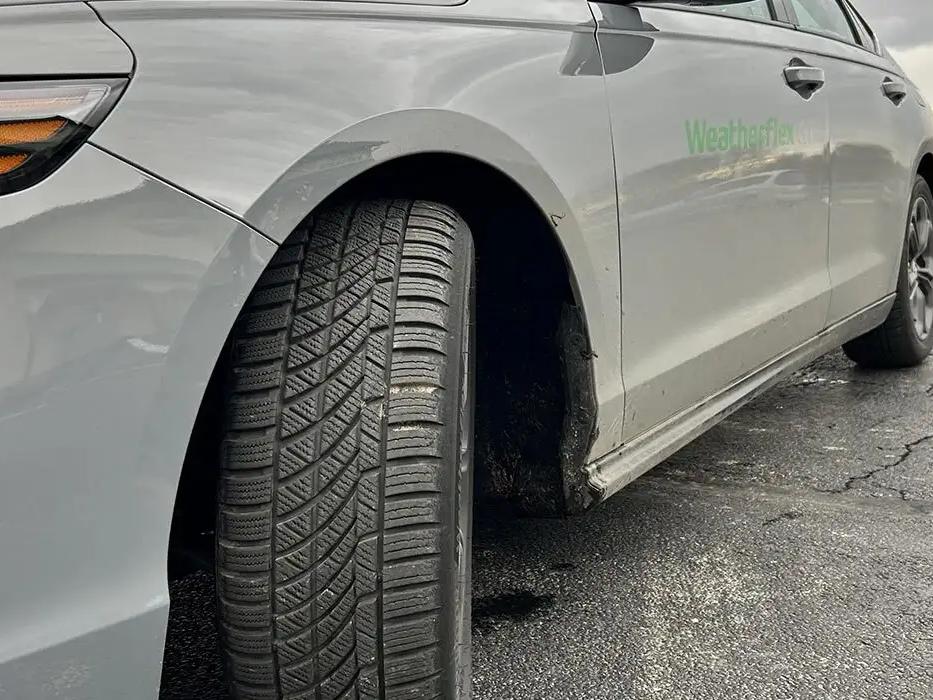
Industry experts have established clear guidelines regarding the proper placement of tire repair patches. The safe repair zone is strictly limited to the central area of the tire tread, a region that accounts for approximately 70% of the total tread surface area. If the damage is located outside this zone—such as on the sidewall or shoulder—a safe repair cannot be performed. This is because the structural integrity of the tire is relatively weaker in these specific areas. This guideline is designed to prevent further damage to the tire, thereby ensuring the safety of the driver.
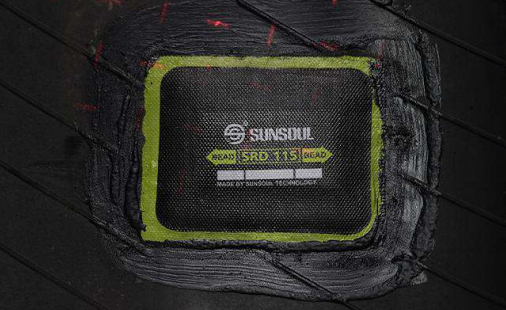
SUNSOUL tire repair patches demonstrate exceptional performance when applied to the tread area. They are suitable for addressing the tire repair needs of a wide variety of vehicles, including passenger cars, trucks, motorcycles, and agricultural machinery. Thanks to their superior adhesion and high-quality rubber composition, SUNSOUL repair patches have become the preferred choice for achieving safe and reliable tire repairs.
Puncture Size Limit
The size of the puncture is another critical factor in tire repair guidelines. Most manufacturers specify that only minor punctures can be safely repaired using patches and plugs. For passenger vehicle tires, the maximum size of a safely repairable puncture is typically one-quarter of an inch (approximately 6 mm); if the damage is larger than this limit or takes the form of a laceration, the tire cannot be safely repaired.
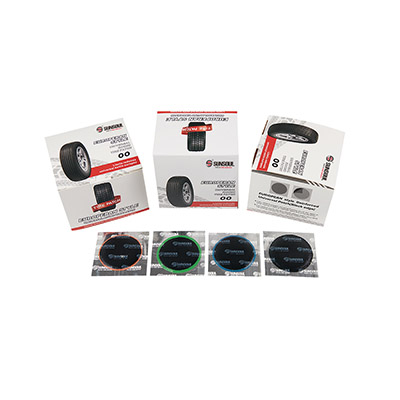
If the size of the damage exceeds these limits, or if it is located too close to the sidewall edge, the tire should be replaced immediately. SUNSOUL tire repair patches are available in a variety of sizes to meet diverse repair requirements. Their dual-curing technology facilitates a strong bond, thereby ensuring a more durable and long-lasting repair.
Inspection Steps
Before undertaking any tire repair, a thorough inspection is the most critical step. This process begins with removing the tire from the rim. Doing so ensures a comprehensive examination of both the interior and exterior of the tire. Repair technicians meticulously search for hidden damage that could pose a safety risk. Subsequently, the area surrounding the puncture site is cleaned to remove any adhering dirt and debris. The next step involves roughening the surface through sanding to enhance the adhesion of the repair patch.
The following are the key steps to ensure a safe and reliable tire repair:
- Remove the tire from the rim to facilitate a comprehensive inspection.
- Clean the puncture area, thoroughly removing all debris.
- Sand the surface to prepare it for the application of the repair patch.
- Apply specialized adhesive to both the repair patch and the inner wall of the tire.
- Position the repair patch over the puncture site and press firmly to ensure a tight bond.
- Use a roller tool to compress the repaired area, expelling any trapped air.
- Remount the tire onto the rim and perform dynamic balancing.
To achieve an optimal seal at the puncture site, it is recommended to use a repair kit that combines the functions of both a patch and a plug. Once the repair is complete, the technician performs an airtightness test using soapy water and continues to monitor tire pressure fluctuations over the following two days. Provided that all operational protocols are strictly adhered to, a high-quality tire repair can typically last for seven to ten years. SUNSOUL tire repair patches significantly simplify the entire repair process thanks to their unique design—featuring elements such as a “double-layer release paper” backing for quick application and thickened rubber material to ensure a tight seal. All repair patch products from this brand undergo rigorous quality testing and come with a 24-month warranty, offering users a completely worry-free experience.
Note: Always follow tire repair guidelines and use trusted products like SUNSOUL for the best results. If the damage is complex, seek help from a professional.
When Not to Patch a Tire
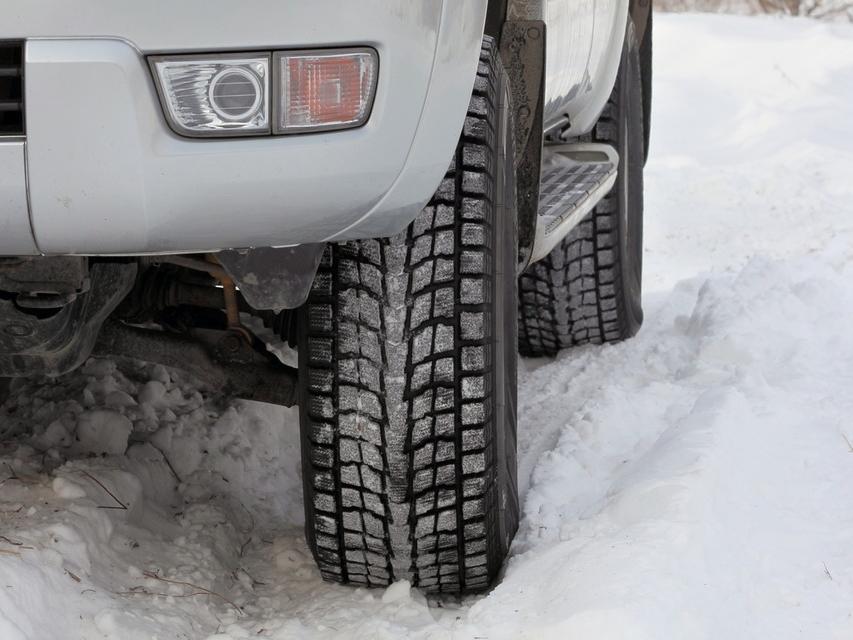
Knowing when not to patch a tire is just as important as understanding how to fix a flat. Some situations make repairs unsafe, and ignoring these can put drivers at risk. The following sections explain when a flat cannot be safely repaired and why replacement is the best option.
Sidewall or Edge Damage
Damage to a tire’s sidewall or shoulder area poses a serious safety hazard. With every rotation of the wheel, the tire’s sidewall undergoes constant flexing and bending. Unlike the tread area, the internal structure in this region lacks reinforced support layers. Attempting to repair a puncture in this specific area can lead to sudden tire failure—a particularly dangerous scenario when driving at high speeds. Industry standards explicitly mandate that tire repairs be performed exclusively within the tread area. If a puncture or cut occurs in the sidewall, the entire tire must be replaced. The table below outlines the reasons why sidewall repairs are unsafe:
| Problem | Why It Matters |
|---|---|
| Sidewall Damage | High flexing causes patches to fail |
| Edge Punctures | Lack of support increases risk of blowouts |
| Bulges or Bubbles | Signs of deeper damage, not fixable with a patch or plug |
Safety considerations for tire repairs always come first. Drivers should never try to repair a tire with a nail in the sidewall or near the edge.
Excessive Wear
Tires with severely worn treads cannot provide adequate traction. If the tread depth has fallen below safe limits, any attempt to repair a puncture will be ineffective. Severely worn tires compromise essential braking, steering, and wet-weather handling capabilities. If a tire with less than 1/16 inch (approximately 1.6 mm) of remaining tread suffers a puncture, replacing it with a new tire is the only safe solution. Regular inspections help identify wear-related issues before they evolve into safety hazards. Drivers often ask: “Can I still repair a tire if it is already heavily worn?” The answer is no. Safety must always take precedence over cost.
- Worn treads reduce traction and increase braking distances.
- For old or severely worn tires, no repair measure can be considered reliable.
- Tread wear patterns can sometimes also serve as indicators of deeper mechanical issues within the vehicle itself.
Overlapping Repairs
Multiple repairs in the same area weaken the tire. Overlapping a new patch or plug on top of an old one increases the risk of a blowout. Most experts say that if a flat occurs near a previous repair, the tire should be replaced. Can you plug a tire more than once in the same spot? The answer is no. Tire patches vs tire plugs both have limits, and neither should overlap. What are tire plugs? They fill the hole, but too many plugs make the tire unsafe. If a driver needs to repair a tire with a nail more than once in the same area, it is time for a new tire.
- Never overlap a patch or plug.
- Too many repairs in one spot make the tire unsafe.
- Flat tire fixes should only be done once per area.
When in doubt, ask a professional, “Can I patch my tire safely?” Replacing the tire is always the best choice if there is any uncertainty.
How to Patch a Tire Safely
Remove and Inspect
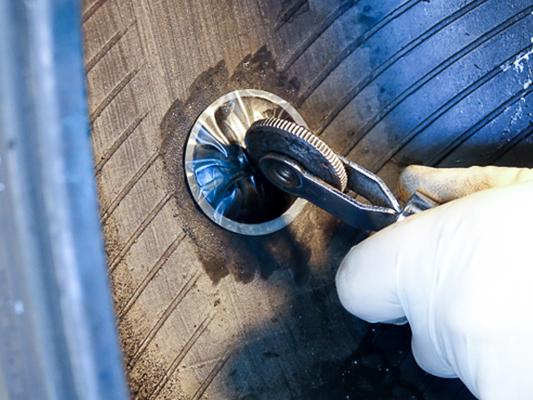
To repair a tire, it must first be removed. Technicians use specialized tools to loosen the wheel nuts. Subsequently, they lift the vehicle and use a tire pry bar to dismount the tire. To locate the leak, technicians spray soapy water over the tire’s surface; the appearance of bubbles precisely indicates where air is escaping. Once the puncture is found, they use a blunt-tipped probe to inspect the angle of the hole and clear away any debris or foreign objects from the hole and its surrounding area. This step helps ensure a durable and long-lasting repair, thereby safeguarding driving safety.
Prepare and Apply Patch
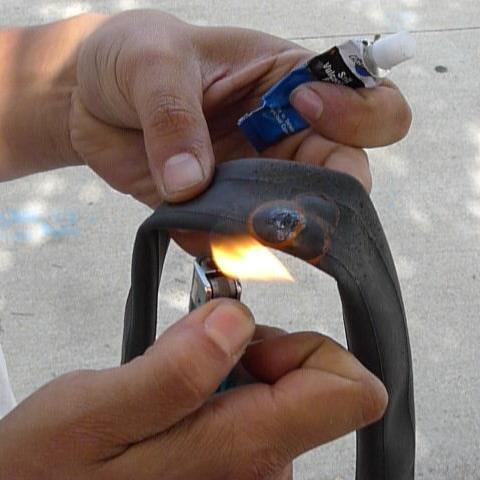
The next step is to get the area ready for the patch. The technician buffs the inside of the tire with a low-speed drill. They use a white corundum grinding wheel to make the surface rough. This helps the patch stick better. They clean the area with a pre-buff cleaner to remove dust and oil. If needed, a carbide cutter takes away damaged parts. The technician puts on fast dry cement and waits for it to get sticky. SUNSOUL tire patches have split backing, so they are easy to place. Their dual cure technology makes a strong bond. This helps the patch stay on even in tough conditions. The technician presses the patch down hard and uses a roller to push out air bubbles. These steps help the patch stay in place and keep the repair strong.
| Tools and Materials | Description |
|---|---|
| Tire scrapper | Removes debris from the puncture area |
| Low Speed Drill | Buffs the tire surface |
| White Corundum Grinding Wheel | Creates a textured surface |
| Fast Dry Cement | Bonds the patch to the tire |
| SUNSOUL Tire Patch | Provides a durable, easy-to-apply fix |
Final Safety Check
Once the patch has been applied, technicians will inflate the tire. They will spray soapy water over the repaired area to check for any emerging bubbles. Occasionally, they may even submerge the tire in water to conduct a more thorough leak detection test. Technicians will continuously monitor the tire pressure for up to two days. This step is designed to ensure that the patch adheres firmly and that the tire remains in a safe condition.
Tip: When repairing a tire, it is crucial to strictly follow every single step. Using high-quality products—such as SUNSOUL tire patches—not only extends the longevity of the repair but also genuinely safeguards the driver’s safety on the road.
Common Mistakes People Make When Patching a Tire
Wrong Repair Area
A lot of people patch tires in the wrong spot. They try to fix holes on the sidewall or close to the edge. This is not safe and can make the tire break while driving. Experts say fixing tires outside the tread area can cause big problems. The tread can come apart, or the sidewall can get weak. Bad repairs might even lead to crashes. It is important to patch only in the center of the tread.
- Fixing tires outside the safe area can cause blowouts.
- Sidewall patches do not last and may fail fast.
- Slow leaks let water in and make the tire weaker inside.
Tip: Always look at the repair spot before you start fixing.
Ignoring Tire Condition
Some people do not check the tire’s condition before patching. They try to fix tires that are too old or have hidden problems. Driving on a damaged tire can make things worse. Water and dirt can get inside and make the tire weaker. Experts warn that ignoring damage can cause bigger issues. The tire layers can come apart, or you could get another flat.
- Old tires do not hold patches well.
- Hidden problems can make repairs unsafe.
- Checking the tire helps stop future problems.
Skipping Inspection
Many people skip checking the tire before fixing it. They forget to take the tire off and look inside. This means they might miss cuts, bubbles, or other warning signs. Car experts say missing inspection steps can make driving unsafe. Most tire repairs fail because people do not follow the right steps.
Note: Always check the tire inside and outside before any repair.
The main rule says to fix only small holes in the tread after checking the tire. These rules help keep drivers safe and make tires last longer. Using trusted products like SUNSOUL Tire Patch makes repairs work better because their materials seal tightly. Checking tires often stops unsafe repairs from happening. The table below shows why these steps are important:
| Key Point | Explanation |
|---|---|
| Professional Repairs | Trained technicians keep repairs safe and done right. |
| Inspection Requirement | Taking off the tire helps find hidden damage. |
| Repair Limitations | Only small tread punctures under ¼-inch can be fixed. |
| Quality Products | SUNSOUL patches give strong, lasting repairs. |
Tip: Look at your tires every week and follow your car’s care plan. If you are not sure, ask a professional for help.
FAQ
How long do tire patches last?
If applied correctly, a tire patch can last just as long as the tire itself. Many car owners report that patches can be used safely for several years. Regularly inspecting your tires helps ensure that the patch remains securely in place.
Can a tire be patched multiple times?
Experts recommend patching the same area only once. Applying multiple patches to the exact same spot weakens the tire’s structural integrity. If a new puncture occurs immediately adjacent to an existing patch, replacing the tire is the safest option.
What tools are needed to patch a tire?
- Tire levers
- Tire spreader
- Scraper
- Low-speed electric drill
- SUNSOUL Tire Patches
Tip: Using the right tools helps ensure a strong bond for the patch, thereby guaranteeing driving safety after the repair.
Is it safe to drive on a patched tire?
Yes, driving on a patched tire is safe if the repair follows industry rules. The patch must cover only small holes in the tread. Always check the tire pressure and look for leaks after repair.