

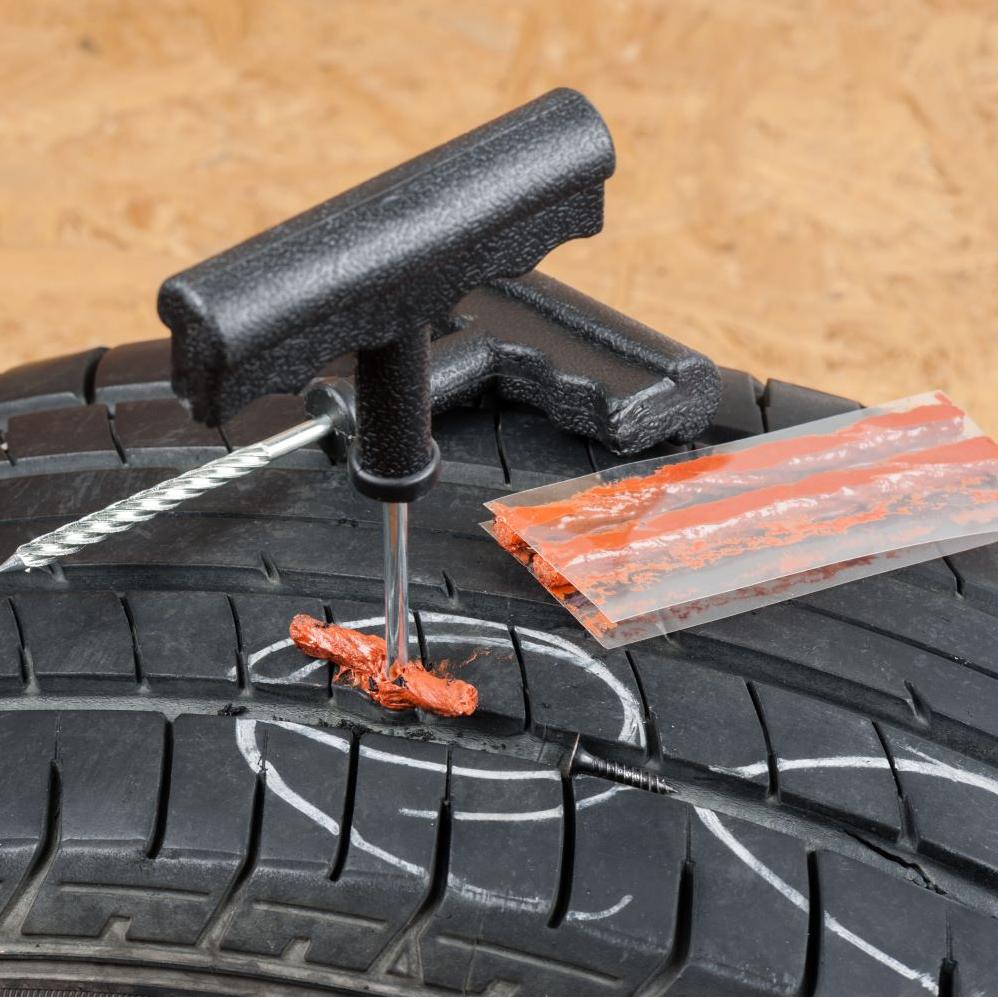
Tire plugs themselves are not illegal, but safety regulations restrict their use. Many experts believe that improper use of tire plugs is unsafe. This is because tire plugs only provide temporary repairs. Regulations like the TREAD Act recommend using permanent methods to repair tires. Tire plugs are quick and convenient, suitable for emergencies. Tire patches are better and more durable because they seal the puncture from the inside. Drivers who want to repair their tires safely and legally usually choose tire patches.
Key Takeaways
- Tire plugs can be used, but only for short-term repairs and small holes in the tire tread.
- To repair tires safely and securely, always use a plugged patch to properly seal the tire.
- Please consult your local tire repair laws and regulations to ensure you comply and protect your safety.
- Check your tires regularly to avoid accidents caused by improper repairs.
- Try using reliable products, such as SUNSOUL tire patches, for good and long-lasting tire repair results.
Tire Plug Laws and Regulations
Federal and State Rules
In the United States, tire repair tools are not prohibited. However, improper use is neither safe nor a complete solution. Federal regulations, such as the TREAD Act, provide strict guidelines for tire repair. These regulations aim to ensure driver and road safety. The TREAD Act outlines the following key points:
- Tires with structural damage must be replaced.
- Repairs are not permitted on the sidewall or shoulder.
- Temporary spare tires and run-flat tires cannot be repaired.
- A tire bulge means the tire must be replaced.
- Tires with large punctures or holes must be replaced.
State regulations regarding the use of tire repair tools vary. Some states allow the use of repair tools on the tread but not on the sidewall. The table below lists the regulations for tire repair tools in California, Texas, and Florida:
| State | Allowed on Tread | Sidewall Repair | Inspection Check |
|---|---|---|---|
| California | Yes | No | Yes |
| Texas | Yes | No | Yes |
| Florida | Yes | No | No |
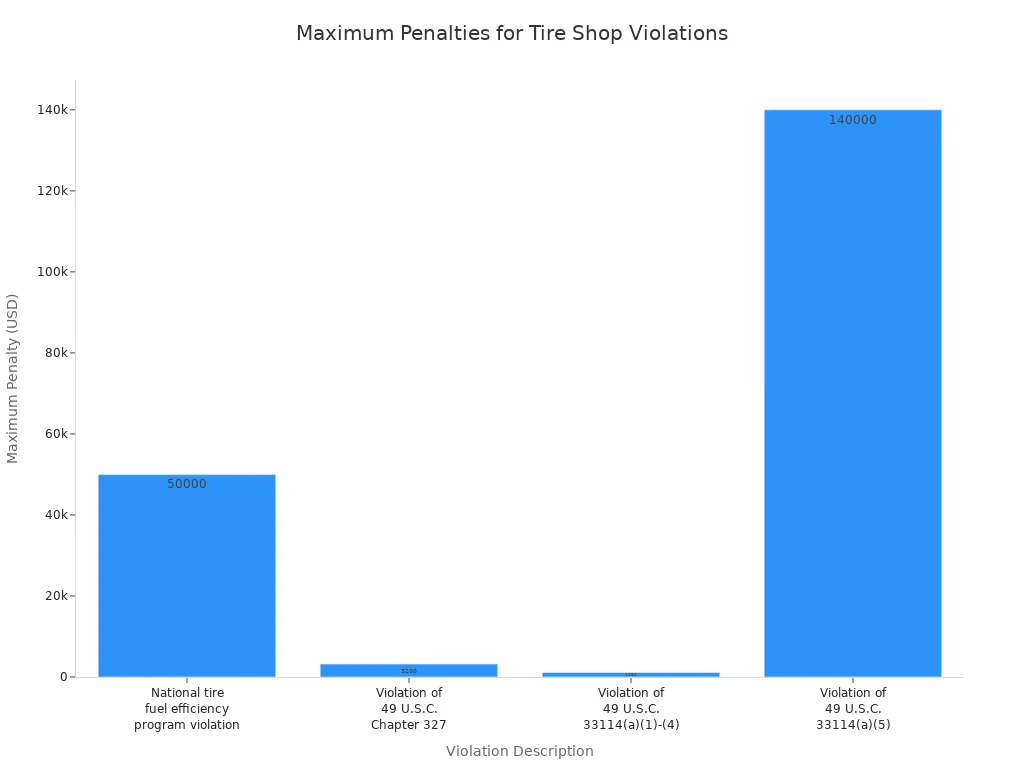
Tire shops must follow these rules. If they break them, they get big fines. The chart below shows the highest fines for breaking tire shop rules:
Industry Standards
Industry standards are important for fixing tires the right way. Groups like the Rubber Manufacturers Association and the US Tire Manufacturers Association set safe repair rules. These rules help shops and workers know what to do.
| Regulation | Description |
|---|---|
| Repair Personnel | Only trained workers can do tire repairs. |
| Size Limitations | Repairs must follow size rules and standards. |
| Inspection | Every tire must be checked before repair. |
| Approved Materials | Only approved patches and plugs can be used. |
| Repair Marking | The fixed area must be marked to show repair. |
| Retreading | Tire retreading is allowed in some cases. |
| Record Keeping | Shops must keep records of all repairs. |
Automotive industry regulations stipulate that cord plugs are only suitable for short-term repairs. Repairing tires with plugs alone is common, but it’s ineffective for punctures larger than 1/4 inch (approximately 6 mm). Using a combination of plugs and patches is the best method for tire repair. This method strengthens the damaged area and provides a seal. The American Tire Manufacturers Association recommends against repairing tire damage larger than 1/4 inch (approximately 6 mm). Repairs should be limited to the tread area.
Note: Tire plugs can help in emergencies, but only proper repair methods meet safety and legal rules. Drivers should check local laws before fixing a tire.
Why Tire Plugs Are Restricted
Safety Concerns
Tire manufacturers and safety experts say that tire plugs are not a long-term solution. While a plug might temporarily stop a leak, water will still seep into the tire.
In the United States, approximately 33,000 car accidents each year are caused by tire failure. Many of these accidents are due to improper tire repair. For example, using only a plug without a patch is one such case. Experts and safety organizations agree that using only a plug is not an effective way to seal a tire. This may mask internal damage and increase the risk of further tire failure.
The table below shows the failure rates of different repair methods:
| Repair Method | Failure Rate |
|---|---|
| Professional Repairs (Patches) | <2% |
| External-Only Repairs (Plugs) | 15-25% |
The National Highway Traffic Safety Administration says to use both a patch and a plug. This way, the hole is sealed and water and air stay out. It is the safest way to fix a tire with a plug.
Liability Issues
Tire shops that use only plugs can get into serious trouble. Courts have pointed out that using rope-like plugs is not always safe. In Peterson v. Ress Enterprises, a victim who suffered a tire blowout after only using plugs to repair a tire was ultimately awarded $12.65 million in damages by a jury. This clearly illustrates how high the cost of not following safety rules can be.
- The U.S. Department of Transportation stipulates that only trained workers can repair tires. They must use both patches and plugs.
- Using only plugs violates these regulations and can lead to lawsuits.
- Courts in Florida and several other states have already held tire shops liable for damages caused by improper repairs resulting in tire blowouts.
Safety organizations also point out that using only plugs to repair tires is unsafe. They believe the best method for tire repair is to use both patches and plugs. Tire shops that do not comply with these regulations may be breaking the law and endangering the safety of others.
Tire Plug Repair Risks
Safety Hazards
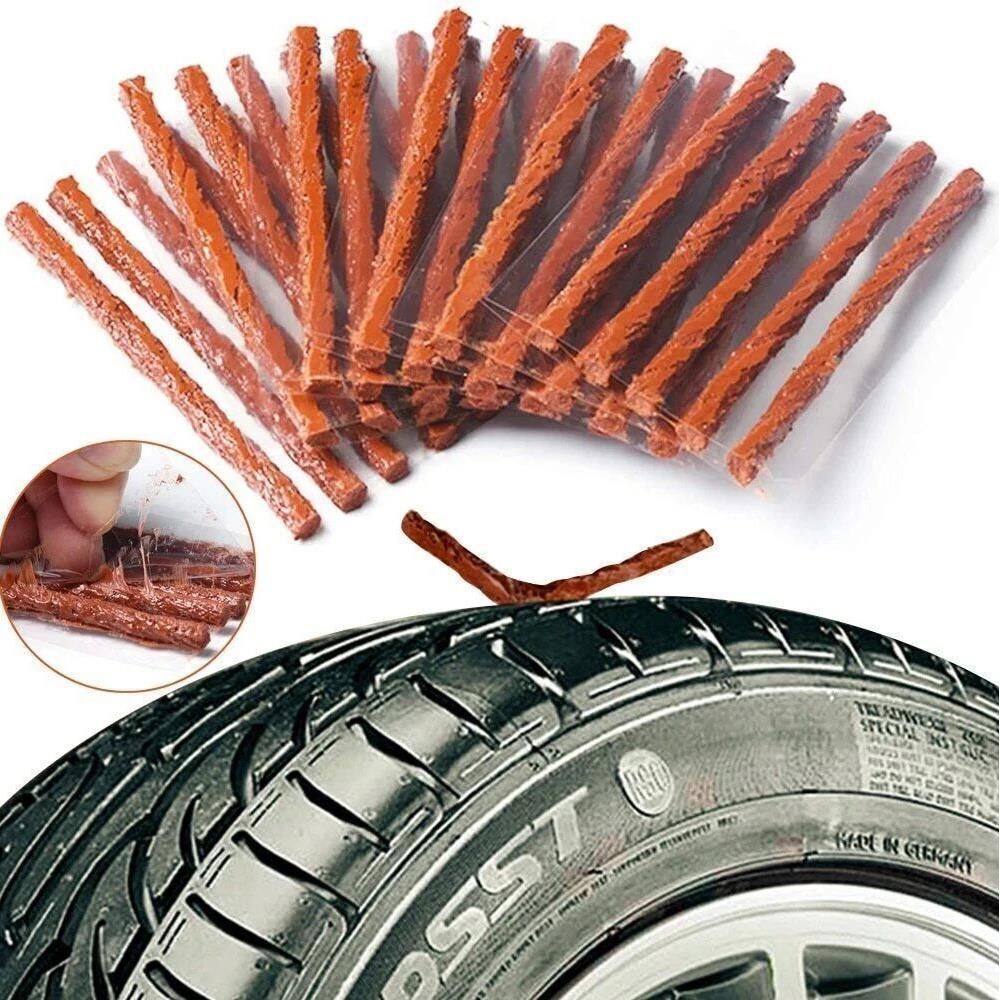
Tire plugs help drivers get moving fast, but they have risks. If you use a plug instead of a patch, the tire does not seal well inside. Water and dirt can get into the hole. This can cause damage you cannot see. Over time, the tire gets weaker and might blow out. Most experts say a patch is better. A patch makes a strong seal and keeps the tire safe.
The table below shows how plugs and patches are different:
| Repair Type | Reliability | Duration | Bonding Method |
|---|---|---|---|
| Tire Plug | Temporary | Short-term | No chemical bond |
| Tire Patch | Permanent | Long-term | Creates a seal from inside |
Patches work better for long-term fixes. They make the tire stronger. Plugs are only good for short-term use. They do not keep the tire as safe. Using a plug can mean you need a new tire sooner. This can cost more money later. Patches can help tires last longer and save money.
Tip: Pick a patch for a safe and lasting fix. This helps stop problems and keeps people safe on the road.
Insurance Consequences
Insurance companies will inspect tire repairs after an accident. If a vehicle was involved in an accident after a tire plug was used for repairs, the insurance company may review the repairs. Most insurance policies cover tire damage in covered accidents (such as collisions or dents). However, damage caused by normal wear and tear or nails is usually not covered unless you have purchased specific insurance.
- Tire damage can be covered by comprehensive insurance or collision insurance.
- If you have collision insurance, tire damage claims resulting from an accident may be covered.
- Damage from dents or other vehicles is usually covered by collision insurance.
- The National Highway Traffic Safety Administration (NHTSA) states that the only safe way to repair a tire is to use both a tire plug and a patch simultaneously. Improper repairs can endanger driver safety and affect insurance claims.
If the insurance company finds the tire repair to be improper, they may not pay out. This could result in the driver incurring high repair costs. Choosing the correct repair method can ensure your safety and protect your insurance claims.
Legal Tire Repair Alternatives
Approved Repair Methods
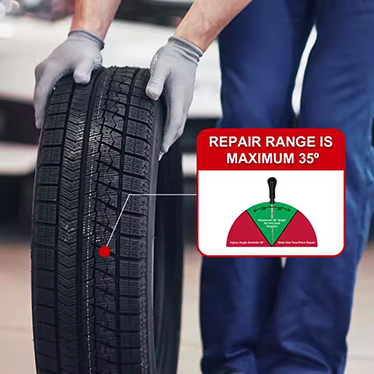
Many people want to know how to safely repair a flat tire. The National Highway Traffic Safety Administration (NHTSA) and individual states have regulations specifying which repair methods are permitted. These regulations help ensure driver safety.
- If the inside of the tire and the puncture site are sealed, a patch or plug can be performed.
- Only trained professionals should repair tires.
- Using both a patch and a plug simultaneously ensures optimal safety.
- Never repair the tire sidewall or shoulder.
Organizations such as the Tire Manufacturers Association and the Rubber Manufacturers Association educate repair shops on these regulations. Repair shops must use approved materials and clearly mark the repair location. Before repairing, the mechanic will inspect the tire to ensure its safety.
Note: Patches put on by trained workers last longer and keep tires strong. Plugs are good for short trips, but patches are safer for longer use.
A chart shows why patches are the best choice:
| Feature | Tire Patch | Tire Plug |
|---|---|---|
| Repair Type | Permanent, professional repair | Temporary fix |
| Installation | Needs the tire taken off and installed by a pro | Can be done without removing the tire |
| Longevity | Made to last as long as the tire | Not a permanent fix |
| Safety | More reliable, keeps the tire strong | Not good for long-term use |
SUNSOUL Tire Patch Benefits
SUNSOUL Tire Patch is trusted for fixing tires. Drivers and workers in over 60 countries use SUNSOUL because it works well. The patches are simple to use and seal the tire from inside.
| Benefit | Description |
|---|---|
| Durability | SUNSOUL patches last for the rest of the tire’s life. |
| Reliability | They give a permanent fix, so driving is safe and smooth. |
| Cost-effectiveness | Using SUNSOUL saves money and keeps your tires safe. |
SUNSOUL has different patch types, like Chemical Cure and Dual Cure, for many cars. The company helps its partners with fast service and good support after buying. People like the patches because they are easy to use and last a long time.
Tip: If you want a legal and safe tire repair, SUNSOUL Tire Patch is a good choice. It helps drivers feel safe and keeps cars moving.
In the United States, tire plugs are permitted when used properly. However, they must be installed according to safety regulations. Improper tire repair can lead to a blowout and serious accidents. Experts point out that tire plugs are only suitable for small holes in the tire tread and should only be used for short periods. Drivers must comply with federal and state regulations and should consult local laws before repairing a tire. Tire plugs are a durable and effective repair method that helps ensure vehicle safety and allows people to continue driving.
- Tire plugs are acceptable when used properly.
- Certified tire repair tools can provide long-term tire protection.
- Regular tire checks help prevent accidents.
FAQ
Are tire plugs illegal everywhere in the United States?
Tire plugs are not illegal in the United States. Most states allow them for temporary repairs. Safety rules say drivers should use permanent repairs like patches for long-term use.
Can anyone repair a tire with a plug?
Only trained workers should repair tires. Shops must follow safety rules. Untrained people may not fix the tire correctly, which can lead to accidents.
What is the safest way to repair a punctured tire?
Experts recommend using a patch from inside the tire. This method seals the hole and keeps the tire strong. SUNSOUL Tire Patch offers a reliable solution for safe repairs.
How long does a tire plug last?
A tire plug works for a short time. It helps in emergencies. Drivers should replace it with a permanent repair as soon as possible.