


DIY tire repair kits can help drivers quickly fix a flat tire. Many people like these kits because they are quick and convenient, allowing users to confidently repair tires themselves. Some drivers use them to handle minor tire problems, saving time and money. Safety is paramount, so always follow the instructions for each repair. The table below lists the benefits users gain from DIY kits and professional repair services:
| Aspect | DIY Puncture Repair Kits | Professional Tire Repair |
|---|---|---|
| Pros | Convenience, Speed, Cost Savings | Expertise, Equipment, Warranty |
| Empowerment, Minor Repairs | Comprehensive Service, Major Repairs | |
| Cons | Limited Scope, Skill Needed | Higher Cost, Time-Consuming |
| Temporary Fixes | Sometimes Unnecessary |
DIY kits are good for small puncture problems. But drivers should know when a bigger tire repair needs a professional.
Key Takeaways
- DIY tire repair kits can help quickly fix minor tire problems. They allow drivers to repair tires themselves while driving. Using a tire repair kit is more economical than going to a repair shop. But you should understand the functionality and limitations of these repair kits. Always read and follow the instructions to ensure proper tire repair. After using the repair kit, check the tire pressure to ensure safety. If the puncture is large or the sidewall is damaged, seek professional help. This will ensure your safety and prevent a blowout. It is recommended that you keep a tire repair kit in your car for emergencies. Practice using it so you can quickly get started when needed.
Pros and Cons of DIY Puncture Repair Kits
Main Benefits
Many drivers choose tire repair kits because they are convenient and quick. These kits allow people to repair tires immediately, even on the sidewalk. Nobody wants to wait for a tow truck or pay expensive on-site service fees. With a DIY tire repair kit, users can handle minor tire punctures themselves and quickly get back on the road. Here are some of the main benefits people consider to be repairing tires themselves:
- Convenience and Speed. Tire repair kits can help users quickly solve some minor problems.
- Cost Savings. Using a kit is cheaper than going to a repair shop.
- Enhanced Sense of Accomplishment and Autonomy. People feel proud when they solve problems themselves.
- Excellent for Repairing Small Holes. Most kits are good at repairing leaks caused by nails or sharp objects.
Many car owners keep a tool kit in their trunk just in case. They like to know they have a backup plan if they get a flat tire. Tire repair products like SUNSOUL tire patches make the repair process easier. The two-piece backing and strong adhesive allow users to easily apply the patch. These kits are generally considered very easy to use, even for beginners.
Common Drawbacks
Tire repair kits are not a panacea. Not all repair methods are suitable for all situations. Some users find that kits can only handle small holes or minor leaks. Larger damage or cuts to the tire sidewall require professional assistance.
- Here are some common drawbacks people encounter when using tire repair kits:
- Repairs can weaken the tire’s structure, especially after multiple repairs.
- Improper repairs can lead to uneven tire wear or affect vehicle handling.
- Poor sealing can cause slow leaks and potentially lead to more problems later.
- Using the wrong tools can damage the tire.
- Some people forget to check tire pressure after repairs, which can lead to accelerated tire wear.
- Quick repairs may cause the tire to become unbalanced, resulting in a bumpy ride.
Drivers should always consult the instruction manual and ensure the kit is compatible with the tire type. If the repair is not secure or the tire continues to leak air, professional assistance should be sought.
Real-World Use Cases
People use tire repair kits in many situations. Some fix a flat on a bike ride. Others patch a car tire before a long drive. Truck drivers and farmers rely on these kits to keep working without long delays.
Let’s look at how some of the best tire repair kits compare:
| Brand | Type | Main Strengths | Considerations |
|---|---|---|---|
| SUNSOUL Tire Patch | Patch | Reliable, affordable, global support | Widely available |
| weldtite tubeless repair capsule | Plug | Compact, easy to carry, quick to use | Best for small punctures |
| Dynaplug Racer Pro | Plug | Sleek design, always ready | Higher price |
| Muc-Off Puncture Plug | Plug | Multiple plug sizes, tough plugs | Bulky for some toolkits |
| Lezyne Tubeless Kit | Plug | Clear instructions, includes reamer | Needs prep for large plugs |
SUNSOUL tire sealant is known for its strong adhesive and easy-to-use method. Many users say it works on cars, bicycles, and even trucks. Weldtite and Dynaplug tire repair kits are popular for their quick and easy tire repair. Muc-Off and Lezyne offer tire repair products for different sizes of punctures.
People often share their experiences repairing tires on road trips or busy workdays. They appreciate how these tire repair kits save them time and money. Tire repair products provide peace of mind, especially when roadside assistance is hard to find.
Tip: Always keep a tire repair kit in your vehicle. It can turn a stressful flat into a quick fix!
Types of DIY Puncture Repair Kits
Drivers can find many types of tire repair kits on the market. Each kit works in a different way and fits different needs. Let’s look at the main types and see how they help with tire repair.
Plug Kits
Tire repair kits are popular for their practicality in quickly repairing tires. They use a thread-like or mushroom-shaped patch to seal small holes. The user uses a special tool to push the patch into the puncture. Some kits also include a file to clean the puncture before inserting the patch. After the patch is inserted, the driver can trim off any excess.
Repair Kits
Repair kits offer a more durable solution for tire repair. These kits contain a patch that adheres to the inside of the tire. SUNSOUL tire patch stands out for its high quality. It is made of natural rubber, is strong, and has a long lifespan. The patch cures in just 5 to 15 minutes, allowing drivers to quickly get back on the road. SUNSOUL offers both chemically cured and double-cured patch options. Repair kits are suitable for a variety of vehicles, including cars, trucks, motorcycles, and agricultural equipment.
Note: Patch kits often need the tire to be removed from the wheel for proper repair.
Sealant Kits
Sealant kits use a liquid that fills the puncture and seals it from the inside. The user injects the sealant through the valve stem. These kits are fast and simple, but they work best for small leaks. Sealant kits are not a permanent fix. Some drivers use them as a quick solution until they can get a full repair.
Choosing the Right Kit
Choosing the right tire repair kit depends on the vehicle and the type of tire. Here’s a quick guide:
| Vehicle Type | Best Kit Type |
|---|---|
| Passenger Vehicles | Plug or patch kits |
| Commercial Vehicles | Heavy-duty patch kits |
| Two-Wheelers | Compact tire repair kit |
| Off-Road Vehicles | Specialized patch kits |
Tire repair kits fit many needs. Plug kits are great for fast fixes. Patch kits, like SUNSOUL Tire Patch, give a strong and lasting repair. Sealant kits help with small leaks in a hurry. Drivers should always check if the kit matches their tire type before starting a repair.
How to Use a DIY Puncture Repair Kit
Step-by-Step Instructions
With a little patience, anyone can use a DIY tire repair kit. Here’s a simple guide to emergency tire repair:
- Prepare all the tools in your kit. Pliers and a removal tool are very useful in the first few steps.
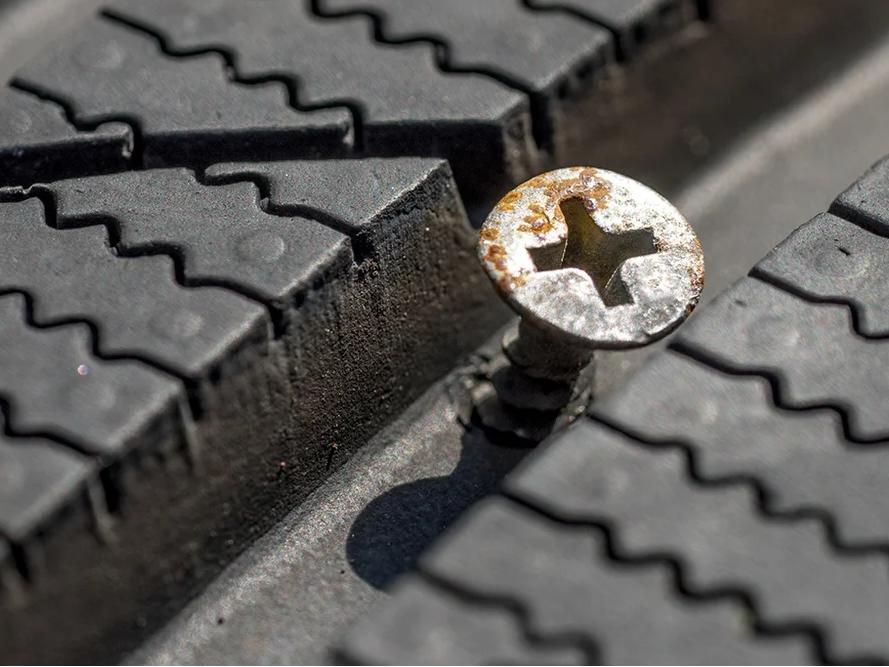
- Grasp the foreign object stuck in the tire. Pliers can hold it firmly.
- Slowly and straighten out the foreign object. This prevents the hole from getting bigger.
- Use the reamer in your kit to clean and enlarge the hole. This step helps prolong the repair’s durability.
- Slide the tire repair strip into the insertion tool. Leave a small portion of the strip sticking out.
- Push the tire repair strip into the puncture. Make sure a portion of the strip is sticking out of the tire.
- Trim off any excess strip, making it flush with the tire surface.
- Some kits include rubber glue. Apply it to the strip for a better seal.
Afterward, check the tire pressure. Inflate if necessary. This helps keep the repair secure and ensures a smooth ride.
Mistakes to Avoid
People sometimes make errors when using a kit. Here are common mistakes and how to avoid them:
- Some think a plug alone will fix everything. This can cause hidden tire damage.
- Many do not know the right way to repair a tire. Reading the kit instructions helps.
- Experts say the best repair uses both a patch and a plug for safety.
Drivers should always follow the steps in the kit. If unsure, ask a professional for advice.
Tips for Success
A few smart habits make tire repair easier:
Tip: Practice using the kit before an emergency. This builds confidence and saves time.
Tip: Always keep the kit in the car or truck. Check that all parts are there.
Tip: After a repair, drive slowly at first. Listen for strange sounds or feel for bumps.
A good kit helps drivers handle a puncture quickly. With the right steps, anyone can fix a tire and get back on the road.
Limitations and When to Seek Professional Help
When DIY Kits Aren’t Enough
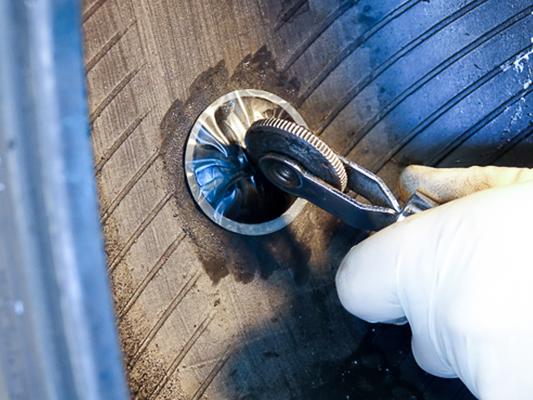
DIY tire repair kits can help many drivers handle minor tire problems, but they’re not for everyone. Some tire damage is too severe for a simple kit to fix. For example, a kit cannot repair large punctures or cuts on the sidewall. Sidewall damage weakens the tire and can lead to a blowout. If the puncture is larger than 1/4 inch (about 6 mm) or located near the tread edge, a kit won’t provide a safe repair.
Here are some signs that a kit isn’t sufficient:
- The puncture is located on or near the sidewall.
- The hole is larger than a pencil eraser.
- There is hidden damage inside the tire.
- The kit instructions explicitly state that it’s not suitable for this type of damage.
- The tire is still leaking air after repair.
In these cases, replacing the tire is the safest option. Professionals can inspect for hidden problems that a kit might have missed. They will use specialized tools to ensure the tire is safe to drive.
Safety and Cost Factors
Safety comes first with any flat tire repair. Drivers should always move to a safe spot before using a kit. They need to turn on hazard lights, park on a flat surface, and use the parking brake. If the road is busy or the area feels unsafe, calling a professional is the best move.
A kit may seem cheaper at first, but mistakes can lead to bigger costs later. If a repair does not hold, the tire could fail while driving. Professionals know how to spot problems that a kit cannot fix. They also offer warranties, which add value and peace of mind.
Here is a quick look at key safety points:
| Key Factors for Tire Repair Safety | Description |
|---|---|
| Driving on a Flat Tire | Can cause internal sidewall damage, making repair unsafe. |
| Size and Type of Puncture | Punctures larger than ¼ inch or on sidewalls cannot be repaired safely. |
| Location of Damage | Only central tread area punctures are repairable; sidewall damage is not. |
DIY kits work well for small, simple repairs. For bigger problems, or when safety is a concern, professional tire repair is the smart choice. A pro can make sure the tire is safe and help avoid future trouble.
DIY puncture repair kits help drivers fix tires quickly and get going. These kits are best for small holes in the tread. They are good for short-term fixes or for people who know how to do simple repairs.
- Safety, price, and how much you know matter most when picking a kit or going to a pro.
- Professional repairs last longer and keep tires safe on the road.
A tire fixed with only a plug is not as strong as one fixed with a patch. SUNSOUL tire patch kits are known for being high quality, easy to use, and having great customer support.
Drivers who want a good kit for emergencies often pick SUNSOUL. For big problems or to feel safe, it is best to get a professional repair.
| Vehicle Type | Tire Pressure | Kit Focus |
|---|---|---|
| Passenger Car | 30–40 PSI | Standard patches for small holes |
| Commercial Truck | 80–110 PSI | Heavy-duty, reinforced patches |
| Agricultural | 15–30 PSI | Large, durable patches |
FAQ
How long does a DIY tire repair last?
A DIY repair usually lasts until the driver can get a professional fix. Some patches hold for weeks, but plugs and sealants work best as temporary solutions.
Can anyone use a puncture repair kit?
Most people can use a kit. The instructions are simple. Drivers should read the guide and practice before an emergency.
Are DIY kits safe for highway driving?
DIY kits help with small punctures. They work for short trips. For long highway drives, a professional repair gives more safety.
What types of tires can SUNSOUL Tire Patch fix?
SUNSOUL Tire Patch works on cars, trucks, bikes, motorcycles, and farm equipment. The patch fits many tire types and sizes.
Do I need special tools for a patch kit?
Most patch kits include all needed tools. Drivers may need a tire lever or pump. SUNSOUL kits come ready for use.