
A properly installed tire patch remains bonded to the inner liner even during long-distance, high-speed driving (including in electric vehicles). However, the durability of the repair depends on various factors, such as the location of the puncture, the repair method, the condition of the tire, and whether the repair process adheres to recognized industry standards. Given that electric vehicles are generally heavier than conventional vehicles and generate higher instantaneous torque, the correct selection and installation of the patch are particularly critical.
Key Takeaways
- If a puncture falls within the repairable range and the correct repair procedure is followed, a properly installed tire patch can maintain an airtight seal during standard highway driving; these patches utilize thick rubber and reinforcement layer adhesive to ensure a secure bond.
- Periodically inspect the repaired tire for signs of air pressure loss, uneven wear, bulges, or vibration, especially after long-distance driving.
- The appropriate repair method should be selected based on the tire type and the extent of the damage. Chemical-curing patches are commonly used for standard tread punctures, whereas reinforced dual-cure patches are preferred for larger repair areas.
Tire Patch Durability: Materials and Performance Factors
Adhesive Strength and Materials
The durability of a tire repair patch depends not only on the quality of the patch itself but also on proper installation and the condition of the tire. High-quality patches feature a vulcanized rubber formulation designed to maintain excellent flexibility despite repeated thermal cycling and road-induced stress. When installed correctly, the repair material forms an airtight bond with the tire’s inner liner.
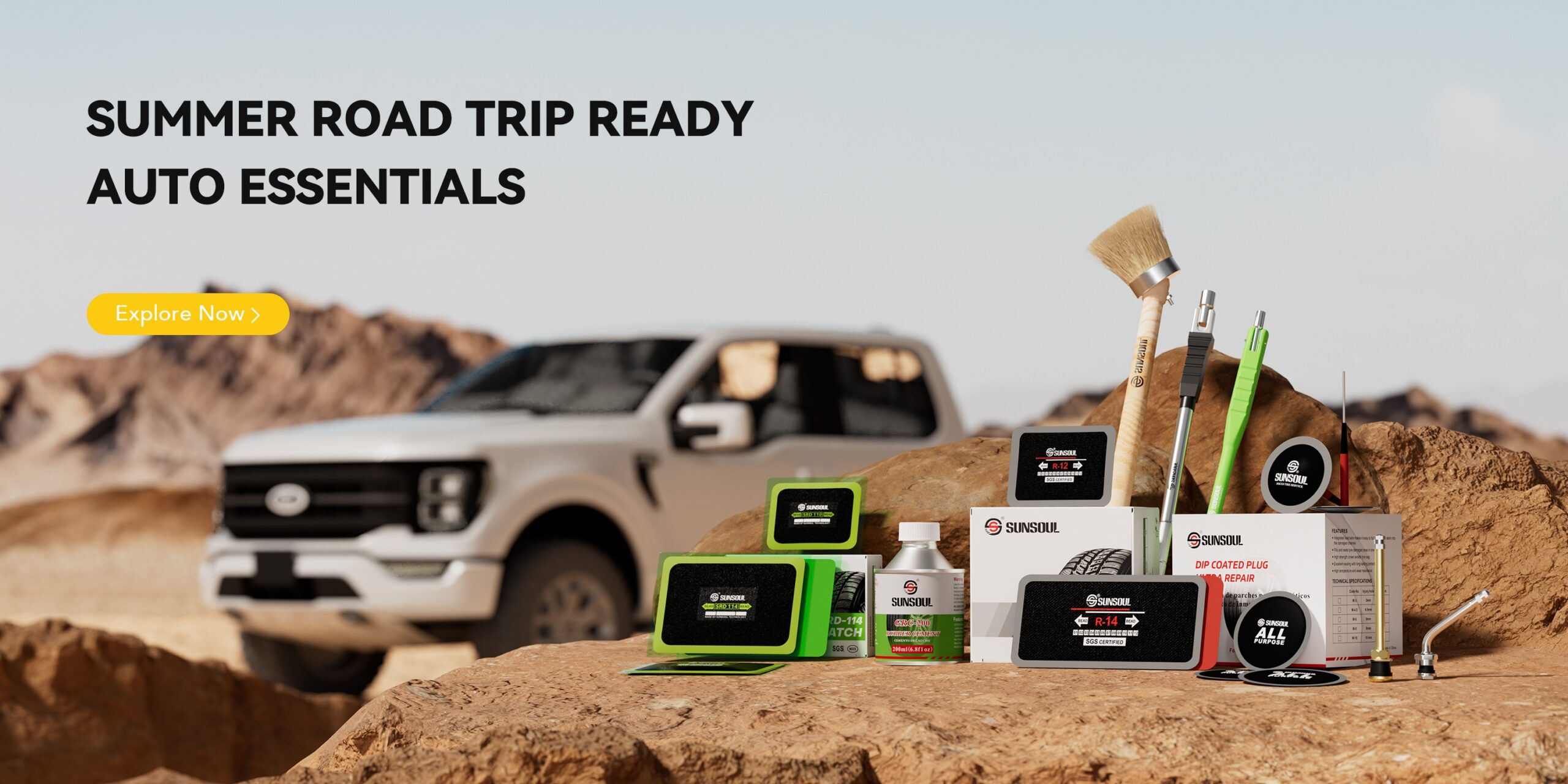
SUNSOUL offers specialized patches to meet various repair needs. Self-adhesive patches allow for quick repairs of small punctures; steel-reinforced patches handle more demanding repairs; and patches for inner tubes and heavy-duty tires offer exceptional durability. The vulcanized rubber ensures the patches are both strong and flexible, making them suitable for everyday passenger vehicles and large commercial fleets alike.
Note: A properly installed repair should maintain an airtight seal throughout normal tire service. Regular inspection remains important because tire age, impact damage, and operating conditions can affect long-term performance.
Performance at High Speeds
Generally, high-speed driving alone does not cause a properly installed tire patch to fail. Key factors affecting the durability of the repair include the quality of the repair, inflation pressure, operating temperature, tire load, and the location of the original puncture.
| Evidence Description | Key Benefit |
|---|---|
| Premium vulcanizing rubber patches make a stronger seal than regular patches. | Helps the patch last longer and stops air leaks when driving fast. |
| High-performance rubber stays flexible in tough conditions. | Lowers the chance of cracks or patch problems, so the patch works well at high speeds. |
| Advanced vulcanizing technology gives strong glue and flexibility. | Makes the patch work well for many tire repairs, which is important for fast driving. |
High-quality repair materials should be manufactured under strict, consistent quality control and be suitable for standard tire repair procedures. However, even premium materials cannot compensate for issues arising from improper repair techniques or damage that exceeds repairable limits.
Tire Patch Selection for Electric Vehicles

Per USTMA Tire Repair Guidelines and ETRTO recommendations, a tire puncture is considered repairable only when ALL of the following conditions are met: (1) the puncture is located within the tread area (crown), not in the shoulder or sidewall; (2) the injury diameter does not exceed 6 mm (1/4 inch); (3) the injury angle is no greater than 25 degrees from perpendicular; (4) no evidence of belt separation, ply damage, or run-flat degradation is present; (5) the tire has not been operated while flat or severely underinflated. Any puncture falling outside these parameters necessitates tire replacement.Tires with damage to the shoulder or sidewall should be replaced rather than repaired, as these areas undergo significant structural deformation during operation.
Repair patches using chemical-curing or dual-curing systems can address EV tire repair needs when selected and installed according to the tire manufacturer’s repair recommendations. The company provides two types of patches: chemical-curing and dual-curing. Made from high-quality materials and strong adhesives, these patches ensure a secure bond that holds firm even during high-speed driving. In accordance with standard tire repair guidelines, generally only puncture damage in the tread area is considered repairable; damage to the shoulder or sidewall should not be repaired, as these areas are subject to significant deformation stress during operation.
Chemical-curing patches utilize a special adhesive that bonds tightly to the tire and maintains excellent performance in both high and low-temperature environments. They are suitable for a wide range of vehicles, including passenger cars, trucks, tractors, and off-road vehicles. When installed correctly on a repairable tread puncture, the patch restores the tire’s airtight sealing function. The repaired tire should continue to be inspected regularly and used only when it remains within the tire manufacturer’s service recommendations.
Dual-curing patches feature an integrated reinforcing layer that provides additional strength for approved tread-area repairs with larger or more demanding punctures. They are intended for repairable tread injuries only and should not be used for sidewall or shoulder damage.
Dual-curing patches typically carry a limited warranty (e.g., 24 months from installation date). Warranty coverage generally applies only when:
- the repair was performed on a repairable tread-area puncture meeting USTMA/ETRTO criteria;
- the repair followed the complete combination repair procedure (channel fill + internal patch);
- the tire remained within its service life and tread depth limits throughout the warranty period;
- no subsequent damage (impact, underinflation, overloading) contributed to the failure. Exclusions typically include: repairs on shoulder/sidewall areas, repairs exceeding 6 mm diameter, tires with pre-existing structural damage, and repairs performed without proper inner liner preparation. Users should consult the product-specific warranty document for full terms and the claim submission process.
Depending on driving frequency, Service life varies depending on driving conditions, tire age, inflation pressure, load, and routine inspection. No repair material can guarantee a fixed service life.
Technicians note that these tire patches are easy to use. Their backing features a split design, making the application process very simple. The SUNSOUL tire patch range includes standard rubber patches, radial tire patches, and vulcanizing patches, allowing drivers and repair shops to select the most suitable option for their specific needs.
Tip: Chemical cure patches are best for normal repairs. Dual cure patches are good for bigger or harder damage.
Compatibility with Modern Tires
Due to their heavier curb weight and the high instantaneous torque delivered by electric motors, electric vehicles (EVs) place additional stress on tires. These operating conditions generate increased internal heat and deformation; consequently, proper tire repair is particularly critical for EVs compared to many conventional passenger vehicles.
Repair shops should always select repair materials that are compatible with the tire manufacturer’s recommended repair procedures and the type of tire being serviced.—a crucial choice for EVs, as this prevents heat-related damage to sensitive tire components. Repair patches designed with appropriate heat resistance and adhesion characteristics can address the elevated thermal and mechanical demands of EV tire service.
Technicians repairing EV tires require specialized training on handling high-voltage systems and selecting the appropriate repair patches. SUNSOUL provides technical product information to help distributors and repair professionals select suitable repair materials for different tire applications.
Tire repair patches are available in multiple configurations to suit different applications: standard patches for passenger and light-truck tubeless tires, reinforced patches for heavy-duty commercial tires, and specialized patches for inner tube repairs. Selection should align with tire type, injury characteristics, and manufacturer repair recommendations.These product categories support a range of modern vehicle service applications, including tubeless passenger tires, truck tires, and inner tubes.
Regardless of vehicle type, repaired tires should be inspected regularly for pressure loss, vibration, or visible damage before continued service.Even under heavy loads, the patches maintain their integrity and flexibility, providing users with peace of mind during daily vehicle operation.
Installation and Inspection
Proper Application Steps
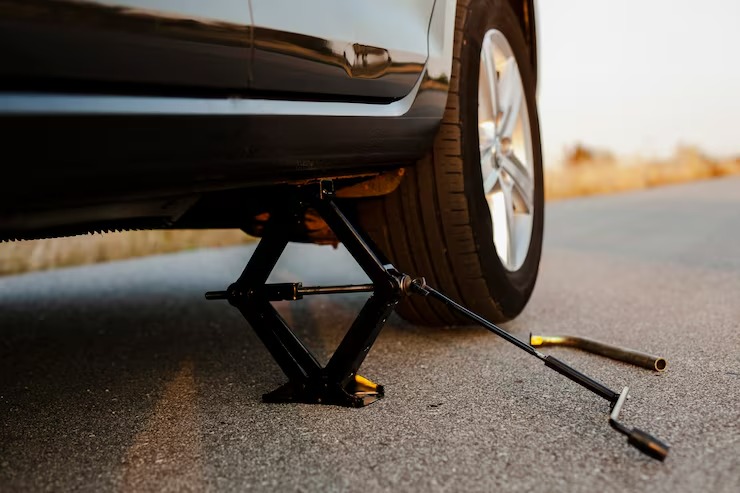
Proper installation of SUNSOUL tire patches extends the durability of the repair and ensures a secure seal. Technicians follow a straightforward process to guarantee tire safety: first, the wheel is removed, deflated, and dismounted from the rim; next, rubber adhesive is applied, and the patch is affixed to the inner surface of the tire; subsequently, the tire is remounted, inflated, and checked for leaks; finally, dynamic wheel balancing is performed to ensure even tire wear and meet the specific demands of electric vehicles (EVs).
Standard Tire Repair Procedure (Combination Repair Method):
Phase 1 — Initial Inspection
1. Mark the puncture location on the tire exterior before demounting.
2. Remove the wheel assembly, fully deflate, and demount the tire from the rim.
3. Inspect the tire interior for secondary damage, inner liner condition, and signs of run-flat operation.
Phase 2 — Injury Preparation
4. Confirm the injury is within repairable limits (tread area only, ≤6 mm diameter, ≤25° angle).
5. Remove the penetrating object. Inspect the injury channel with an illuminated probe.
6. Ream the injury channel from the inside using a low-speed carbide cutter; buff the inner liner area to RMA-recommended texture.
Phase 3 — Repair Application
7. Clean the buffed area with a vacuum and lint-free cloth.
8. Apply a thin, uniform coat of chemical vulcanizing cement; allow to dry until tacky (per cement manufacturer’s specified time).
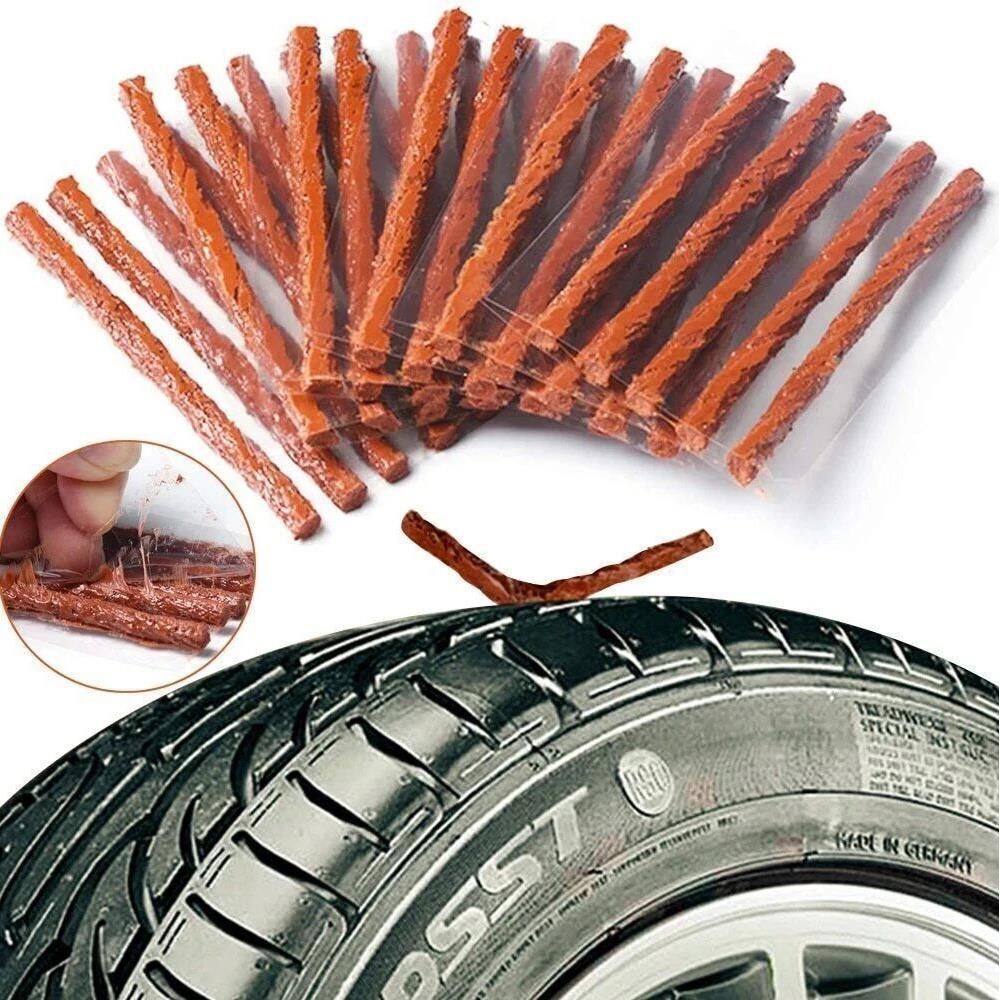
9. Insert the plug stem through the injury channel; seat firmly. Apply the patch centered over the injury; stitch from center outward with a stitcher tool.
Phase 4 — Final Checks
10. Trim excess plug stem flush with the tread surface.
11. Remount the tire, inflate to manufacturer-recommended pressure, and verify bead seating.
12. Perform a leak check (soap solution or water bath).
13. Balance the wheel assembly dynamically.
Avoiding Common Mistakes
Improper technique during the repair process can render the patch ineffective or even damage the tire. Technicians carefully clean and buff the tire’s interior to ensure a secure bond. Rushing the application of adhesive or the placement of the patch can trap air. Proper execution ensures a longer service life for the repair. Repairs should not be attempted if the puncture exceeds the size limits recommended by industry standards or if the tire has sustained structural damage.Repairs should never be carried out on tires with exposed cords, sidewall injuries, belt separation, or damage beyond the repair limits recommended by the tire manufacturer.
Tip: Always make sure the patch sticks well and check for tire damage after every repair.
Maintenance Tips for Patched EV Tires
Checking Patch Integrity
It is recommended to perform regular inspections after any tire repair, especially for vehicles that frequently travel at high speeds or carry heavy loads. Drivers should check the repair site (such as a plug or patch) for signs of damage or wear. The repair patch must maintain a secure seal to prevent air leaks and ensure driving safety. Technicians advise looking out for the following signs:
- Cracks or cuts on the sidewall
- Uneven tread wear
- Tread depth below the legal service limit
- Bulges or blisters on the sidewall
- Severe vibration while driving
If any of the above signs appear at the repair site, the integrity of the seal may be compromised. Additionally, drivers should check for air leaks after the repair. Rapid air loss at the repair site (plug or patch) may indicate damage or seal failure. Regular inspections help maintain the safety and longevity of the repair.
Tip: Drivers should inspect the tire patch every month, especially after long drives or heavy loads. This routine helps catch damage early and keeps repairs safe.
When to Seek Professional Help
Some repairs require professional attention. Drivers should seek professional help if a patch or plug shows signs of bulging or deep cuts, or if the seal fails. Safety is paramount during high-speed driving or heavy-load transport. Technicians can inspect patches, plugs, and seals for hidden damage and recommend a new repair or plug replacement as necessary.
Note: Professional inspection protects the safety and long-term value of the tire patch and tire plug. It prevents further damage and keeps repairs reliable for long-term driving.
A repair patch can provide reliable long-term service when the puncture is repairable, the correct repair materials are used, and the repair follows accepted industry practices. Regular inspection remains essential throughout the remaining service life of the tire.
Tire repair materials should conform to the performance requirements outlined in ISO 14912, which specifies test methods for adhesion strength, tensile properties, and aging resistance. Users are encouraged to verify that repair products carry relevant certifications or test reports aligned with these standards.
• SUNSOUL Tire Repair Guidelines — https://sunsoultirepatch.com/tyre-patch-the-complete-guide-to-puncture-repair/
• ISO 10454:1993 — Truck and bus tyres — Retreading and repair
• ISO 14912:2003 — Tyre repair materials — Requirements and test methods
• RMA (Rubber Manufacturers Association) Tire Repair Standards (archival)
FAQ
What is the expected service life of a properly repaired tire on an EV?
There is no universally fixed lifespan for a tire repair; the repaired tire should remain in service only as long as it meets the same safety and performance criteria as an undamaged tire. Key determinants include: the tire’s remaining tread depth and casing integrity, adherence to USTMA/ETRTO repair limits at the time of repair, correct execution of the combination repair procedure, and ongoing regular inspection (monthly and after high-speed/long-distance trips). Industry guidance holds that a properly executed repair on a repairable injury does not inherently reduce the tire’s remaining service life, provided inspections confirm continued integrity.
Are there patches designed for heavy-duty and commercial tire repairs?
Yes. Heavy-duty repair patches are engineered with thicker rubber compounds and reinforced backing layers for commercial truck, bus, and off-road (OTR) tire applications. These patches are designed for larger repairable tread injuries within the tire manufacturer’s specified limits. Selection must match the tire type (bias-ply vs. radial), casing construction, and service application. Always consult the tire manufacturer’s repair guidelines and the patch product’s technical data sheet for compatibility.
What level of skill is required for proper tire patch installation?
Tire repair is a skilled procedure requiring trained personnel. While modern patch designs with split backing and pre-sized configurations streamline the application process, successful repair depends on correct execution of each step: injury assessment, inner liner preparation (buffing to proper texture), cement application and drying time, and proper stitching. Incomplete preparation or rushed application is a leading cause of repair failure. Professional training — such as programs offered by TIA (Tire Industry Association) or equivalent — is recommended for anyone performing tire repairs.