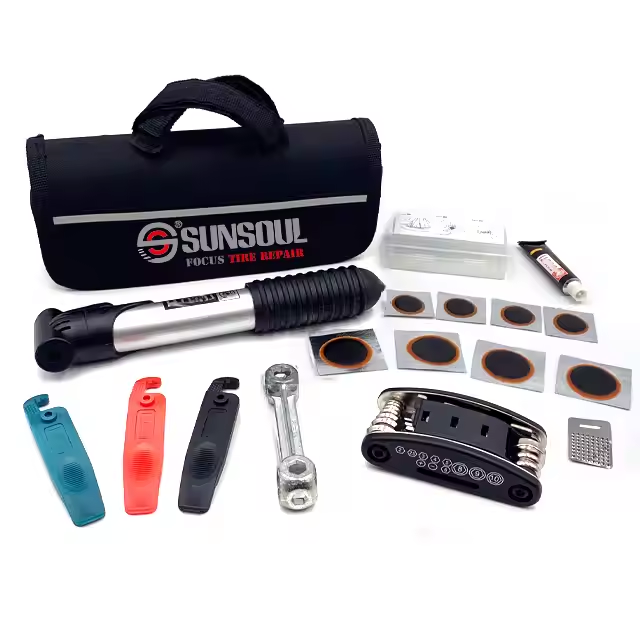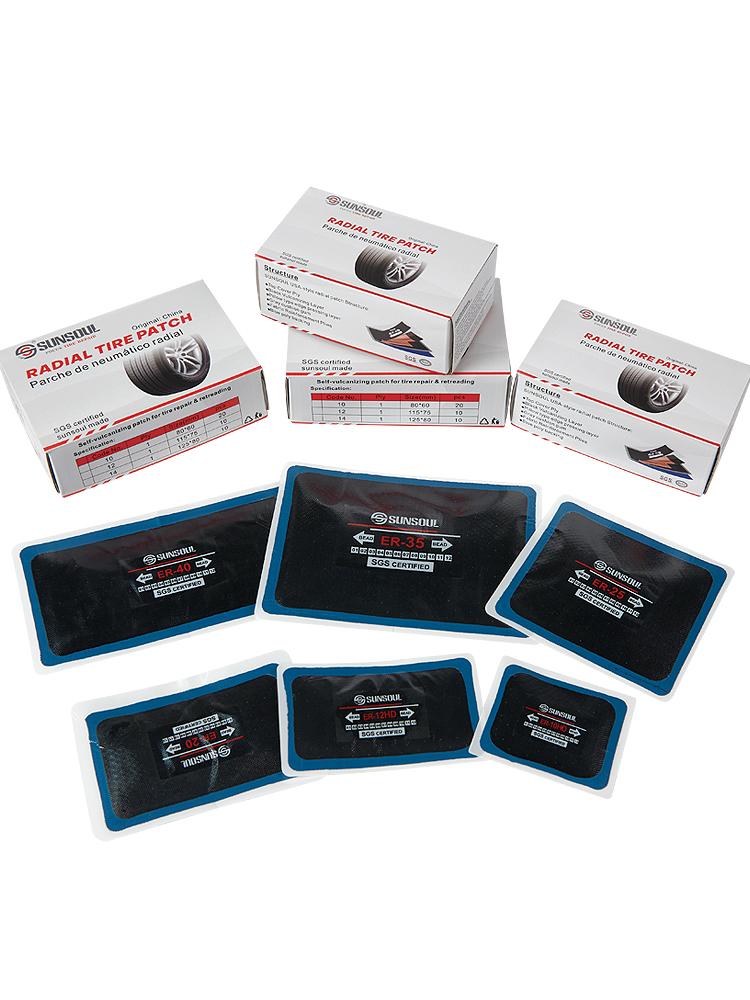


If stored properly, SUNSOUL tire patches can last for many years, ensuring a long shelf life. Store patches in a clean, dry place. Avoid excessive heat or moisture, and avoid direct sunlight. These steps help the patches perform at their best and ensure safe tire repair.
Key Takeaways
- Store SUNSOUL tire patches in a clean, dry place. The temperature should be maintained between 59°F and 77°F. This helps preserve the patches for up to five years.
- Always check the expiration date before using the patch. Inspect each patch for any damage to ensure safe tire repair.
- Keep the patch in its original packaging until needed. This prevents air, water, and dust from entering.
SUNSOUL Tire Patch Shelf Life
Official Shelf Life Period
SUNSOUL is a leading tire patch manufacturer. Their tire patches have a shelf life of five years from the date of manufacture. This applies to all types of patches, such as rubber patches, radial patches, truck patches, tubeless patches, vulcanized patches, heavy-duty patches, and inner tube patches. SUNSOUL produces over two million patches monthly and wholesales and customizes them in many countries. Each patch’s packaging is printed with the expiration date for easy reference by dealers and repair shops, ensuring it is used before the expiration date.
Note: Always look at the expiration date before using any SUNSOUL tire patch. Using patches before they expire keeps repairs safe and strong.
Shelf Life and Patch Performance
SUNSOUL tests its tire patches to determine their shelf life. They store the patches in special warehouses and observe their performance changes over time. Engineers test the adhesion, flexural strength, and vulcanization properties of the patches at different points in time. Tests show that, if stored properly, tire patches can remain effective for five years.
- Tire patches perform best when kept clean, dry, and protected from direct sunlight and high temperatures.
- Chemical vulcanized tire patches and double-vulcanized tire patches have the same shelf life.
- Good storage conditions prevent the vulcanizing adhesive from drying out or failing.
Tire patches used within their shelf life adhere firmly to the tire. This principle applies to both rubber and heavy-duty tire patches. SUNSOUL ensures that every tire patch meets high standards, including inner tube patches and truck tire patches. Repair shops and dealers receive high-performance tire patches that are less prone to problems.
| Patch Type | Shelf Life (Years) | Storage Requirement |
|---|---|---|
| Rubber Tire Patch | 5 | Clean, dry, cool place |
| Radial Tire Patch | 5 | Avoid heat and sunlight |
| Truck Tire Patch | 5 | Original packaging |
| Tubeless Tire Patch | 5 | Away from chemicals |
| Vulcanizing Tire Patch | 5 | No humidity |
| Heavy Duty Tire Patches | 5 | No oil contamination |
| Inner Tube Patches | 5 | Stable temperature |
SUNSOUL’s shelf life rules help dealers, wholesalers, and custom buyers. They get patches they can trust for every tire repair. SUNSOUL cares about quality and strength. This helps users fix tires safely and well every time.
SUNSOUL Tire Patch Storage Requirements

Temperature and Humidity
SUNSOUL recommends storing tire patches between 59°F and 77°F (15°C to 25°C). Excessive temperature will cause the vulcanized rubber to dry out, while excessively low temperature will cause the patch to harden. Humidity should be below 60%. High humidity will reduce the strength of the adhesive, thus shortening the lifespan of the patch. Maintaining a stable storage environment helps extend the lifespan of rubber tire patches, radial tire patches, and truck tire patches.
Light and Sunlight Exposure
Do not expose tire patches to direct sunlight. Ultraviolet rays will damage the material of the tire patch and shorten its lifespan. SUNSOUL recommends storing tire patches in a cool, shaded place. Artificial light sources are acceptable if they do not overheat the patch. Tubeless and vulcanized tire patches have a longer lifespan when protected from direct sunlight.
Cleaning and Contamination Prevention
A clean environment prevents dust and dirt from adhering to the tire patch. Oil, grease, and chemicals can damage the adhesive. High-strength and inner tube tire patches should not come into contact with any contaminants. A clean storage environment ensures safe use of the tire patch.
Packaging Guidelines
Please keep SUNSOUL tire patches in their original packaging until needed. The original packaging protects against air, moisture, and contaminants. Do not open the packaging prematurely. This helps extend the lifespan of the tire patch and maintain its good performance. SUNSOUL values product quality and expects proper storage of tire patches.
Risks of Improper Storage for Tire Patches
Effectiveness and Safety Risks
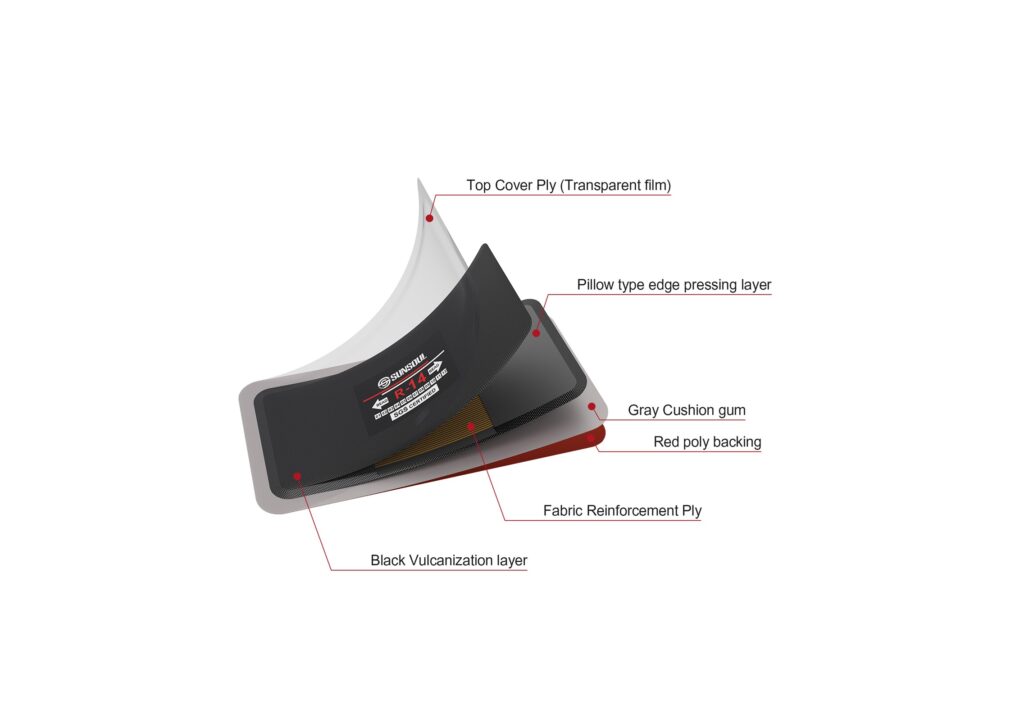
Improper storage can cause SUNSOUL tire patches to fail. If rubber or radial patches are left in high-temperature or humid environments for extended periods, the adhesive may dry out or fail, resulting in insufficient adhesion during repair. If truck patches or tubeless tire patches are exposed to sunlight, the material may decompose, reducing the patch’s reliability. Heavy-duty patches and tubeless tire patches can also be affected by contact with oil or chemicals. These risks can lead to unsafe tire repairs. Patches with insufficient adhesion may detach during driving, endangering the safety of the driver and passengers.
Tip: Always store patches in the right conditions to keep every repair safe and strong.
Signs of Expired or Damaged Patches
Users can identify expired or damaged tire patches by checking for certain signs. Check if the patch feels hard, brittle, or sticky. Vulcanized tire patches or rubber tire plugs may show cracks or discoloration. If the patch has an unusual odor or is deformed, it may not be usable. Damaged or opened packaging may also indicate that the patch is ineffective.
- Hard or brittle texture
- Cracks or discoloration
- Sticky or warped surface
- Damaged packaging
- Unusual smell
Checking patches before use helps ensure every tire repair is safe and reliable.
Best Storage Practices for SUNSOUL Tire Patches
Practical Tips for Shops and Individuals
Proper storage ensures SUNSOUL tire patches maintain their optimal performance. Shops and individuals should store rubber tire patches, radial tire patches, and truck tire patches in a cool, dry place. Use shelves or cabinets with a temperature maintained between 59°F and 77°F (15°C to 25°C). Never store tire patches near heaters, windows, or doors. Sunlight or high temperatures can damage tire patches. Tubeless tire patches and vulcanized tire patches should be kept away from chemicals, oils, and cleaning agents. Clean storage areas regularly to prevent dust and dirt buildup. Heavy-duty tire patches and inner tube tire patches should remain in their original packaging until needed. This prevents air and moisture from entering.
Tip: Airtight containers help protect patches in places with lots of humidity.
Tracking Shelf Life and Stock Rotation
Keeping track of shelf life helps SUNSOUL tire patches stay safe and strong. Shops can use a table or spreadsheet to write down expiration dates for each batch. Put new stock behind old stock on shelves. This way, older patches get used first. Mark the expiration date clearly on every box or container. Check the dates every month. Take out patches that are past their expiration date. This makes sure all repairs are safe and work well.
| Batch Number | Product Type | Expiration Date | Used (Y/N) |
|---|---|---|---|
| 202401 | Rubber Tire Patch | 2029-01 | N |
| 202402 | Truck Tire Patch | 2029-02 | Y |
SUNSOUL tire patches work well if you follow the shelf life and storage rules. Good storage makes repairs safe. People should look at production dates often. They need to use older patches before newer ones. Unopened patches can last a long time. Opened patches should be used quickly.
- Look at production dates often.
- Use older patches first.
- Keep opened patches stored the right way.
FAQ
How can someone tell if a SUNSOUL tire patch is still good to use?
Check the expiration date on the package. Inspect for cracks, discoloration, or a sticky surface. Good patches feel flexible and look clean.
Can SUNSOUL tire patches be used for all types of tires?
Yes. SUNSOUL offers rubber tire patch, radial tire patch, truck tire patch, tubeless tire patch, vulcanizing tire patch, heavy duty tire patches, and inner tube patches for many tire types.
What should someone do if a patch was stored in sunlight?
Discard the patch. Sunlight can damage the adhesive. Using a damaged patch may cause unsafe repairs.