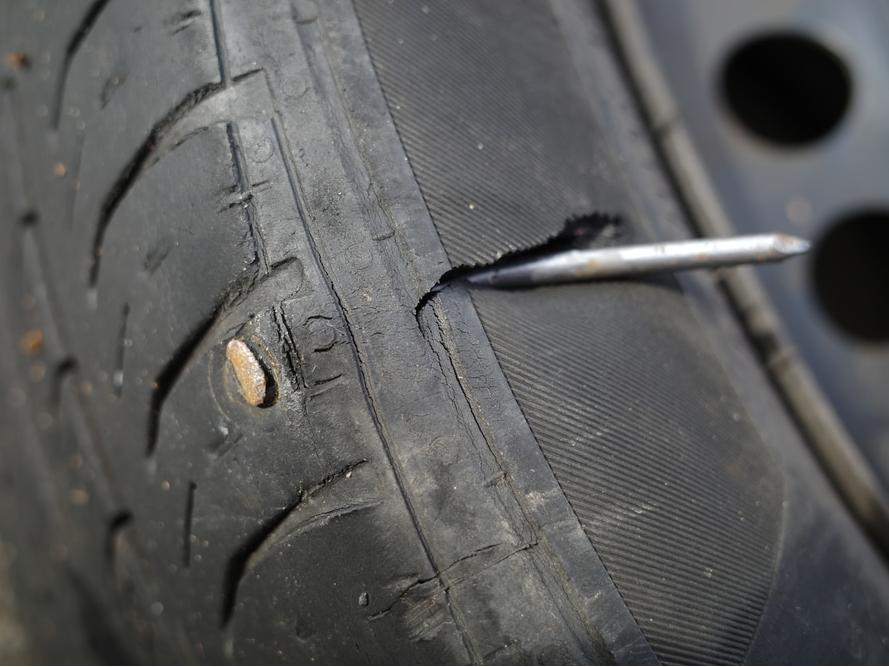

If you’ve ever repaired a punctured tire only to find it leaking again a few days later, you’re not alone.
Many people assume the repair failed because they applied the patch incorrectly. In reality, the problem often starts much earlier—with the type of tire patch they chose.
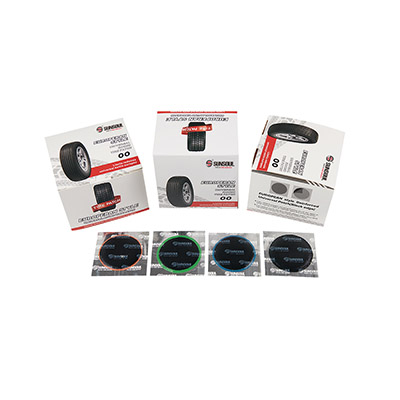
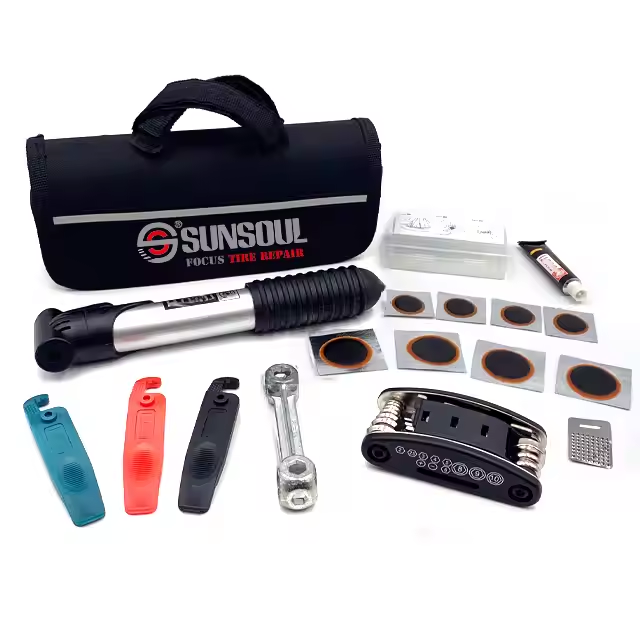
At first glance, most tire repair patches look almost identical. They are usually made from black rubber, have a similar shape, and are installed using rubber cement. However, the internal construction and curing technology can be completely different, directly affecting repair strength, durability, and long-term sealing performance.
The two most common repair options on the market are Chemical Cure Tire Patches and Dual Cure Tire Patches. Although they serve the same purpose, they are designed for different repair conditions and offer different levels of performance.
What Is a Chemical Cure Tire Patch?
A Chemical Cure Tire Patch relies on chemical vulcanization between the repair cement and the cushion gum on the back of the patch. Once properly installed on a prepared tire surface, the patch forms a strong bond without requiring additional heat.
These patches are widely used for standard passenger vehicle tire repairs and are an economical solution when the repair follows the correct procedures. Surface preparation, proper buffing, cleaning, and the correct amount of vulcanizing cement all play an important role in achieving a successful repair.
What Makes Dual Cure Tire Patches Different?
Dual Cure Tire Patches are designed with a different cushion gum compound that supports both chemical curing and heat vulcanization when required. This gives repair technicians greater flexibility for different repair environments.
Compared with traditional chemical cure patches, Dual Cure products provide stronger bonding potential during professional vulcanization repairs and are commonly used for more demanding repair applications. According to SUNSOUL’s product specifications, the primary difference lies in the cushion gum formulation: Dual Cure patches use non-vulcanized cushion gum, while Chemical Cure patches use partially vulcanized cushion gum.
For workshops handling commercial vehicles, agricultural equipment, or heavy-duty tires, selecting the appropriate repair technology can improve repair reliability and reduce the chance of repeat repairs.
Why Choosing the Right Patch Matters
A tire repair is only as reliable as the materials used.
Using an unsuitable patch may result in:
- Poor adhesion to the tire liner
- Air leakage after several days or weeks
- Reduced durability under heat and heavy loads
- Time-consuming repeat repairs
- Increased maintenance costs
High-quality repair patches are engineered to create a permanent bond with the tire through the vulcanization process, helping maintain air retention and extending the service life of the repaired tire.
Watch the Side-by-Side Comparison
Reading specifications is helpful, but seeing the difference in action makes it much easier to understand.
In this video, SUNSOUL compares Chemical Cure Tire Patches and Dual Cure Tire Patches side by side, demonstrating how each product performs during real repair applications. You’ll see why two patches that appear nearly identical can deliver very different repair results.
Whether you’re a tire repair shop, distributor, or simply someone who wants a repair that lasts, understanding these differences can help you choose the right solution the first time.
Watch the video, compare the results, and ask yourself one question:
Which type of tire patch have you been using—and is it really the best choice for your repair needs?