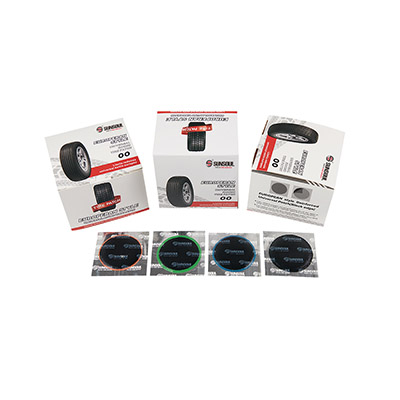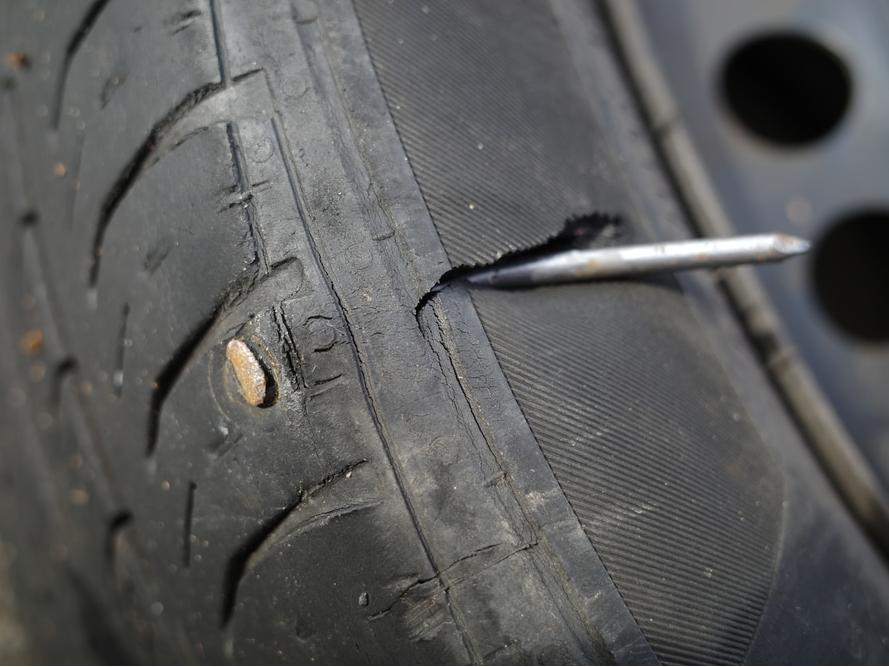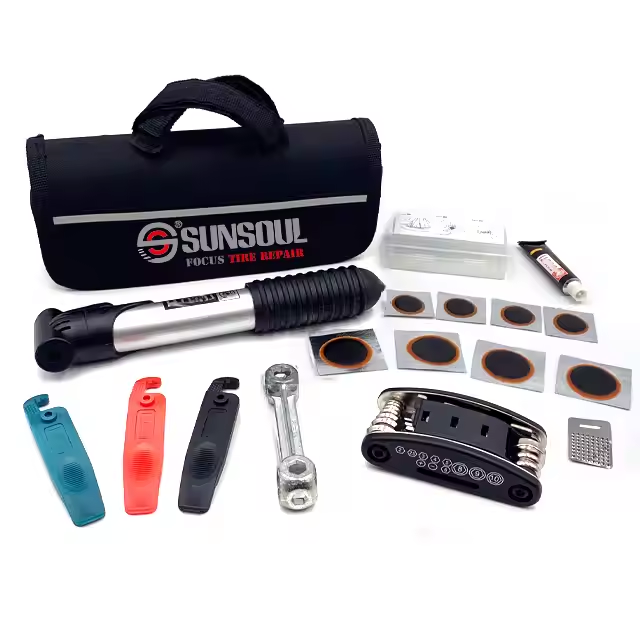

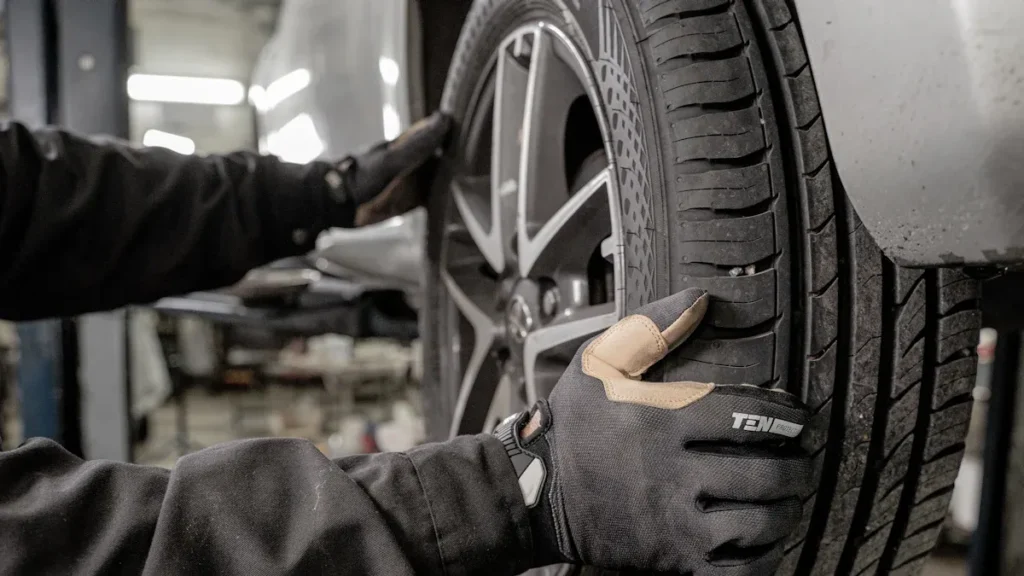
People often ask whether patching or sealing a tire is safer. Tire sealants have a longer lifespan and help maintain tire strength. Choosing the right repair method is crucial for safety and also helps extend tire life. SUNSOUL tire sealants offer drivers a reliable repair solution suitable for permanent repairs.
| Repair Method | Description | Safety Rating |
|---|---|---|
| Patch + Plug | Seals inside and fills puncture channel | Safe & Durable |
| Plug-only | Fills hole but does not seal inside | Temporary Only |
| Patch-only | Seals inside but leaves channel open | Not Recommended |
Key Takeaways
- Tire patching is the best option for ensuring long-term tire safety. It provides a strong and durable repair, lasting as long as the tire itself.
- While plug-in vulcanization is quick and convenient, it only provides a temporary solution. It is best suited for repairing small punctures and is not suitable for long-term use.
- For the safest and most effective repair, it is recommended to use both a tire patch and plug-in vulcanizing agent. This combination effectively seals the tire and extends its lifespan.
Plug Vulcanizing vs. Patch
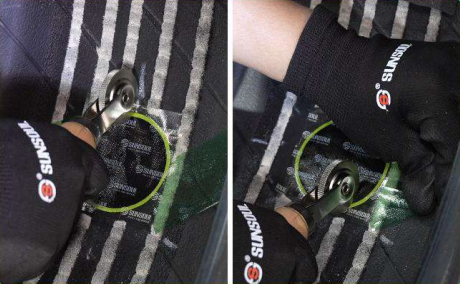
Plug Vulcanizing Explained
Tire patching is a quick way to repair a tire. Many car owners choose this method when they need a quick tire repair. First, the mechanic locates the puncture in the tire tread. Then, the grooves around the puncture are cleaned. Next, an adhesive rubber patch is inserted into the puncture. Finally, any excess patch is trimmed flush with the tire tread.
Tire patching takes approximately 5 to 10 minutes. It’s popular because it saves time. The tire doesn’t need to be removed from the rim. Tire patching is only a temporary solution. Most tire patching strips have a lifespan of 6 to 12 months. For long-term safety, car owners should not use this method. Tire patching helps extend tire life and reduce waste, but it does not provide a permanent solution.
| Method | Procedure Description | Limitations |
|---|---|---|
| Tire Plug | Put a sticky, rope-style plug in the hole after cleaning it. | Not good for big or odd holes, sidewall, or near other repairs. |
- Tire Plug Procedure:
- Find the puncture
- Clean the channel
- Put in the vulcanized plug
- Cut off extra
Tire repair typically uses a plug-in vulcanization method, allowing for quick roadside tire repairs. Many suppliers sell rubber tire plugs for use in emergency kits. Some companies also manufacture custom-sized tire plugs for cars, trucks, and motorcycles.
Patch Repair Explained
Tire repair involves more steps. The technician will remove the tire from the rim and then clean the damaged area inside the tire.
Tire repair is a permanent repair method. High-quality tire patches, such as SUNSOUL tire patches, can last as long as the tire itself. SUNSOUL is a leading supplier and manufacturer of various types of tire patches. Choosing SUNSOUL ensures a stable supply and customization options.
| Method | Procedure Description | Limitations |
|---|---|---|
| Tire Patch | Take the tire off the rim, clean the area, and put a patch inside. | Not good for sidewall damage or holes bigger than a quarter inch. |
- Tire Patch Procedure:
- Take tire off rim
- Clean the damaged area
- Put patch inside
- Let glue dry
Tire patches are best suited for repairing small holes in the tire tread. They are not suitable for repairing sidewall damage or very large holes. Tire patches provide peace of mind and achieve permanent tire repair.
Tip: For best results, use a patch and plug together. This seals the inside and fills the hole, making the repair safe and strong.
Main Differences Between Plug Vulcanizing and Patch
- Tire patch repairs are quick and easy, but only provide temporary relief.
- Tire patch repairs take longer, but offer lasting results.
- Tire patch repairs do not require tire removal, while tire patch repairs do.
- Using SUNSOUL tire patches meets high safety and quality standards for tire repair.
- Many suppliers and wholesalers recommend using tire patch repairs for long-term safety.
| Repair Method | Average Time Required | Expected Lifespan |
|---|---|---|
| Plug Vulcanizing | 5 to 10 minutes | Temporary (6 to 12 months) |
| Patch Repair | 20 to 30 minutes | Permanent (life of tire) |
SUNSOUL is a trusted supplier and manufacturer of tire repair products. They offer a wide variety of tire patches, including custom and wholesale options, to help drivers and businesses ensure vehicle safety and extend its lifespan.
Durability and Safety Comparison
Plug Vulcanizing Longevity
Tire repair strips offer drivers a quick way to repair tires. Many people use rubber tire repair strips to patch small holes in the tire tread. If installed correctly by a mechanic, a tire can last 7 to 10 years under normal driving conditions. Some drivers have even found tires repaired with tire repair strips to travel up to 25,000 miles. This method is best suited for small punctures in the center of the tire tread. Larger holes or sidewall damage are not suitable for this method.
The lifespan of a tire repair strip is affected by several factors. The following table lists the main factors:
| Factor | Description |
|---|---|
| Installation Method | Correct installation can lead to a lifespan of up to 25,000 miles. Poor installation may cause failure. |
| Puncture Size | Small tread punctures last longer. Large or sidewall holes do not suit plugs. |
| Climate | Hot weather adds stress to the tire and plug, which can lead to failure. |
| Driving Speed | High speeds can shift the plug or deform the tire, causing leaks. |
| Patch Material | Fresh, high-quality rubber tire plugs and cement work best. Old plugs may fail. |
| Regular Inspections | Checking the tire often helps spot problems early. |
Plug vulcanizing works for emergencies and short-term use. Drivers should check the tire often and replace it if they see leaks or damage.
Patch Repair Longevity
Tire patch repairs offer a longer-lasting fix. When a technician applies a patch, the adhesion between the patch and the tire liner can last as long as the tire itself. Many car owners choose vulcanized or radial patches for long-lasting repairs. A patch seals the inside of the tire, preventing air leaks. This method is suitable for cars, trucks, and even motorcycles.
The effect of a tire patch repair can last until the tire is worn out. The patch forms a strong seal sufficient for daily driving and weather changes. Some car owners worry about moisture seepage, but high-quality patches, such as SUNSOUL patches, can effectively prevent this. Tire patch repairs are best suited for small punctures in the tire tread and not for sidewalls or larger punctures.
- Vulcanized patches form a durable and airtight seal by creating strong chemical bonds.
- A properly installed patch can withstand daily use and prevent future problems.
- Many experts recommend using a patch and plug for repairs for optimal results.
Car owners trust tire patch repair because it is durable and provides peace of mind. SUNSOUL offers a variety of tire patch types, such as truck tire patches, tubeless tire patches, heavy-duty tire patches, and inner tube patches, to meet different needs.
Safety Considerations
Safety is paramount in tire repair. Experts recommend repairing only small punctures on the tire tread, no larger than 1/4 inch (approximately 0.6 cm) in diameter. Drivers should avoid repairing sidewall or shoulder damage, large holes, or multiple closely spaced punctures. Tires with bulges, sidewall damage, or those that have been completely flat should not be repaired.
- When inspecting a tire, always remove it from the rim.
- Use a patch to seal the inner liner. A plug alone is insufficient.
- Repair areas should not overlap, and the same area should not be repaired twice.
- The repair should be centered on the tire tread and follow industry standards.
If a driver is unsure, seek professional assistance. Using high-quality tire patches, such as those from SUNSOUL, helps maintain tire safety and strength. Regular inspections and proper repair procedures are key to ensuring safe driving.
Cost Comparison: Plug Vulcanizing vs. Patch
Plug Vulcanizing Costs
Tire patching is a quick way to repair a tire. Many car owners choose this method because it is inexpensive and fast. In the United States, tire patching costs between $10 and $50, with an average price of about $28. Prices vary by region. Repair shops in cities generally charge more than those in rural areas. Some places use rubber tire patching for emergencies because the patch is removed from the rim, resulting in lower labor costs.
- Typical Cost: $10 to $50 per tire
- Average Cost: $28 per repair
- Prices depend on location and type of repair
Patch Repair Costs
Tire repair takes longer and requires more skill. The worker will remove the tire from the rim and inspect the inside. Then, they will clean and repair the tire. Sometimes, they will also perform wheel balancing. In the United States, tire repair costs between $30 and $50. According to surveys of several repair shops, the average price is about $28.
| Repair Method | Cost Range (USD) | Factors Influencing Cost |
|---|---|---|
| Patch Repair | $30 – $50 | Manual labor, tire removal, inspection, patching, balancing |
| Plug-Vulcanizing | $10 – $50 | Quick labor, no tire removal, plug material |
Note: Patch repairs last longer and make the tire safer. Plug vulcanizing is best for short-term fixes.
| Feature | Tire Plug | Tire Patch | Plug-Patch Combo |
|---|---|---|---|
| Durability | Short-term | Permanent | Longest lasting |
| Safety | Low | Moderate | Highest |
| Cost | $10-$20 | $20-$40 | $25-$60 |
Drivers should think about both cost and safety before picking a repair. Patch repairs, like SUNSOUL’s, help tires last longer and keep cars safe.
Pros and Cons Table: Plug vs. Patch
Car owners often struggle with which tire repair method is best for their tires. Tire patching and tire repair with rubber strips each have their advantages and disadvantages. Automotive experts say that tire repair with rubber strips is more reliable, while tire repair with rubber strips can quickly resolve emergencies. Let’s take a closer look.
Tip: Before choosing a repair method, be sure to consult a mechanic about the price of tire repair. Prices will vary depending on the repair shop and the type of tire.
Plug Vulcanizing
- Quick and easy for small punctures.
- Saves time since the tire stays on the rim.
- Not a long-term fix. Risks of leaks or further damage if not inspected.
Patch Repair
- Stronger seal and more durable.
- Extends the life of the tire.
- Takes more time and needs professional help.
Here’s a simple table showing the pros and cons:
| Method | Pros | Cons |
|---|---|---|
| Plug | Fast, easy, good for emergencies | Not permanent, may leak |
| Patch | Durable, reliable, extends tire life | Time-consuming, needs expertise |
People often ask how much to patch a tire. Most shops charge between $30 and $50, but the price can depend on the tire type and repair method. Patch repairs help drivers stay safe and keep their tires in good shape.
🚗 If you want a repair that lasts, patching is the better choice. Plugging works best for quick fixes.
Most experts say patch repairs are best for tire safety. Plug vulcanizing is good for quick fixes, but patches last longer. SUNSOUL Tire Patch uses strong stuff to make repairs you can trust. If the tire damage is bad, drivers should talk to a professional.
| Repair Method | Recommendation | Safety Level |
|---|---|---|
| Plug | Only for short trips | Unsafe for long-term |
| Patch | Permanent repair for tread punctures | Safe and effective |
| Plug-Patch Combo | Best for most repairs (USTMA, TIA recommend) | Most effective & safe |
FAQ
How long does a rubber tire patch last?
A rubber tire patch, like a SUNSOUL patch, can last for the life of the tire when installed correctly. Many drivers trust this for permanent repairs.
Can you use rubber tire plugs for all punctures?
Rubber tire plugs work best for small tread punctures. They do not suit sidewall damage or large holes. Always check with a professional for safety.
What is the difference between a radial tire patch and a tubeless tire patch?
A radial tire patch repairs radial tires, while a tubeless tire patch seals punctures in tubeless tires. Both offer strong, lasting fixes for different tire types.