
A mushroom patch lasts longer than a regular rubber tire plug because it seals both the puncture channel and the inner liner in one piece. A regular plug only fills the hole from the outside. Industry guidance from Michelin, USTMA, and most tire manufacturers treats a plug-only repair as temporary, while a mushroom patch or combination unit is accepted as a permanent repair. The difference in service life is not marginal. It is the difference between a repair that holds for years and one that may leak within months.
Key Takeaways
- A mushroom patch seals the channel and the inner liner at the same time. A regular plug seals only the channel.
- Plug-only repairs are considered temporary by Michelin, USTMA, and most tire manufacturers.
- Mushroom patches are installed from the inside after the tire is demounted and inspected.
- SUNSOUL mushroom patch plugs cover 3 mm, 4.5 mm, 6 mm, 8 mm, 10 mm, and 12 mm injuries.
- A regular plug remains useful as a roadside emergency measure, not as a permanent fix.
- The correct choice depends on whether the repair needs to last or simply get the vehicle to a shop.
What Is a Mushroom Patch and How Does It Differ from a Regular Plug
Regular Plug (Seal String): Fast, External, Temporary
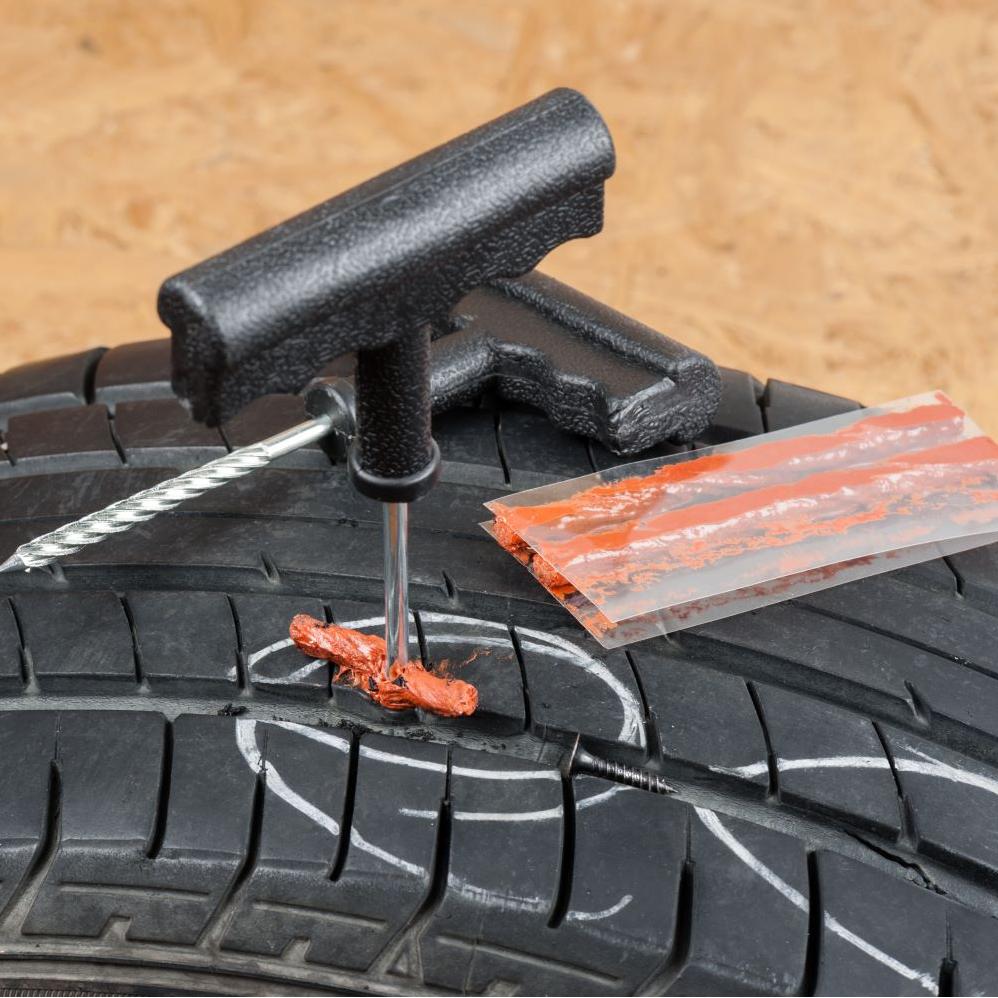
A regular plug, also called a seal string, is inserted through the puncture from the outside without removing the tire. The plug fills the injury channel and slows air loss. That makes it a practical roadside tool.
The limit is structural. A plug does not seal the inner liner. Moisture and contaminants can still reach the steel belts through the unsealed liner edge. The plug also depends on compression and friction rather than a chemical bond, so heat, flexing, and road exposure can work it loose over time. Michelin’s position is explicit: a plug-only repair inserted from outside is not considered a safe or permanent repair because it does not allow internal inspection of the casing.
Mushroom Patch: One-Piece Patch-and-Plug from the Inside
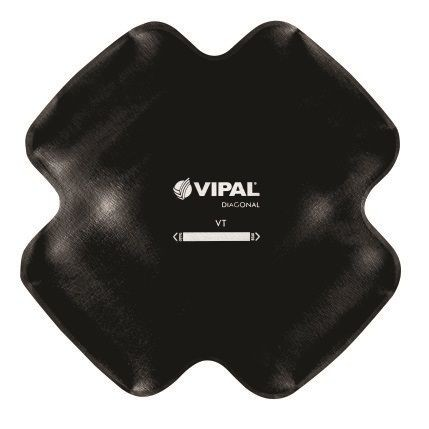
A mushroom patch is a one-piece repair unit. The “stem” fills the puncture channel. The “head” is a patch that bonds to the inner liner. When the unit is pulled through from the inside, the stem seals the channel and the patch head seals the liner simultaneously.
This two-zone seal is why a mushroom patch is classified as a permanent repair. It addresses the damage at both points: the hole itself and the liner that holds the air. The patch head is bonded with vulcanizing cement, creating a chemical cross-link with the butyl liner rather than relying on compression.
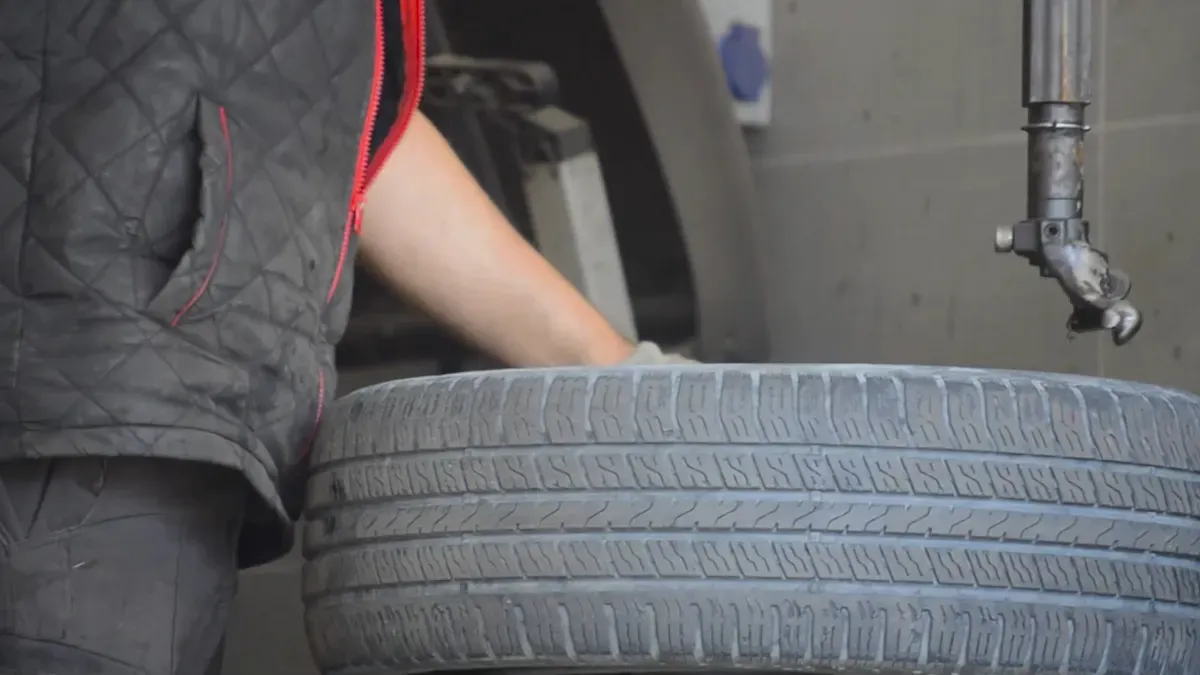
The trade-off is installation. The tire must be demounted, inspected internally, and the liner buffed before the patch is applied. That requires a tire-changing machine and shop equipment, which is why mushroom patches are a shop repair rather than a roadside fix.
Durability and Safety Comparison: Mushroom Patch vs. Plug
Why Plug-Only Repairs Leak from the Periphery Over Time
A plug seals by compression, not by chemical bond. As the tire flexes and heats up, the plug can migrate slightly within the channel. The seal at the plug-to-rubber interface weakens, and air begins to escape around the plug’s edges rather than through the plug itself. This peripheral leak is the typical failure mode of a plug-only repair, and it often develops without visible external damage.
How the Mushroom Patch Seals Both the Channel and the Inner Liner
A mushroom patch eliminates the peripheral leak path because the patch head covers the liner beyond the injury boundary. The stem fills the channel, and the head seals the liner in a single bonded unit. There is no compression-dependent interface to migrate. The vulcanizing bond creates a chemical cross-link with the liner, so the seal does not rely on friction or clamping force.
Cost, Time, and When Each Repair Makes Sense
When a Plug Is the Practical Choice
A regular plug is appropriate when the goal is emergency mobility. It is fast, requires no tire removal, and can be carried in a vehicle. It should be treated as a temporary measure and followed by a proper internal repair or replacement.
When a Mushroom Patch Is the Correct Choice
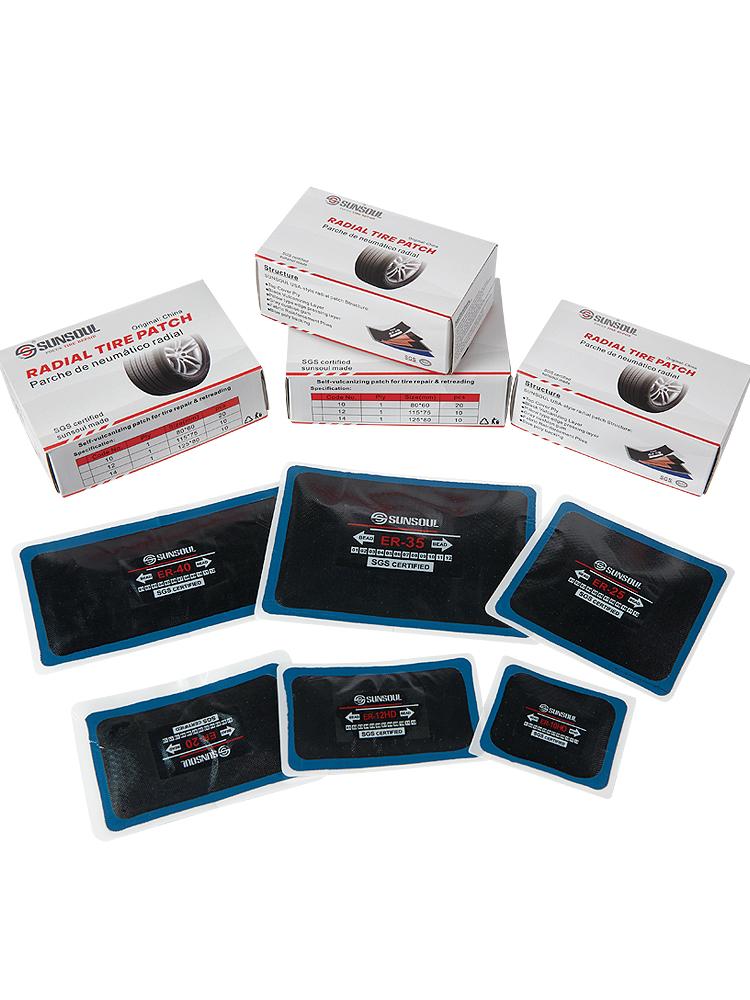
A mushroom patch is the correct choice when the tire is being repaired for continued service. It requires the injury to be in the crown area and within the size range of the patch. For passenger, SUV, light truck, and commercial tires, SUNSOUL’s Uni-Seal Ultra mushroom patch plug range covers 3 mm through 12 mm injuries, with sizes matched to the injury diameter rather than a single universal unit.
SUNSOUL Supply and Sizing for Mushroom Patch Units
For shops and distributors sourcing repair units, SUNSOUL supplies truck tire patch and heavy-duty tire patches formats alongside the mushroom plug range, so the same repair logic can be scaled from passenger to heavy commercial casings. The complete puncture repair guide covers the full installation sequence for both patch and plug methods.
FAQ
Is a mushroom patch worth the extra cost?
Yes, when the tire is intended to stay in service. A mushroom patch is a permanent repair; a plug-only repair is temporary. The higher unit cost is offset by the repair not needing to be redone.
Can a regular plug be used permanently?
No. Michelin, USTMA, and most manufacturers do not accept a plug-only repair as permanent because it does not seal the inner liner or allow internal inspection.