
A wholesale buyer evaluating a rubber tire patch catalog should check three things before placing an order: the material and bonding evidence, whether the size and type range matches the tires the shop actually services, and whether the supplier can meet the order terms without variation between batches. Price per piece matters, but it is the least reliable predictor of repair quality. A patch that fails in service costs far more than the difference between a low bid and a qualified supplier.
Key Takeaways
- Confirm natural rubber content and reinforcement layer count before comparing unit prices.
- Request bond strength test reports and batch traceability records for the specific patch model.
- Check that the catalog covers both radial and bias casings, and both tubeless and inner tube applications.
- Match patch size and ply rating to the tire categories the shop services, not to a single universal size.
- Confirm MOQ, lead time, and batch consistency across shipments before committing to a volume order.
- Verify that the supplier can support OEM/ODM, private label, and custom sizes if needed.
Wholesale Tire Patch Material and Bonding Verification

Natural Rubber Content and Reinforcement Layers
The base compound determines how the patch behaves under heat, flexing, and pressure. Natural rubber provides the elasticity needed to move with the tire casing. A patch with a high filler content may feel stiff and may not conform to the liner curvature, which creates edge lift over time.
Reinforcement layers are the second variable. A single-layer patch suits light-duty passenger repairs. Multi-layer patches with textile reinforcement distribute stress across the repair area and are required for truck and heavy-duty casings. When comparing suppliers, ask for the layer count and the reinforcement material for each patch model, not just the overall thickness.
Heavy-duty tire patches typically use multi-ply textile reinforcement, and the ply rating should be specified per model so buyers can match the patch to the casing load category rather than guessing from dimensions alone.
Bond Strength Test Reports and Batch Traceability
A patch catalog without test data is a price list, not a technical document. Buyers should request bond strength test reports for the specific patch model, not a generic certificate for the product family. The report should identify the test method, the substrate, and the result.
Batch traceability matters for the same reason. If a repair fails in the field, the buyer needs to trace the patch back to a production batch. A supplier that cannot provide batch identification cannot support a warranty claim or a root-cause investigation. Ask how batches are marked and whether the marking survives packaging and shipping.
For shops that also repair inner tubes, the same verification applies to inner tube patches. The bonding environment is different from a tubeless casing, and the test data should reflect that difference.
Tire Patch Range and Application Matching

Radial vs Bias Coverage in the Catalog
Radial and bias casings flex differently, and a patch designed for one may not perform on the other. A catalog that lists only “tire patches” without specifying radial or bias application is incomplete. Buyers should confirm that the supplier offers radial tire patch units separately from bias-compatible products, and that the size range covers the injuries the shop actually sees.
Truck, Passenger, and Inner Tube Patch Range
A single patch line rarely covers every vehicle category. Passenger tire repairs need smaller, thinner patches. Truck and commercial casings need larger units with higher ply ratings. Inner tube repairs need a different patch geometry and adhesive system.
A well-structured truck tire patch range and tubeless tire patch range should be specified separately, which allows a distributor to build a catalog that matches the vehicle mix in their market rather than stocking a single compromise size.
Vulcanizing and Self-Adhesive Options
Cold vulcanizing patches are the standard for permanent repairs. Self-adhesive patches are a convenience product for temporary or emergency use. A wholesale buyer should know which category each SKU belongs to, because the two are not interchangeable in a professional repair.
A vulcanizing tire patch range should be formulated for chemical bonding with vulcanizing fluid. The distinction should be clear in the catalog, not buried in a product description.
Wholesale Tire Patch Supplier and Order Terms
OEM/ODM Capability and Custom Packaging
Distributors and private-label brands often need custom packaging, branded inserts, or size assortments that differ from the standard catalog. A supplier without OEM/ODM capability forces the buyer to accept standard packaging, which may not fit the target market.
Ask whether the supplier can produce custom sizes, custom packaging, and private-label printing. Confirm the minimum order for each customization, because custom packaging often has a higher MOQ than standard products.
MOQ, Lead Time, and Consistency Across Shipments
MOQ and lead time are commercial terms, but they affect quality. A supplier that rushes production to meet a short lead time may skip curing or inspection steps. A supplier with a realistic lead time and a documented inspection process is the safer choice.
Consistency across shipments is the harder question. Ask how the supplier controls batch-to-batch variation in compound, thickness, and adhesion. A first order that passes inspection does not guarantee the fifth order will match it.
Supplier Manufacturing Capacity and Export Experience
Manufacturing capacity and export experience are not quality guarantees on their own, but they indicate whether a supplier can sustain volume and documentation over time. A supplier with established export channels is more likely to understand destination-market requirements, labeling, and shipping documentation.
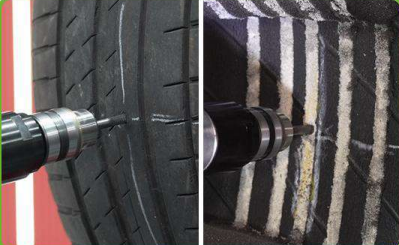
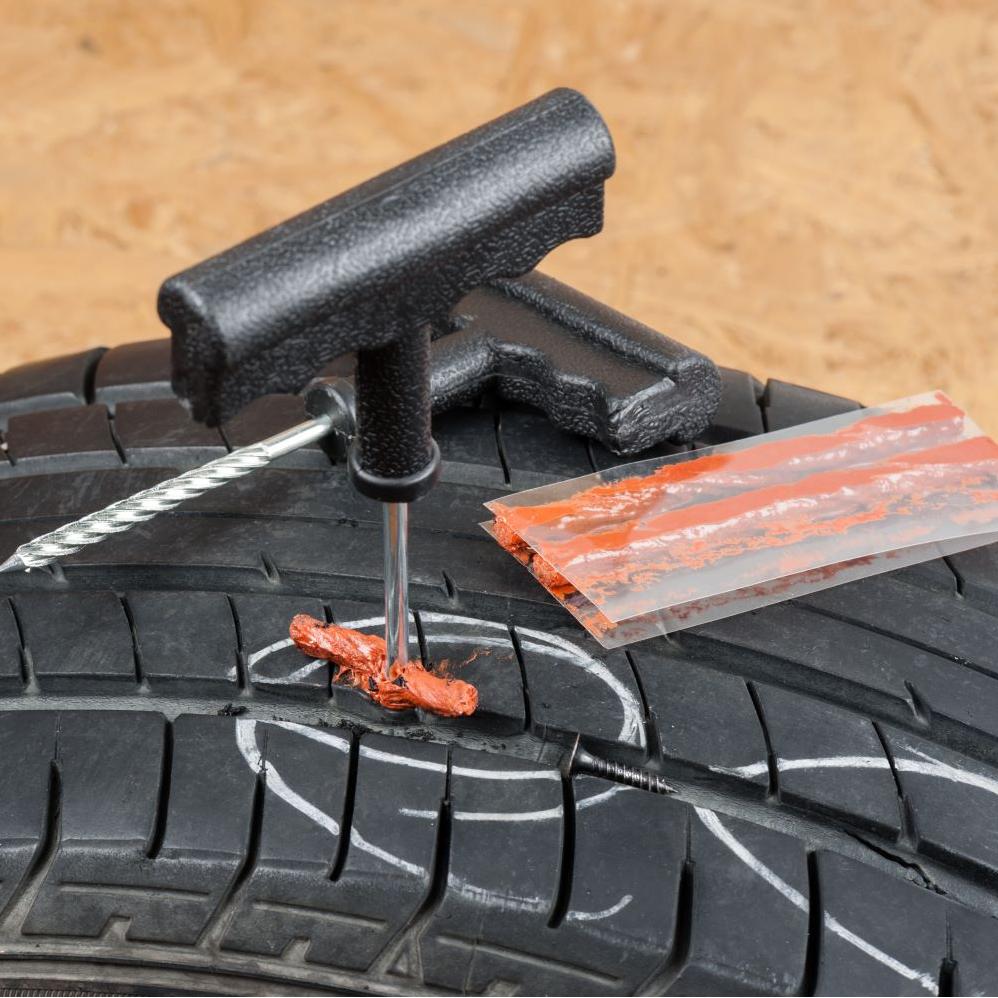
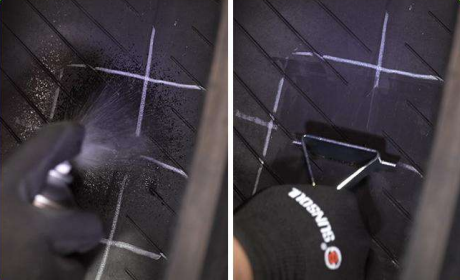
For buyers who want a reference for matching patch selection to actual repair practice, the complete puncture repair guide covers the preparation and installation sequence that the patch range is designed to support.
SUNSOUL manufactures tire patches for passenger, truck, heavy-duty, and inner tube applications, with OEM/ODM support and export experience across multiple markets.
FAQs About Wholesale Tire Patch Procurement
What documents should a tire patch supplier provide?
Ask for bond strength test reports for the specific patch model, batch traceability records, material composition data, and any relevant market certifications. A supplier that provides only a generic certificate is not providing enough information for a professional buyer.
How do I verify batch consistency before a bulk order?
Request samples from at least two production batches and compare thickness, flexibility, and adhesion under the same conditions. If the supplier cannot provide batch-specific samples, that is a warning sign.
Does SUNSOUL offer private-label and custom-size patches?
Yes. SUNSOUL supports OEM/ODM projects, including private-label packaging and custom patch sizes. MOQ and lead time depend on the specific customization and should be confirmed with the technical sales team before ordering.