
Choosing a reliable tire repair patch supplier directly impacts workshop efficiency, repair consistency, and long-term customer satisfaction. Whether you purchase passenger car patches, truck repair patches, or tubeless repair patches, selecting the right manufacturer requires evaluating product quality, repair technology, production capability, and supply reliability.
In 2026, the tire repair patch market continues to expand as automotive maintenance demand increases worldwide. Professional workshops, distributors, and fleet service providers are paying closer attention to not only patch performance but also supplier stability, certification standards, and customization capabilities.
This review evaluates five established and emerging tire repair patch manufacturers based on manufacturing history, repair technology, product range, quality management, and suitability for different B2B purchasing needs. From century-old industry companies to specialized manufacturers, each supplier represents a different position within the global tire repair supply chain.
The Industry Pillars — Established Leaders
Before comparing individual manufacturers, several factors should be considered when evaluating a professional tire repair patch supplier:
- Repair technology: Different curing systems influence bonding performance and application methods.
- Product coverage: A complete product portfolio helps suppliers serve different vehicle categories.
- Manufacturing consistency: Stable production processes are essential for wholesale buyers.
- Supply capability: MOQ flexibility, delivery time, and customization options directly affect purchasing decisions.
The following manufacturers have established their reputation through years of industry experience and technical development.
TECH — The American Pioneer (Est. 1939)
TECH, headquartered in the United States, has been manufacturing tire repair materials for more than eight decades. The company is widely recognized for its Dual Cure technology, a vulcanization process that combines chemical bonding with heat activation to improve repair reliability in demanding applications.
TECH provides a broad product portfolio covering passenger vehicle repair units, commercial truck repair systems, and off-the-road (OTR) tire repair solutions. Its long operating history and extensive technical resources make it a familiar choice for workshops that prioritize established industry recognition.
For B2B buyers, TECH represents a supplier option with strong brand credibility and global distribution experience. However, purchasing decisions should also consider factors such as regional availability, pricing structure, and minimum order requirements, especially for distributors managing different market segments.
REMA TIP TOP — German Engineering Excellence (Est. 1923)
Germany’s REMA TIP TOP has built more than a century of experience in tire repair and industrial solutions. The company is known for its Chemical Cure repair system, which uses specialized compounds to create bonding performance without requiring additional heat activation.
REMA TIP TOP supplies repair solutions for various applications, from bicycle inner tubes to commercial and mining-grade OTR tires. Its products are associated with European manufacturing standards and are widely used in professional repair environments.
For international distributors and workshops seeking premium tire repair solutions, REMA TIP TOP provides strong technical reputation and product reliability. However, buyers should evaluate whether its pricing level, distribution model, and order requirements match their target market positioning.
MARUNI — Japan’s Century-Old Precision (Est. 1914)
MARUNI, founded in 1914, is one of Japan’s longest-established tire repair material manufacturers. The company has developed a reputation for manufacturing consistency and focuses on repair solutions for various tire applications, including bias-ply and radial tire systems.
Similar to other traditional manufacturers, MARUNI emphasizes quality control throughout production. Its product range includes tubeless repair solutions and professional tire repair materials used across Asian and international markets.
For buyers who value Japanese manufacturing standards and long-term supplier relationships, MARUNI remains an established option. However, wholesale customers should also compare factors such as regional supply availability, customization options, and overall sourcing efficiency.
Proven Performers — Regional Giants with Global Reach
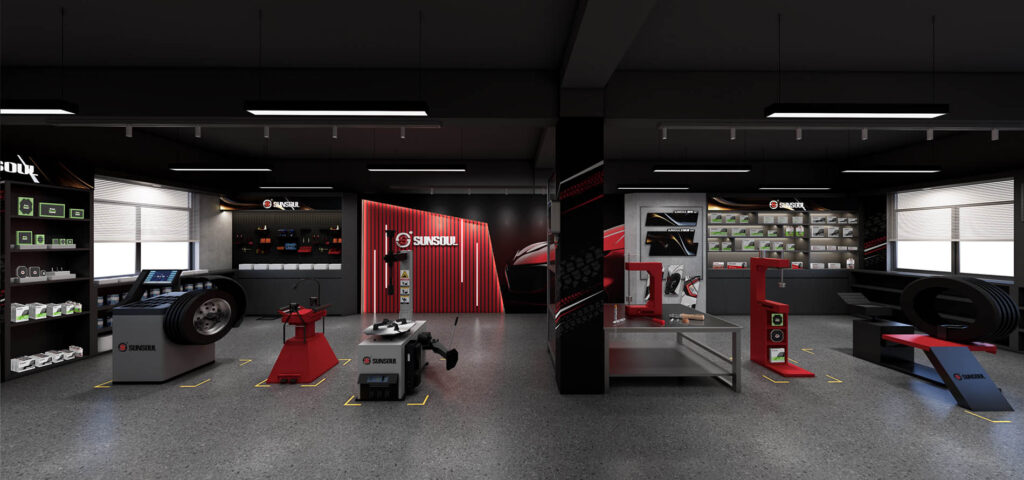
While traditional manufacturers have built strong reputations through decades of industry experience, several regional suppliers have also developed competitive manufacturing capabilities and global distribution networks. These companies often provide different advantages in terms of production flexibility, customization support, and regional market service.
SUNSOUL — China’s Professional Tire Repair Specialist (Est. 2013)
SUNSOUL (Ningbo Sunsoul Auto Accessories Co., Ltd.) is a specialized tire repair patch manufacturer based in Ningbo, China. The company focuses on supplying tire repair products for international distributors, workshops, and automotive aftermarket businesses.
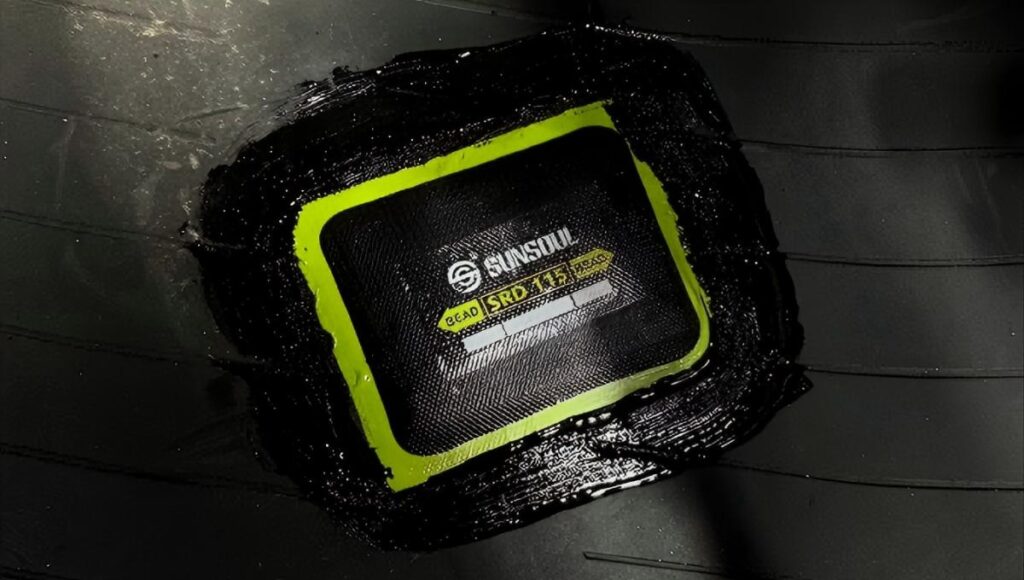
Its product portfolio includes car repair patches, truck repair patches, tubeless repair patches, and inner tube repair patches, covering multiple applications within the tire maintenance industry. With dedicated manufacturing facilities and export experience, SUNSOUL supports customers requiring consistent production capacity and customized supply solutions.
For wholesale buyers, supplier evaluation should consider not only product quality but also manufacturing stability, quality management systems, packaging requirements, and order flexibility. SUNSOUL provides OEM and customized packaging options for distributors and brands that need product adaptation for different markets.
Compared with traditional tire repair material companies with longer histories, specialized manufacturers such as SUNSOUL often focus on flexible cooperation models, shorter communication processes, and customized service capabilities. These factors can be important considerations for businesses looking for a long-term manufacturing partner.
VIPAL — South America’s Tire Repair Authority (Est. 1973)
Brazil-based VIPAL has developed significant experience in tire repair materials and retreading solutions over several decades. The company serves professional repair markets through a combination of tire repair products, retreading materials, and related maintenance solutions.
VIPAL is recognized for its Dual Cure repair technology and strong presence in Latin American markets. Its integrated product range allows fleet maintenance providers and tire service companies to source multiple repair-related products from a single supplier.
For B2B buyers targeting South American markets, VIPAL offers strong regional knowledge and established distribution capabilities. However, international purchasers should evaluate supplier suitability based on target region, logistics requirements, product range, and commercial terms.
Choosing the Right Patch for Your Workshop in 2026
The five manufacturers discussed above represent different strengths within the global tire repair patch market. TECH, REMA TIP TOP, and MARUNI demonstrate the advantages of long-term industry experience, technical development, and established brand recognition. VIPAL provides regional manufacturing strength and integrated tire service solutions. SUNSOUL represents a newer generation of specialized manufacturers focusing on production flexibility, customization, and international B2B supply.
For workshops, distributors, and automotive suppliers, selecting the right tire repair patch manufacturer should go beyond brand recognition alone. A reliable supplier evaluation process should include several key factors:
1. Evaluate Tire Repair Technology Compatibility
Different repair systems, including Chemical Cure and Dual Cure technologies, may suit different repair workflows and application requirements. Buyers should understand how each supplier’s products match their operational needs before placing large-volume orders.
2. Review Manufacturing Capability and Quality Control
Consistent product performance depends on stable raw material selection, production control, and inspection procedures. Professional buyers should request technical documents, quality certifications, and sample testing before establishing long-term cooperation.
3. Consider Supply Flexibility and Customization Support
For distributors and private-label businesses, factors such as MOQ requirements, packaging customization, delivery schedules, and communication efficiency can significantly influence supplier selection.
Choosing a tire repair patch supplier in 2026 requires balancing technical performance, manufacturing reliability, and commercial flexibility. Requesting samples, reviewing certifications, and comparing supplier capabilities remain effective ways for buyers to identify the right manufacturing partner for their market.
Frequently Asked Questions About Tire Repair Patch Suppliers
What should buyers consider when choosing a tire repair patch manufacturer?
B2B buyers should evaluate product quality, repair technology, production capacity, certifications, customization options, and supply reliability. A suitable manufacturer should provide stable products that match the requirements of workshops, distributors, or automotive service networks.
What is the difference between Chemical Cure and Dual Cure tire patches?
Chemical Cure patches rely on chemical bonding compounds to create adhesion, while Dual Cure systems combine chemical bonding with heat activation. The suitable option depends on repair applications, equipment availability, and workshop processes.
Can tire repair patch manufacturers provide custom packaging?
Many professional tire repair patch manufacturers offer customized packaging solutions for distributors and private-label customers. Buyers should confirm MOQ requirements, packaging specifications, and production capabilities before cooperation.
How can buyers verify tire repair patch quality before bulk purchasing?
Before placing large orders, buyers can request samples, review manufacturing certifications, check product specifications, and evaluate supplier experience in similar markets.