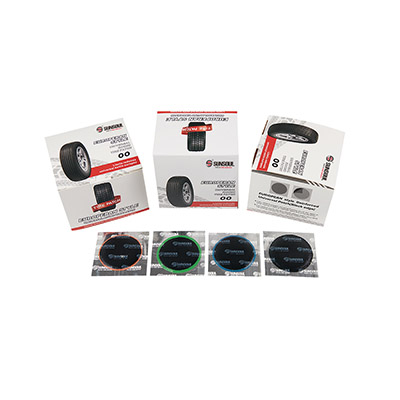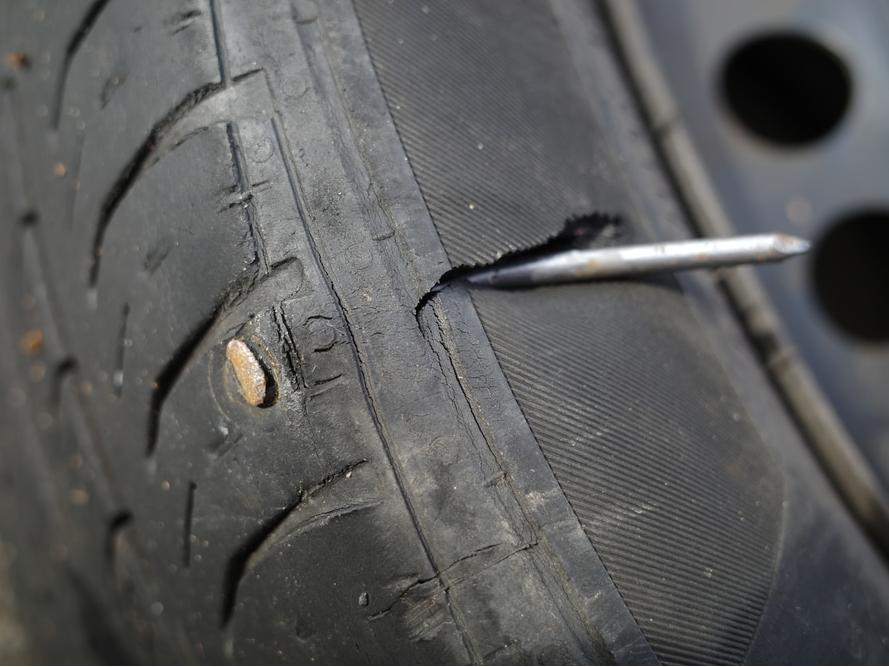


Yes, a truck tire patch can typically be used to repair minor damage located in an appropriate area of a truck tire. Safety is always the primary consideration; therefore, selecting high-quality tire repair patches is crucial. Repairing tires not only saves money but also contributes to environmental protection by extending the lifespan of the tires. For instance, the cost of repairing a single tire usually ranges from $10 to $50, whereas the cost of replacing it with a new one could be as high as $200 or more.
Choosing the right repair solution ensures driver safety while simultaneously helping fleet operators save on operating costs.
Key Takeaways
- You can patch a truck tire if the damage is small and on the tread. This can help you save money and make less trash.
- Pick the right patch for the damage. Use plug patches for tiny holes. Use vulcanizing patches for bigger damage. Cold patches are good for fast repairs.
- Always look at how big and where the damage is. Only fix holes that are less than 1/4 inch and on the tread.
- Ask a professional if the damage is big or on the sidewall. Safety is the most important thing when fixing tires.
- Patching instead of getting a new tire helps the planet. It uses fewer materials and keeps tires out of dumps.
When to Patch a Truck Tire
Patchable Damage Types
Truck drivers often wonder: exactly what types of damage are actually repairable? In most cases, punctures located within the tread area—as well as minor surface damage—are excellent candidates for repair. Such damage is typically caused by nails or other sharp objects penetrating the tire. Additionally, cracks or slow leaks can be repaired provided the damage is minor and does not extend into the tire’s sidewall.
SUNSOUL brand truck tire repair patches are highly effective at addressing all of the aforementioned issues. Whether dealing with tread punctures, cracks, or air leaks, it handles them with ease. Many truck owners and fleet managers place their trust in this brand precisely because its repair patches are highly durable, maintaining excellent performance even under harsh operating conditions. Users particularly appreciate the simple installation process and the patches’ exceptional adhesion to the tire surface.
To address various types of damage, a wide range of repair patches is available on the market:
- Plug Patches:Best suited for repairing puncture holes in the tread area of radial tires.
- Vulcanizing Patches:Ideal for repairing larger areas of damage on bias-ply tires.
- Cold Patches:Provide a quick and convenient solution for repairing minor punctures.
- Inner Tube Patches:Perfectly suited for older truck models that still utilize inner tubes.
Tip: Always check the type of damage before choosing a patch. Not every problem can be fixed with a patch.
Safe Patching Conditions
Not every truck tire can get patched safely. Industry standards set clear rules for what counts as a safe repair. The damage must be in the tread area, not too close to the sidewall, and not too big. Here is a quick look at the main rules:
| Criteria | Specification |
|---|---|
| Maximum size for repairable | No larger than 1/4 inch deep |
| Placement for patch bonds | Only valid for the tread area |
| Distance from prior repairs | 1 inch |
| Distance from sidewalls | 2 inches |
High-quality tire repairs typically involve the combined use of two materials: a “plug” and a “patch.” This method seals the puncture from both the interior and exterior of the tire simultaneously, resulting in a more durable and long-lasting repair. SUNSOUL brand truck tire repair patches are capable of repairing punctures up to 6 mm in width—sufficient to address the most common types of puncture damage found in the tread area of semi-truck tires. This line of repair patches is manufactured using natural rubber, endowing them with exceptional strength and wear resistance. Furthermore, the products comply with RoHS environmental standards, ensuring they are harmless to the environment.
Repairing truck tires is not merely a means of saving money; it is also a contribution to the global environment. Compared to manufacturing brand-new tires, tire retreading and repair processes significantly reduce the consumption of raw materials and energy. For instance:
- Retreaded tires require only about one-third of the raw materials needed to manufacture new tires.
- The tire retreading process effectively prevents used tires from being sent directly to landfills.
- The energy required to manufacture a retreaded tire is 30% less than that required for a new tire.
- Retreading a single tire consumes only 7 gallons of oil, whereas manufacturing a new tire consumes 22 gallons.
Choosing to repair truck tires means generating less waste while simultaneously reducing one’s carbon footprint. For fleet managers, prioritizing repair over immediate replacement with new tires not only helps protect the environment but also serves as an effective means of controlling operational costs.
When Not to Patch a Truck Tire

Unrepairable Damage
You cannot fix every tire problem with a patch. Some damage makes a tire unsafe, even after repair. Drivers and fleet managers must know when a tire cannot be saved. The table below shows which problems cannot be patched:
| Type of Damage | Repairability | Notes |
|---|---|---|
| Deep gashes or tears in sidewall | Irreparable | The sidewall flexes and can fail suddenly. |
| Bubbles or bulges | Irreparable | Shows the tire is weak inside; needs replacement. |
| Shoulder area damage | Marginal | Some repairs possible, but not safe for long-term use. |
| Sidewall punctures or cuts | Not recommended | Sidewall flexes a lot; repairs do not hold safely. |
| Tread cuts with exposed cords | Irreparable | Visible cords mean the structure is damaged. |
| Bulges, bubbles, or deformities | Irreparable | These show internal failure and need immediate replacement. |
You should never try to fix sidewall damage. The sidewall helps support the tire and bends every time the truck moves. Any hole, bulge, or rip in this area means the tire must be replaced right away. If a tire has a cut that shows the cords or has bulges, it cannot be fixed safely. More than one puncture close together also makes a tire unsafe for patching.
Tip: If a tire was driven while flat, it might have hidden damage inside. It is safer to get a new tire.
Safety and Manufacturer Guidelines
Tire manufacturers and safety experts have established clear guidelines for tire repair, designed to ensure driver safety on the road. The following are the key principles they adhere to:
- Do not attempt a repair if the damaged area exceeds 1/4 inch.
- If the puncture or cut is located near the sidewall, do not repair the tire; it must be replaced.
- If the tire exhibits uneven wear, bulging, or is more than six years old, it must be replaced.
- If the tread depth is 2/32 inches or less, the tire is considered severely worn and should not be repaired.
| Criteria for Repair/Replacement | Details |
|---|---|
| Size of Puncture | Most punctures 1/4 inch or smaller in the tread area can be repaired. |
| Location of Damage | Only punctures in the central tread area are repairable. |
| Condition of Tire | If driven flat or with exposed cords, the tire must be replaced. |
Manufacturers also recommend that repaired steering tires (front tires) should not be reinstalled on the vehicle’s steering axle. They are better utilized as spare tires, or installed on trailer axles or drive axles. This rule helps prevent accidents in the event that a repair fails.
Note: Always follow the rules from the tire maker and safety experts. They know what keeps a truck tire safe and working well.
If a tire sustains a large puncture, sidewall damage, or shows any signs of severe structural failure, it must be replaced immediately. Strictly following the rules outlined above not only helps fleets avoid vehicle breakdowns but also ensures the safety of everyone on the road.
Truck Tire Patch Process
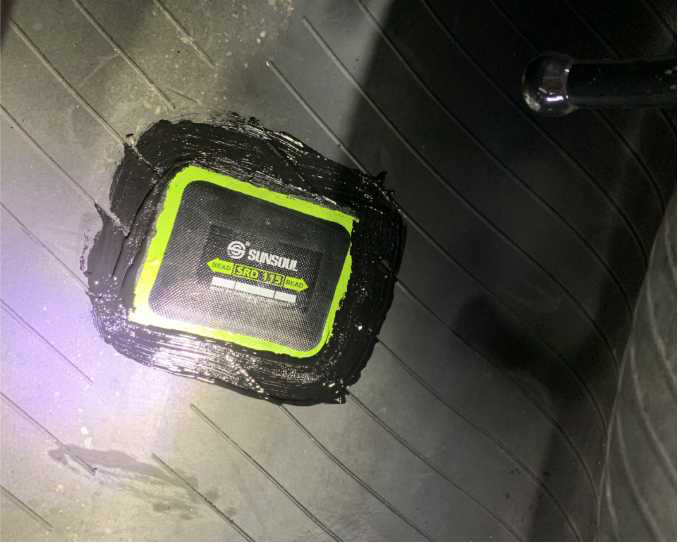
Repair Steps
Patching a truck tire takes careful work and the right tools. Here’s a simple step-by-step guide:
- Find a Safe Spot: Move the truck to a flat, stable area. Set the handbrake and use wheel chocks.
- Gather Tools: Get a tire repair kit, patches, rubber cement, a jack, lug wrench, gloves, and a tire gauge.
- Inspect the Tire: Look for nails, cuts, or other damage. Make sure the damage is in the tread, not the sidewall.
- Remove the Tire: Loosen the lug nuts, jack up the truck, and take off the tire.
- Clean the Area: Wash the tire with soap and water. Dry it well. Use sandpaper to roughen the spot around the puncture.
- Mark the Spot: Use chalk or a marker to outline the damaged area.
- Apply Rubber Cement: Spread cement over the area. Wait until it feels tacky.
- Place the Patch: Peel the backing off the patch. Press it over the hole, starting from the center.
- Roll the Patch: Use a rolling tool to press the patch down. This helps it stick better.
- Check the Repair: Make sure the patch covers the hole and sticks well. Inflate the tire and check for leaks.
Tip: SUNSOUL heavy-duty patch kits work well for big trucks and tough jobs. They handle high heat and heavy loads.
Professional vs. DIY
Some drivers patch their own tires, but others call a pro. Here’s a quick look at the differences:
| Aspect | DIY Patching | Professional Repair |
|---|---|---|
| Cost | Cheaper | More expensive |
| Safety | Higher risk | Safer, more reliable |
| Longevity | Good if done right | Often lasts longer |
| Tools Needed | Basic repair kit | Advanced tools and machines |
| When to Choose | Small tread punctures | Big damage or sidewall issues |
People should call a professional if the damage is large, if they feel unsure, or if safety is a concern. Professionals use special tools and follow strict rules. SUNSOUL’s patch kits are made for tough conditions, like mining or heavy hauling. These kits use strong materials and work on many tire sizes.
Note: If the damage is near the sidewall or bigger than 6mm, always ask an expert. Safety comes first with any truck tire repair.
Alternatives to Patching Truck Tire
When a truck tire sustains damage, patching is not the only option available. Drivers and fleet managers can also consider using tire plugs, completely replacing the tire, or utilizing other rapid repair solutions. Each method has its own advantages and disadvantages; the specific choice depends on the type of damage, the budget, and the required longevity of the repair.
Plugging
Plugging is a quick method for repairing small punctures, particularly suitable for emergency situations where getting back on the road as soon as possible is critical. A plug is inserted directly into the puncture hole from the outside of the tire to seal it; however, this type of repair is often not a permanent solution. The following table compares plugging with traditional patching:
| Method | Effectiveness | Safety |
|---|---|---|
| Patching | More durable, secure fix; ideal for larger punctures | Decreases chances of blowout; thorough inspection possible |
| Plugging | Quick and cost-effective; suitable for minor punctures | Prone to loosening; potential safety risks if installed improperly |
Plugging has some limits:
- It does not meet DOT standards for truck tire repairs.
- The tire stays on the wheel, so no one checks the inside for hidden damage.
- Plugs can let in moisture, which may cause rust or tire separation.
- Legal problems can happen if a plug fails and causes an accident.
As a temporary, emergency solution for small punctures, plugging can be adequate. However, for a durable, long-lasting repair, patching—or a combined “plug-and-patch” method—is a safer and more reliable choice.
Tire Replacement
Sometimes, a tire is too damaged to fix. In these cases, replacing the tire is the safest choice. Replacement costs more but gives peace of mind and a fresh start.
| Service Type | Average Cost |
|---|---|
| Tire Patching | $20 – $50 |
| Full Tire Replacement | $100 or more |
A new tire lasts the longest. A well-installed patch can last for years, but a new tire offers the full lifespan and best safety.
Other Repair Options
Besides plugging and patching, a few other repair methods exist:
| Repair Method | Description |
|---|---|
| Tire Plugs | A piece of rubber or leather pushed into the hole from outside. |
| Tire Patches | A flat patch glued inside the tire to cover the damage. |
| Tire Plug-Patch Combination | A plug and patch used together for a strong, permanent repair. |
Some drivers use tire sealants or just refill air as a quick fix, but these are only for emergencies.
Tip: For the best results, a patch-plug combo gives a permanent repair. It seals the hole from both sides and keeps the tire safe for the rest of its life.
Choosing the right repair depends on the damage, cost, and how long the tire needs to last. A patch or patch-plug combo is usually the best choice for safety and value.
Truck tire patching works well when the damage is small and in the right spot. Safety matters most, so drivers should always check the type and size of the damage. Here are key safety checks:
| Safety Check | Why It Matters |
|---|---|
| Location of puncture | Sidewall or shoulder damage means replacement. |
| Size of puncture | Over 1/4 inch is not safe to repair. |
| Tire condition | Old or worn tires need replacement, not repair. |
People should follow repair steps and consult a professional for the best results. SUNSOUL truck tire patches help fleets save money, protect the environment, and keep trucks rolling safely for years.
FAQ
Can a truck tire repair patch last as long as a new tire?
If installed correctly, a high-quality repair patch (such as those from SUNSOUL) can last for the entire remaining lifespan of the tire. Such patches are suitable only for repairing small puncture damages on the tread area; if the damaged area is large or located on the sidewall, the tire must be replaced with a new one.
Is it safe to drive on a repaired truck tire?
Yes, provided that the repair patch is used to cover a small puncture hole in the tread area. Drivers should avoid mounting repaired tires on the steering axle. SUNSOUL’s repair patches meet safety standards for heavy-duty operating conditions.
How can I determine if a truck tire can be repaired?
Please inspect the location and size of the damage. If the puncture is located in the tread area and is less than 1/4 inch in diameter, it can be repaired; however, if the damage is located on the sidewall or the puncture is large, the tire must be replaced.
What tools are required to repair a truck tire?
| Tool | Purpose |
|---|---|
| Patch kit | Repairs the puncture |
| Rubber cement | Bonds the patch |
| Rolling tool | Secures the patch |
| Tire gauge | Checks air pressure |