

Drivers often deal with a flat tire on busy highways during regular delivery trips. Mechanics can safely fix a basic semi tire, but workers must limit this fix to tread damage. A quick outer plug works only as a temporary emergency fix on the road. Federal safety rules require a full inside seal for safe, long-term driving. Skilled workers always combine an inner patch with a stem piece during correct tire fixes. Trucking managers avoid bad repair habits because a sudden tire blowout costs between $2,500 and $10,000 each time. Proper repair steps protect big commercial trucks from dangerous wheel accidents.
Key Takeaways
- Use outside plugs only for fast roadside emergencies.
- Mix an inside patch with a plug stem for lasting repairs.
- Change tires right away if the side of the tire gets damaged.
- Check truck tires every day to prevent risky highway blowouts.
Legality and Safety of Semi-Truck Tire Repair
Federal laws protect big truck drivers on busy highway roads. Drivers must follow strict safety steps whenever they repair a damaged semi tire.
DOT Standards for Plugging a Commercial Tire
The Department of Transportation sets tough rules for trucking businesses. Section 49 CFR §393.75 states front tires need at least 4/32 inches of tread depth. All other truck tires require 2/32 inches of tread depth inside the main grooves. Highway inspectors lock up unsafe trucks until workers replace bad tires. Mechanics must finish correct repairs before a semi can drive away.
The FMCSA checked almost 142,000 bad truck crashes that caused serious hurt or death. Officials found that tire blowouts directly caused 8,000 of these dangerous accidents.
Safe fixes keep shipping routes running smoothly without costly delays. Trucking businesses frequently call emergency roadside crews to solve flat tire problems. A simple outside plug breaks official federal highway safety rules. Mechanics must fix a semi-truck tire completely from the inside out.
Puncture size: The hole must measure 1/4 inch (6 mm) or less inside the safe tread area. This rule keeps the patch strong and safe for driving.
Tread Punctures versus Sidewall Damage
Damage location decides if a mechanic can safely fix a semi tire. Workers only repair holes found inside the center 70 percent of the tread. Thick rubber layers support internal patches against heavy weight and air pressure.
The sidewall lacks strong steel belts and snaps under heavy bending stress.
A damaged sidewall creates massive safety hazards for a moving semi-truck. Side rubber bends constantly under the weight of heavy cargo loads. Dangerous heat quickly builds up inside weakened rubber walls. This pressure causes dangerous tire blowouts on fast highways.
Drivers must buy a new tire whenever sidewall damage happens. External plugs cannot hold bending side rubber together during long trips. A correct semi-truck tire repair brings strength back to the thick tread area. Mechanics check internal steel belts before approving any patch job. Techs never send a damaged semi-truck back out without testing.
Essential Tools for Semi-Truck Tire Maintenance
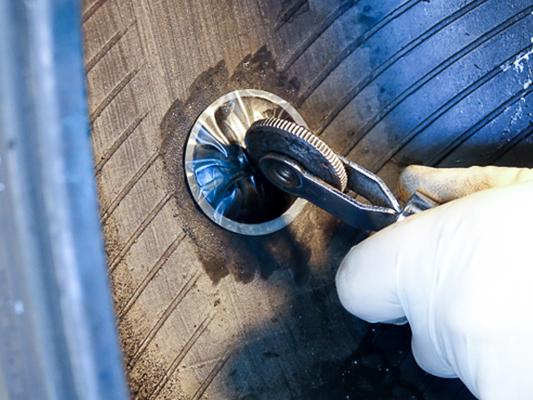
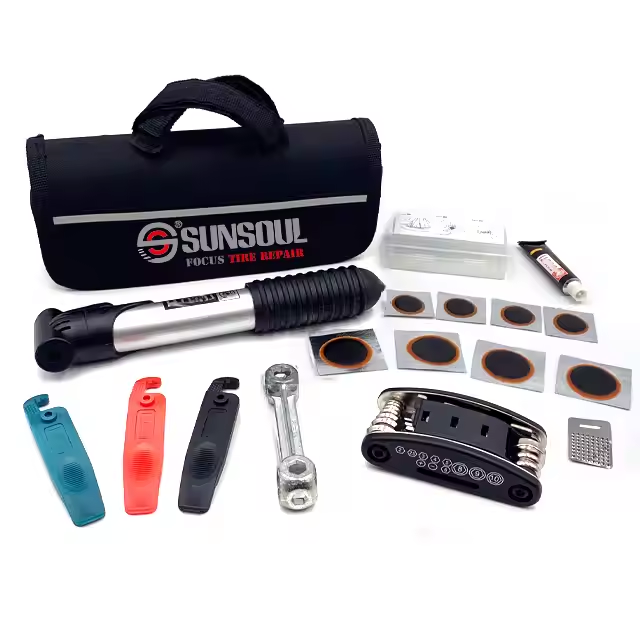
Proper semi-truck tire maintenance requires specialized tools to fix flat tread damage on heavy vehicles. Technicians use heavy-duty vise grips to pull sharp nails or screws out of tough tread blocks without tearing rubber. A commercial tire repair kit has metal T-handle tools to clear puncture holes quickly and smoothly.
The puncture should be reamed out to create a clean hole for the plug, which is a key step in a proper combination repair as recommended by NHTSA.
Using a tire plug repair kit helps road crews seal punctures temporarily on highways. Safe semi-truck tire maintenance always requires taking the tire off the wheel to seal it from the inside.
Key Equipment for Tread Repair
Technicians rely on shop equipment to perform complete commercial wheel fixes. A bead breaker safely pops the tire off the rim. Mechanics clean inner liners using a buffing machine with a carbide cutter. A stitching roller pushes out air pockets under every tubeless tire patch.
Commercial shops maintain essential tools for servicing heavy vehicles:
- Heavy-duty T-handle reamers to clean out puncture holes cleanly
- Buffing tools to scrape away inner rubber liner coatings
- Stitching rollers to press down rubber tire plugs and patches
Selecting Heavy-Duty Patches
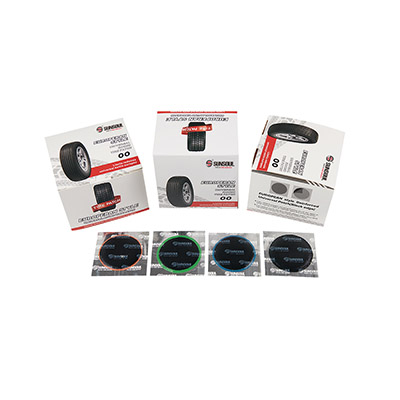
Choosing the correct internal patch restores original strength to commercial tires. SUNSOUL manufactures heavy duty tire patches for trucks and farm equipment. Mechanics pick specific patch designs based on tire frame construction:
| Characteristic | Radial Patch | Bias Patch |
|---|---|---|
| Core Design | Bends naturally with flexing sidewall movement | Replaces crisscross structural plies |
| Edge Design | Thin, feathered edges | Thicker, robust edges |
SUNSOUL makes every vulcanizing tire patch with cold-vulcanization bonding tech. This chemical bond works reliably in extreme temperatures from -40°C to 120°C. Fleet managers trust SUNSOUL as a wholesale supplier for custom rubber tire patch orders, inner tube patches, and radial tire patch products. Each truck tire patch unit seals punctures safely against high air pressure.
Step-by-Step Guide to Plug a Semi-Truck Tire
Technicians follow precise shop procedures when fixing commercial wheel assemblies. Proper maintenance prevents sudden air loss on highways.
Removing Debris and Preparing the Puncture
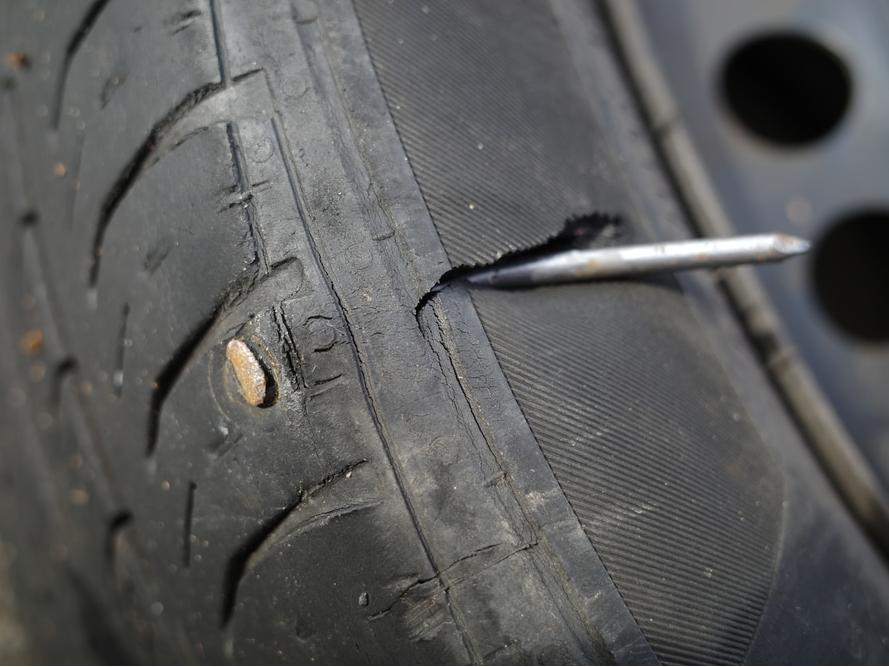
Roadside mechanics first find embedded objects inside tread grooves. Techs clamp heavy-duty vise grips firmly onto nails or steel screws. They pull foreign objects straight out without twisting.
The TRT 105 Inspection Tool enables precise measurement of the injury’s size and angle while minimizing the risk of enlarging the puncture.
Mechanics evaluate carcass damage immediately after object removal. Techs use a heavy-duty T-handle reamer to clean the open channel. They push the tool through the tread path several times. This action smooths rough steel belt edges inside the hole. Next, technicians prepare the repair strip. They thread the repair strip halfway through the insertion needle eye. Techs push the tool into the prepared puncture channel. They leave roughly a half-inch of material protruding past the outer tread surface. This temporary plug seals air quickly during a roadside emergency. However, this quick step only serves drivers dealing with a flat condition until full servicing occurs.
Inserting the Plug and Sealing the Liner
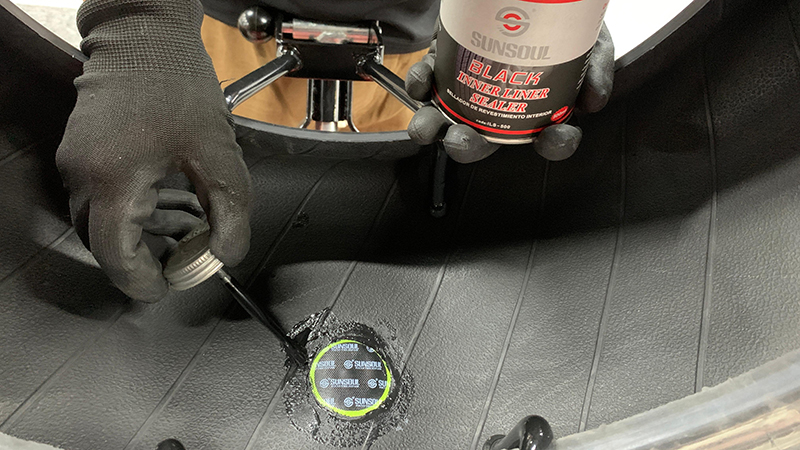
Permanent maintenance requires full wheel dismounting in a shop. Qualified mechanics must perform the repair from the inside of the tire casing. Dismounting allows thorough inspection of internal plies and rubber liners. Techs buff the inner liner around the puncture hole using a low-speed buffer. They clean away rubber dust using specialized cleaning solvents. Next, technicians apply cold-vulcanization cement over the buffed area.
The patch-plug combination system offers clear safety benefits:
- Patch-plug combination units simultaneously seal the inner liner and fill the injury channel through the carcass.
- The patch component spans the inner liner across the injury, while the plug fills the bore to prevent moisture from migrating into the carcass.
- Using a patch alone leaves a pathway for water intrusion that degrades the carcass steel over time, leading to corrosion and eventual tread separation.
Industry regulations strictly govern commercial wheel fixes:
- Dismounting the tire from the wheel assembly allows thorough inspection of both the inside and outside of the tire.
- Mechanics evaluate puncture size, angle, and internal cord damage only after wheel removal.
- The Tire Industry Association (TIA), U.S. Tire Manufacturers Association (USTMA), and National Highway Traffic Safety Administration (NHTSA) mandate the plug and patch system as the only safe semi-truck tire repair.
Mechanics select specialized commercial products for different casing structures. SUNSOUL acts as a trusted global supplier and manufacturer of custom wholesale fleet supplies. Techs install a SUNSOUL radial tire patch or bias unit over the prepared inner liner. They roll a stitching tool across the heavy duty tire patches to remove trapped air bubbles. SUNSOUL engineered each tubeless tire patch and rubber tire patch to create airtight chemical bonds. These vulcanizing tire patch products flex naturally with moving tread rubber. Fleet shops also stock SUNSOUL rubber tire plugs and inner tube patches for various equipment needs. Completing these essential steps for a complete semi-truck tire repair protects every semi-truck on busy shipping routes. Fleet owners maintain strict standards by servicing each commercial casing correctly. This commitment ensures safe freight hauling on a heavy semi vehicle.
Mechanics only fix tread holes that measure one-fourth of an inch or smaller. A complete fix uses an inside patch together with a rubber stem plug. Tough SUNSOUL patches keep big delivery trucks safe on long highway runs. Good rubber parts stop bad blowouts and lower waiting time.
Checking tires before and after every run helps drivers find small issues before they cause sudden breakdowns.
Truck managers follow basic rules to make sure every rig passes road safety checks. Daily visual checks spot stuck rocks and nails fast. Weekly pressure checks find slow air leaks early. Regular care protects workers while keeping highway shipping lines moving safely.
FAQ
Can drivers use an external plug as a permanent fix?
No, drivers cannot use an external plug for a permanent repair. Federal safety rules require an inside patch and stem piece. Trained mechanics check the inside of every truck tire in the shop before finishing a job.
When should fleet managers call for roadside help?
Managers call emergency service crews when a big truck gets a hole in its tread on the highway. Roadside workers put in quick temporary plugs. This lets the truck travel safely to a repair shop.
Which punctures can mechanics repair safely?
Mechanics only fix holes found in the middle 70 percent of the tread area. These holes must measure one-quarter inch or smaller. SUNSOUL builds strong patches that bring back tire strength quickly.