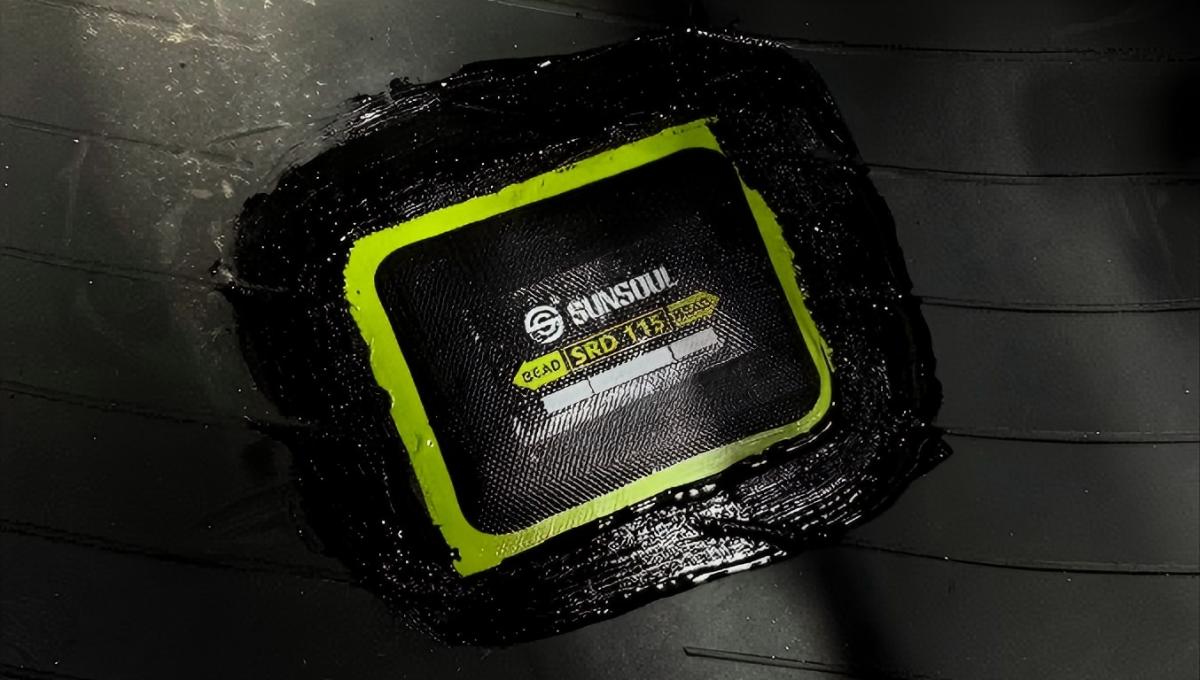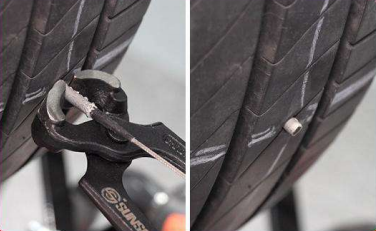

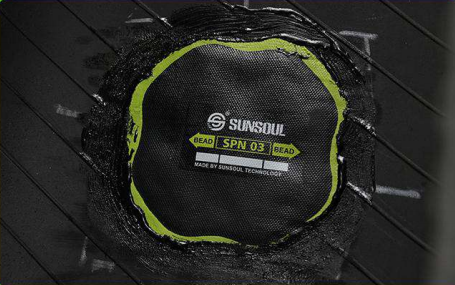
A rubber tire patch usually fails due to poor surface preparation, trapped air, expired glue, or applying the patch over structural damage that exceeds safe repair limits. Even professional repairs can fail prematurely if standard procedures are skipped. Understanding the root causes of patch failure is essential for shops and fleet operators who want to prevent repeat damage and ensure driver safety.
Key Takeaways
- Preparation is everything: Dirt, mold-release agents, or skin oils prevent the patch from bonding chemically.
- Pressure and heat require perfect contact: Trapped air under the patch creates stress points that cause the edges to lift.
- Know the limits: Sidewall damage, punctures over 6 mm, and structural belt damage cannot be fixed with a standard patch.
Preparation and Application Errors That Cause Tire Patch Failure
Poor Surface Preparation and Contamination
The most common reason a patch fails is poor surface preparation. The inner liner of the tire must be thoroughly buffed to expose fresh, textured rubber. If mold-release agents, dirt, or old sealants remain on the liner, the cement cannot grip. Furthermore, touching the pre-treated, sticky side of the patch with bare fingers or dirty tools transfers oils that ruin the adhesive properties.
Trapped Air and Improper Stitching
Air pockets left trapped under the patch act as stress concentrators. If a technician fails to roll or stitch the patch down firmly from the center outward, air remains trapped. As the tire heats up and flexes during driving, these air pockets expand, causing the edges of the patch to lift over time. A proper stitching tool is mandatory for a permanent seal.
Using Stale Glue or Skipping Curing Time
The chemical bond relies entirely on the vulcanizing fluid. Applying a patch while the fluid is still wet traps solvents underneath, preventing adhesion. Conversely, using stale or expired glue weakens the bond completely. Technicians must allow the chemical vulcanizing fluid to dry until it is tacky and dull before applying the patch.
Structural and Location Issues in Tire Patch Repair

Repairing the Sidewall or Shoulder
Patches placed on the tire sidewall or shoulder will inevitably fail. These areas experience constant flexing, high heat, and heavy lateral forces during cornering. A patch is designed to sit flat on the rigid crown of the tire. When applied to a flexing sidewall, the patch is physically peeled away from the liner under normal driving conditions. Sidewall repairs are an absolute industry taboo.
Oversized Injuries and Belt Damage
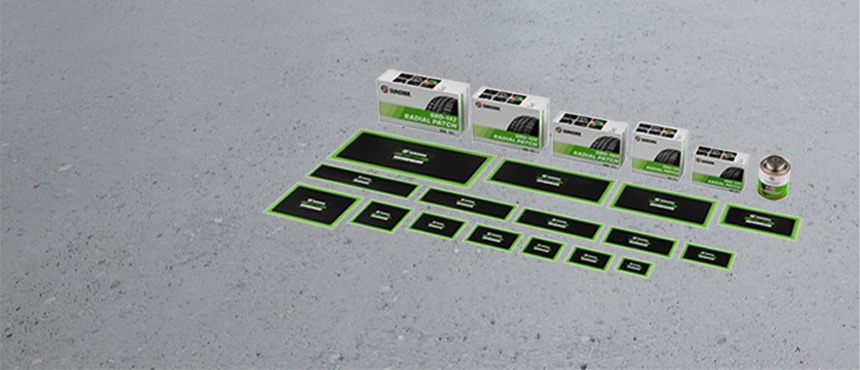
A standard patch cannot restore the structural integrity of the tire. Punctures larger than 6 mm (1/4 inch), or injuries that compromise the internal steel belts, cannot be safely repaired with a standard patch alone. For commercial vehicles, using an undersized truck tire patch on a massive injury will simply blow out under high pressure. Structural damage requires a section repair or tire replacement.
Relying on a Standalone Plug
Using an exterior string plug by itself—without an inner patch—is a temporary fix, not a permanent repair. A standalone rubber tire plugs fills the hole but does not seal the inner liner. Moisture and air seep into the tire’s inner carcass, degrading the steel belts from the inside out. Eventually, this leads to belt separation and catastrophic failure. A proper repair requires a patch-plug combination.
FAQ
Why did my tire patch peel off after one week?
Early failure is usually a preparation error. The most likely causes are that the inner liner was not buffed enough, the vulcanizing fluid was applied too thick and didn’t dry, or the technician touched the patch adhesive with their fingers.
Can I use a patch without vulcanizing fluid?
No. A standard cold patch requires vulcanizing fluid to create a chemical cross-link with the tire’s butyl liner. Without the fluid, the patch is just a piece of rubber sitting on top of the liner, relying on weak surface tension that will fail under heat and pressure.
Does the angle of the injury affect patch failure?
Yes. A straight puncture (under 25 degrees) allows the patch to sit flat. If the injury is severely angled, the repair channel is irregular, and the patch may not seal properly against the inner liner. Angled injuries often require specialized two-piece stem-and-patch repairs.