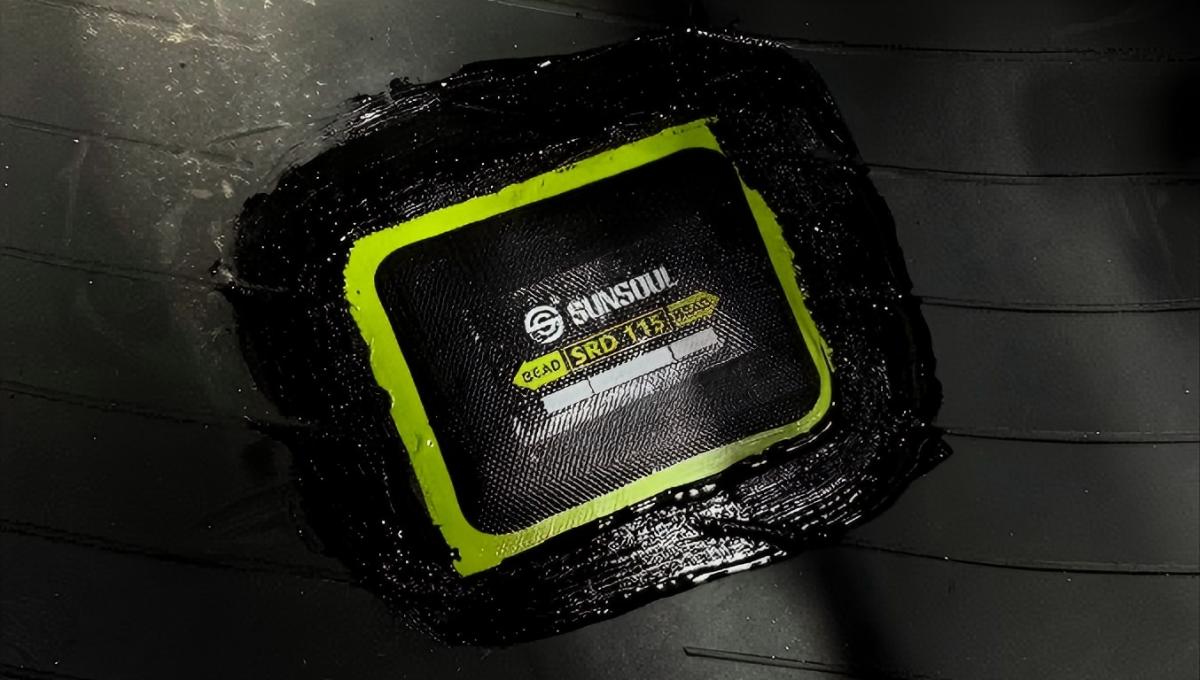

Repairing a tire in cold weather requires special attention because low temperatures severely slow down the chemical curing process. A common issue in winter is that a rubber tire patch fails to bond properly if the shop floor is too cold or moisture is trapped on the inner liner. To ensure a permanent, safe repair, technicians must adjust their preparation and drying times.
Key Takeaways
- Temperature Matters: Vulcanizing fluid needs warmth to activate and bond with the tire liner.
- Moisture is the Enemy: Condensation from cold tires can ruin the adhesive properties of any patch.
- Prep Work: Warm the repair area, store cement at room temperature, and allow extra drying time.
Why Cold Weather Affects Tire Patch Adhesion
How Temperature Impacts Vulcanizing Fluid Activation
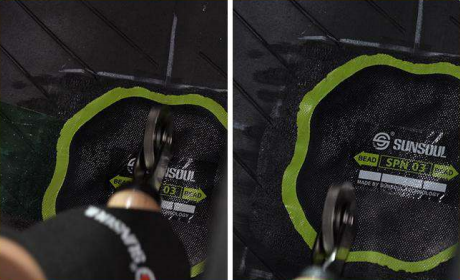
Chemical vulcanizing fluid does not simply “glue” the patch; it creates a chemical cross-link with the tire’s butyl rubber. This reaction requires a minimum ambient temperature, typically around 18°C (65°F). When the temperature drops below this threshold, the solvents in the fluid evaporate too slowly, and the chemical activation stalls. The patch may appear to stick initially, but it will easily peel off once the vehicle is driven.
The Risk of Moisture and Condensation on the Tire
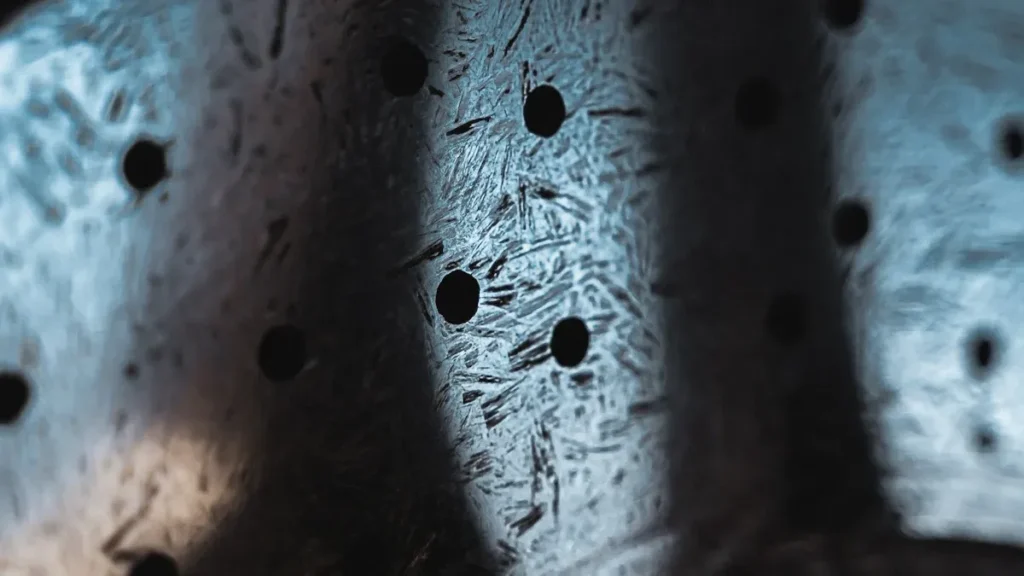
When a cold tire is brought into a warmer workshop, condensation (water droplets) immediately forms on the inner liner. If a technician buffs the tire and applies the patch without letting this moisture dry completely, the fluid cannot grip the rubber. Trapped moisture turns into steam under driving heat, blowing the patch off the liner from the inside out.
Best Practices for Tire Patch Repair in Cold Weather
Warming the Tire and the Repair Area
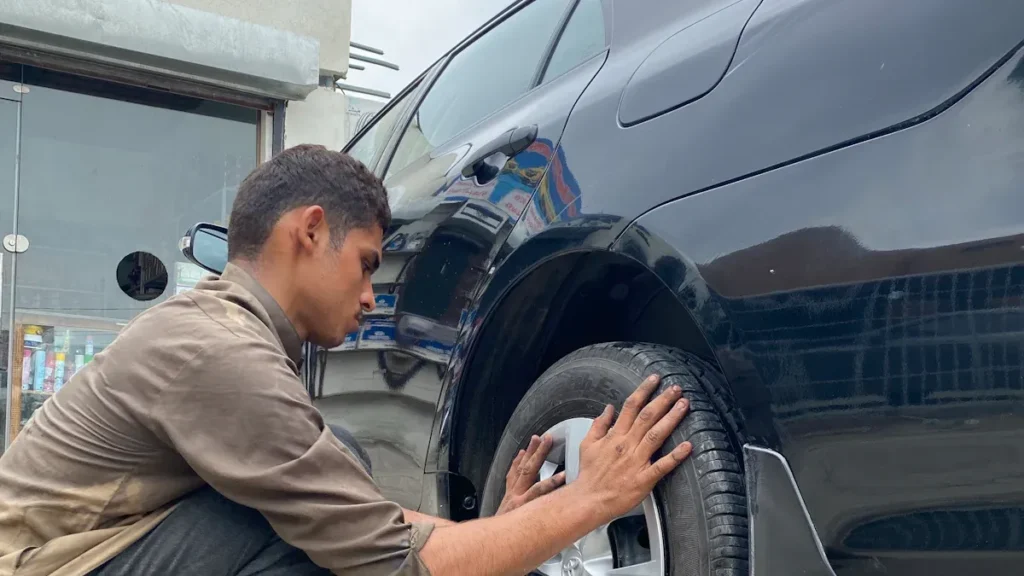
Never repair a tire that is freezing to the touch. Allow the tire to sit in a heated workshop for several hours before starting. If you must speed up the process, use a gentle heat source—like a space heater or a warm air blower—to warm the inner liner area. Avoid using open flames or extremely hot heat guns, as they can damage the tire’s internal structure.
Storing Patches and Cement in Winter
Cold weather affects your materials before they even touch the tire. Vulcanizing cement that has been stored in a freezing cold truck or unheated shed will lose its potency. Always store your patches and fluids in a climate-controlled room. If the cement feels unusually thick or has separated, it is likely too cold or expired—do not use it.
Allowing Enough Drying Time
In the summer, vulcanizing fluid dries in 3 to 5 minutes. In cold weather, it can take 10 minutes or more to reach the correct tacky, dull state. Technicians must be patient. Pressing a patch onto wet fluid will trap the solvent, resulting in a weak bond that will inevitably fail.
Choosing the Right Vulcanizing Tire Patch for Cold Weather
Using Cold-Rated Vulcanizing Cement
Not all chemicals handle winter the same. If you frequently operate in sub-zero environments, look for cold-rated or fast-drying vulcanizing cements. These are specially formulated to maintain high tack and cure faster in lower temperatures, giving you a more reliable bond when traditional fluids fail.
When to Use a Patch-Plug Combination in Cold Settings
In cold weather, rubber becomes stiff and less pliable. For larger injuries, a simple flat patch might not seal the injury channel tightly enough. Using a tire patch plug is highly recommended. The plug fills the puncture channel to block out moisture, while the patch seals the inner liner, creating a double barrier that compensates for the harsh environmental conditions.
FAQ
Can I use a tire patch if the workshop is below freezing?
It is highly discouraged. Below freezing (0°C / 32°F), chemical vulcanizing fluid will not activate. You should move the tire to a heated indoor area (ideally above 10°C / 50°F) before attempting any repair.
How do I store vulcanizing tire patches during winter?
Keep them indoors in a dry, climate-controlled room. Do not leave them in a cold vehicle or an unheated workshop. Extreme cold can make the protective backing peel prematurely and cause the cement to lose its chemical properties. Proper storage of your vulcanizing tire patch inventory ensures they are ready for use.
Why did my tire patch fail in cold weather?
The most common reasons are applying the patch when the tire was too cold, buffing over condensation without letting it dry, or not waiting long enough for the fluid to become tacky. Cold conditions expose any shortcuts taken during preparation.