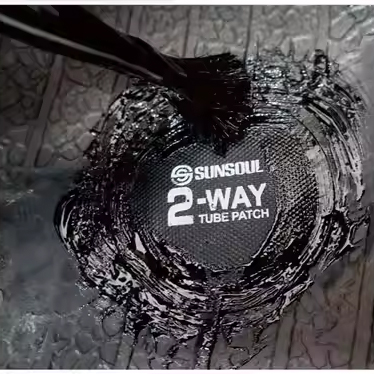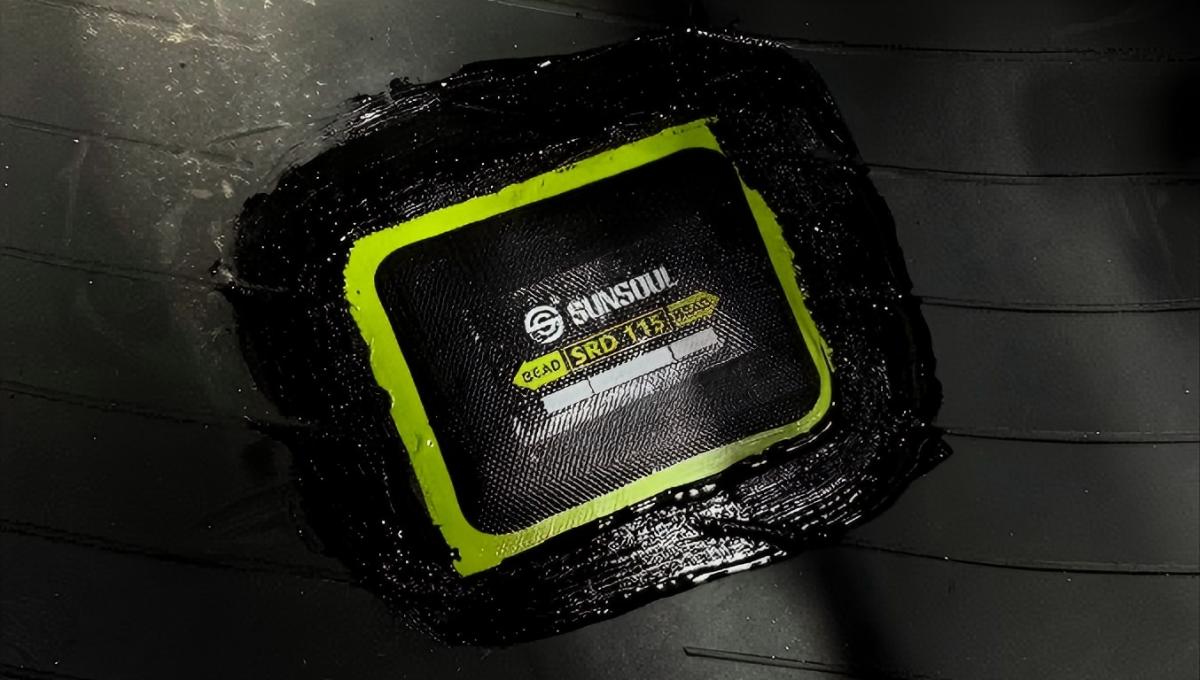

No, you cannot use the same patch for an inner tube and a tubeless tire. Inner tube patches are thin, highly elastic, and designed to bond to soft butyl rubber. Tubeless patches are thicker, reinforced with fabric or metal cords, and designed to withstand high air pressure and structural stress. Using the wrong patch will cause immediate or eventual failure, posing significant safety risks.
Key Takeaways
- Different Materials: Inner tubes are soft, stretchy butyl rubber; tubeless tires have rigid steel belts and a thick inner liner.
- Structural Stress: Tubeless patches must hold high pressure and seal the structural liner, while inner tube patches only seal a soft balloon.
- Cross-Usage Risk: Using a tubeless patch on a tube causes edge lifting due to stiffness. Using a tube patch on a tubeless tire causes blowouts due to lack of reinforcement.
The Structural Difference Between Inner Tubes and Tubeless Tires
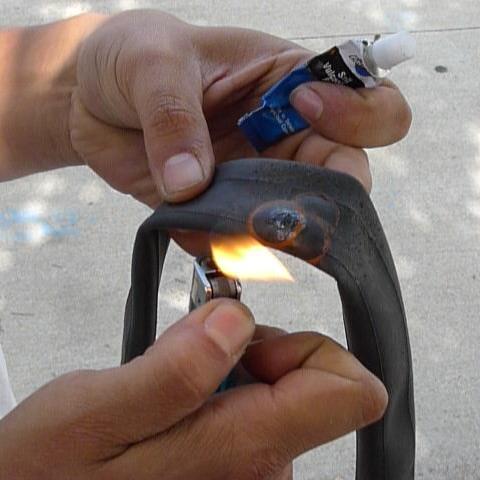
Understanding why the patches differ requires looking at what they are sealing. An inner tube is a simple rubber balloon that holds air. It expands evenly and has no structural role in the vehicle. A tubeless tire, on the other hand, is an engineered composite. The inner liner holds the air, while the steel belts and casing provide structural support.
The Nature of Inner Tube Rubber
Inner tubes are made of soft, highly elastic butyl rubber. They undergo significant expansion and contraction as they are inflated and as the tire rolls over uneven surfaces. A patch applied to a tube must be able to stretch and flex at the exact same rate as the tube itself. If the patch is too stiff, it will peel off.
The Composite Structure of Tubeless Tires
A tubeless tire’s inner liner is much thicker and less flexible than an inner tube. It is bonded directly to the tire’s internal steel belts and fabric cords. A puncture in a tubeless tire creates a localized weak point where high-pressure air tries to escape. A patch here must act as a structural bridge.
Why Inner Tube Patches Fail on Tubeless Tires
If you try to save time by applying a thin inner tube patch to a tubeless tire, you are setting the repair up for failure.
Lack of Structural Reinforcement
Inner tube patches are typically just a layer of rubber. Tubeless patches have a reinforced layer (like a woven textile or metal mesh) to distribute stress across the repair area. Without this reinforcement, the thin inner tube patch cannot handle the shear forces and high pressure of a tubeless casing. It will stretch into the puncture hole and rupture.
The Risk of High-Pressure Blowouts
A passenger tire runs at 30–40 PSI, while a commercial truck tire can run at over 100 PSI. A patch lacking structural reinforcement will eventually fail catastrophically under these pressures. For safe high-pressure repairs, you must use a dedicated truck tire patch designed for tubeless casings.
Why Tubeless Patches Fail on Inner Tubes
Conversely, you cannot put a thick, stiff tubeless patch on a soft inner tube.
Inability to Flex with the Expanding Tube
When an inner tube is inflated, it expands like a balloon. A thick tubeless patch is too rigid to flex along with the tube. As the tube stretches, the edges of the stiff patch will lift, creating a leak.
Poor Adhesion to Curved Surfaces
Inner tubes have a very small radius of curvature compared to the flat inner liner of a tire. Tubeless patches are designed to lie flat. When forced onto the tight curve of an inner tube, they cannot make full contact, leading to immediate adhesion failure.
How to Choose the Right Patch for Every Repair
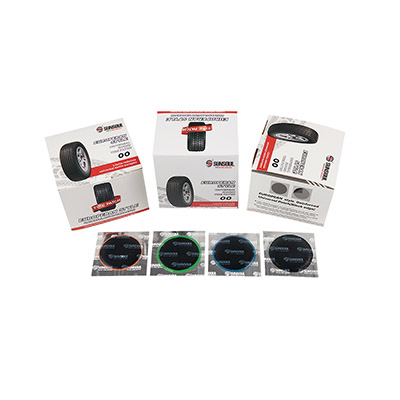
To ensure a safe and permanent repair, you must match the patch to the tire construction.
Identifying Your Tire Type
Always check the tire sidewall. If it says “Tubeless,” the tire does not have an inner tube. If it requires an inner tube, the tube is a separate component that must be repaired or replaced.
Selecting the Correct Patch Size and Style
For inner tubes, use dedicated thin, elastic patches. For tubeless tires, use reinforced cold patches or patch-plugs. Always check the packaging to ensure compatibility, and never mix the two in a professional repair environment. For radial casings, always ensure you are using a radial tire patch to match the tire’s specific flex patterns.
FAQ
Can I use a patch-plug on an inner tube?
No. A tire patch plug is designed for the thick casing of a tubeless tire. Inserting a plug into a thin inner tube will simply tear the tube, leading to an immediate flat.
Are self-adhesive patches universal?
Some temporary self-adhesive patches claim to work on both. However, for permanent professional repairs, you must use the specific cold-vulcanizing patch designed for that tire type.
Can I put an inner tube inside a tubeless tire to fix a puncture?
This is sometimes done as a temporary “bush fix” in remote areas, but it is not recommended. Installing a tube in a tubeless tire can cause friction, heat buildup, and premature failure. The correct fix is a proper tubeless patch or replacement.