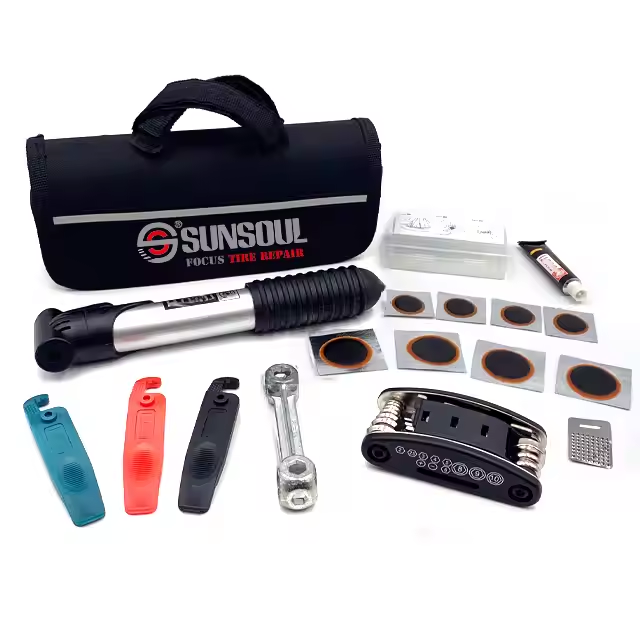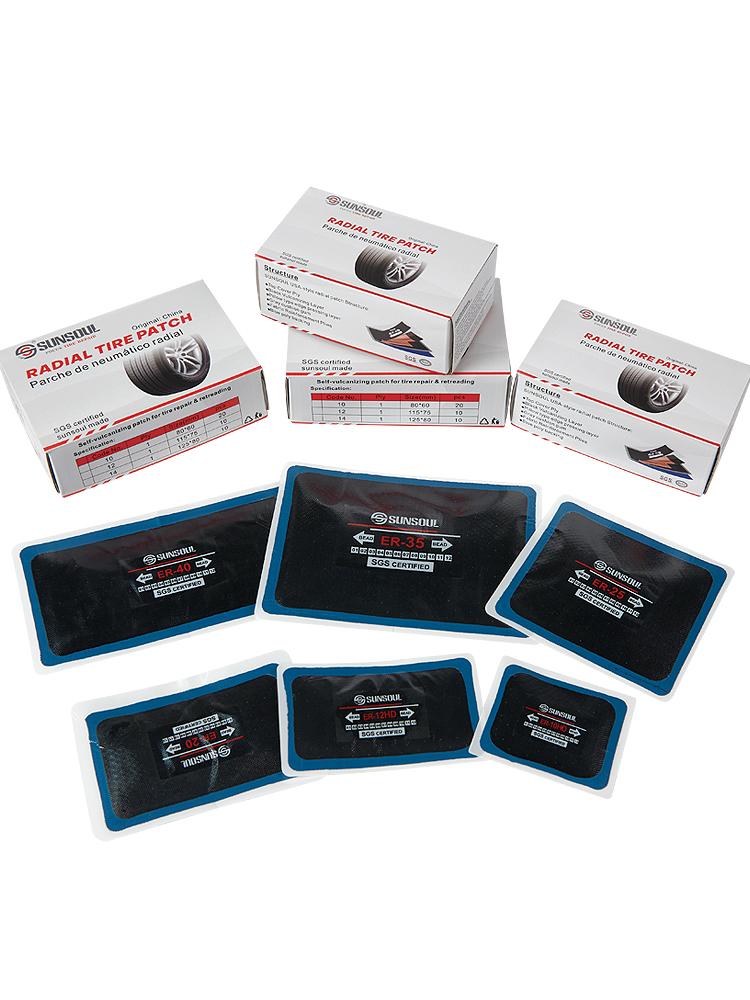

Yes, car drivers can use vulcanizing cement on a tire plug to repair a flat tire. A simple dry plug stays in place using basic friction. Adding vulcanizing fluid changes the chemical reaction by bonding the rubber strip straight to the inner tire rubber.
Home mechanics buy a total tire plug kit for urgent tire fixes. Special tools push the material deep into the ruined tire. Adding this liquid changes a fast surface fix into a strong bond. Drivers place a good tire patch over the hole inside. A strong patch makes the tire structure sturdier. A proper rubber tire patch stops air from escaping under pressure. Using a SUNSOUL tire patch keeps you safe.
Key Takeaways
- Vulcanizing cement forms a lasting chemical glue that attaches the rubber plug directly to the tire.
- Correctly preparing the surface by cleaning and scraping opens the rubber’s tiny holes for a strong bond.
- You need to allow the wet glue to dry for three to five minutes until sticky before putting in the plug.
- Safety rules allow plug fixes only on the middle tread, never on the side.
How Vulcanizing Cement Improves Tire Plug Repairs
Mechanics select special fluid to turn easy fixes into tough bonds. A standard sticky strip fills open space inside the damage. Liquid chemical solutions form a real cold chemical bond between parts. This chemical process links together tiny polymer chains within the rubber. That chemical reaction joins distinct rubber pieces to make one unit. Expert workers trust smart tire repair techniques for better car safety.
The Chemical Vulcanization Process
The vulcanizing process needs pure chemical compounds and precise waiting times. Liquid rubber cement has basic solvent carriers and sulfur compounds. The solvent carrier cleans up and expands target rubber surfaces. That action uncovers hidden polymer chains inside the thick casing.
- Normal chemical mixtures dry out completely within 3 minutes at 20°C (68°F).
- Cold winter weather doubles this normal drying time for workers.
- Mechanics wait 3 to 5 minutes until liquid feels tacky-dry.
- Mold-autoclave vulcanization needs high heat near 260°F (127°C) or more.
- Chamber curing at 210°F (99°C) takes far longer to set up.
- A complete cold vulcanization bond needs 24 hours to finish up.
A warm, dry garage keeps the work safe. Extra moisture stops chemical bonding and prevents strong adhesion during routine tire fixes.
Chemical Bonding vs. Dry Tire Plug Insertion
A dry tire plug uses simple friction against broken rubber threads. Natural tire movements force air out of dry fixes on long drives. Adding liquid vulcanizing cement changes this entire situation completely. Putting in dry plugs creates small gaps where trapped air leaks out later.
| Curing mechanism | How it supports longevity and air retention under tread flex and heat |
|---|---|
| Solvent carrier action | Cleans and swells rubber surfaces to expose polymer chains for deeper bonding. |
| Heat and pressure activation | Driving heat and inflation pressure activate sulfur curing packages to fuse rubber layers. |
| TIA classification | The Tire Industry Association classifies plug-patch repairs with vulcanizing chemical agents as permanent. |
| Tacky-dry application state | Prevents trapped solvent from vaporizing and creating gas pockets that cause air loss. |
| Controlled inflation pressure | Avoids over-curing embrittlement and preserves structural bonds against excess tensile stress. |
Vulcanized rubber gives better overall strength and tear protection than raw rubber. A vulcanizing tire patch makes a tough seal that bends easily with tread. A vulcanizing tire patch fixes inside damage and matches original rubber power. Workers position a vulcanizing tire patch across damaged inner liners. Every single vulcanizing tire patch shuts off air paths under heavy pressure.
A top vulcanizing tire patch connects straight into inner cord layers. Large fleets rely on a heavy duty vulcanizing tire patch for big trucks. Car owners choose a radial vulcanizing tire patch for quiet daily driving trips. Smart vulcanizing tire patch fixes prevent air loss through long highway miles.
This step-by-step fix makes a great long-term repair for typical punctures. Workers spread sticky rubber cement on the main repair piece before inserting. The builder shoves a rubber plug right into the hole to block tread gaps. This outer plug blocks the pathway while an inner patch stops air loss. Placing this flexible plug fixes up the damaged tread pattern. SUNSOUL creates top patch products and chemical supplies for global vehicle shops. Right steps turn basic plug work into reliable vulcanizing tire patch repairs.
How to Use Cement with a Tire Plug Kit

Every driver needs a proper tire repair kit in the vehicle trunk for emergency situations. Carrying a tire plug kit allows vehicle owners to handle roadside damage safely. Mechanics first prep the hole to ensure complete chemical adhesion. Proper surface prep removes grease while exposing clean inner casing layers. Aggressive reaming enlarges the injury, while insufficient scraping leaves dirt behind.
Preparing the Puncture Repair Area
Proper tire repair requires strict attention to surface cleanliness. Drivers must clear debris from the puncture zone before applying chemical compounds. Mechanics use a reamer to clean and widen the puncture path for inserted material. Scuffing the target area creates a matte finish by removing the oxidized layer. Buffing also expands the surface area for chemical cross-linking.
| Safety Area | Recommended Safety Precaution |
|---|---|
| Personal protection | Wear protective gloves and eyewear during tire repair. |
| Ventilation | Work in a well-ventilated area to avoid fumes. |
| Surface preparation | Scuff and clean the rubber properly before application. |
| Storage | Store liquid rubber cement away from direct sunlight. |
| Curing time | Allow sufficient curing time for the compound to dry fully. |
Cleaning dust away prevents a slow air leak after completing the work. An improperly prepped puncture allows pressurized air to bypass the seal. The cleaning process opens rubber pores for deep liquid penetration. Next, workers apply rubber cement into the roughened channel.
Applying Cement and Inserting the Plug
Technicians follow structured steps to plug the tire using chemical compounds. Using a vulcanizing tire patch repairs internal liner damage while an external plug fills tread gaps. Applying a quality vulcanizing tire patch creates a durable barrier against moisture.
- Prepare the puncture using the reamer tool to roughen the hole for adhesive contact.
- Insert a tacky plug into the insertion tool with equal lengths extending out.
- Open the tube to apply rubber cement liberally over the plug and insertion tool.
- Push the coated plug into the hole until roughly one inch remains exposed.
- Pull the insertion tool straight out swiftly so the plug stays fixed inside.
- Allow the compound to flash off for 3 to 5 minutes before applying pressure.
The vulcanizing process transforms raw compounds into a solid seal. The worker must trim excess plug material flush with the tread surface. Waiting 10 minutes allows cold chemical curing before inflating the unit. A radial tire patch or heavy duty tire patches work well inside commercial casings. Users can also select a tubeless tire patch, a rubber tire patch, a truck tire patch, or inner tube patches for a quick fix.
Properly executed vulcanizing tire patch repairs stop air loss under high driving temperatures. A second tire plug kit contains extra supplies for fleet maintenance. A third tire plug kit stays in the shop for routine servicing. A vulcanizing tire patch seals the inner liner, while vulcanizing tire patch repairs restore casing strength. Following this exact repair process guarantees consistent structural integrity. A vulcanizing compound keeps the casing durable over long distances. Using vulcanizing fluid with vulcanizing compounds forms a permanent chemical bond.
Safety Limits for Emergency Tire Plugs
Safe Tread Zones for Lasting Repair
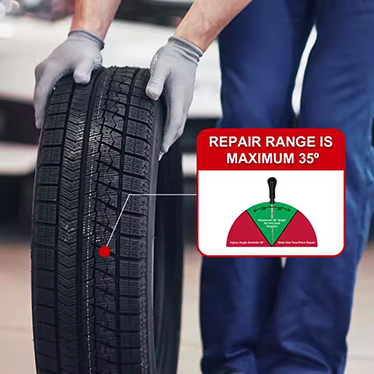
Official repair guidelines state strict limits for puncture damage. Industry standards like USTMA guidelines permit puncture repairs only within the central tread crown. Drivers must measure every puncture hole before applying a fix. A vulcanizing tire patch combined with a plug provides high safety for valid damage.
The table below details standard limits for tread damage:
| Source | Puncture limit for tire repair | Relevant condition |
|---|---|---|
| USTMA guidelines | Straight punctures ≤ 1/4 inch (6 mm) in diameter | Puncture must be in the tread crown, at least 1.5 inches from sidewalls. |
| RMA Tire Repair Standards | Punctures larger than 1/4 inch (6 mm) should not undergo repair | A proper repair requires a cured stem and an inner liner vulcanizing tire patch. |
Technicians require complete vulcanizing action for lasting results. Inserting a rubber plug inside the hole seals outer channels against water. Pushing a plug deeper closes the gap. Applying a vulcanizing tire patch over the inner hole stops air leaks. A protective patch adds strength. This process maintains high safety on roads.
Sidewall Damage and Professional Options
Sidewall damage presents critical safety risks for every vehicle. The sidewall flexes 800 to 1,000 times per mile during normal rolling. Dynamic flex causes an emergency tire plug to loosen rapidly. Standard guidelines prohibit any vulcanizing tire patch application on sidewall injuries. A vulcanizing chemical bond fails under intense stress.
Industry standards outline clear restrictions for side damage:
- A plug cannot maintain structural strength along flexing side walls.
- Bending forces cause a vulcanizing patch to peel off.
- Rubber replacement remains the only approved option for total safety.
A vulcanizing tire patch belongs strictly inside central tread regions. Filling an outer hole with a rubber plug stops debris from reaching internal cords. An inner patch keeps the rubber sealed. Technicians reject any sidewall patch attempt to prevent structural failure. Replacing a compromised unit guarantees reliable performance.
Applying vulcanizing cement converts a tire plug into a chemical bond. Inserting a rubber plug fills plug holes. Drivers follow repair guidelines for safety. Tread puncture damage allows plug use, but sidewall damage requires tire replacement.
Technicians perform tire repair process:
- Remove tire.
- Inspect for damage.
- Buffer puncture patch area.
- Apply liquid vulcanizing fluid until tacky.
- Apply patch, roll patch, and cure.
- Remount tire.
- Inflate tire to inspect for leaks.
A vulcanizing tire patch ensures safety. SUNSOUL offers supplies for vulcanizing tire patch repairs. Placing a vulcanizing tire patch seals the patch layer over each patch site. Tire repair shops fit a patch over every patch.
FAQ
Can drivers use rubber cement on a tire plug?
Yes, drivers can put rubber cement on a plug. The vulcanizing fluid forms a cold chemical bond. This action fuses the rubber right into the tire hole.
How long does the vulcanizing process take to dry?
The vulcanizing compound takes 3 to 5 minutes at 20°C (68°F) to turn tacky-dry. Drivers push the piece into the puncture hole right after this wait.
What comes inside a standard tire plug kit?
A basic kit includes a reamer tool, an insertion tool, strip materials, and chemical fluid. Each item helps drivers fix small tread damage fast.
Why do mechanics prefer a vulcanizing tire patch?
Mechanics pick a vulcanizing tire patch because cold chemical curing links polymer chains. An inner patch seals internal liners well. A flat patch blocks water, while a round patch stops air leaks. An emergency patch, custom patch, outer patch, or extra patch brings back strength. A vulcanizing rubber patch finishes the job.