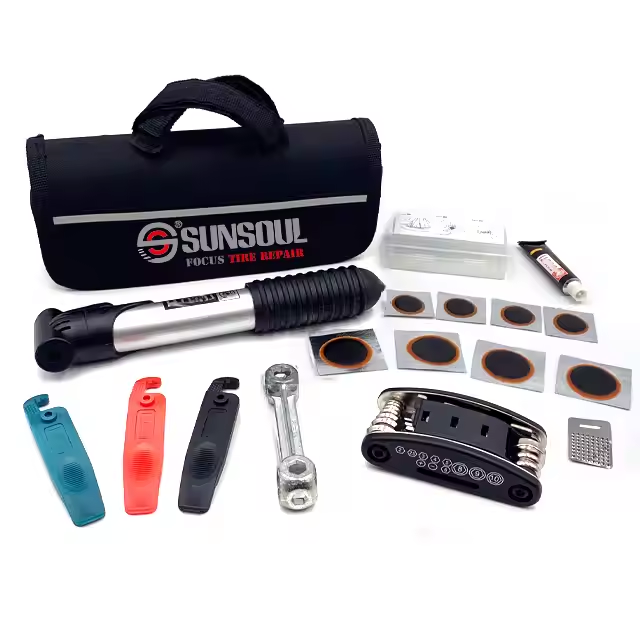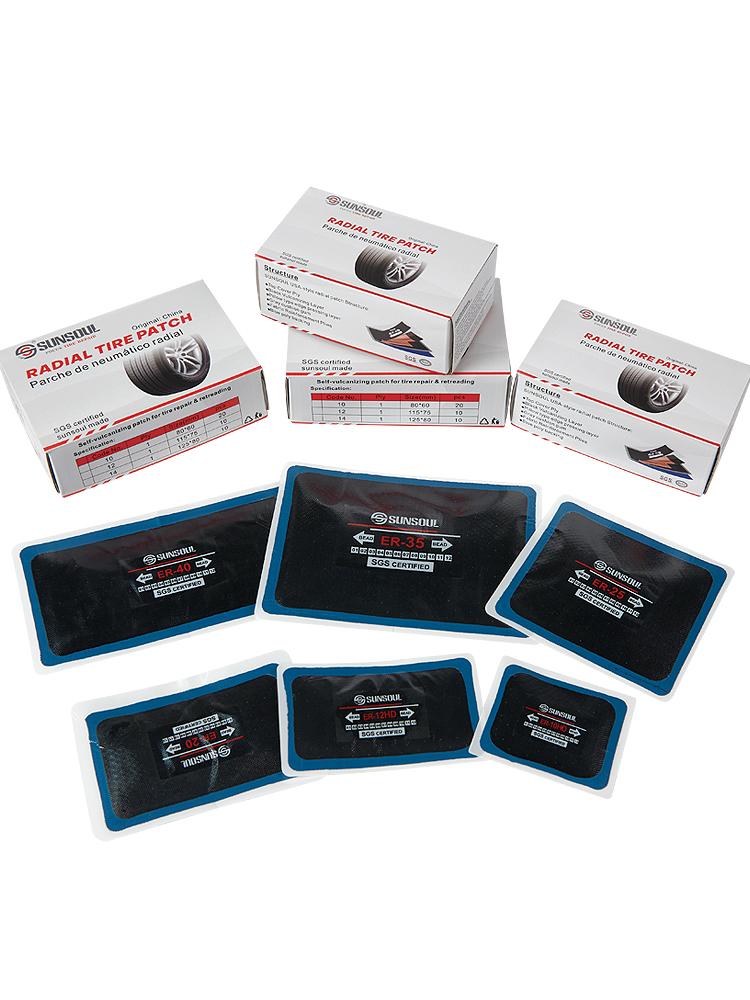

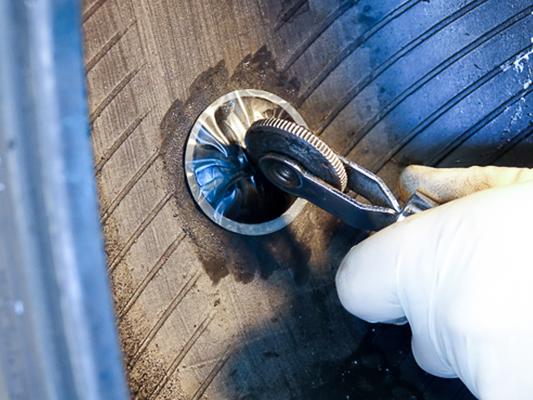
There are three main differences between car and bicycle tire repair:
- The repair materials are different.
- The tire repair methods are also different.
- The durability of the repair affects safety and the repair’s effectiveness.
Sunsoul is committed to providing new safety for drivers and cyclists.
Key Takeaways
- Car and bicycle tire patches are made from different stuff. Car patches must work at high speeds and carry heavy things. Bicycle patches are light and can bend easily.
- Fixing car tires is harder and needs special tools. Fixing bicycle tires is easier and faster to do.
- Both types of patches need to last a long time. A good patch keeps you safe and helps tires last longer. Always pick trusted brands like Sunsoul.
Patch Material Differences: Car vs Bicycle
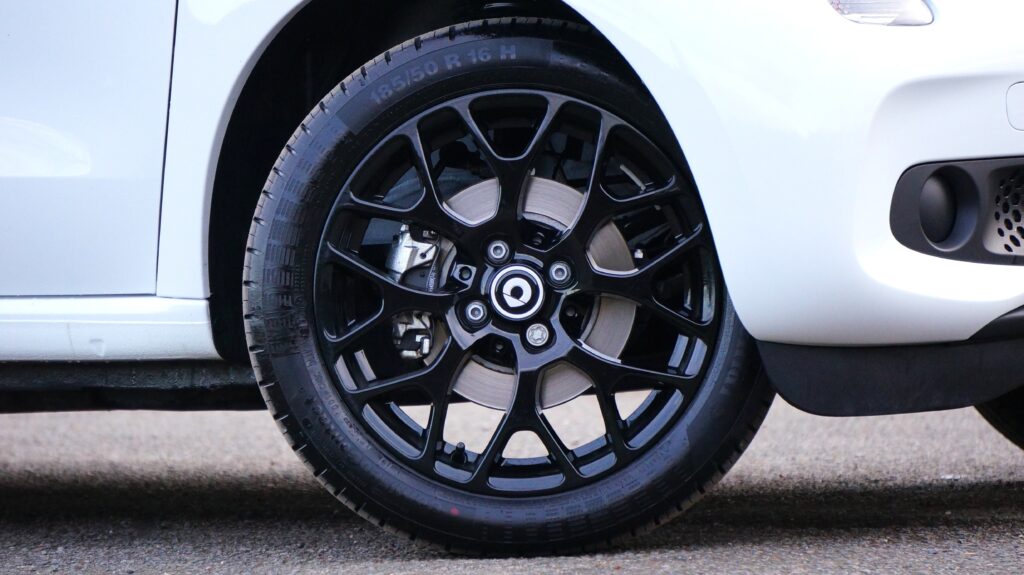
Car tire patch materials
Car tire repair materials must be able to withstand various harsh environments. They need to withstand high speeds, vehicle weight, and high or low temperatures. Sunsoul rubber tire patches are made from special rubber and polymers. These materials maintain good flexibility in a temperature range of -40°F to 250°F. Dual-curing technology allows mechanics to repair tires using chemical agents or heat and pressure. A strong adhesive ensures the patch bonds firmly, preventing repair failure. Elastomer blends, such as styrene-butadiene copolymer, silica, and carbon black, make the patch more durable and perform better. B2B buyers value these properties because they help fleets and repair shops ensure safe vehicle operation.
Sunsoul tire patches follow RoHS and REACH rules. They do not have dangerous chemicals or heavy metals.
| Feature | Sunsoul Tire Patches |
|---|---|
| Heat Resistance | Flexible in extreme temperatures from -40°F to 250°F |
| Environmental Compliance | Meets RoHS and REACH certifications, no hazardous chemicals or heavy metals |
Bicycle inner tube patch materials
Bicycle inner tube patches use other materials. Most patches use thermoplastic polyurethane (TPU) and rubber adhesive. Lightweight TPU material effectively seals punctures. Rubber adhesive helps seal the inner tube, preventing leaks. Sunsoul’s inner tube patches can be vulcanized for durable repairs or quickly fixed using adhesives. TPU is recyclable, making it environmentally friendly. These materials are ideal for bicycles because they are lightweight and relatively slow.
| Material Type | Bicycle Inner Tube Patches | Car Tire Patches |
|---|---|---|
| Common Materials | Thermoplastic Polyurethane (TPU), Rubber Cement | Rubber, Vulcanizing Solutions |
| Key Properties | High performance, puncture resistance, durability | Traditional rubber, may involve vulcanizing for adhesion |
Material impact on repair quality
Car and bicycle tire patches are made of different materials, resulting in different repair effects. Car tire patches need to be strong and durable, able to withstand the high temperatures of heavy vehicles and high-speed driving. Sunsoul’s special formula and adhesive help extend the life of the patches, ensuring driver safety. Bicycle patches, on the other hand, need to have a certain degree of flexibility to effectively seal punctures. TPU and rubber adhesives give the patches good elasticity and sealing properties, preventing air leaks. Choosing the right patch material, whether for cars or bicycles, ensures pedestrian safety and extends tire life.
Application Methods: Car vs Bicycle
Car tire patch process
Tire repair requires multiple steps and specialized tools. Mechanics first locate the puncture using soapy water. They remove the tire from the rim, clean and sand the puncture area, and then use a patch kit for optimal sealing. Sunsoul offers vulcanizing, pre-polishing, and patch kits to help repair shops choose the appropriate method for different repair needs. Vulcanized patches use heat and pressure to achieve a permanent bond, while chemically cured patches use only adhesive. The repair process typically includes the following steps:
- Locate the puncture.
- Remove the tire from the rim.
- Clean and sand the puncture area.
- Insert a patch, if necessary.
- Apply vulcanizing adhesive.
- Place and press the patch in place.
- Sew it in from the center outwards.
- Apply sealant.
- Inflate the tire and trim the patch.
- Check for leaks.
| Method | Description | Benefits |
|---|---|---|
| Vulcanizing | Heat and pressure for a permanent bond | Extends tire life, improves safety |
| Chemical Cure | Adhesive bond, no heat needed | Quick, flexible, strong |
| Combination Plug-Patch | Plug and patch together | Safest, airtight, reduces failure risk |
Bicycle patch process
Repairing bicycle tires is now simpler and faster. Riders simply need to deflate the inner tube, clean and sand the puncture, and then press the patch onto the puncture. Sunsoul inner tube patches are available in both vulcanized and adhesive types, convenient for repair shops and riders. The repair steps are generally as follows:
- Deflate the inner tube.
- Clean and dry the puncture.
- Sand the puncture.
- Align the patch with the puncture and press it down.
- Press for at least one minute.
- Inflate and check for leaks.
Ease of use and challenges
Car tire repair requires more time and skill. Technicians need specialized tools and must strictly follow procedures to safely complete the repair. Hot patches can withstand pressures up to 3000 PSI, while cold patches are less durable, lasting less than 800 PSI. Bicycle patches are easier to use, but can be tricky to repair if the puncture is hard to find or the glue dries too slowly. Sunsoul’s tire repair kits are helpful for both professionals and beginners. Their unique split backing and strong adhesive make repairs easy even for novices, lasting for over two years. In the debate between car and bicycle repair, car repair requires more precision, but Sunsoul’s user-friendly design benefits both.
Patch Durability: Cars vs Bicycles
Car tire performance
Car tire patches face severe challenges every day. They must withstand heavy loads and drastic temperature changes. Sunsoul tire patches use advanced rubber and strong adhesives, maintaining flexibility in a temperature range of -40°F to 250°F, meaning they function properly in both frigid winters and scorching summers. Sunsoul patches achieve up to 98% of the bond strength of the original tire material. Therefore, drivers gain better handling and reduce the likelihood of accidents.
| Metric | Description |
|---|---|
| Traction | Keeps grip on the road for safe stops and turns. |
| Treadwear | Shows how long the tire lasts before needing a new one. |
| Temperature Resistance | Stops the tire from failing in hot or cold weather. |
| Rolling Resistance | Affects how much energy the car uses while driving. |
| Handling | Helps the car respond to steering. |
| Wet and Dry Performance | Keeps the car safe in rain or shine. |
| Noise Level | Impacts how quiet the ride feels. |
Bicycle tire performance
Bicycle tire patches serve a different purpose than regular inner tubes. They need to remain lightweight and flexible. Sunsoul’s inner tube patches use high-quality rubber and adhesive. When used properly, a high-quality patch can last as long as the inner tube itself. In contrast, a non-adhesive patch may only last a few months to a year. Proper cleaning and pressing are crucial.
- High-quality patches can last as long as an inner tube.
- Non-adhesive patches last a few months to a year.
- Good preparation and usage methods help extend the lifespan of the patch.
Safety and longevity
For both cars and bicycles, the durability of tire patches is crucial. A robust patch effectively protects the tire’s contact patch with the ground, improving braking performance and handling. A poor-quality patch, on the other hand, can lead to leaks or even blowouts. Sunsoul products give drivers and cyclists peace of mind. In the debate between cars and bicycles, both require reliable tire patches to ensure driving safety and extend tire life.
- Car and bicycle tire patches are not the same. They differ in the materials used, the repair methods, and their lifespan.
- What sets Sunsoul apart is its excellent warranty service. It also provides quick assistance and support when needed.
- For best repair results, choose a high-strength patch that matches your tire. Ensure the patch completely covers the puncture. Choose trusted, reliable brands.
FAQ
How are Sunsoul tire patches different from other tire patches?
Sunsoul tire patches use an advanced rubber compound that maintains flexibility in a temperature range of -40°F to 250°F. Their strong adhesion and environmentally friendly properties are trusted by repair technicians.
Do bicycle tire patches last as long as car tire patches?
High-quality bicycle tire patches can last as long as an inner tube. Car tire patches are typically only used until the next tire replacement.
How does the durability of tire patches affect safety?
The durability of tire patches ensures a tight seal, preventing sudden leaks for drivers and riders. Reliable tire patches help prevent accidents and extend tire life.
Tip: Always check the repaired area for leaks after repair. Safety first!