
Full vulcanization delivers a tighter seal for tire repair patches, which is critical to driving safety. A properly sealed patch prevents gradual air leakage and keeps tire pressure maintained at the ideal level. Correct tire inflation is the foundation of safe driving: underinflated tires wear down far quicker and carry a much higher risk of sudden blowouts. The table below outlines how poor sealing and incorrect tire pressure impact vehicle performance and safety:
| Impact Area | Detailed Explanation |
|---|---|
| Fuel Efficiency | Fuel consumption rises as tire pressure drops. Every 10% reduction in tire air pressure increases fuel use by 1% to 2%. |
| Tread Wear | Underinflation accelerates tread abrasion, shortening overall tire service life by 15% to 25%. |
| Internal Heat Build-up | Low pressure causes excessive heat accumulation inside tires, which can trigger dangerous blowouts while driving. |
| Cargo & Driving Stability | Proper inflation ensures responsive steering and reliable braking, keeping vehicles and loads stable on the road. |
Picking the best way to fix tires keeps drivers safe.
Key Takeaways
- Full vulcanization creates an airtight bond on repair patches, stopping air seepage permanently and stabilizing tire pressure for consistent driving safety.
- Premium repair patches from brands like SUNSOUL form an ultra-secure seal via complete vulcanization. This design prevents blowouts, extends tire lifespan and cuts daily fuel costs over time.
- Routine tire inspections paired with professional vulcanized repairs reduce long-term expenses and drastically lower roadside safety hazards.
Full Vulcanization and Tire Patch Air Tightness
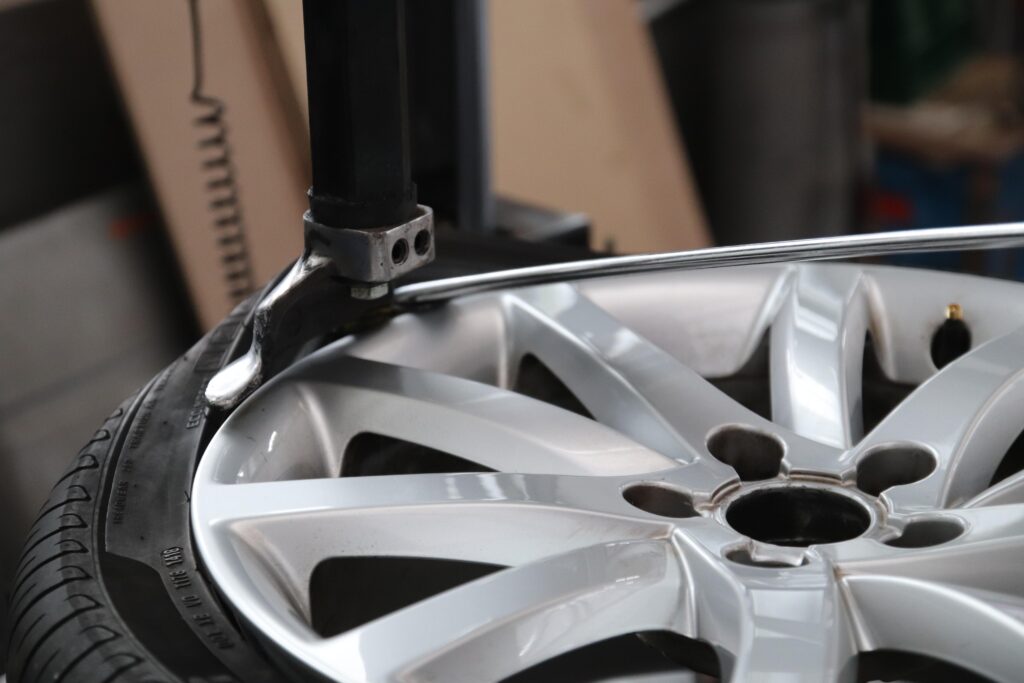
What is full vulcanization?
ull vulcanization is a chemical curing process that reinforces the structural strength of tire repair patches. Technicians apply vulcanizing fluid containing sulfur compounds to both the repair patch and the inner surface of the damaged tire. Sulfur triggers a chemical reaction that softens the rubber on both surfaces, enabling tight adhesion between the patch and tire casing.
During the reaction, sulfur atoms build cross-links between rubber molecular chains. These permanent chemical bonds make the patch tough, flexible and resistant to peeling. The vulcanizing fluid penetrates deep into both rubber layers to form a seamless, long-lasting airtight barrier. Tire technicians rely on full vulcanization primarily to lock patches firmly in place and eliminate slow air leaks entirely.
How it improves air tightness
Full vulcanization rearranges the internal structure of rubber molecules, greatly enhancing the tire’s ability to hold compressed air inside.
Butyl rubber (CIIR), widely used for tire inner liners and premium repair patches, boasts excellent gas barrier properties. Chlorine atoms within CIIR slow down the permeation of oxygen, nitrogen and regular air through the rubber layer. Vulcanization further optimizes this molecular structure, turning the patch into an effective barrier against air escape.
Patches cured through full vulcanization deliver outstanding sealing performance, maintaining stable tire pressure long-term. Tires lose air gradually for many common reasons:
- Puncture wounds left by nails, screws and other sharp road debris
- Leaking valve stems caused by damage or degraded sealing rings
- Bent, corroded wheel rims leading to intermittent air seepage
- Cracked tire bead areas causing slow, persistent deflation
Full vulcanization enables repair patches to adhere seamlessly to damaged tire sections, blocking all air leakage pathways. Repairs completed this way are highly durable and permanently seal punctures for regular highway and heavy-load use.
Tire repair performance and safety
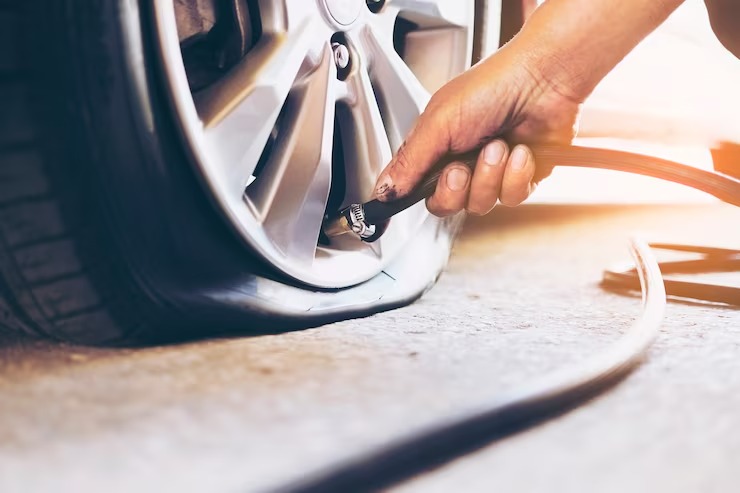
Airtight seal and durability
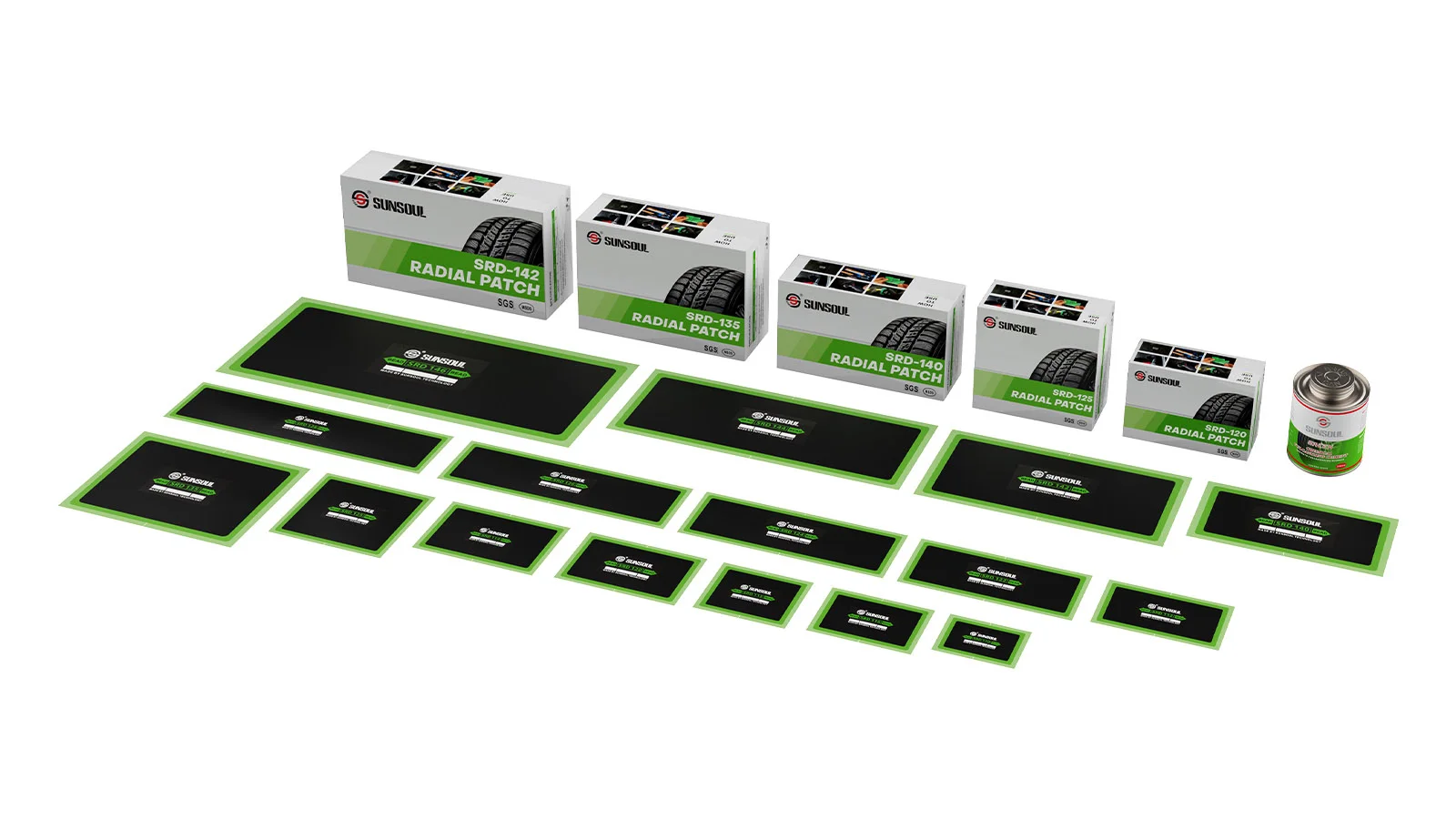
The core purpose of any tire patch is to seal punctures and retain air pressure consistently. Both professional tire shops and vehicle owners depend on strongly bonded patches to keep tires safe and properly inflated. SUNSOUL manufactures trusted tire repair patches compatible with bicycles, motorcycles, passenger cars, trucks and agricultural machinery. All SUNSOUL patches are produced with high-grade raw materials and undergo complete vulcanization to guarantee maximum adhesive strength.
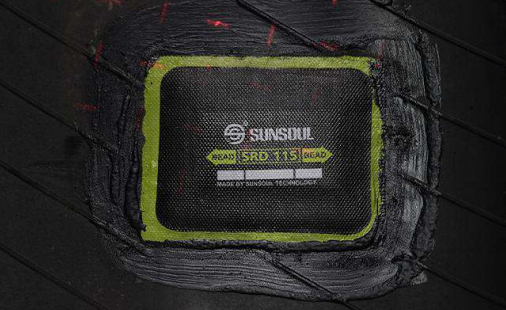
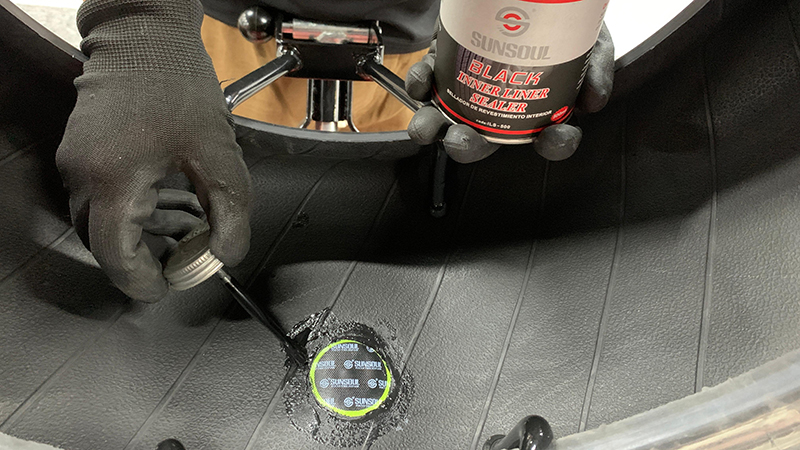
A patch’s service life depends entirely on how effectively it seals the puncture site. Fully vulcanized patches form an impenetrable internal seal inside the tire. To achieve this durable result, technicians must demount the tire fully and apply vulcanizing cement properly. Well-executed vulcanized repairs last as long as the tire itself and prevent air leakage for years.
If a puncture is poorly sealed, moisture seeps into the tire interior. This corrodes the steel wire reinforcement layers, weakens the tire structure and may lead to tread separation down the line, severely compromising tire reliability.
SUNSOUL repair patches are engineered with multiple functional features that elevate air tightness and durability. Their specific benefits are detailed below:
| Feature | Contribution to Air Tightness & Longevity |
|---|---|
| Reinforced structural design | Prevents patch deformation and eliminates micro air leaks |
| Premium raw rubber materials | Resists abrasion and aging, extending overall patch lifespan |
| Integrated leak-proof sealing layer | Blocks air permeation and maintains steady tire pressure |
| Complete vulcanization curing | Creates permanent molecular bonding between patch and tire rubber |
| Flexible rubber composition | Stretches and contracts with tire movement to avoid cracking |
| Eco-friendly adhesive underlayer | Works smoothly with modern professional tire repair systems |
| Central injury covering zone | Fully covers puncture openings for enhanced sealing efficiency |
| Wide temperature adaptability | Performs reliably across varied climates and seasonal weather |
Vehicles fitted with these patches deliver steady, worry-free driving, with tires staying fully inflated without unexpected deflation. SUNSOUL also offers customized patch solutions, along with consistent product supply and aftersales support for tire dealers and professional repair technicians worldwide.
Comparison with other tire repair methods
Various repair techniques produce major differences in air retention capacity and service lifespan; full vulcanization consistently delivers the strongest bonding and sealing effects. Chemical cold vulcanization and dual-cure patches work for minor repairs but cannot match the performance of complete hot vulcanization.
The following table compares sealing performance and durability across mainstream tire repair options:
| Repair Method | Air Tightness Characteristics | Durability Performance |
|---|---|---|
| Traditional hand-applied cold patches | Bond quality varies widely due to inconsistent manual heating; prone to slow air leakage | Limited service life, especially when fitted at small roadside repair shops |
| Dual-cure repair patches | Uniform curing process delivers tight bonding with minimal air seepage | Combined chemical and thermal curing delivers higher tensile strength and longer service life |
| Hot vulcanized patches (full vulcanization) | Seamless permanent seal | Service life ranges from 5 to 8 years or longer |
Cold patch repairs only last 6 to 12 months before adhesive failure occurs. For passenger vehicles and commercial trucks requiring permanent, dependable puncture fixes, professional mechanics and tire retailers overwhelmingly recommend hot vulcanized patches.
| Repair Type | Average Service Lifespan | Typical Failure Cycle |
|---|---|---|
| Hot Vulcanized Patches | 5–8+ years | N/A |
| Cold Adhesive Patches | 0.5–1 year | 6–12 months |
Regular tire checks are essential for all passenger cars and commercial fleets. Neglected tire damage can lead to sudden blowouts and total loss of vehicle control on highways, posing huge risks to drivers and cargo. Proper vulcanized tire repairs cut fleet maintenance costs significantly while maximizing road safety, and routine tire upkeep keeps vehicles stable and reliable throughout their service life.
SUNSOUL tire repair patches are available for bulk wholesale and bespoke customization, suitable for nearly all vehicle types. Mechanics and dealers trust the brand for its exceptional adhesive strength and consistent air sealing; these patches handle all common puncture scenarios and effectively prevent air loss to safeguard every journey.
Limitations and considerations for tire repair
Potential drawbacks and costs
While full vulcanization delivers permanent tire repairs, it comes with a few practical limitations that professional technicians commonly note:
- If the original tire rubber has degraded severely, structural safety cannot be fully restored, and blowout risks remain elevated after repair.
- Frequent heavy-load use shortens the effective service life of any vulcanized repair over time.
- Improper installation or excessively large tire damage may void the manufacturer’s tire warranty.
- Full vulcanization requires specialized heating equipment and skilled, experienced technicians, making it more costly than temporary cold patching solutions. Vehicle owners need to weigh whether the long-term durability justifies the extra upfront expense.
When full vulcanization may not be necessary
Not every puncture repair requires complete hot vulcanization; faster, simpler methods are sometimes the more practical choice. The table below clarifies applicable scenarios for each mainstream repair technique:
| Repair Method | Bonding Mechanism | Ideal Application Scenarios |
|---|---|---|
| Full Hot Vulcanization | Permanent chemical molecular bonding | Heavy-duty, long-lasting repairs for large punctures and sidewall damage |
| Peel-and-Stick Adhesive Patches | Pure physical glue adhesion | Temporary emergency fixes; prone to gradual failure over time |
| Cold Vulcanization | Ambient-temperature chemical bonding | Quick roadside emergency repairs with no heating equipment available |
| Thermal-Activated Hot Vulcanization | Heat-triggered cross-link bonding | Precision permanent repairs carried out in professional tire workshops |
Vehicle owners often choose adhesive cold patches for quick roadside fixes on tiny nail holes when time is limited. The optimal repair method always depends on puncture size, damage location and tire condition.
SUNSOUL supplies a full lineup of tire repair solutions tailored to diverse needs. The brand offers free technical guidance for product application, fast refunds and item replacements, plus ongoing business support for tire shop partners. Bespoke customized patches are also available, with strict quality control enforced across all production stages to help technicians and vehicle owners select the safest, most appropriate repair option.
Full vulcanization maximizes repair durability and long-term air retention. Industry professionals advise fully demounting tires and fitting patches with dedicated air valve tools to achieve the best sealing results. Hot vulcanization works best for large punctures and tire sidewall injuries; for small tread punctures, standard patches plus plug repairs offer a safe, time-efficient alternative. SUNSOUL tire repair patches consistently deliver robust, trustworthy permanent sealing for all tire damage types.
FAQ
How does full vulcanization affect the air tightness of SUNSOUL Tire Patch?
Full vulcanization makes a strong bond with chemicals. This bond helps SUNSOUL Tire Patch stick well. It keeps air inside the tire. The patch lasts longer and stops leaks.
Can drivers use SUNSOUL Tire Patch for all types of vehicles?
SUNSOUL Tire Patch can be used on bikes, motorcycles, cars, trucks, and farm vehicles. Mechanics and drivers know it works well. The patch can be used in many repair jobs.
What is the difference between chemical cure and dual cure patches?
| Chemical Cure | Uses chemicals to stick | Fast repairs |
| Dual Cure | Uses heat and chemicals | Strong, long-lasting |