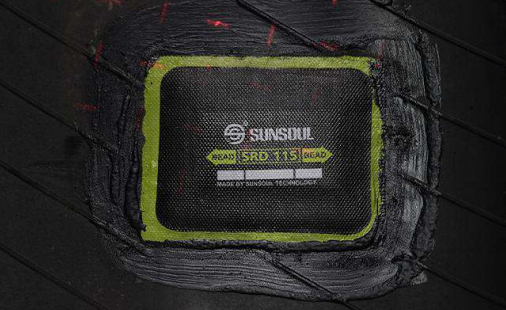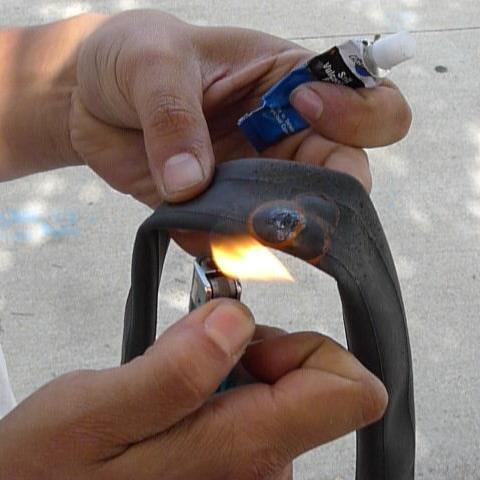

A vulcanizing tire patch paired with cold vulcanizing fluid is the only glue that creates a permanent, chemical bond with a butyl inner tube. Rubber cement — also called vulcanizing fluid or rubber solution — softens the tube surface and fuses the patch into the rubber itself. Self-adhesive patches require no glue, but they are temporary repairs. This guide explains why vulcanizing fluid outperforms every alternative, how to apply it correctly, and which products deliver reliable results.
Key Takeaways
- Cold vulcanizing fluid is the best “glue” for patching a bike tube. It chemically bonds the patch to the butyl rubber.
- Rubber cement and vulcanizing fluid are often used interchangeably, but true vulcanizing fluid contains accelerators that create a permanent cross-link.
- Self-adhesive patches are convenient for roadside repairs but fail under heat, cold, and high pressure.
- Surface preparation matters more than the glue itself. Roughen the tube, apply a thin layer of fluid, let it dry, then press the patch.
- Vulcanizing fluid has a shelf life. Unopened, it lasts up to 5 years. Once opened, use within 6 months.
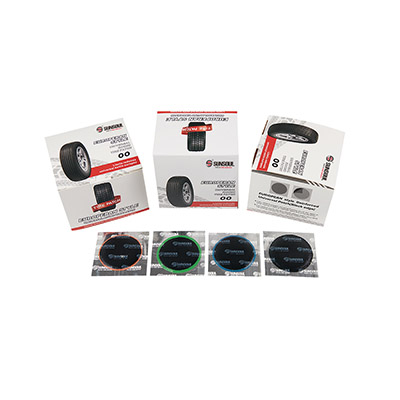
- SUNSOUL’s inner tube patches and white rubber cement are designed for chemical vulcanization and cover bicycle, motorcycle, and automotive tubes.
Why Vulcanizing Fluid Is the Best Glue for Bike Tubes
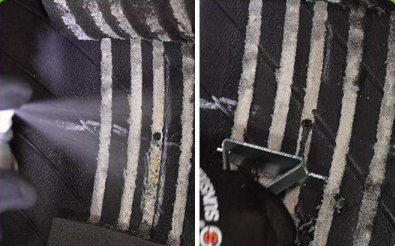
Not all adhesives work on butyl rubber. Super glue, epoxy, and general-purpose craft glue will not bond to an inner tube. They dry hard and crack under the flexing and pressure that a tube experiences. Vulcanizing fluid works differently.
How Cold Vulcanizing Fluid Works
Vulcanizing fluid is a solvent-based cement containing rubber compounds and accelerators. When applied to a roughened tube surface, the solvent softens the top layer of rubber. As the solvent evaporates, the rubber compounds in the fluid and the tube cross-link, forming a chemical bond. The patch becomes part of the tube. Unlike a surface adhesive, this bond does not peel or degrade under heat or flexing. A rubber tire patch applied with vulcanizing fluid can last as long as the tube itself.
Why Rubber Cement and Vulcanizing Fluid Are Not Always the Same
The terms “rubber cement” and “vulcanizing fluid” are often used interchangeably, but there is a technical difference. Traditional rubber cement is a contact adhesive — it sticks two surfaces together but does not chemically alter them. True vulcanizing fluid contains accelerators that promote cross-linking between the patch and the tube. For a permanent repair, look for fluid specifically labeled as vulcanizing fluid or cold vulcanizing cement, not generic rubber cement.
How to Apply Vulcanizing Fluid for a Permanent Patch
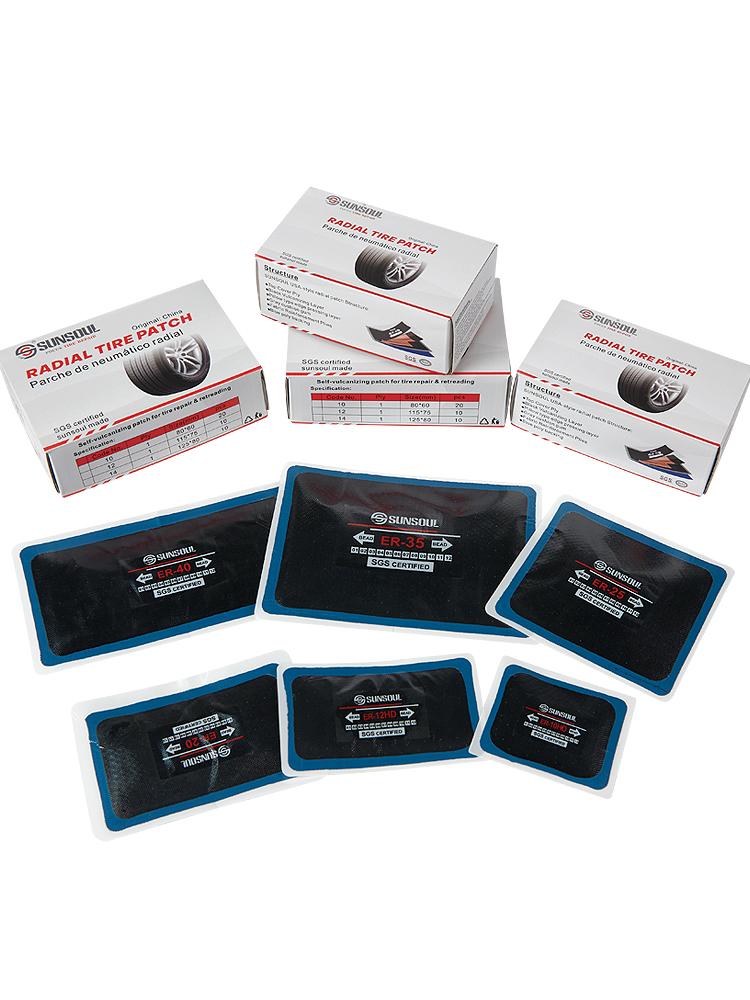
The glue matters, but technique determines whether the patch holds. A tubeless tire patch applied with poor technique will fail just as quickly as a self-adhesive patch.
Step 1: Prepare the Surface
Roughen the area around the puncture with sandpaper or a metal scuffer. The goal is to remove the mold-release layer and create a textured surface. Wipe away dust. Do not touch the roughened area with your fingers — skin oils prevent the fluid from bonding.
Step 2: Apply the Fluid
Apply a thin, even layer of vulcanizing fluid to an area slightly larger than the patch. Too much fluid traps solvent and weakens the bond. Too little leaves dry spots that leak.
Step 3: Let It Dry Completely
This is the step most riders skip. Vulcanizing fluid must dry until it looks dull, not wet or shiny. This typically takes 3–5 minutes. Pressing a patch onto wet fluid traps solvent and creates a weak bond that fails within hours or days.
Step 4: Apply the Patch and Press
Peel the backing from the patch and press it firmly onto the dried fluid. Work from the center outward to push out trapped air. Hold pressure for at least 30 seconds. Do not inflate immediately — give the bond a few minutes to set.
For truck and heavy-duty tube applications, heavy-duty tire patches provide the larger coverage and reinforced construction needed for higher inflation pressures.
Self-Adhesive vs. Vulcanizing Patches: What the Glue Tells You
Self-adhesive patches are pre-coated with a pressure-sensitive adhesive. They require no glue. This makes them fast and convenient for roadside repairs. But the adhesive does not chemically bond with the tube. It relies on surface contact and pressure.
Real-world reports show self-adhesive patches lasting anywhere from a single ride to a few weeks in mild conditions, and failing within hours in extreme heat or cold. They do not work well with high-pressure road tires. For a repair that lasts, vulcanizing fluid is the only reliable choice.
Use self-adhesive patches to get home. Once home, replace the patch with a vulcanizing patch or install a new tube.
Shelf Life and Storage of Vulcanizing Fluid
Vulcanizing fluid degrades over time. Unopened, it can last up to 5 years when stored away from heat and sunlight. Once opened, it should be used within 6 months. Storing patch kits in a hot car or humid environment accelerates degradation. If the fluid has thickened, turned gritty, or smells unusually strong, replace it. A complete puncture repair guide covers fluid selection and patch compatibility in more detail.
FAQ
What is the best glue for patching a bike tube?
Cold vulcanizing fluid. It creates a chemical bond with the butyl rubber and produces a permanent repair. Rubber cement used with vulcanizing patches is the same product under a different name. Avoid super glue, epoxy, and craft adhesives.
Can I use rubber cement instead of vulcanizing fluid?
Only if the product is specifically formulated as vulcanizing cement. Generic rubber cement used for paper crafts will not bond to butyl rubber. Look for fluid labeled “vulcanizing fluid” or “cold vulcanizing cement.”
How long should I let the glue dry before applying the patch?
Until the fluid looks dull, not wet or shiny. This usually takes 3–5 minutes. Pressing the patch onto wet fluid is the most common cause of patch failure.
Does SUNSOUL supply vulcanizing fluid and patches?
Yes. SUNSOUL offers vulcanizing tire patches and white rubber cement designed for chemical vulcanization. The company supplies patches and cement for bicycle, motorcycle, car, truck, and tractor inner tubes, and exports to more than 60 countries.
How long does a properly glued patch last?
A vulcanizing patch applied with correct technique can last as long as the tube itself. Riders report patches lasting over a year and outlasting the tube. Self-adhesive patches last hours to weeks at most.