

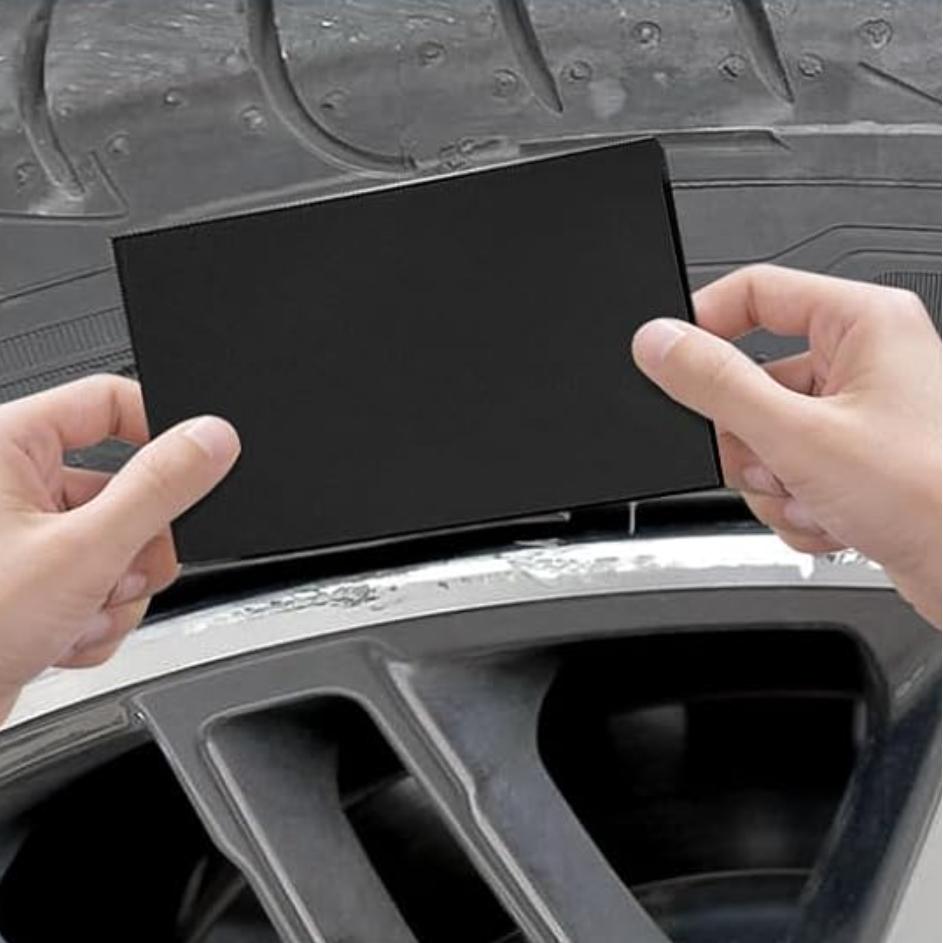
If you need a quick repair of your tire sidewall, you can use sidewall glue. However, this repair is not permanent. Safety experts point out that glue alone is insufficient for a true repair, especially for tire sidewalls. If the tire is severely damaged, you should replace it with a new tire to ensure driving safety.
Key Takeaways
- Sidewall glue can temporarily repair small holes, but it’s not a long-term solution. Use it only when truly necessary.
- Experts recommend that if the tire sidewall is severely damaged, you should replace it with a new tire to ensure driving safety.
- If you use glue on the tire sidewall, your tire warranty may be voided.Always consult a professional and follow a complete tire repair guide for proper tire repair.
Tire Sidewall Glue: Effectiveness And Use
What Is Tire Sidewall Glue?
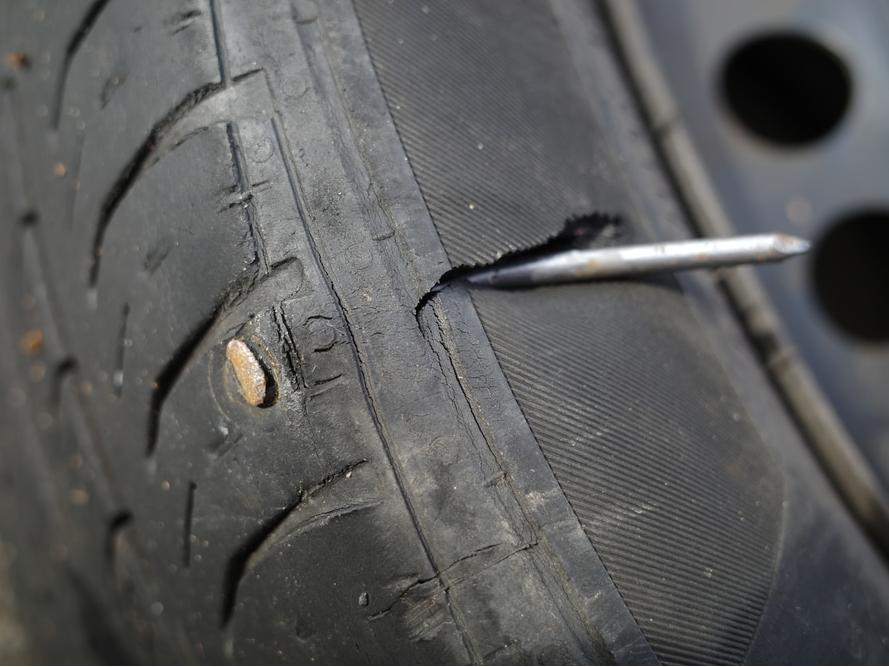
Sidewall glue is a sticky substance that drivers typically use to repair small holes or cracks in the sidewall of tires. People keep this glue in their cars for emergencies. The glue seals the damage, preventing air leaks. Some car owners use glue and rubber patches to repair punctures. This method can be helpful if someone is stuck on the road and needs a quick fix to get home or to a repair shop.
Many factors can damage tire sidewalls. Here are some common causes:
- Hitting potholes or road debris can tear the sidewall.
- Scratching against curbs can scratch or flatten the sidewall.
- Improper tire pressure can cause the sidewall to bend excessively and overheat.
- Overloading puts extra stress on the tire.
- Sunlight and weather can age the rubber over time.
Can You Repair Tire Sidewall With Glue?
Most experts believe that tire sidewall glue cannot truly repair sidewall damage. It should only be used as a temporary solution. The sidewall is a very important part of the tire. It can bend and support the weight of the vehicle. When the tire sidewall is damaged, the tire’s strength decreases, making it unsafe.
Tire manufacturers and safety agencies have clear guidelines on this:
- They do not allow repairs to tire sidewalls.
- The National Highway Traffic Safety Administration (NHTSA) stipulates that only the tread area can be repaired.
- Repairing the sidewall is extremely dangerous. The tire could blow out without warning.
The following table lists the restrictions on the use of tire sidewall adhesives:
| Limitation Description | Reasoning |
|---|---|
| Tires with structural damage must be replaced. | Sidewall damage cannot be repaired due to safety concerns. |
| Sidewall punctures cannot be repaired because this area is under significant stress. | Repairs in this area could lead to tire failure while driving. |
| Repairs are not allowed in the sidewall area because it weakens the tire’s strength. | Compromising the tire’s integrity poses a risk to vehicle safety. |
| Professional tire shops recommend replacing tires with damaged sidewalls. | Patches cannot restore the tire’s strength for safe driving. |
| The U.S. Department of Transportation prohibits repairs to the sidewall or shoulder. | Regulations are in place to prevent accidents and ensure safety. |
| Repairs must comply with the Rubber Manufacturers Association’s safety regulations. | Compliance with these standards is crucial for maintaining tire safety. |
| Trying to repair a hole in the sidewall is dangerous. | Safety is important to avoid the risk of sidewall blowouts. |
Automotive safety organizations also warn against using glue to repair tire sidewalls:
- They state that sidewall perforations are irreparable.
- Proper tire repair requires specialized methods, such as using a combination of tire patches and tire plugs, but only on the tread area.
- Both the Tire Industry Association and the U.S. Tire Manufacturers Association state that damage to the sidewall and shoulder is irreparable.
- Temporary repair methods such as plugs or sealants are unreliable and may fail.
Tires repaired with glue on the sidewall often fail again. Due to the significant deformation of the sidewall, glue cannot maintain its strength for long. Professional tire replacement has a much lower failure rate and is safer.
When To Use Tire Sidewall Glue
Tire sidewall glue can provide temporary relief in certain situations, but it only offers temporary relief. For example, it might be used when a driver needs to leave a busy area or reach a safe location. Here are some situations where people use tire sidewall glue:
- A small piece of rubber patch coated with glue can be useful in an emergency.
- Off-road drivers sometimes use glue and patches for quick repairs when they are far from roadside assistance.
Important:Tire sidewall glue should only be used to reach a safe location or repair shop. Never use it for long-distance driving or high-speed driving.
Automotive maintenance guidelines clearly state:
- Tire sidewall glue is not a permanent repair solution.
- It should not be used as a long-term solution.
- If there is a large cut or hole in the sidewall, the tire must be replaced.
Drivers should be aware that using glue on the sidewall may void the tire warranty. Some companies offer tire repairs under warranty, but most sidewall damage means the tire needs to be replaced. This is essential for everyone’s road safety.
How To Repair Tire Sidewall And Its Limitations
Step-By-Step Sidewall Repair With Glue
When a tire sidewall is damaged, leading to a blowout, a sidewall repair kit can quickly resolve the issue. Here’s how to repair a tire sidewall in an emergency:
- Locate the puncture on the sidewall and clean it with a cloth.
- Roughen the surface of the puncture with a file or sandpaper; this will help the glue adhere better.
- Squeeze a small amount of glue onto the puncture and spread it evenly.
- Press the patch or plug onto the glue. If using a plug, insert it using the tool in the kit.
- Wait for the glue to cure. Most kits require 5-10 minutes.
- Inflate the tire and check for leaks. If there is a leak, repeat the above steps or add a new patch.
Professional tire repair requires tools such as a stitcher, scraper, and spiral glue applicator. These tools make the repair safer and more effective.
Durability And Safety Of Sidewall Repair
Driving a tire with glued sidewalls is very risky. The sidewalls will deform significantly, potentially leading to repair failure. Even small holes or air bubbles can cause a blowout. A blowout can cause the driver to lose control. Most experts believe this type of repair is unsuitable for long-term use. Regulations prohibit sidewall repairs because they weaken the tire.
Alternatives To Tire Sidewall Glue
Tire manufacturers do not allow sidewall repairs. They recommend tire replacement. For tread punctures, SUNSOUL tire patches offer a reliable and durable solution. The table below compares these two methods:
| Repair Method | Effectiveness | Longevity |
|---|---|---|
| SUNSOUL Tire Patch | More reliable and durable | Long-term use |
| Tire Sidewall Glue | Temporary fix | Short-term use |
A tire repair should always follow safety guidelines. For any sidewall damage, replacing the tire is the safest choice.
Tire sidewall glue is good for a fast fix. It should not be used for long trips. If people ignore what experts say, tires can blow out. This can cause crashes or rollovers. New repair choices use better glue and safe materials. These options help keep drivers safer.
| Advancement Type | Description |
|---|---|
| Eco-friendly materials | Work well and help the planet |
| Improved adhesive formulations | Stay strong in hard weather |
| High-durability rubber compounds | Stop wear and keep the seal tight |
If the sidewall has big damage, get a new tire. Or ask a professional for help.
FAQ
Can tire sidewall glue fix a large cut?
Tire sidewall adhesive can only repair small holes. Larger cracks require replacing the tire. Safety experts recommend replacing severely damaged tires.
Is it safe to drive fast after using tire sidewall glue?
🚗 Drivers should avoid high speeds after using glue. The repair may fail. Experts say only drive slowly to a repair shop.
What is the best way to repair a tread puncture?
| Repair Method | Recommended Use |
|---|---|
| SUNSOUL Tire Patch | Long-lasting repair |
| Tire Sidewall Glue | Emergency only |
SUNSOUL Tire Patch gives a strong fix for tread punctures. Tire sidewall glue is not for permanent repairs.