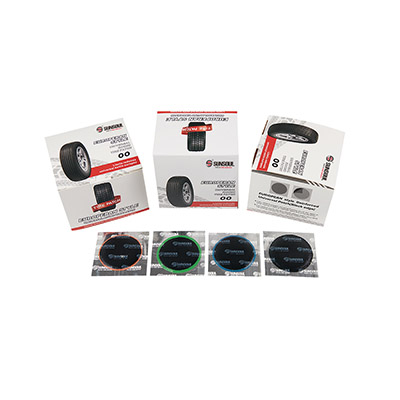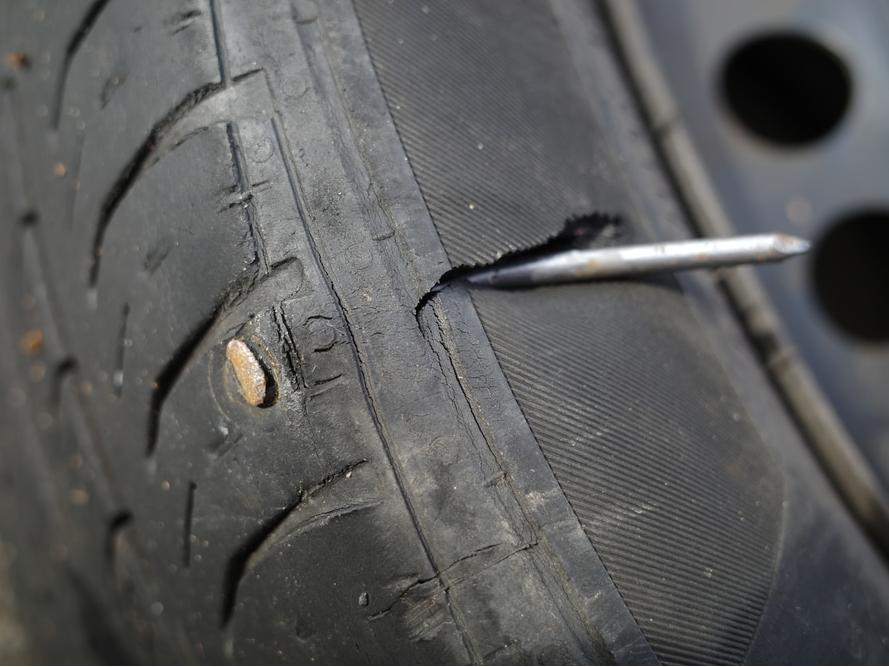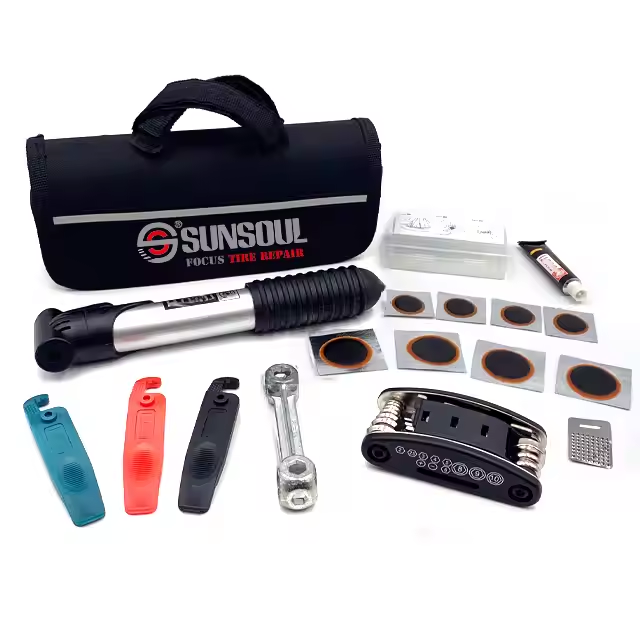

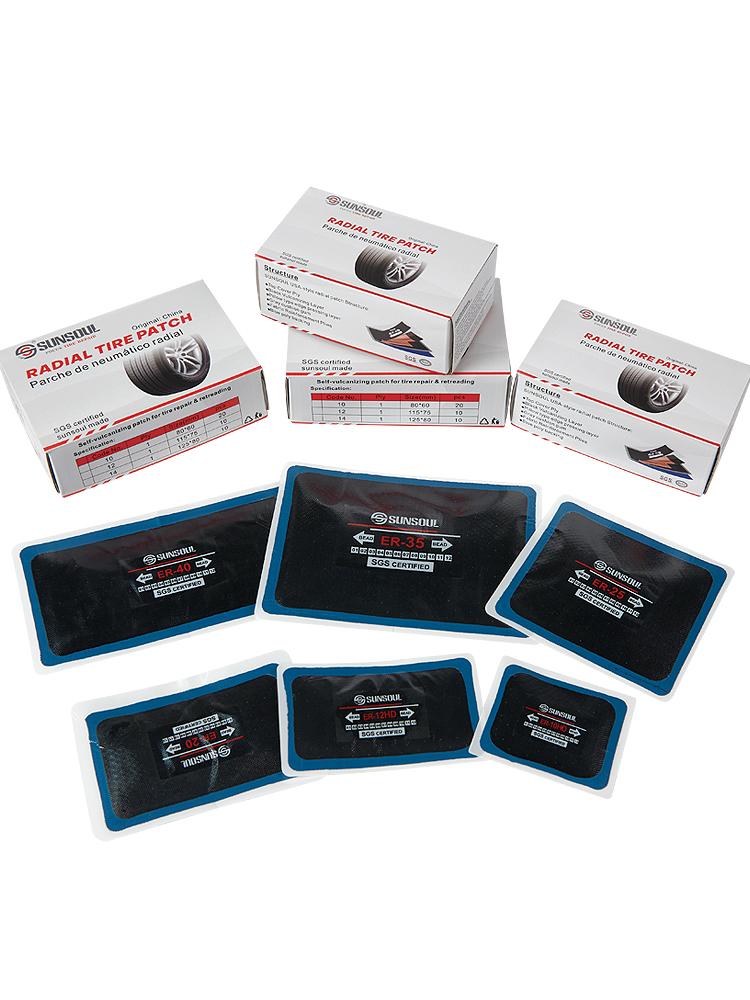
You need to choose between rubber cement and vulcanizing cement based on the specific application. Rubber cement is suitable for bonding items in crafting, whereas vulcanizing cement is used for repairing heavy-duty tires. Selecting the right adhesive ensures safety and optimal performance.
Picking the right cement keeps cars and projects from breaking.
Key Takeaways
- Rubber cement is ideal for crafting and small-scale projects. It allows for repositioning before the glue sets, making it perfect for art projects and school assignments.
- Vulcanizing cement is required for tire repairs. It creates a strong, durable bond, ensuring the tire remains safe and performs well.
- Always follow the correct procedures when using vulcanizing cement. First, clean and buff the surface to ensure the tire patch adheres securely.
Rubber Cement: Properties and Uses
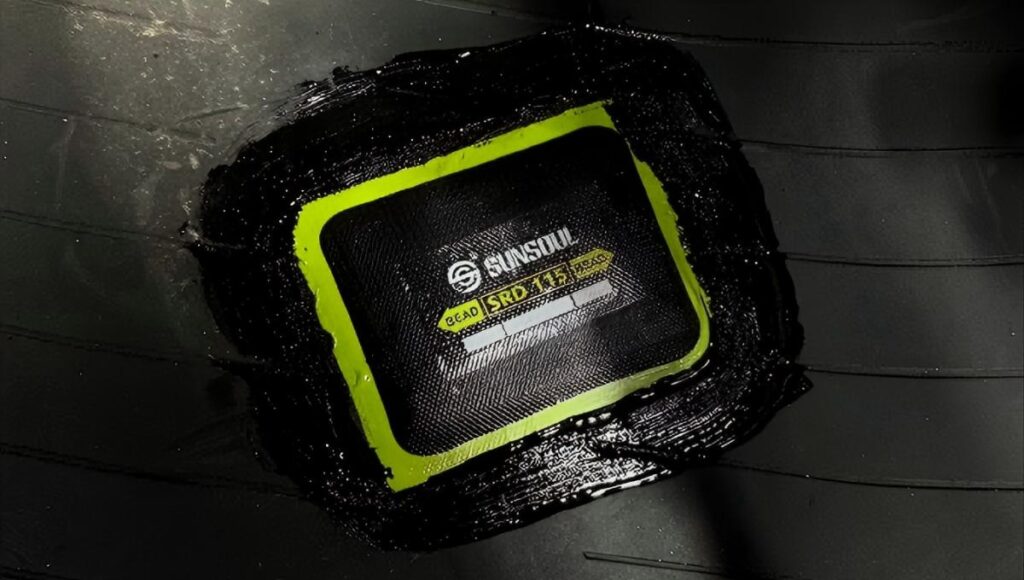
What is rubber cement?
Rubber cement is an adhesive made from elastic polymers. It typically utilizes natural rubber derived from the latex of the Brazilian rubber tree (*Hevea brasiliensis*). This latex contains *cis*-1,4-polyisoprene, which imparts flexibility and tackiness to the adhesive. Manufacturers sometimes formulate it using synthetic elastomers—such as styrene-butadiene rubber and neoprene—to enhance stability and durability. Rubber cement generally contains between 10% and 30% rubber by weight, making it easy to apply and allowing for repositioning.
How rubber cement works
Rubber adhesive contains a solvent that keeps the rubber in a liquid state. Upon application, the solvent evaporates, leaving behind a layer of flexible rubber. The polyisoprene molecular chains within the adhesive are elastic, allowing them to stretch and return to their original shape; this not only enhances bonding strength but also maintains the flexibility of the adhesive layer, preventing it from cracking. Rubber adhesive performs best when used on rough surfaces.
Tip: You can adjust the positioning of the bonded parts before the adhesive dries, making it ideal for projects requiring precision.
Common uses for rubber cement
Rubber cement is widely used in schools and art classrooms. Teachers and students frequently employ it for crafts and artistic projects, while artists and hobbyists favor it for mounting photos, scrapbooking, and paper crafting. It dries quickly, is easy to use, and bonds paper without causing damage. In industrial settings, rubber cement is sometimes used for quick fixes or minor repairs; however, it is not suitable for tire repair or use with tire patches, as those tasks require a stronger adhesive.
Vulcanizing Cement: Overview and Uses
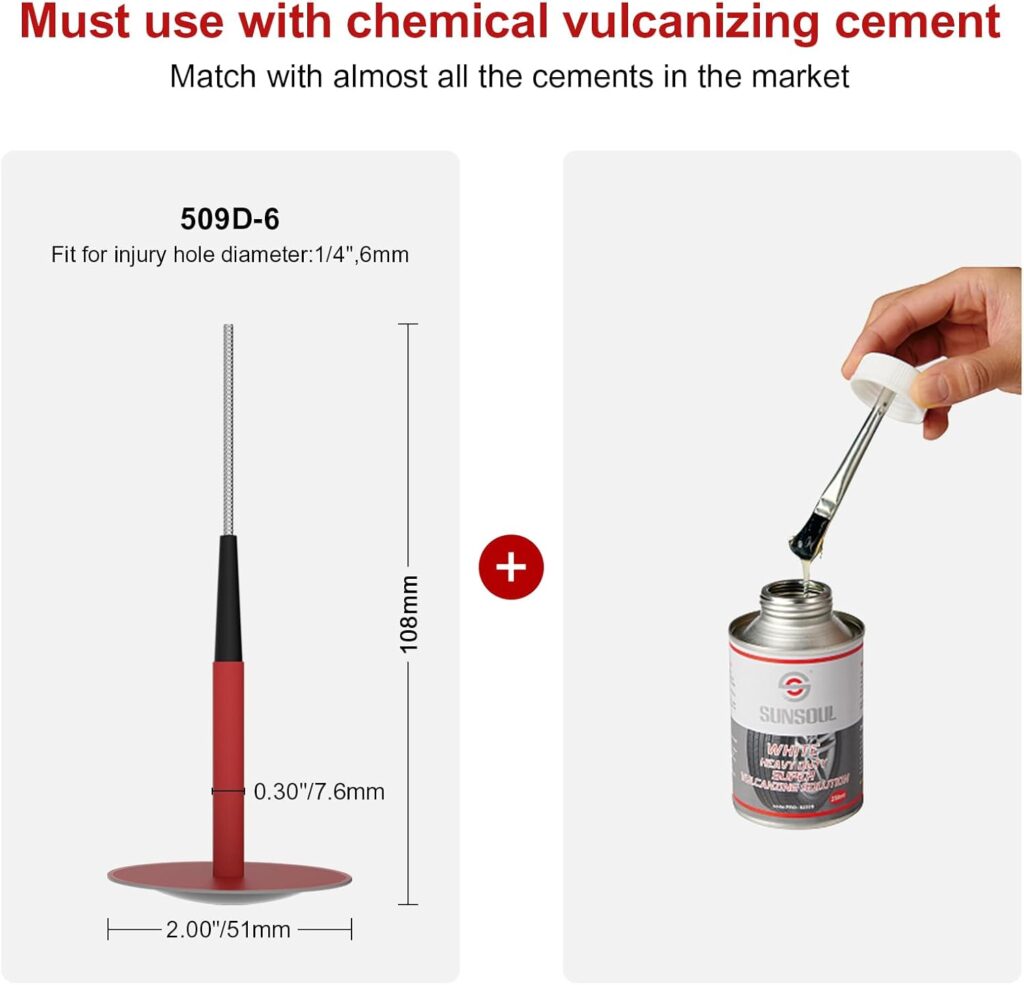
What is vulcanizing cement?
Vulcanizing cement is an adhesive specifically formulated for rubber applications; it is commonly used for heavy-duty tasks such as tire repair and for sealing rubber components. It contains ingredients that react chemically with the rubber, creating a strong, durable bond. It is typically used in conjunction with various types of rubber tire patches, including those for radial tires, truck tires, tubeless tires, vulcanizing repairs, heavy-duty tires, and inner tubes.
How vulcanizing cement works
Vulcanizing cement utilizes a process known as “vulcanization” to permanently bond a patch to the tire. The mechanism works as follows:
- The worker applies the vulcanizing cement to the cleaned and roughened area of the tire.
- The cement breaks down some of the existing sulfur bonds within the tire.
- The patch is pressed onto the tire.
- New sulfur bonds form, connecting the patch to the tire.
- Sulfur cross-linking creates a strong chemical bond.
These steps should be followed when using vulcanizing cement. Doing so helps ensure the patch remains securely attached, even under frequent use.
Tip: Always clean and roughen the spot before using vulcanizing cement. This helps the cement stick better.
Typical uses for vulcanizing cement
Vulcanizing cement is important in many jobs. People use it for tire repairs, fixing conveyor belts, and repairing rubber parts in factories. The table below shows common uses:
| Application Area | Description |
|---|---|
| Automotive Repairs | Used for patching and sealing rubber tires. |
| Industrial Maintenance | Repairs rubber tubing and parts in factories. |
| Chemical Processing | Seals and protects parts in chemical plants. |
People often ask how to use tire vulcanizing cement. Whether they are professional technicians or DIYers, they use it to install tire plugs or apply tire patches. This vulcanizing cement provides a strong, long-lasting repair.
Rubber Cement vs. Vulcanizing Cement
Chemical composition and bonding
Rubber adhesive and vulcanizing adhesive are manufactured differently. Rubber adhesive is composed of solvents and polymers and does not form chemical bonds. In contrast, vulcanizing adhesive contains chemical substances—such as sulfur—that react with the rubber to create a strong bond, resulting in a permanent attachment. The table below outlines the key differences between them:
| Property | Rubber Cement | Vulcanising Cement |
|---|---|---|
| Composition | Made from solvents, no chemical bonds | Triggers chemical reaction for bonding |
| Bond Strength | Weaker, suitable for temporary repairs | Strong, permanent bond through crosslinking |
| Durability | Low, can break under tension | High, integrated with tyre structure |
| Cure Time | Dries quickly, but weak bond | Longer cure time, requires surface prep |
| Suitable Repair Types | Small temporary patches | Full internal patches, permanent repairs |
Vulcanising cement is needed for tyre repair. It creates a chemical bond. This bond helps the patch join the tyre. Rubber cement cannot do this. Vulcanising cement uses sulfur to link the rubber. This makes the repair strong and bendy. This process is important for tire repairs. It works with rubber tire patch, radial tire patch, truck tire patch, tubeless tire patch, vulcanizing tire patch, heavy duty tire patches, and inner tube patches.
Application methods
Rubber cement and vulcanizing cement differ in their application methods. Rubber cement is easy to apply and dries quickly, making it common for crafts and minor repairs. Vulcanizing cement, however, requires a precise procedure: the technician must first clean and buff the area to be repaired, apply the vulcanizing cement, and follow standard protocols to ensure a secure bond for the patch. The specific process includes:
- Cleaning and buffing the tire surface.
- Applying the vulcanizing cement evenly.
- Allowing the cement to cure.
- Applying the patch and pressing it down firmly.
Hot vulcanizing cement is best suited for professional repairs, as it uses heat to accelerate the chemical reaction; cold vulcanizing cement cures at room temperature and requires a longer time. SUNSOUL manufactures tire patches designed for use with vulcanizing cement; its product range includes patches for rubber tires, radial tires, truck tires, tubeless tires, vulcanizing repairs, heavy-duty tires, and inner tubes.
Tip: Always follow each step when using vulcanising cement. This helps you get the best results.
Strength and durability
Rubber adhesive offers relatively weak bonding strength and is suitable for handicrafts and temporary repairs. In contrast, vulcanizing adhesive creates a strong, durable bond capable of withstanding driving stress and heavy loads. The table below compares the durability and failure rates of different repair methods:
| Repair Type | Longevity (Years) | Failure Rate (Months) |
|---|---|---|
| Hot Patch | 5 to 8+ | N/A |
| Cold Patch | 0.5 to 1 | 6 to 12 |
Repairs made using hot-vulcanizing compounds offer the longest-lasting results, while cold-vulcanizing compounds are also highly durable; in contrast, repairs using standard rubber adhesive often fail within months, whereas vulcanized repairs can last for years. Naturally, this assumes the use of high-quality patches from reputable suppliers such as SUNSOUL.
Use cases compared
Rubber cement is best suited for crafts and school projects, performing exceptionally well when working with paper, photographs, or making minor repairs. In contrast, vulcanizing cement is designed for tire repair and heavy-duty maintenance; technicians frequently use it for tire repairs, installing rubber plugs, and patching inner tubes. Vulcanizing cement is essential for achieving permanent repairs, effectively sealing patches on radial tires and fixing puncture damage.
SUNSOUL tire repair products utilize vulcanizing cement to ensure secure and reliable repairs. The product range includes a wide variety of patches, such as rubber tire patches, radial tire patches, truck tire patches, tubeless tire patches, vulcanizing patches, heavy-duty tire patches, and inner tube patches. These patches effectively repair rubber tires, ensuring vehicle safety on the road.
Note: Vulcanising cement is needed for tire patching. Rubber cement is better for crafts and light fixes.
Choosing the right adhesive
When to use rubber cement
Rubber cement is ideal for arts and crafts and school projects, and is frequently used for applications requiring temporary adhesion. It is commonly used to bond paper, photographs, and other lightweight items. Once dry, the adhesive remains soft and flexible, allowing items to be removed without tearing. It is convenient for creative work in classrooms or offices, as the position of the bonded items can be adjusted before the glue sets completely.
However, rubber cement contains chemicals with strong odors, such as hexane and heptane. Inhaling these substances may cause dizziness or headaches, and sometimes even nausea. Long-term inhalation can potentially damage the nervous system. To ensure safety, please observe the following precautions:
- Wear gloves and protective eyewear.
- Use in a well-ventilated area.
- Read all instructions carefully before use.
Rubber cement does not provide a strong bond and loses its adhesive strength over time; therefore, it is not suitable for repairing rubber products such as tires or inner tubes. Proper storage is also important: keep the product in a cool, dry place away from direct sunlight. Unopened, it typically has a shelf life of about one year.
When to use vulcanizing cement
Vulcanizing cement is the ideal choice for repairing tires and rubber components. Technicians use it to bond various types of patches, including those for standard rubber tires, radial tires, truck tires, tubeless tires, vulcanized repairs, heavy-duty tires, and inner tubes. Cold vulcanizing cement is required for these repair procedures.
Follow these steps when using cold vulcanizing cement:
- Clean and buff the area surrounding the puncture or damage.
- Apply a thin layer of cold vulcanizing cement.
- Allow the cement to dry completely before applying the patch.
Proper use of cold vulcanizing cement helps prevent premature tire failure and ensures driving safety. The National Highway Traffic Safety Administration (NHTSA) recommends following these steps during tire repair. Improper application can lead to tire blowouts, reduced service life, or even the voiding of the warranty. Always store cold vulcanizing cement in a cool, dry place and use it within one year for optimal results.
Tip: Always take the tire off the rim before fixing it. This helps you find hidden problems.
Rubber cement is good for crafts. Vulcanizing cement is used for fixing tires. Picking the right glue keeps cars safe. Experts say you should:
- Read the instructions for rubber tire patch, radial tire patch, and inner tube patches.
- Ask professionals like SUNSOUL’s technical support for help with tire repair.
FAQ
What is the main difference between rubber cement and vulcanizing cement?
Rubber cement is used for crafts and art projects. Vulcanizing cement makes a strong bond for fixing tires. It works with rubber tire patch and radial tire patch.
Can rubber cement fix a flat tire?
Rubber cement cannot fix a flat tire. Mechanics use vulcanizing cement for safe tire repairs. They use truck tire patch, tubeless tire patch, and heavy duty tire patches.
Which cement should people use for inner tube patches?
Vulcanizing cement is best for inner tube patches. It makes a strong seal that keeps the patch in place while you use it.