
Self-vulcanizing tire patches bond to the tire through a chemical reaction, offering a robust and reliable repair method. Unlike traditional patches that rely solely on adhesive, self-vulcanizing patches create a durable seal, resulting in superior strength and longevity, and are suitable for a wide range of tire types.
Key Takeaways
- Self-vulcanizing tire patches bond to the tire through a chemical reaction, making them more secure than patches applied with standard adhesive.
- Proper surface preparation is essential for the patch to be effective. Cleaning and buffing the area around the puncture helps ensure a tight seal and extends the patch’s service life.
- SUNSOUL offers a wide range of high-quality tire patches suitable for various types of tires. These patches are designed for both quick fixes and durable, long-lasting repairs.
Vulcanization Science in Self-Vulcanizing Patches
Chemical Process in Self-Vulcanizing Patches
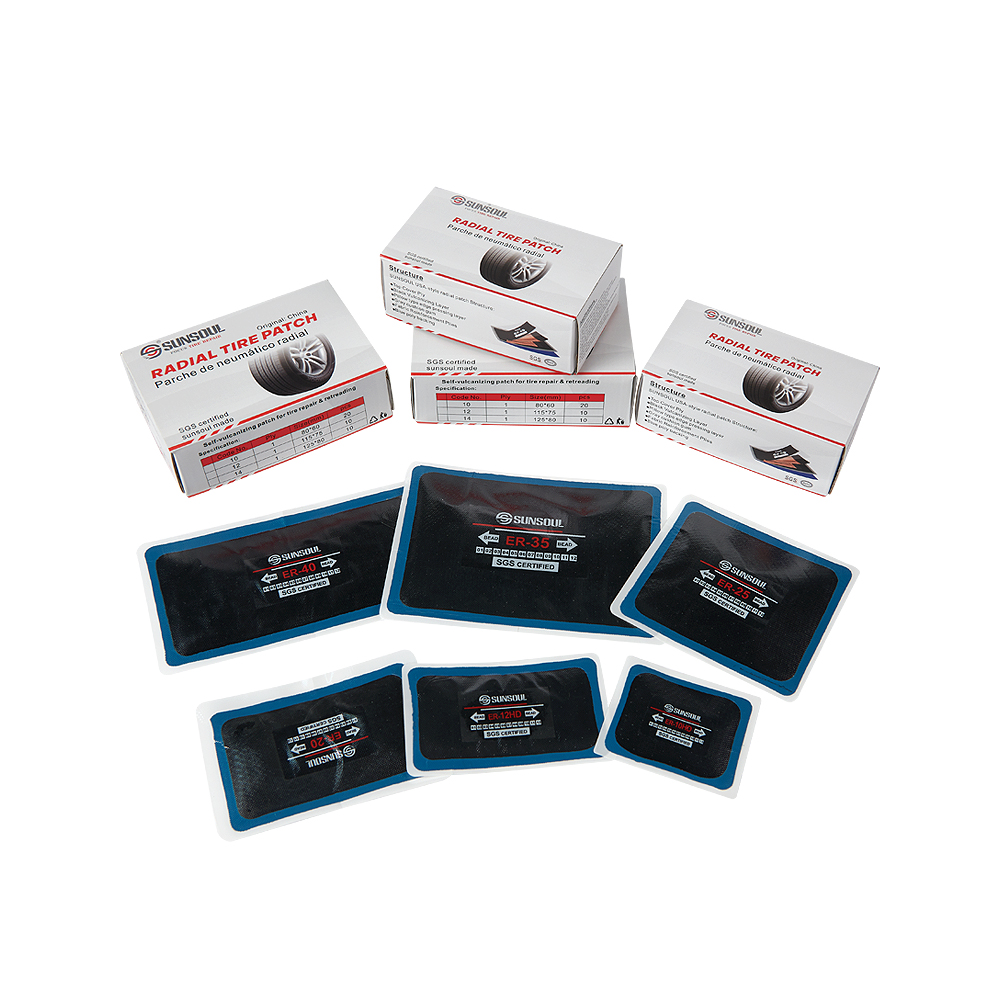
Self-vulcanizing tire patches utilize a specific chemical process to repair tires. When the patch is applied, the chemicals within it react with the tire rubber. This reaction is known as vulcanization. The vulcanization process creates a strong bond between the patch and the tire—a bond referred to as “cross-linking.” Cross-linking helps the patch maintain its adhesion and ensures long-lasting durability.
The primary chemical reactions depend on the type of rubber used. With natural rubber, sulfur replaces certain hydrogen atoms to form sulfur chains, thereby creating a cross-linked structure; these cross-links enhance the rubber’s strength. For neoprene (polychloroprene rubber), metal oxides such as magnesium oxide or zinc oxide facilitate the process, while ethylene thiourea accelerates the reaction rate.
Key chemical reactions in self-vulcanizing tire patches:
- Sulfur replaces carbon-hydrogen (C-H) bonds in the rubber and forms sulfur chains, resulting in cross-linking.
- Metal oxides such as magnesium oxide (MgO) and zinc oxide (ZnO) facilitate the reaction in neoprene (polychloroprene rubber).
- Ethylene thiourea accelerates the curing process.
Cross-linking is crucial for ensuring the durability of the tire patch. It maintains a secure bond even when the tire flexes or is in motion. The table below illustrates how cross-linking extends the service life of the tire patch:
| Mechanism | Contribution to Durability |
|---|---|
| Molecular chain mobility and crosslinking recovery | Brings back strength and stickiness after damage |
| Microencapsulated healing agents | Helps fix the bond and keep the patch together at damaged spots |
| Reversible chemical bonds | Lets the patch heal again and again while staying sticky |
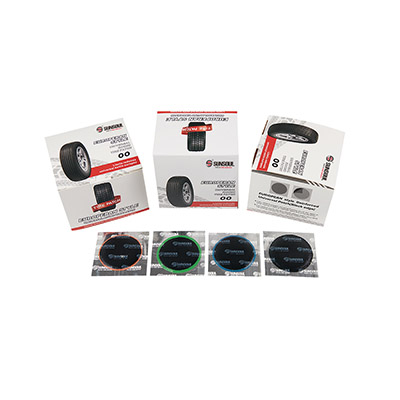
SUNSOUL is an industry-leading enterprise that employs a vulcanization process in the manufacture of various tire repair patches. Its product range includes patches for standard rubber tires, radial tires, truck tires, tubeless tires, and heavy-duty tires. Each patch is engineered for specific repair requirements, offering a wide range of applications that cover everything from sealing tiny punctures to repairing large truck tires.
Materials Used in Vulcanizing Patch
The material composition of vulcanizing tire patches is crucial to their performance. SUNSOUL utilizes high-quality natural rubber—combining flexibility with strength—in every patch. A fabric reinforcement layer provides added durability, enabling the patch to withstand the internal pressure and deformation experienced by the tire.
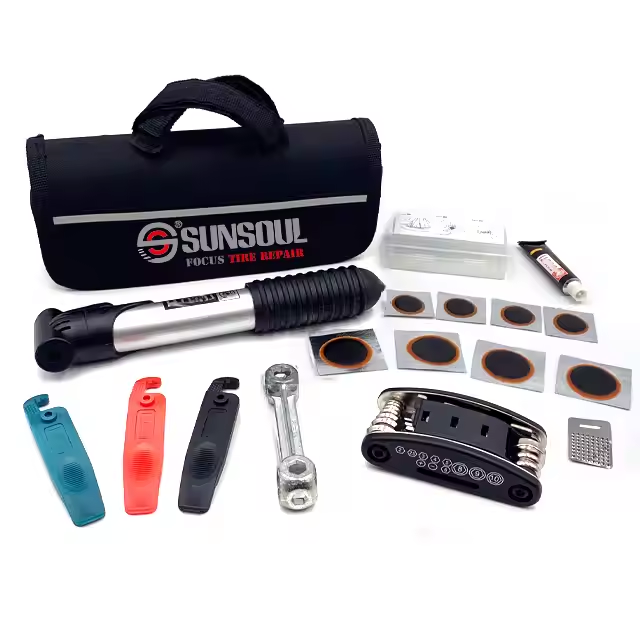
SUNSOUL offers a diverse range of vulcanizing patches suitable for passenger cars, trucks, and motorcycles, covering both inner tube and tire casing repairs; the products support both hot and cold vulcanization methods. Additionally, the company provides customized patch solutions for bulk orders.
Note: SUNSOUL offers an 18-month warranty on its products, covering the universal patch line and the entire product portfolio. Customers can rely on the robust durability of these tire patches.
Thanks to the use of premium materials and chemical vulcanization technology, these self-vulcanizing patches are an ideal choice for tire repair. SUNSOUL’s rigorous quality control ensures that every patch delivers outstanding performance under various operating conditions.
Applying Self-Vulcanizing Patches: Step-by-Step
Surface Preparation for Tire Repair
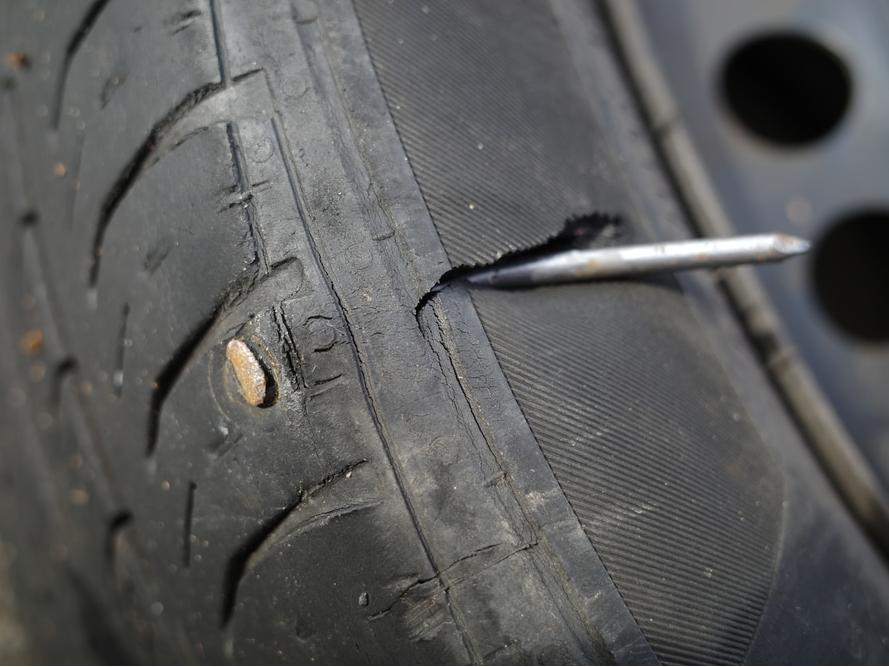
The first step is to properly prepare the tire. The technician identifies the damaged area and cleans it thoroughly. Using 250-grit sandpaper, the surface is abraded—extending half an inch (approximately 1.3 cm) beyond the damage—until the texture is rough and matte. All loose rubber debris must be removed, and isopropyl alcohol is used to eliminate dust and oil.
Tip: Thoroughly abrading the surface promotes a stronger bond for the patch, thereby extending its service life.
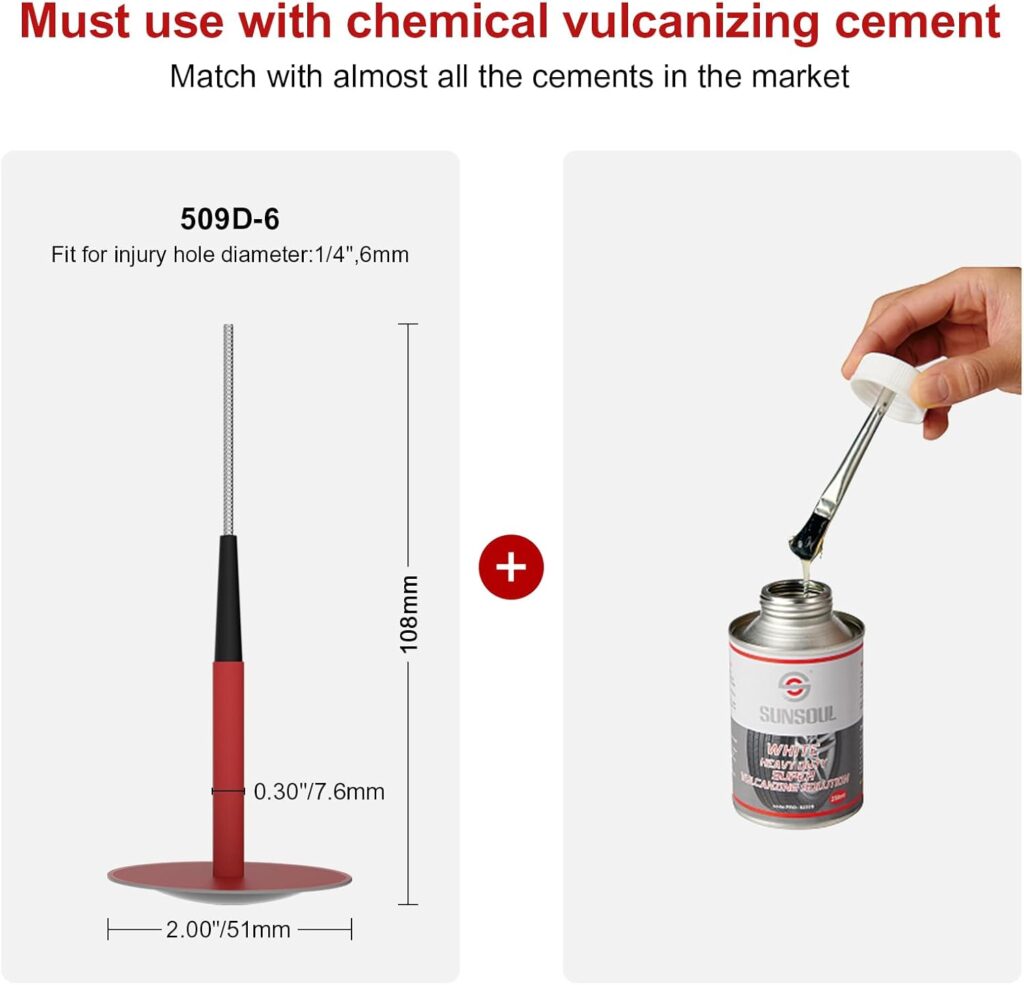
Once sanding is complete, apply primer and vulcanizing cement to create a strong chemical bond. Using GRC rubber cement ensures a durable, long-lasting repair.
Applying Self-Vulcanizing Patch
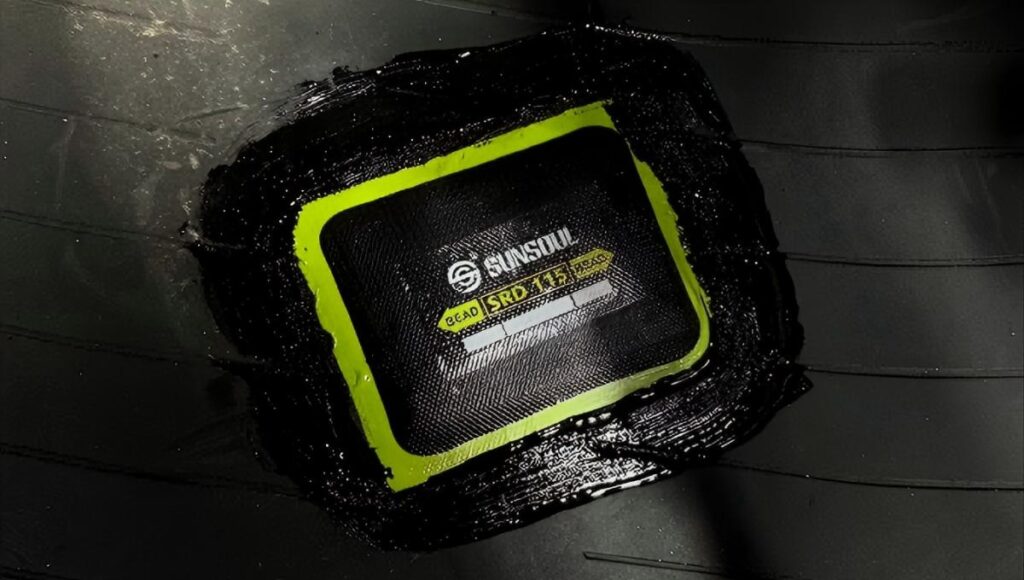
Exercise caution when using adhesive to repair tires or inner tubes. Open the tube and puncture the seal. Apply a thin, even layer of adhesive around the damaged area, covering a surface slightly larger than the patch itself; be careful to use an appropriate amount and avoid over-application. Allow a few minutes for the adhesive to dry. When peeling off the backing paper from the patch, handle it only by the edges.
SUNSOUL offers both heat-vulcanizing and cold-vulcanizing patches. Heat-vulcanizing patches (such as those for heavy-duty and radial tires) create a strong, durable bond, while cold-vulcanizing patches (such as those for tubeless tires and inner tubes) are suitable for quick, short-term repairs.
Curing and Bond Strength
The curing time of a patch affects its bond strength. Hot-patch repairs offer greater durability, capable of withstanding harsh weather and heavy use, whereas cold-patch repairs are suitable for short-term fixes, with their effectiveness depending on the quality of the patch itself and the application method. The hot-patch process utilizes heat and pressure to achieve a tight seal.
Self-Vulcanizing vs. Traditional Tire Repair
Self-Vulcanizing vs. Traditional Patches
Both self-vulcanizing patches and traditional patches can repair punctures in tires, but they operate on different principles. Self-vulcanizing patches bond to the tire through a chemical reaction, whereas traditional patches rely on adhesive. Many technicians prefer self-vulcanizing patches due to their quick application and secure seal; however, traditional patches offer superior durability, particularly when repairing larger punctures.
- When used correctly, self-vulcanizing patches deliver excellent results.
- Traditional patches are better suited for repairing larger punctures and offer a longer service life.
- In some cases, moisture may seep beneath the patch, leading to subsequent issues.
- While tire plugs and pre-glued patches allow for rapid application, they do not provide the same level of bond strength as vulcanizing patches or heavy-duty patches.
SUNSOUL manufactures a wide range of tire patches, including rubber patches, radial tire patches, truck tire patches, tubeless tire patches, and inner tube patches. Each type is designed for specific applications or vehicle models.
Advantages in Tire Repair
Self-vulcanizing tire patches offer numerous advantages. They are easy to use, making them simple for even beginners to handle. They are also affordably priced—offering excellent value at $22.70 for a pack of 20. Made from durable rubber, they ensure a long-lasting and reliable repair.
| Feature | Description |
|---|---|
| Ease of Use | Makes fixing tires easy for everyone. |
| Cost-Effective | 20 patches cost $22.7, so you save money. |
| Durable Patches | Good rubber keeps the patch strong for a long time. |
SUNSOUL utilizes high-quality rubber and an innovative vulcanization process to produce tire repair patches that form a chemical bond with the tire—a bond far stronger than that achieved with standard adhesives. Committed to product excellence and a global market presence, SUNSOUL offers a wide range of tire repair plugs and pre-cemented patches designed to meet the needs of modern vehicle owners.
Note: SUNSOUL is dedicated to the ongoing research and development of durable, high-performance tire repair products. Its vulcanizing patches, rubber patches, and repair plugs provide effective solutions for tire repair.
Provided the application steps are followed correctly, self-vulcanizing tire patches can effectively repair tires. To ensure a secure bond, you need to:
- Buff and thoroughly clean the area to be repaired.
- Apply the adhesive evenly, covering the entire repair area.
- Do not remove the protective plastic film too early.
SUNSOUL vulcanizing tire patches maintain tire strength, effectively preventing air leaks and blocking out moisture.
FAQ
How long does a SUNSOUL vulcanizing tire patch repair last?
A SUNSOUL vulcanizing tire patch can last up to 18 months. The patch stays strong due to its chemical bond and textile reinforcement.
Can self-vulcanizing patches fix all types of tires?
Self-vulcanizing patches work on cars, trucks, bicycles, and motorcycles. SUNSOUL offers rubber tire patch, radial tire patch, and heavy duty tire patches for different needs.
What is the difference between a rubber tire patch and a rubber tire plug?
A rubber tire patch covers the puncture from inside the tire. A rubber tire plug fills the hole from outside. Both help stop air leaks.