
Yes, a bike tube patch is worth it for most single punctures — a quality inner tube patch costs under $1 and can last 2–7 years, while a new tube runs $7–$12 or more. The decision comes down to puncture type, tube condition, and your time. This guide covers when to patch, when to replace, and how to do it right.
Key Takeaways
- For permanent repairs, a rubber tire patch is twice as strong as the tube being repaired.
- A patch kit costs about $0.25–$1 per repair, compared to $7–$12 for a new tube.
- A vulcanizing tire patch forms a chemical bond and can last as long as the tube itself.
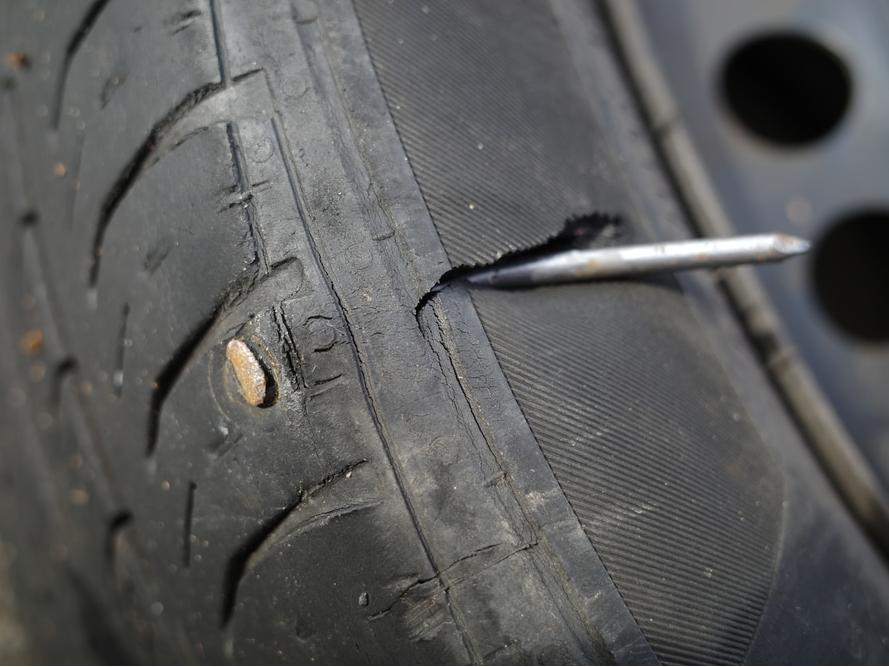
- Patch a single small hole in a healthy tube; replace the tube if it has multiple holes, a large tear, or damage near the valve stem.
- Glueless patches are for roadside emergencies only — they last months, not years.
When Is a Bike Tube Patch Worth It?
Patch It: Single Small Hole in a Healthy Tube
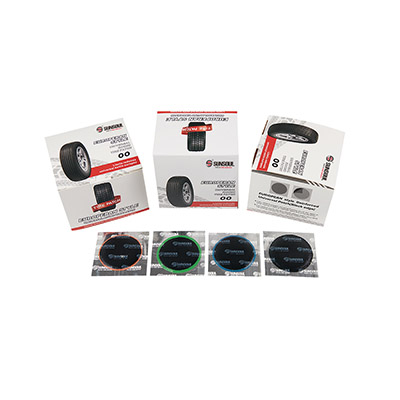
A single pinhole or thorn puncture in a tube with good rubber is the ideal candidate. A properly applied vulcanizing tire patch creates a permanent chemical cross-link with the tube rubber, restoring 98% bond strength. This saves the cost of a new tube and keeps a healthy tube in service. SUNSOUL inner tube patches are reinforced to resist dimpling and maintain flexibility, available in sizes from 30 mm to 70 mm to match puncture size.
Replace It: Multiple Holes, Large Tears, or Valve Damage
Replace the tube when it has three or more patches, a tear larger than the patch can cover, or damage near the valve stem. A puncture on the seam is also a replacement case — seam repairs are prone to sudden rupture under pressure. Snakebite punctures from pinch flats are difficult to patch reliably and usually call for a new tube.
How to Apply a Bike Tube Patch: Step by Step
Step 1: Locate the Puncture
Inflate the tube slightly and immerse it in water. Watch for bubbles rising from the hole. Mark the location with a ballpoint pen, drawing a cross centered on the hole and larger than the patch you will apply.
Step 2: Roughen and Clean the Area
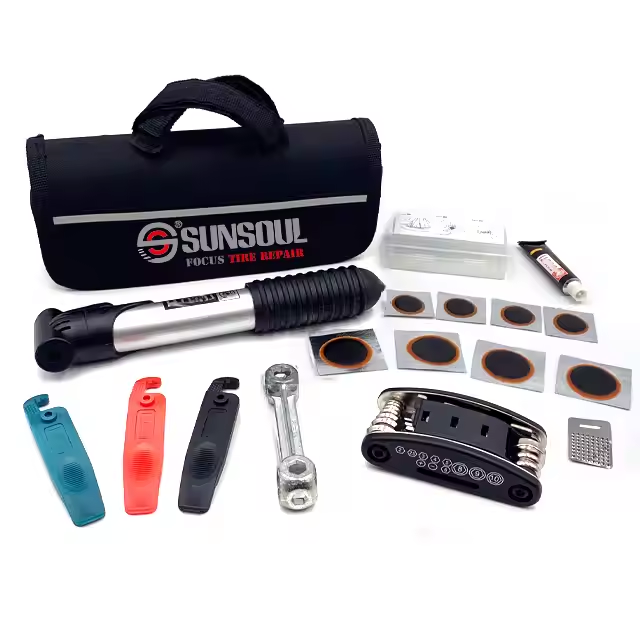
Use the sandpaper or metal scuffer from your patch kit to roughen the surface around the puncture. The roughened area should be larger than the patch. This step removes the smooth outer layer and gives the vulcanizing fluid a surface to grip.
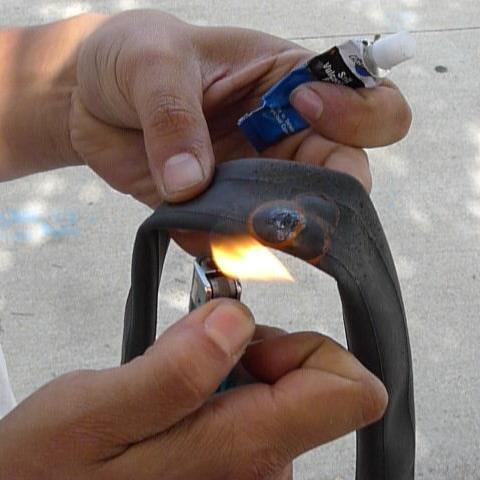
Step 3: Apply Vulcanizing Fluid and Wait
Spread a thin, even layer of vulcanizing solution over the roughened area. Let it dry completely — at least five minutes. The fluid must turn from glossy to dull before you apply the patch. Applying the patch too early is the most common cause of patch failure.
Step 4: Press the Patch and Check the Seal
Peel the backing from the patch and center it over the hole. Press down firmly for a full minute, then remove the thin plastic sheet. Inflate the tube to check that the patch stretches with the tube. If a bubble appears at one edge, remove the patch and start again with more roughening and longer drying time.
Choosing the Right Tube Patch for the Job

Vulcanized Patches for Permanent Repairs
Vulcanized (glue-on) patches are the standard for repairs meant to last. They form a chemical cross-link with the tube rubber, not just an adhesive bond. A quality rubber tire patch is designed to be permanent and is twice as strong as the tube being repaired. For wholesale buyers, SUNSOUL offers custom sizes and OEM/ODM options, serving distributors in 60+ countries.
Glueless Patches for Roadside Emergencies
Self-adhesive patches apply in seconds without glue, but they are temporary. They typically last months, not years, and should be replaced with a proper vulcanized repair once you are home. Carry them as a backup, not as your primary repair method.
FAQs About Patching Bike Tubes
How long does a patched bike tube last?
A properly applied vulcanized patch can last 2–7 years, often matching the remaining life of the tube. Glueless patches last months and should be treated as temporary.
Can I patch a tube more than once?
Yes, but replace the tube once it has three or more patches, or when patches begin to overlap. Multiple patches close together weaken the tube structure.
Is a patch as safe as a new tube?
A vulcanized patch creates a permanent bond that performs like the original rubber. A correctly applied patch is as safe as a new tube for normal riding. Glueless patches are not — they are emergency-only.
What if my tube is TPU, not butyl rubber?
TPU tubes require special TPU-specific patch kits. Standard butyl patches and glueless patches will not stick to TPU. Check your tube material before selecting a patch.