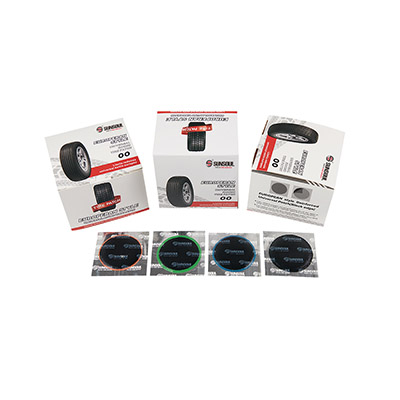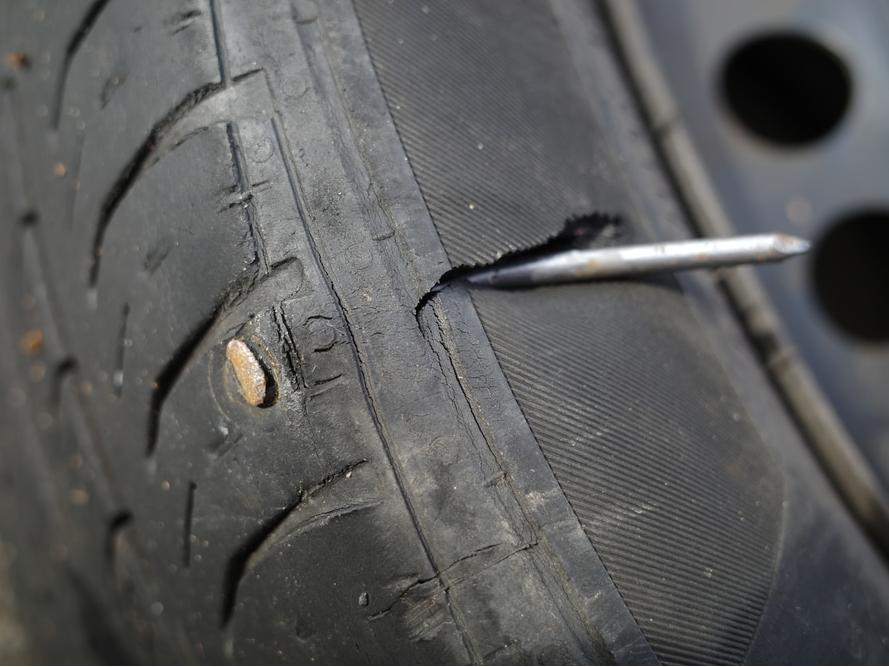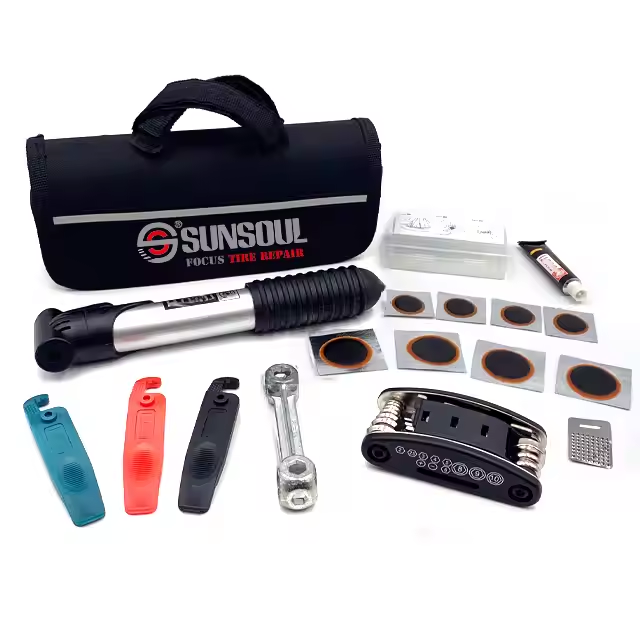

Yes, a vulcanized tire is safe to use when a properly applied vulcanizing tire patch repairs a tread-area puncture — but not when the damage is on the sidewall or the retread is uncertified. A quality rubber tire patch can restore 98% bond strength; sidewall damage or uncertified retreads are not safe for highway driving.
Key Takeaways
- A vulcanized tire repair is safe only for tread-area punctures ≤6 mm.
- Sidewall, shoulder, and bead damage cannot be repaired safely.
- A properly applied vulcanizing patch can restore 98% bond strength.
- Repaired tires should avoid high speed and heavy loads for 24 hours.
- For wholesale, custom, and OEM/ODM sourcing, work with a manufacturer like SUNSOUL, not a trading company.
What Is a Vulcanized Tire and When Is It Safe?
Definition: Retreading vs. Repair Vulcanization
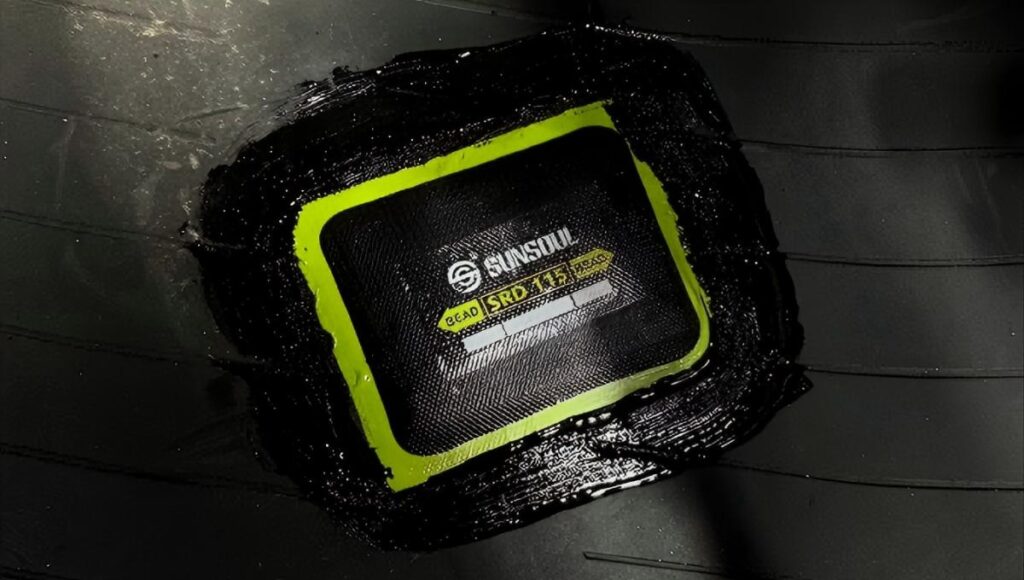
Vulcanized tire repair uses a patch to seal small tread punctures (≤6 mm). Retreading renews the entire casing. They are different processes with different safety profiles.
The Vulcanization Process and Safe Applications
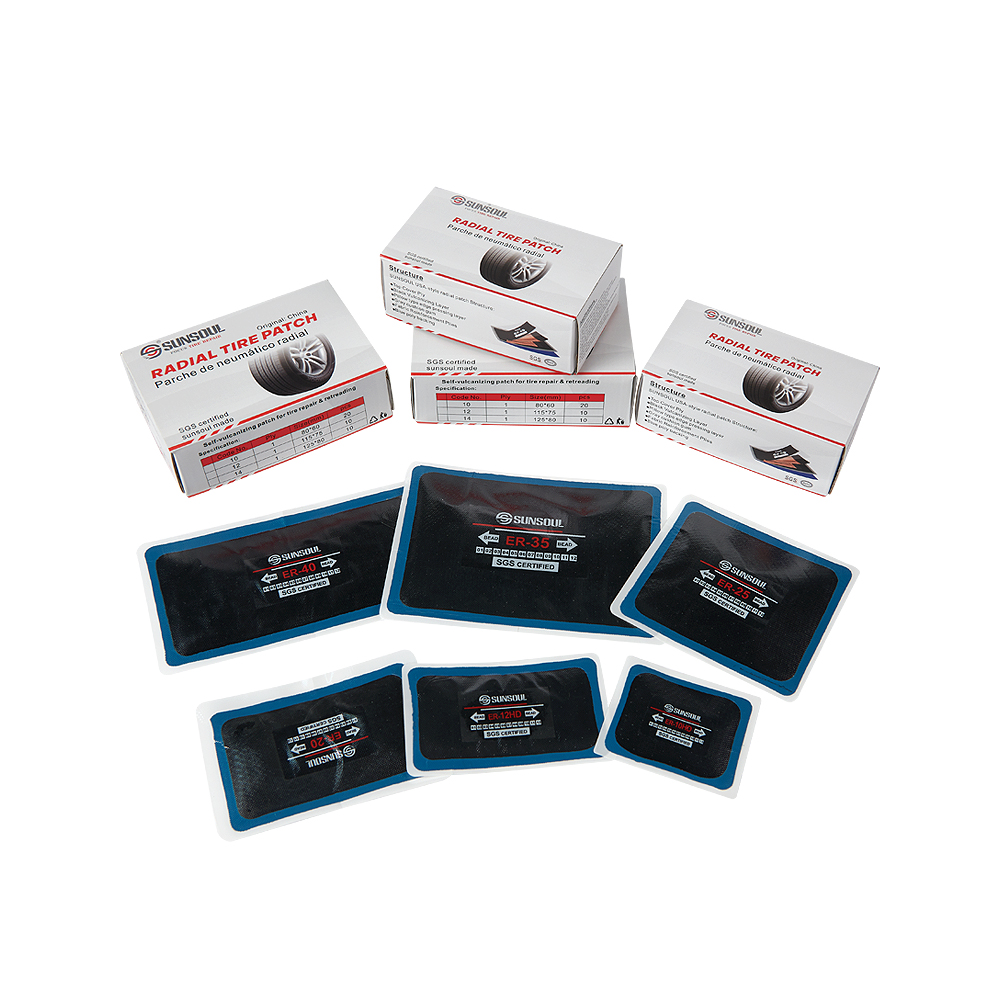
Sulfur cross-links polymer chains under heat and pressure. SUNSOUL Chemical Cure patches achieve 98% bond strength. NHTSA testing shows properly vulcanized internal repairs pass FMVSS 109 high-speed tests. Third-party testing: a repaired tire ran 4,455 miles before failure, vs 7,000 miles for new and about 3,000 miles for used tires. Commercial fleets use vulcanized repairs for truck, bus, and agricultural tires. The SUNSOUL radial tire patch is designed for these applications and is compatible with cold or hot vulcanizing systems. For truck-specific repairs, truck tire patches are available for larger puncture sizes.
When Vulcanized Tires Are Not Safe
Passenger Cars and High-Speed Driving
Vulcanized repairs on passenger cars are safe only for temporary, low-speed use. Highway driving requires a new tire.
Sidewall Damage and Uncertified Retreads
Sidewall, shoulder, and bead damage cannot be repaired. These zones carry 3–5× the stress of the tread area. Uncertified retreads lack quality control. Batch-to-batch adhesion variation is a leading cause of repair failure.
How to Choose a Vulcanizing Patch for a Safe Repair
Check Certification and Match the Vehicle
Look for DOT and FMVSS 109 markings. SUNSOUL patches meet WRAS and ACS standards. Passenger cars need new tires; commercial fleets can use vulcanized repairs with regular inspection.
Inspect and Source from a Reliable Supplier
Inspect for cracks, bulges, or separation. If any are found, replace the tire immediately. For wholesale buyers, rubber compound quality determines long-term reliability. SUNSOUL offers custom sizes and OEM/ODM options, serving distributors in 60+ countries.
FAQs About Vulcanized Tire Safety
Can I use a vulcanized tire on a passenger car?
Only for temporary, low-speed use. For highway driving, replace with a new tire.
How long does a vulcanized tire last?
With no secondary damage, SUNSOUL Chemical Cure patches can match tire life, typically 3–5 years.
Is a vulcanized repair as safe as a new tire?
No. A repaired tire is safe only if the damage is in the tread area and the patch is properly applied.
What should I check before buying a vulcanized tire?
Check certification, batch consistency, and supplier reputation. SUNSOUL offers a 24-month warranty and 72-hour response, serving distributors in 60+ countries with custom sizes.