
A tire plug is only a temporary emergency fix. Drivers can usually expect a plugged tire to last a few hundred miles before it needs professional attention. But a patch-plug repair, done from the inside by a trained technician, can last as long as the tire itself. How long a plug lasts depends on the size of the puncture, where it is, and how you drive. For quick roadside use, a plug is safe — but it is not a permanent repair. USTMA guidelines state that the only acceptable permanent repair is a combination plug-and-patch applied from inside the tire. This article explains what a plug is, how long you can safely drive on a plugged tire, and when to get professional help. Knowing these points helps drivers make smart choices about tire safety and care.
Key Takeaways
- A standalone tire‑plug is emergency‑only, safe for roughly 100‑1 000 miles. Schedule professional patch‑plug service as soon as possible.
- Repairs are permitted only for tread‑area punctures ≤ 1/4 inch (6 mm). Sidewall / shoulder damage cannot be repaired and requires tire replacement.
- Reduce speed, avoid heavy loading and aggressive driving with a plug‑only repair, as the plug degrades under heat, centrifugal force and flex stress.
- Weekly pressure checks are required. Hissing, unexplained pressure loss, vibration or cracking around the repair signal plug failure; cease driving and seek service.
- Permanent repair requires tire removal, internal inspection, and installation of a patch‑plug combination unit that seals both the puncture channel and inner liner.
Tire‑Plug Fundamentals
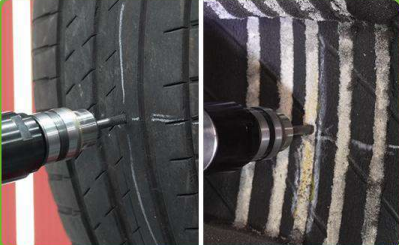
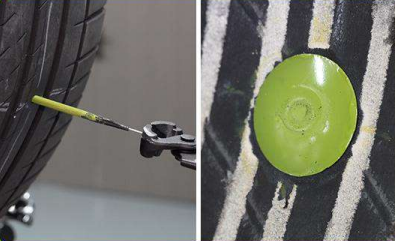
A tire‑plug is a rubber strand inserted from outside the tire to fill a puncture without wheel dismounting. The procedure is fast and suitable for roadside emergencies to reach a service facility.
Critical limitation: An external‑only plug fills the puncture passage but does not seal the tire’s inner liner. Hidden internal damage sustained while driving on low‑pressure tires remains undetected. Moisture may penetrate through the puncture channel and corrode steel belts, risking structural degradation and sudden tire failure over time.
Per USTMA, RMA and TIA standards, a plug used alone never qualifies as a permanent highway‑tire repair. The approved permanent repair is the patch‑plug combination:
- Tire is fully dismounted from the rim.
- Technician inspects inner‑liner and casing for invisible damage.
- A vulcanized patch‑plug unit seals the puncture channel from inside and bonds to the inner liner, creating a durable, leak‑proof seal that can match the remaining service life of the tire.
| Repair Type | Long‑Term Viability | Scope of Repair | Mandatory Inspection |
|---|---|---|---|
| Stand‑alone external plug | Temporary emergency fix; subject to loosening, aging and leakage | Fills puncture channel only; ignores inner‑liner integrity | No internal inspection performed |
| Patch‑plug combination | Permanent industry‑standard repair | Seals puncture channel + inner‑liner | Full internal inspection required before repair |
Service Life of Plugged Tires
Mileage Expectations
- Plug‑only emergency repair: Safe range 100‑1 000 miles. Actual usable distance varies with driving speed, vehicle load, tire age and puncture characteristics. Plug‑only repairs invalidate the tire’s original speed rating; sustained speeds above 80 mph amplify heat and mechanical stress on the repair site and increase failure risk.
- Proper patch‑plug combination repair: Can last for the remaining usable life of the tire (typically 20 000‑30 000+ miles), provided the tire itself is in good condition.
Variables Affecting Plug Service Life
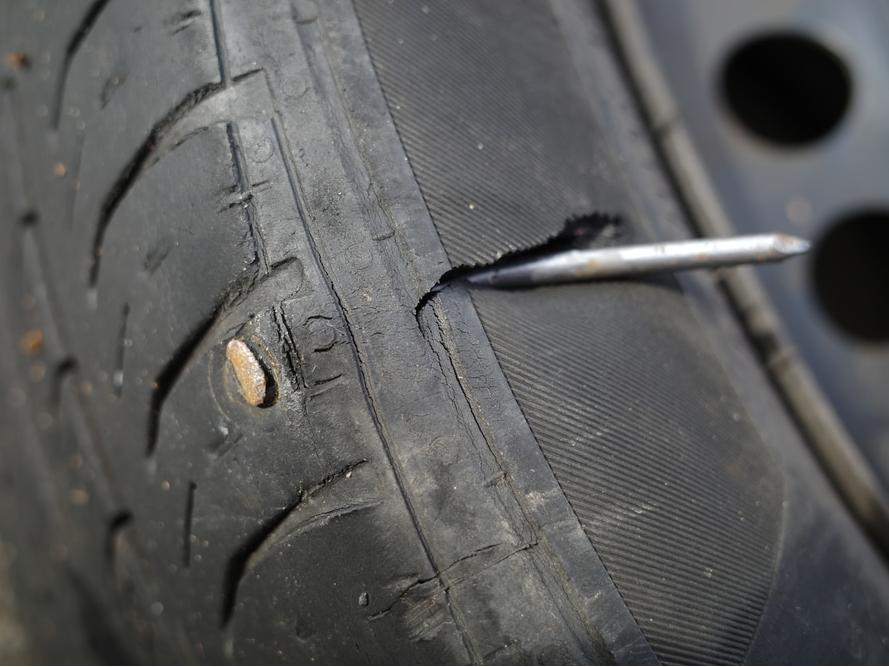
- Puncture size and geometry: Maximum repairable diameter 1/4 inch (6 mm). Clean round nail‑caused punctures seal better than jagged tears. Larger gashes compromise casing integrity and are non‑repairable. Note: physical ability of a plug to fill a larger hole does not override the 6 mm safety threshold.
- Puncture location: Repairs are restricted to main tread zone. Damage to sidewall or shoulder cannot be repaired; cyclic flexing during driving will dislodge plugs in these areas. Punctures must sit sufficiently far from tread‑sidewall transition zones.
- Operating conditions: High‑speed highway travel, heavy payloads, hard cornering and harsh braking generate heat and mechanical force that weaken plug sealing.
- Age of the plug: Exposed plug rubber ages, stiffens, shrinks and may crack if left in service for extended periods.
Repair Eligibility Rules
When repair is allowed
- Damage confined to main tread region, well clear of shoulder / sidewall flex zones.
- Puncture diameter ≤ 1/4 inch (6 mm), clean penetration, no jagged tearing.
- Tire has not sustained casing / inner‑liner damage from running flat.
- Number of repairs: Industry practical guidance recommends no more than three non‑overlapping puncture repairs on a single tire; multiple repairs weaken casing structure. Repairs must not overlap one another.
When you must replace the tire
- Puncture located on sidewall or shoulder.
- Hole size exceeds 1/4 inch (6 mm) or presents jagged tearing / gashes.
- Tire operated while fully deflated (risk of unseen internal casing damage).
- Repairs would overlap existing repair sites, or total repair count exceeds practical limits.
- Tread depth reaches wear indicator thresholds.
Industry note: The popular myth “any hole smaller than 1 inch can be plugged” is incorrect; 1 inch describes maximum physical fill capacity of some plugs, not safe repair limits. The 1/4‑inch (6 mm) value is the official safety threshold from USTMA / RMA.
Standard Permanent Repair Workflow (per TIA procedure)
- Dismount tire from wheel assembly.
- Complete internal inspection of inner‑liner and casing for hidden damage.
- Verify puncture location, size, and confirm repairability.
- Install patch‑plug combination unit to seal both puncture channel and inner‑liner via vulcanized bonding.
- Remount, inflate, balance and perform leak test.
Maximizing Safety with a Temporary Plug‑Only Repair
Driving recommendations
- Maintain moderate speeds; avoid sustained travel above 80 mph.
- Minimize vehicle payload; reduce trip distance under heavy‑load conditions.
- Use smooth driving: limit hard acceleration, sharp cornering and forceful braking to lower stress on the plug seal.
- Treat plug‑only strictly as transit to a repair shop, not as long‑term solution; complete patch‑plug service before approaching the upper 1 000‑mile boundary.
Inspection and failure warning signs
Perform tire‑pressure check weekly using an accurate gauge. Maintaining manufacturer‑specified inflation pressure preserves plug sealing performance. Stop driving and arrange professional repair immediately if you observe:
- Audible hissing near the puncture site
- Sudden or recurring unexplained pressure loss / frequent need for refilling
- TPMS persistent low‑pressure alerts
- Visible cracking around plug perimeter
- Abnormal tire vibration during normal driving
Follow routine tire rotation schedules to distribute tread wear evenly; uneven tread loading adds stress to repaired sections. Monitor tread depth and replace tires once wear indicators are reached.
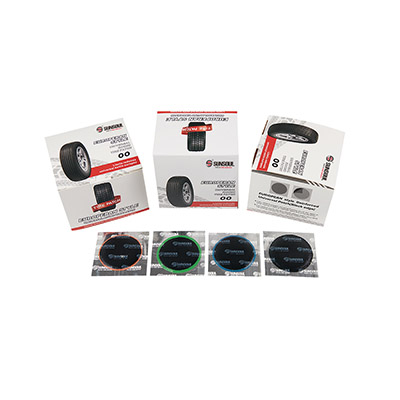
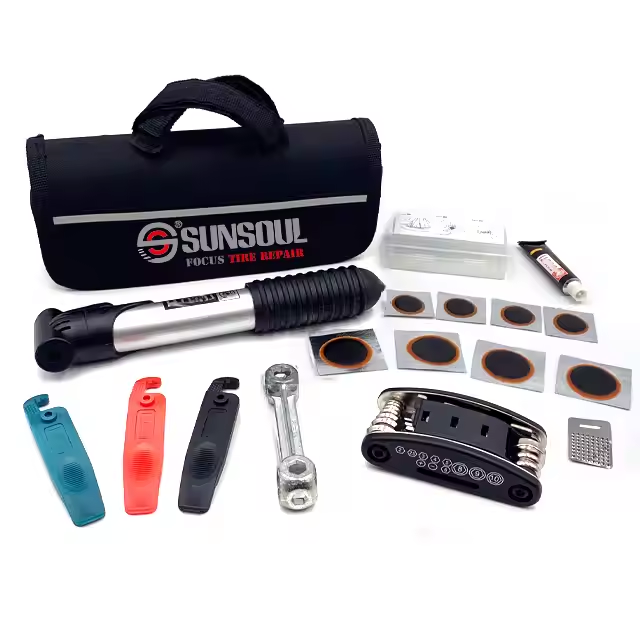
Safety should always be your top priority when dealing with a punctured tire. Never rely on a simple external plug as a long‑term fix. While it can get you to the nearest repair shop, a proper patch‑plug combination repair remains the safest, industry‑approved permanent solution. When selecting tire‑repair supplies for either temporary roadside emergencies or professional permanent repairs, choose reliable, high‑quality materials that meet industry safety standards. SUNSOUL delivers premium‑grade mushroom plug‑patch repair kits trusted by technicians and drivers across the globe. Our vulcanized‑bond repair units create a complete, airtight seal over both the puncture channel and inner‑liner surface, helping you perform durable, code‑compliant tire repairs in line with USTMA, RMA and TIA requirements. Equip yourself with SUNSOUL tire‑repair solutions for greater peace of mind on every journey.
FAQ
How many miles can you safely drive on a plug‑only tire?
Industry guidance gives 100‑1 000 miles as emergency transit range. Distance is conditional on moderate speed, light‑to‑normal loading and good tire condition. Complete proper patch‑plug repair as early as possible.
Can I drive highway speeds with a plugged tire?
Short‑term moderate‑speed highway travel is acceptable for emergency transit. The plug‑only repair voids original speed rating. Avoid sustained speeds over 80 mph and heavy loading until a certified patch‑plug repair is finished.
Should I repair or replace my tire?
Repair is permitted only for clean, ≤ 6 mm punctures within main tread. Replace for sidewall damage, large gashes, damage from running flat, overlapping or excessive repair sites.
What signs indicate a failing tire plug?
Hissing noise, frequent air loss, TPMS warnings, cracking surrounding plug, or driving‑speed vibration. Discontinue driving and obtain professional service.
How many puncture repairs may one tire receive?
Practical industry guidance suggests maximum three non‑overlapping repairs for a single tire. Each repair removes rubber material and weakens casing; replace the tire after reaching this limit. Repairs at the same puncture location require tire replacement.