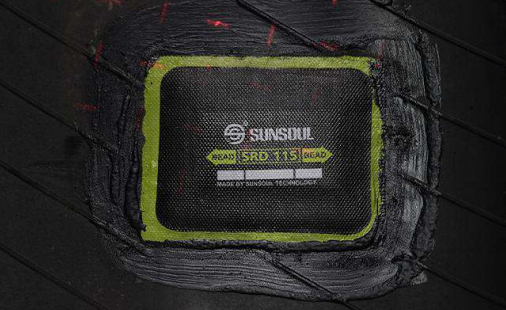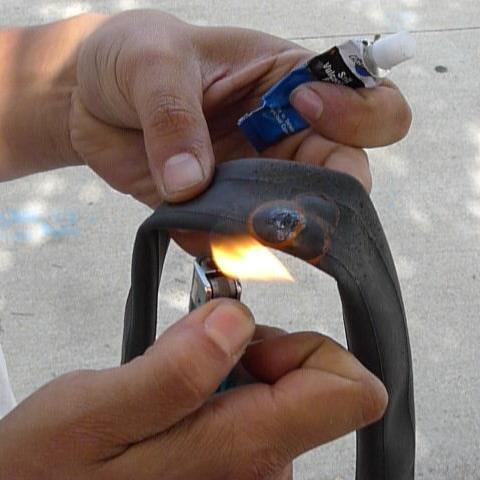

A properly applied inner tube patch can last as long as the tube itself. The key phrase is “properly applied.” A cold vulcanizing patch applied with quality vulcanizing tire patches and correct technique forms a chemical bond with the butyl rubber. That bond does not degrade under normal riding conditions. Riders report patches lasting over a year, and many continue using the same tube through multiple punctures until the rubber itself ages out.
The patch is rarely the weak point. Poor surface preparation, expired cement, or using a self-adhesive patch for a permanent repair — those are what shorten a patch’s life to hours or days.
Key Takeaways
- A properly applied cold vulcanizing patch lasts as long as the inner tube itself.
- Self-adhesive patches are temporary. They may last a day or a week, not months.
- Surface preparation determines patch longevity. Roughening and cleaning the tube before applying cement is essential.
- Heat, humidity, and storage conditions affect both patch cement and the tube’s rubber.
- After three patches on the same tube, replacement is recommended for reliability.
- A patch that fails within hours usually indicates a preparation error, not a materials failure.
How Inner Tube Patches Differ in Lifespan
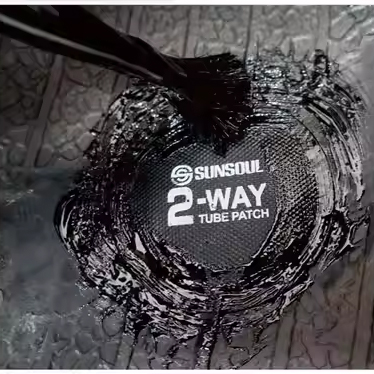
The type of patch you use sets the ceiling on how long the repair will last.
Cold Vulcanizing Patches
Cold vulcanizing patches, sometimes called chemical vulcanizing patches, bond permanently to the tube. The cement softens the tube surface and creates a chemical cross-link with the patch’s rubber compound. When applied correctly, the patch becomes part of the tube. Riders report these patches lasting indefinitely — years in some cases — and the tube often fails elsewhere before the patch does.
SUNSOUL’s inner tube patches are designed for chemical vulcanization and are reinforced with textile layers for flexibility and strength. They are available in sizes from 30 mm to 70 mm, covering bicycle, motorcycle, car, truck, and tractor tubes.
Self-Adhesive (Glueless) Patches
Self-adhesive patches are convenient for roadside repairs, but they are not permanent. They rely on pressure-sensitive adhesive, not a chemical bond. Heat softens the adhesive; cold makes it brittle. Real-world reports show these patches lasting anywhere from a single ride to a few weeks in mild conditions, and failing within hours in extreme heat or cold.
Use self-adhesive patches only to reach a service station or complete a ride. Once home, replace the patch with a vulcanizing patch or install a new tube.
Factors That Determine Inner Tube Patch Lifespan
Even with a vulcanizing patch, lifespan depends on four variables.
Surface Preparation
This is the single most important factor. The tube surface must be roughened with sandpaper or a metal scuffer to remove the mold-release layer and create a textured surface. Dust must be wiped away. Skipping this step is the leading cause of patch failure. A patch applied to a smooth, glossy tube will leak within hours.
Cement Application and Drying Time
Vulcanizing fluid is not glue. It is a chemical activator. It must be applied in a thin, even layer and allowed to dry completely — typically 3–5 minutes — until it looks dull, not wet. Pressing a patch onto wet cement traps solvent and weakens the bond. Many riders who report short-lived patches have not waited long enough for the cement to dry.
Patch Size and Placement
A patch that is too small will lift at the edges under pressure. The patch should extend at least 1 cm beyond the puncture in all directions. For truck and heavy-duty tubes, heavy-duty tire patches provide the larger coverage and reinforced construction needed for higher inflation pressures.
Temperature and Storage
Vulcanizing fluid has a shelf life. Once opened, it may last six months to a year before losing effectiveness. Unopened, it can last several years. Storing patch kits in a hot vehicle or a humid environment accelerates degradation. The tube itself also ages: rubber becomes brittle over time, and a patch applied to aged rubber may not bond as securely.
When to Replace Inner Tube Patches Instead of Repairing
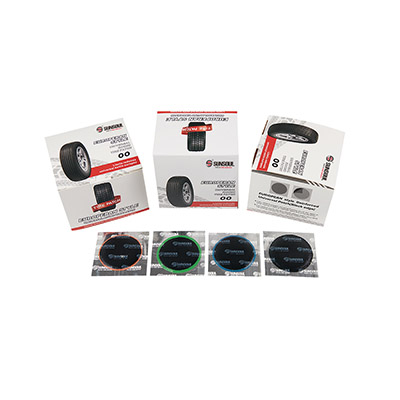
A patch can outlast the tube. But the tube has limits.
After three patches on the same tube, the rubber may have stretched unevenly around the repair zones. Multiple patches close together can create stress concentrations. Replacement is the safer choice for any tube used in high-speed or load-bearing applications.
Replace the tube — do not patch — if:
- The puncture is on the valve stem or valve base. This area cannot be patched safely.
- The puncture is larger than 6 mm. Large holes require a truck tire patch or radial tire patch with structural reinforcement, and even then, the tube’s integrity may be compromised.
- The tube shows signs of cracking, dry rot, or uneven swelling.
- The tube has been patched more than three times.
For a step-by-step comparison of patch types and repair methods, the complete puncture repair guide covers cold, hot, and chemical vulcanizing systems.
FAQ
How long does a vulcanizing patch last?
Indefinitely under normal conditions. The patch becomes chemically bonded to the tube. Riders report patches lasting over a year and outlasting the tube itself.
How long does a self-adhesive patch last?
Hours to a few weeks, depending on temperature. They are temporary repairs only.
Why did my patch fail after one day?
The cement was not dry before the patch was applied, the surface was not roughened, or the patch was too small. Preparation errors cause most early failures.
Can I patch the same tube multiple times?
Yes, up to about three patches. After that, replace the tube for reliability, especially in high-pressure or high-speed applications.