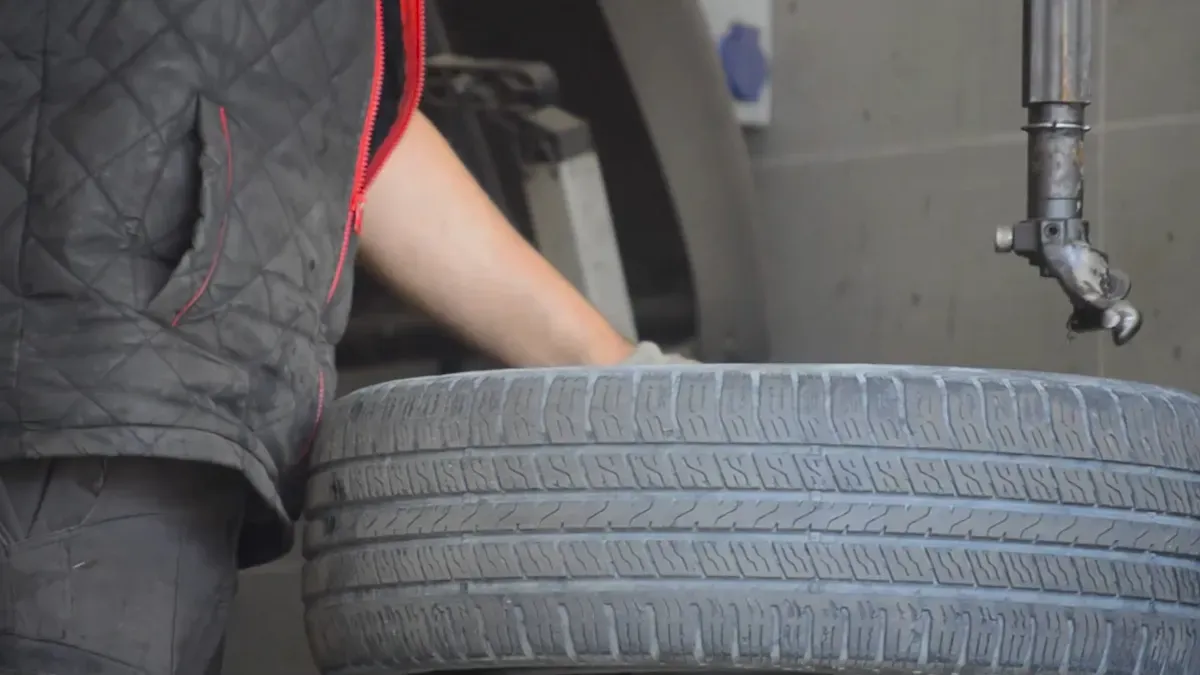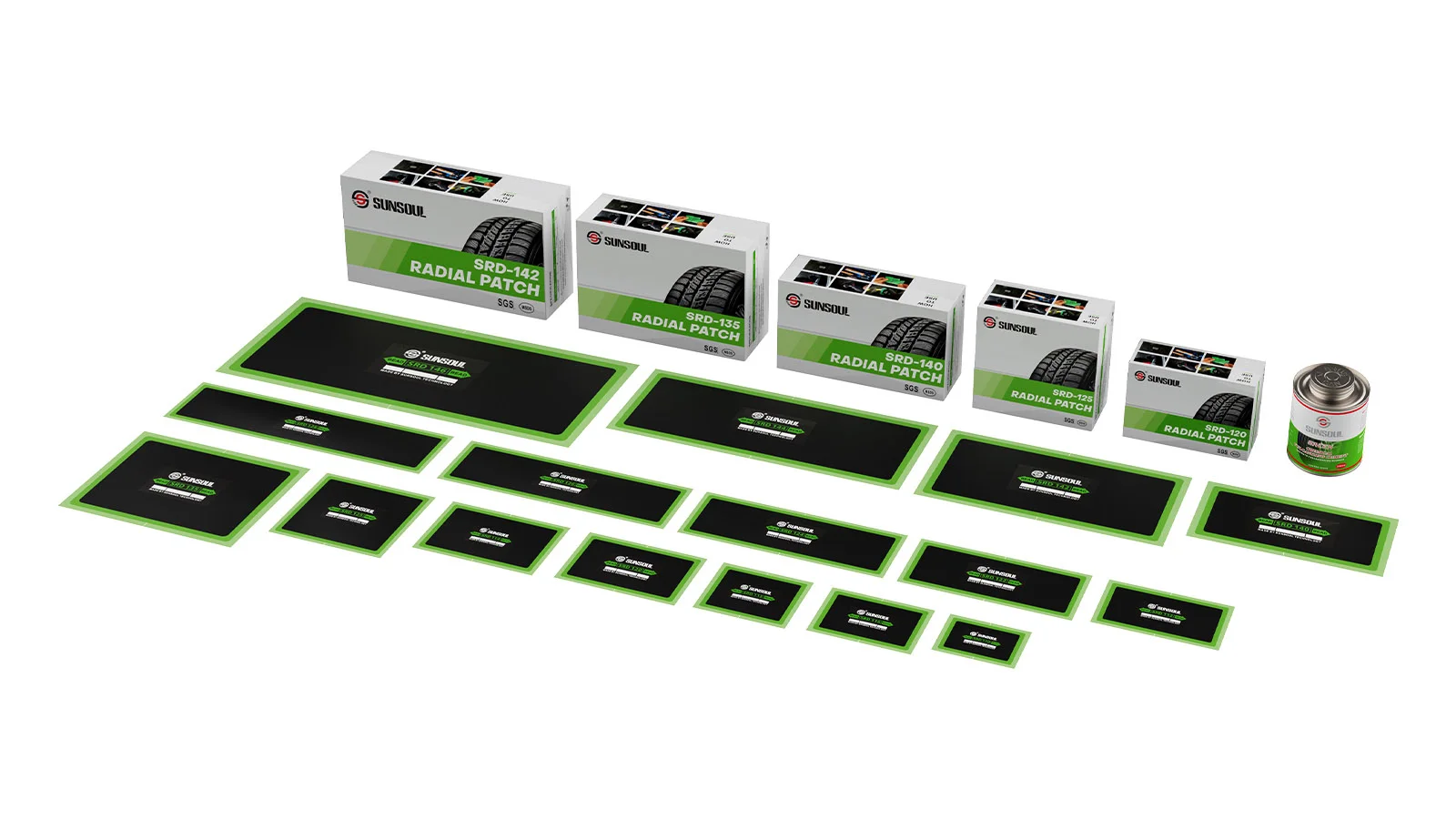

Experts point out that for run-flat tires, the choice between using tire repair strips and tire patch panels affects safety and tire performance. Repair technicians need to carefully inspect each tire repair to ensure the tire’s strength. High-quality tire repair products, such as Sunsoul, can help drivers stay safe while driving. Manufacturers recommend following their advice to ensure the repair is done correctly.
Key Takeaways
- Choosing a combination of tire repair strips and patch panels is the safest repair method. This method also makes the repair for run-flat tires last longer.
- Always have a professional inspect your tire before repairing it. This helps ensure your safety and ensures a good repair result.
- Use high-quality tire repair products like Sunsoul. These products help extend the repair’s effectiveness and improve its durability.
- Know that tire repair strips are usually just a quick repair method. Repair your tires correctly.
Plug or Patch: Quick Answer
For run-flat tires, the choice between tire repair strips and patch panels affects safety and the durability of the repair. Many experts agree that the best repair method for run-flat tires is a combination of tire repair strips and patch panels. This method can restore tire strength and help prevent potential future problems. High-quality tire patches like Sunsoul are more durable and safer due to their advanced materials and rigorous testing.
Which Is Safer
Safety is always the primary consideration when deciding how to repair a blowout. Tire plugs can quickly seal a puncture, but their strength and durability are not always satisfactory. Tire plugs can fail unexpectedly, endangering driver safety. Tire patches glued from the inside of the tire create a better seal and are less likely to allow air or moisture to penetrate. The patch plus plug method combines the advantages of both, sealing both the puncture channel and the inner liner. The American Tire Manufacturers Association notes that high-quality patches like Sunsoul use a dual-curing process, meaning they bond firmly and remain stable even under harsh conditions. Therefore, they are a safer option for run-flat tire repair.
Which Lasts Longer
Durability is crucial for anyone wanting to avoid repeated tire repairs. Tire plugs are often a temporary solution. They may work for a short time, but their durability may not be as good as other methods. Tire patches, especially those made with high-quality materials, can last as long as the tire itself. The patch-plus-plug method is the most reliable because it seals both the inside of the tire and the puncture path, making it more durable than a regular patch.
- Tire Plugs: Quick, but usually only temporary and less reliable.
- Tire Patches: Stronger seal, more durable, but may not completely block moisture.
- Patch-plus-plug: The best option for restoring tire strength and durability.
Expert Recommendations
Most tire experts and manufacturers recommend the patch-plus-plug method for run-flat tires. They believe that using a plug alone is not a safe or thorough repair. While a patch alone can effectively repair some punctures, the plug method provides the best protection. Experts also recommend using high-quality products, such as Sunsoul patches, to ensure the repair’s effectiveness. Following these recommendations helps ensure driver safety and extend tire life.
Tip: Always have your tires inspected by a professional before performing any repairs. Not all tire punctures can be repaired, especially when the damage is near the sidewall or when driving with a leaking puncture.
Plug vs. Patch for Run Flat Tires
How Run Flats Work
Run-flat tires are designed to ensure a vehicle can continue driving after a puncture. Experts say these tires have several special features that set them apart from regular tires. The table below lists the unique features of run-flat tires:
| Feature | Description |
|---|---|
| Reinforced Sidewalls | Strong materials help hold up the car when air is lost. |
| Self-Supporting Structure | The tire keeps its shape after a puncture, so you can drive a short way. |
| Heat-Resistant Construction | Materials stop the tire from getting too hot when flat. |
| Specialized Bead Design | The tire stays on the rim even if there is no air. |
| T.P.M.S. Compatibility | Works with tire pressure monitors to warn about low air. |
| Limited Range and Speed | Lets you drive up to 50 miles at slow speeds after a puncture. |
These features help drivers not get stuck after a flat. Strong sidewalls and the tire’s shape let you drive to a shop for repairs.
Why Repair Is Different
Tire repair differs from regular tire repair. Due to its special design, mechanics must take special steps to ensure the tire’s strength. Experts say only partial punctures can be repaired. The puncture must be less than 6 millimeters and clean, without tears or rough edges. Prolonged driving can damage the tire’s internal structure.
- The mechanic will inspect the tire for hidden problems.
- They will check for tears or signs of overheating.
- Only tires that have traveled less than 5 miles (approximately 8 kilometers) after a puncture can likely be safely repaired.
If the tire’s internal structure is damaged, it cannot be safely repaired. Inspecting the tire before repair is crucial. The mechanic will use specialized tools to inspect the tire’s internal structure. If the tire fails the inspection, it should be replaced.
Note: Not all run flat tires can be fixed. Always ask a professional to check the tire before choosing a plug or patch.
Plug Repairs for Run Flat Tires: Methods, Pros & Cons
How Plugs Work
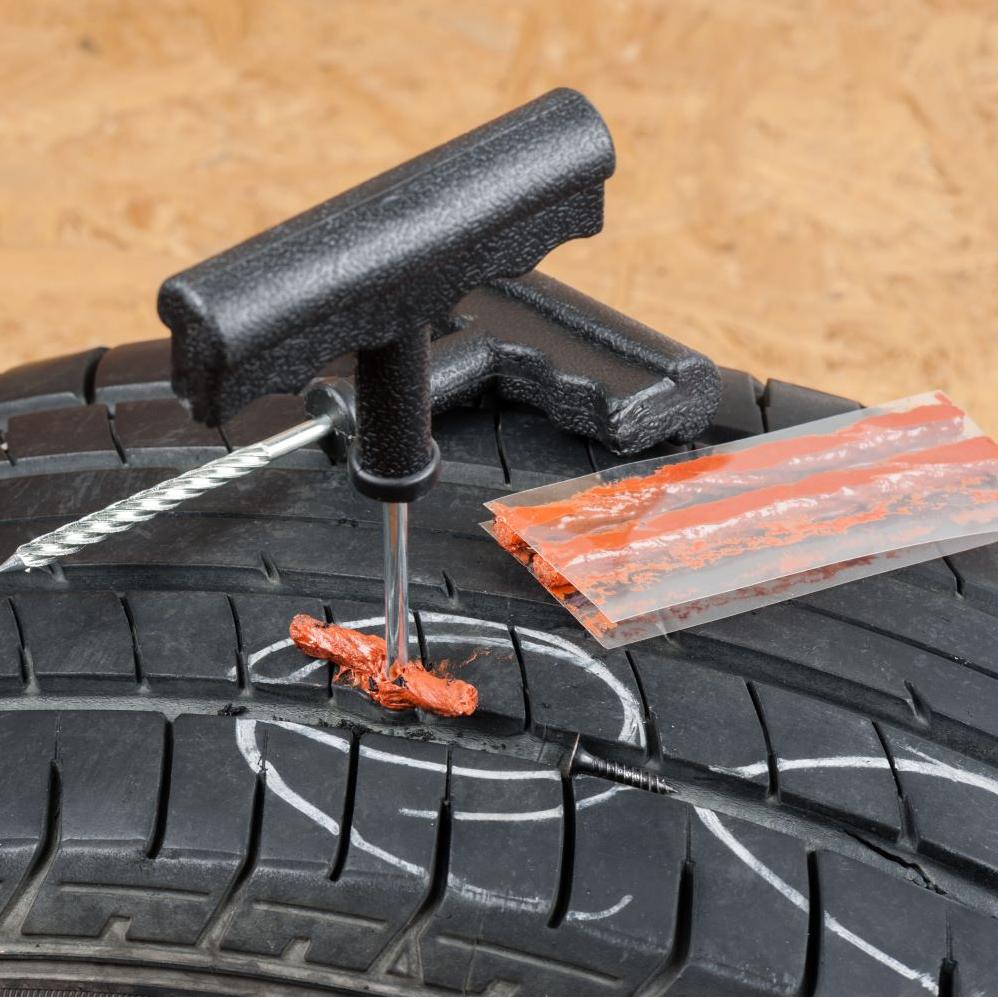
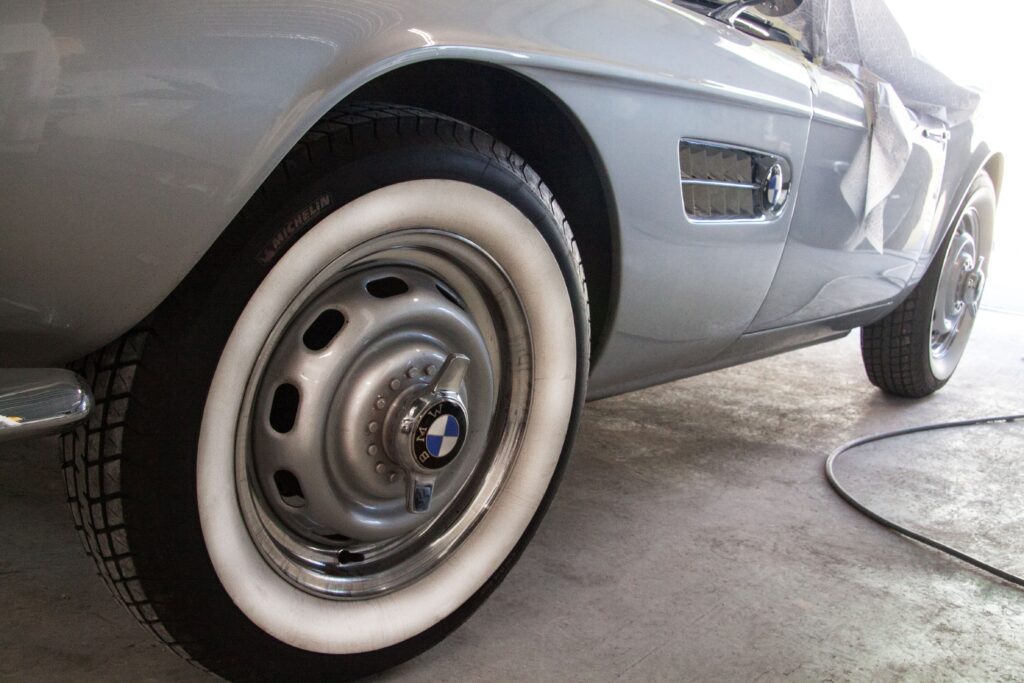
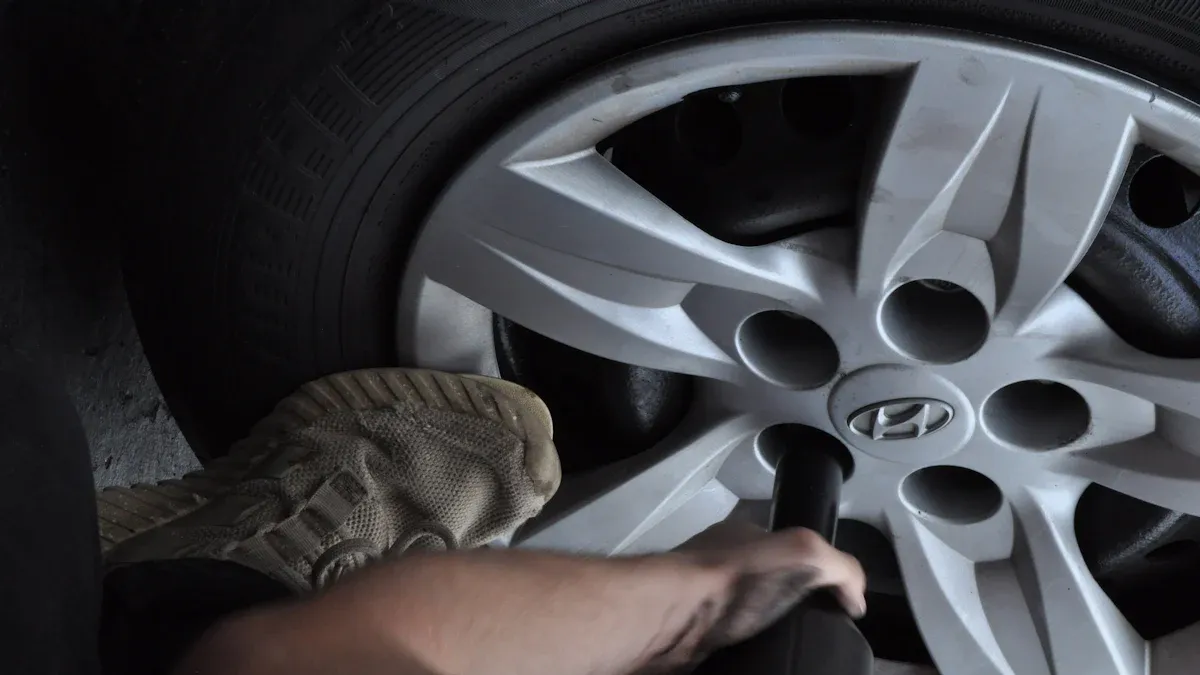
A tire repair strip is a small piece of rubber used to fill a puncture in the tire tread. A mechanic inserts the strip into the puncture from the outside of the tire. As the strip expands, it seals the puncture, preventing air leakage. Many car owners use tire repair strips for quick repairs when they discover a tire leak. This process does not require removing the tire from the rim. This method is best suited for small holes caused by nails or screws.
Pros and Cons
Tire repair strips can quickly fix tire punctures. Car owners can complete the repair in just a few minutes and get back on the road. Tire repair strips require no special tools and do not require a long wait. However, this repair method is not always permanent. The strip may not seal the tire liner. Moisture may seep into the tire, causing damage over time. Run-flat tires have high sidewall strength, but tire repair strips may not fully restore their strength. Experts say that tire patches are usually only a stopgap measure.
Pros:
- Quick and easy to use
- No need to remove the tire
- Useful for small punctures
Cons:
- May not seal the inner liner
- Can let moisture inside
- Often a temporary fix
When Plugging Is Acceptable
Manufacturers and tire experts do not advise plugging run flat tires as a safe repair. They recommend replacement as the safest option. Traditional repairs, including plugging, can lead to tire failure. The table below shows expert recommendations:
| Condition | Recommendation |
|---|---|
| Patching run-flat tires | Not advised by manufacturers due to safety concerns |
| Traditional repairs | Considered unsafe and unreliable |
| Replacement | Recommended as the safest option |
A tire plug may help in emergencies, but drivers should visit a professional for a proper fix. Run flat tires need careful inspection before any repair. If the tire has internal damage, plugging will not restore safety. Mechanics often suggest patch plus plug or full replacement for run flat tires.
Note: Always ask a professional to check the tire before using a tire plug. Safety comes first.
Patch Repairs for Run Flat Tires: Methods & Benefits
How Patches Work
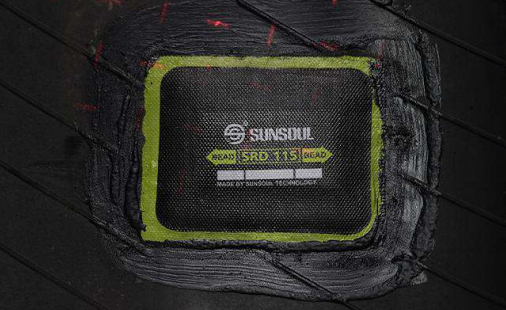
Tire patches work by sealing a puncture on the inside of the tire. The technician first removes the tire from the rim to inspect for hidden damage. This step is especially important for run-flat tires, as their strong sidewalls can conceal problems. Next, the technician cleans the puncture area and sands the inner liner, which helps the patch adhere better. Then, the technician uses a high-quality patch (such as the Sunsoul brand) and vulcanizing adhesive to perform the repair. The vulcanizing adhesive uses special chemicals to firmly bond the patch to the tire, making the repair strong and durable. After the repair is complete, it takes approximately 10 to 15 minutes to reinstall the tire on the vehicle.
Pros and Cons
Patch repairs offer several benefits for run flat tires. They create a permanent fix that strengthens the tire and stops air from leaking. Premium tire patches like Sunsoul use advanced rubber compounds and strong adhesives. These features help the patch stay in place, even under heavy loads or extreme temperatures.
| Feature | Tire Plug | Tire Patch | Plug-Patch Combo |
|---|---|---|---|
| Durability | Short-term fix | Not always enough | Longest lasting |
| Safety | Low | Moderate | Highest |
However, using only a tire patch may not fix all problems. If the puncture channel is not sealed, moisture can enter and cause damage. That is why experts recommend a complete inspection before any tire repair.
Note: Using a high-quality tire patch is key for a safe and lasting repair. Sunsoul patches meet strict industry standards and provide strong adhesion.
Patch Plus Plug Method
Tire patch and repair strip combination is the industry’s preferred solution for run-flat tires. This method uses both a patch and a repair strip to seal the puncture channel and the tire liner. The technician inserts the patch into the puncture and then attaches the patch to the tire liner to extend the tire’s remaining tread life.
Tire patch and repair strip repair steps:
- Remove the tire for a thorough inspection.
- Clean and prepare the puncture area.
- Insert the patch and bond it with vulcanizing adhesive.
- Reinstall the tire only after the repair has fully cured.
This method ensures tire repairs meet safety standards, protecting drivers’ road safety.
Essential Steps for Safe Run Flat Tire Repair
Step-by-Step Guide
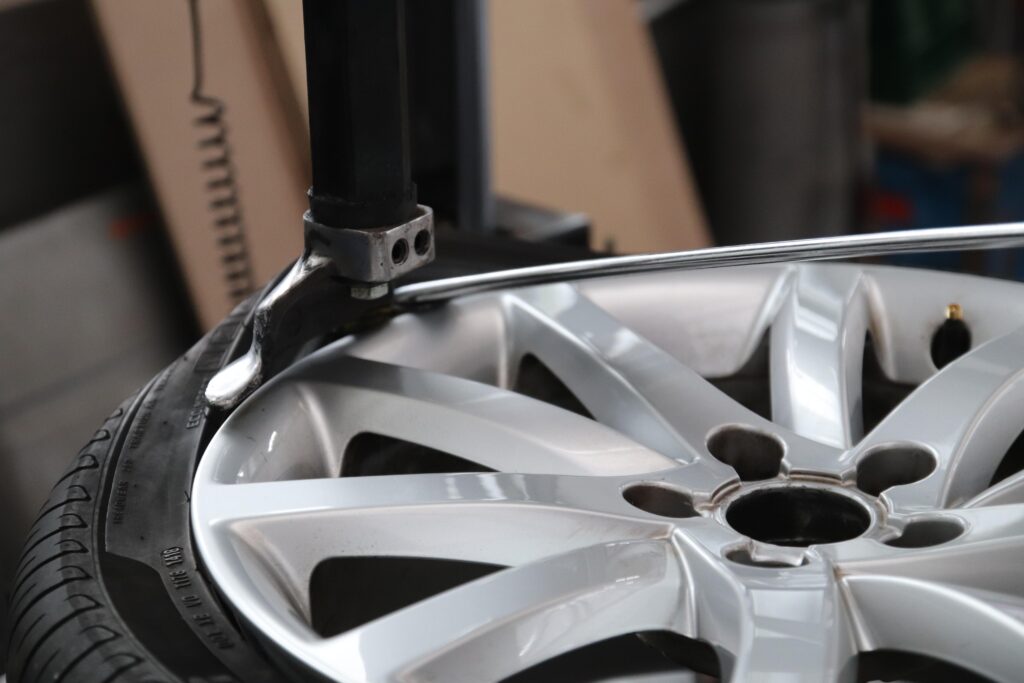
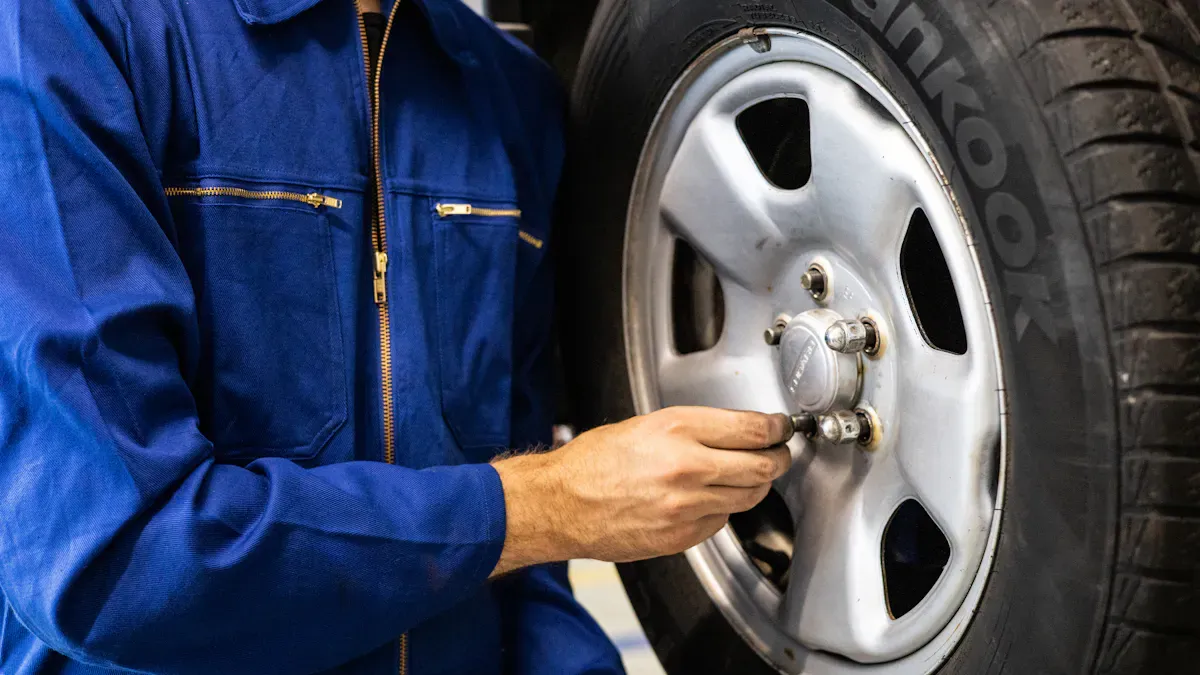
To safely repair a run-flat tire, a thorough inspection is essential. The mechanic will use appropriate tools and follow important steps. First, they will check for holes to determine if it has been punctured. Next, they will clean the area to remove dirt. They will smooth the hole so that the repair can fit perfectly. These steps are all crucial.
Recommended safety steps:
- Always let a professional check the tire.
- Follow what the maker says for fixing or changing the tire.
- Do not drive on a flat tire, or it could get worse.
- Only use a tire plug if you have no other choice.
When to Replace
Makers have strict rules for when to change run flat tires. They say you can only fix it once if it keeps enough air. Some brands, like Bridgestone, Goodyear, and Michelin, allow repairs but only in certain cases.
| Manufacturer/Brand | Repair Policy | Additional Provisions |
|---|---|---|
| Bridgestone | Allowed | Only if 15 psi stays in the tire |
| Goodyear | Allowed | Only one repair for H- and higher speed tires |
| Michelin | Allowed | Only one repair is okay |
Driving on run flat tires with little or no air can ruin them inside. Even experts may not see all the hidden damage. If you drive with low or no air, it is usually safest to get a new tire.
Seeking Professional Help
Seeking help from a tire shop can ensure safe repairs for run-flat tires. A technician will remove the tire and inspect the inside for cracks or damage. They will use specialized tools and strictly follow repair specifications. Manufacturers clearly state that run-flat tires should not be repaired with sealant or plugs.
Experts recommend choosing between a patch and a repair tool depending on the location and size of the puncture. For larger punctures, a patch is recommended. Always follow the manufacturer’s instructions. Repairs by professionals ensure the tire’s strength and safety.
- If the puncture is large, use a patch.
- Follow the manufacturer’s instructions.
- Have a professional perform patch repairs.
| Evidence | Description |
|---|---|
| Safe repairs keep tires strong and dependable. | Using good products like Sunsoul tire patches makes repairs last longer, which is important for safety. |
| A patch plug repair by a professional is the only fix that lasts. | This shows that good products are needed for repairs that work well and stay strong, especially for run-flat tires. |
Not listening to experts can make tires wear out fast, get too hot, and be unsafe. Drivers should always ask professionals and use good products. Sunsoul Tire Patch gives a safe way to fix plug or patch repairs. It helps drivers stay safe and makes tires last longer.
FAQ
Can all punctures in run-flat tires be repaired?
No, not all punctures in run-flat tires can be repaired. Only small holes in the tread can be repaired. A mechanic must inspect the tire for hidden damage. If the sidewall or inside of the tire is damaged, the tire needs to be replaced.
How long does a patch and plug repair last?
A patch and plug repair lasts for the same duration as the original tire. High-quality products like Sunsoul Tire Patch can help enhance the strength and safety of the repair.
Is it safe to drive a run-flat tire repaired with a plug?
Experts advise against long-distance driving with a plug-repaired run-flat tire. Plugs are only a temporary solution. Drivers need to have a full inspection and proper repair done by a professional.
What makes Sunsoul Tire Patch different?
| Feature | Sunsoul Tire Patch |
|---|---|
| Adhesion | Very strong |
| Temperature | Works from -40°F to 250°F |
| Durability | Lasts a long time |
| Environmental | RoHS & REACH safe |
Sunsoul Tire Patch uses special materials and tough tests to make sure repairs work well.
Experts point out that for run-flat tires, the choice between using tire repair strips and tire patch panels affects safety and tire performance. Repair technicians need to carefully inspect each tire repair to ensure the tire’s strength. High-quality tire repair products, such as Sunsoul, can help drivers stay safe while driving. Manufacturers recommend following their advice to ensure the repair is done correctly.
Key Takeaways
- Choosing a combination of tire repair strips and patch panels is the safest repair method. This method also makes the repair for run-flat tires last longer.
- Always have a professional inspect your tire before repairing it. This helps ensure your safety and ensures a good repair result.
- Use high-quality tire repair products like Sunsoul. These products help extend the repair’s effectiveness and improve its durability.
- Know that tire repair strips are usually just a quick repair method. Repair your tires correctly.
Plug or Patch: Quick Answer
For run-flat tires, the choice between tire repair strips and patch panels affects safety and the durability of the repair. Many experts agree that the best repair method for run-flat tires is a combination of tire repair strips and patch panels. This method can restore tire strength and help prevent potential future problems. High-quality tire patches like Sunsoul are more durable and safer due to their advanced materials and rigorous testing.
Which Is Safer
Safety is always the primary consideration when deciding how to repair a blowout. Tire plugs can quickly seal a puncture, but their strength and durability are not always satisfactory. Tire plugs can fail unexpectedly, endangering driver safety. Tire patches glued from the inside of the tire create a better seal and are less likely to allow air or moisture to penetrate. The patch plus plug method combines the advantages of both, sealing both the puncture channel and the inner liner. The American Tire Manufacturers Association notes that high-quality patches like Sunsoul use a dual-curing process, meaning they bond firmly and remain stable even under harsh conditions. Therefore, they are a safer option for run-flat tire repair.
Which Lasts Longer
Durability is crucial for anyone wanting to avoid repeated tire repairs. Tire plugs are often a temporary solution. They may work for a short time, but their durability may not be as good as other methods. Tire patches, especially those made with high-quality materials, can last as long as the tire itself. The patch-plus-plug method is the most reliable because it seals both the inside of the tire and the puncture path, making it more durable than a regular patch.
- Tire Plugs: Quick, but usually only temporary and less reliable.
- Tire Patches: Stronger seal, more durable, but may not completely block moisture.
- Patch-plus-plug: The best option for restoring tire strength and durability.
Expert Recommendations
Most tire experts and manufacturers recommend the patch-plus-plug method for run-flat tires. They believe that using a plug alone is not a safe or thorough repair. While a patch alone can effectively repair some punctures, the plug method provides the best protection. Experts also recommend using high-quality products, such as Sunsoul patches, to ensure the repair’s effectiveness. Following these recommendations helps ensure driver safety and extend tire life.
Tip: Always have your tires inspected by a professional before performing any repairs. Not all tire punctures can be repaired, especially when the damage is near the sidewall or when driving with a leaking puncture.
Plug vs. Patch for Run Flat Tires
How Run Flats Work
Run-flat tires are designed to ensure a vehicle can continue driving after a puncture. Experts say these tires have several special features that set them apart from regular tires. The table below lists the unique features of run-flat tires:
| Feature | Description |
|---|---|
| Reinforced Sidewalls | Strong materials help hold up the car when air is lost. |
| Self-Supporting Structure | The tire keeps its shape after a puncture, so you can drive a short way. |
| Heat-Resistant Construction | Materials stop the tire from getting too hot when flat. |
| Specialized Bead Design | The tire stays on the rim even if there is no air. |
| T.P.M.S. Compatibility | Works with tire pressure monitors to warn about low air. |
| Limited Range and Speed | Lets you drive up to 50 miles at slow speeds after a puncture. |
These features help drivers not get stuck after a flat. Strong sidewalls and the tire’s shape let you drive to a shop for repairs.
Why Repair Is Different
Tire repair differs from regular tire repair. Due to its special design, mechanics must take special steps to ensure the tire’s strength. Experts say only partial punctures can be repaired. The puncture must be less than 6 millimeters and clean, without tears or rough edges. Prolonged driving can damage the tire’s internal structure.
- The mechanic will inspect the tire for hidden problems.
- They will check for tears or signs of overheating.
- Only tires that have traveled less than 5 miles (approximately 8 kilometers) after a puncture can likely be safely repaired.
If the tire’s internal structure is damaged, it cannot be safely repaired. Inspecting the tire before repair is crucial. The mechanic will use specialized tools to inspect the tire’s internal structure. If the tire fails the inspection, it should be replaced.
Note: Not all run flat tires can be fixed. Always ask a professional to check the tire before choosing a plug or patch.
Plug Repairs for Run Flat Tires: Methods, Pros & Cons
How Plugs Work
A tire repair strip is a small piece of rubber used to fill a puncture in the tire tread. A mechanic inserts the strip into the puncture from the outside of the tire. As the strip expands, it seals the puncture, preventing air leakage. Many car owners use tire repair strips for quick repairs when they discover a tire leak. This process does not require removing the tire from the rim. This method is best suited for small holes caused by nails or screws.
Pros and Cons
Tire repair strips can quickly fix tire punctures. Car owners can complete the repair in just a few minutes and get back on the road. Tire repair strips require no special tools and do not require a long wait. However, this repair method is not always permanent. The strip may not seal the tire liner. Moisture may seep into the tire, causing damage over time. Run-flat tires have high sidewall strength, but tire repair strips may not fully restore their strength. Experts say that tire patches are usually only a stopgap measure.
Pros:
- Quick and easy to use
- No need to remove the tire
- Useful for small punctures
Cons:
- May not seal the inner liner
- Can let moisture inside
- Often a temporary fix
When Plugging Is Acceptable
Manufacturers and tire experts do not advise plugging run flat tires as a safe repair. They recommend replacement as the safest option. Traditional repairs, including plugging, can lead to tire failure. The table below shows expert recommendations:
| Condition | Recommendation |
|---|---|
| Patching run-flat tires | Not advised by manufacturers due to safety concerns |
| Traditional repairs | Considered unsafe and unreliable |
| Replacement | Recommended as the safest option |
A tire plug may help in emergencies, but drivers should visit a professional for a proper fix. Run flat tires need careful inspection before any repair. If the tire has internal damage, plugging will not restore safety. Mechanics often suggest patch plus plug or full replacement for run flat tires.
Note: Always ask a professional to check the tire before using a tire plug. Safety comes first.
Patch Repairs for Run Flat Tires: Methods & Benefits
How Patches Work
Tire patches work by sealing a puncture on the inside of the tire. The technician first removes the tire from the rim to inspect for hidden damage. This step is especially important for run-flat tires, as their strong sidewalls can conceal problems. Next, the technician cleans the puncture area and sands the inner liner, which helps the patch adhere better. Then, the technician uses a high-quality patch (such as the Sunsoul brand) and vulcanizing adhesive to perform the repair. The vulcanizing adhesive uses special chemicals to firmly bond the patch to the tire, making the repair strong and durable. After the repair is complete, it takes approximately 10 to 15 minutes to reinstall the tire on the vehicle.
Pros and Cons
Patch repairs offer several benefits for run flat tires. They create a permanent fix that strengthens the tire and stops air from leaking. Premium tire patches like Sunsoul use advanced rubber compounds and strong adhesives. These features help the patch stay in place, even under heavy loads or extreme temperatures.
| Feature | Tire Plug | Tire Patch | Plug-Patch Combo |
|---|---|---|---|
| Durability | Short-term fix | Not always enough | Longest lasting |
| Safety | Low | Moderate | Highest |
However, using only a tire patch may not fix all problems. If the puncture channel is not sealed, moisture can enter and cause damage. That is why experts recommend a complete inspection before any tire repair.
Note: Using a high-quality tire patch is key for a safe and lasting repair. Sunsoul patches meet strict industry standards and provide strong adhesion.
Patch Plus Plug Method
Tire patch and repair strip combination is the industry’s preferred solution for run-flat tires. This method uses both a patch and a repair strip to seal the puncture channel and the tire liner. The technician inserts the patch into the puncture and then attaches the patch to the tire liner to extend the tire’s remaining tread life.
Tire patch and repair strip repair steps:
- Remove the tire for a thorough inspection.
- Clean and prepare the puncture area.
- Insert the patch and bond it with vulcanizing adhesive.
- Reinstall the tire only after the repair has fully cured.
This method ensures tire repairs meet safety standards, protecting drivers’ road safety.
Essential Steps for Safe Run Flat Tire Repair
Step-by-Step Guide
To safely repair a run-flat tire, a thorough inspection is essential. The mechanic will use appropriate tools and follow important steps. First, they will check for holes to determine if it has been punctured. Next, they will clean the area to remove dirt. They will smooth the hole so that the repair can fit perfectly. These steps are all crucial.
Recommended safety steps:
- Always let a professional check the tire.
- Follow what the maker says for fixing or changing the tire.
- Do not drive on a flat tire, or it could get worse.
- Only use a tire plug if you have no other choice.
When to Replace
Makers have strict rules for when to change run flat tires. They say you can only fix it once if it keeps enough air. Some brands, like Bridgestone, Goodyear, and Michelin, allow repairs but only in certain cases.
| Manufacturer/Brand | Repair Policy | Additional Provisions |
|---|---|---|
| Bridgestone | Allowed | Only if 15 psi stays in the tire |
| Goodyear | Allowed | Only one repair for H- and higher speed tires |
| Michelin | Allowed | Only one repair is okay |
Driving on run flat tires with little or no air can ruin them inside. Even experts may not see all the hidden damage. If you drive with low or no air, it is usually safest to get a new tire.
Seeking Professional Help
Seeking help from a tire shop can ensure safe repairs for run-flat tires. A technician will remove the tire and inspect the inside for cracks or damage. They will use specialized tools and strictly follow repair specifications. Manufacturers clearly state that run-flat tires should not be repaired with sealant or plugs.
Experts recommend choosing between a patch and a repair tool depending on the location and size of the puncture. For larger punctures, a patch is recommended. Always follow the manufacturer’s instructions. Repairs by professionals ensure the tire’s strength and safety.
- If the puncture is large, use a patch.
- Follow the manufacturer’s instructions.
- Have a professional perform patch repairs.
| Evidence | Description |
|---|---|
| Safe repairs keep tires strong and dependable. | Using good products like Sunsoul tire patches makes repairs last longer, which is important for safety. |
| A patch plug repair by a professional is the only fix that lasts. | This shows that good products are needed for repairs that work well and stay strong, especially for run-flat tires. |
Not listening to experts can make tires wear out fast, get too hot, and be unsafe. Drivers should always ask professionals and use good products. Sunsoul Tire Patch gives a safe way to fix plug or patch repairs. It helps drivers stay safe and makes tires last longer.
FAQ
Can all punctures in run-flat tires be repaired?
No, not all punctures in run-flat tires can be repaired. Only small holes in the tread can be repaired. A mechanic must inspect the tire for hidden damage. If the sidewall or inside of the tire is damaged, the tire needs to be replaced.
How long does a patch and plug repair last?
A patch and plug repair lasts for the same duration as the original tire. High-quality products like Sunsoul Tire Patch can help enhance the strength and safety of the repair.
Is it safe to drive a run-flat tire repaired with a plug?
Experts advise against long-distance driving with a plug-repaired run-flat tire. Plugs are only a temporary solution. Drivers need to have a full inspection and proper repair done by a professional.
What makes Sunsoul Tire Patch different?
| Feature | Sunsoul Tire Patch |
|---|---|
| Adhesion | Very strong |
| Temperature | Works from -40°F to 250°F |
| Durability | Lasts a long time |
| Environmental | RoHS & REACH safe |
Sunsoul Tire Patch uses special materials and tough tests to make sure repairs work well.