
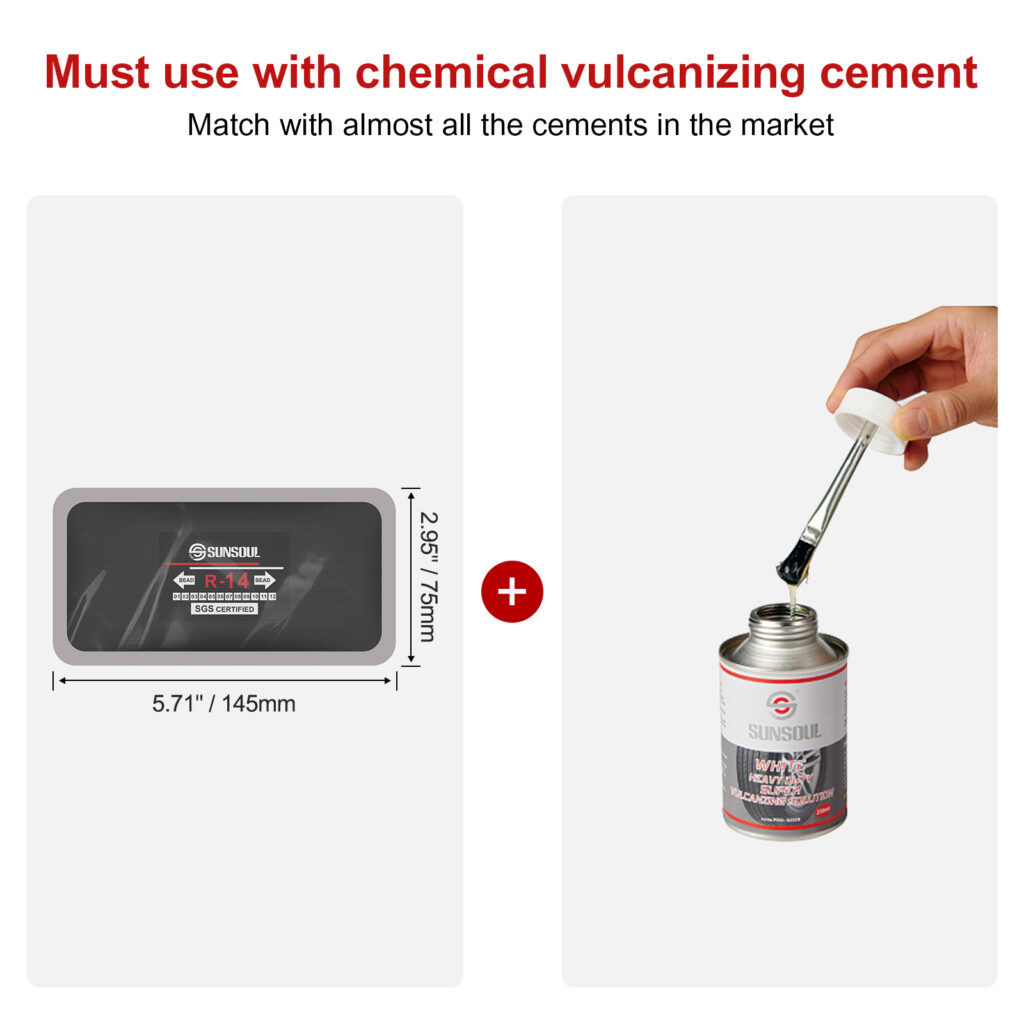
Standard vulcanizing cement requires 3 to 5 minutes to reach tack-dry condition, the mandatory state prior to applying tire patches. A full cold vulcanization bonding cycle takes 24 hours to finish complete curing. Overall drying duration ranges from 3 to 20 minutes, with heavy-duty formulations requiring extended drying periods. Chemical accelerators shorten the bonding formation cycle effectively while lowering the ambient working temperature requirement. Mastering the proper application techniques of vulcanizing cement guarantees stable chemical adhesion performance for SUNSOUL tire patches.
Key Takeaways
- Allow 3–5 minutes for the cement to turn tack-dry before mounting tire patches.
- Verify readiness via the clean knuckle test: the cement surface should feel slightly sticky yet leave no wet residue on skin contact.
- A full 24-hour resting period is necessary for cold vulcanizing cement to develop permanent, high-strength bonding.
Curing Time for Vulcanizing Cement
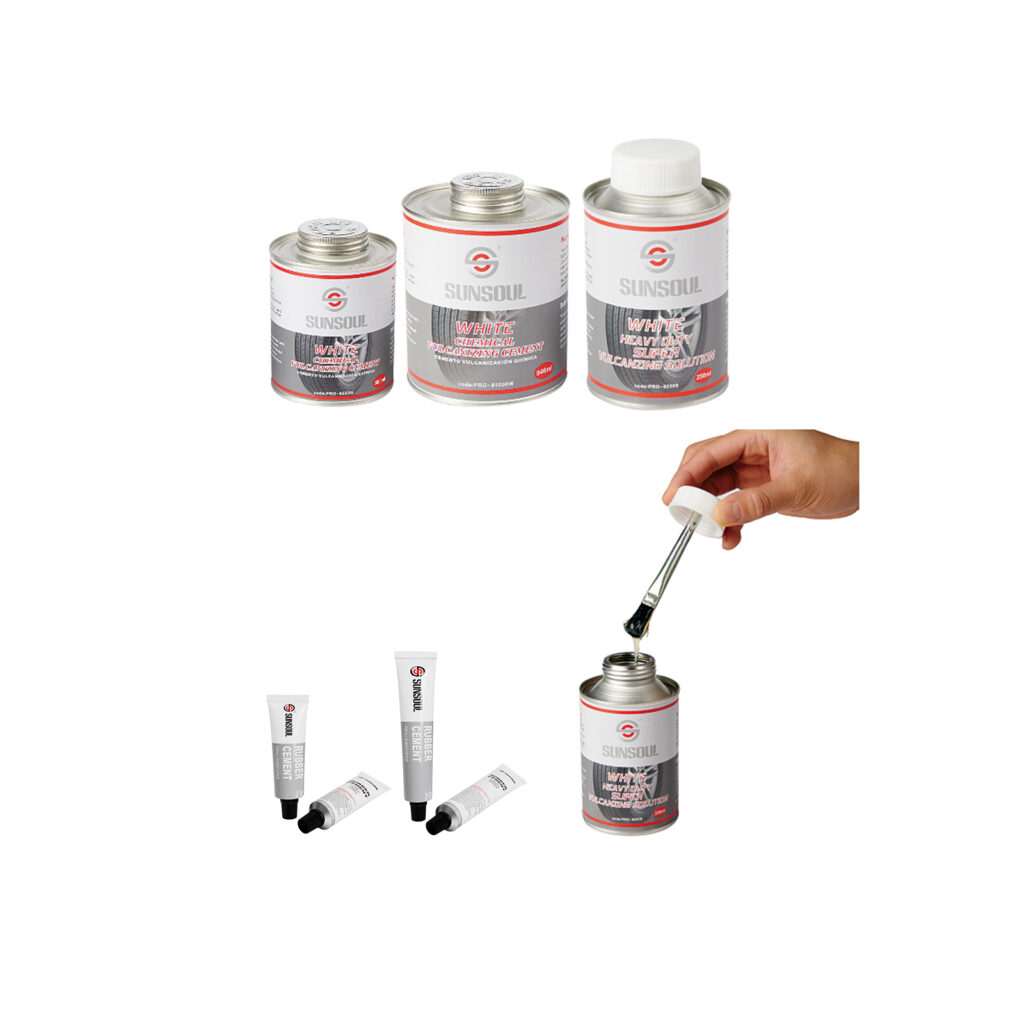
Precise timing is essential to create airtight seals in tire repairs, which is why professional tire technicians strictly follow standardized drying workflows.
Tack Dry Time vs. Full Cure
Normal cement dries in 3 to 5 minutes. Mechanics watch this fast dry step. Then they add the patch.
Patching wet cement traps solvents inside. trapped solvents ruin the chemical bond. Patches will fall off tubes.
Follow these simple repair steps:
- Prepare Surface: Clean the tire area well.
- Apply Vulcanizing Fluid: Spread cement on clean spots.
- Mandatory Drying Time: Wait for cement to dry. Do not rush this step.
- Apply and Secure Patch: Press the patch down hard. Roll out all air.
Sticky cement holds patches fast. Yet full bonding takes 24 hours. Liquid accelerators speed this up.
- Cross-Linking Mechanism: Cement bonds deeply with rubber. It forms strong atomic links.
- Natural Rubber Reactions: Sulfur replaces weak rubber bonds. It builds strong sulfur bridges.
- Synthetic/Neoprene Rubber Reactions: Metal oxides start cross-linking. Chemical accelerators speed up drying.
Cold cement forms sulfur bonds fast. Hot cement needs heat presses. Quality SUNSOUL items need correct drying. Soft rubber blends with cement. They make permanent tire seals.
Product Variations and Drying Speeds
Drying times vary by cement. Chemical types change drying speeds.
Drying Time Comparison Guide:
- Standard Fluid: 3 to 5 minutes
- Heavy-Duty Fluid: 8 to 10 minutes
- Bulk Application: 15 to 20 minutes
Heavy formulas take 8 to 10 minutes. Thick layers take 15 to 20 minutes. Waiting stops early patch steps.
Knowing cement uses helps technicians. Shops fix cars and tractors. Big shops use hot cement for sidewalls.
Shops buy from suppliers like SUNSOUL. Techs use quick cement with patches. They use radial patches or truck patches. Teams use tubeless tire patches, heavy duty tire patches, and inner tube patches. They also use rubber tire plugs and rubber tire patches.
Factors Affecting Vulcanizing Cement Cure Time
Ambient climate conditions govern solvent evaporation rates, so professional technicians always monitor workshop surroundings closely to maintain consistent repair quality.
Temperature and Humidity
Warm environments accelerate solvent evaporation significantly: at 20°C (68°F), standard vulcanizing cement dries completely in just 3 minutes.
Low winter temperatures slow down the curing process drastically; curing time doubles under freezing conditions. Excess atmospheric humidity condenses into tiny water droplets on abraded rubber surfaces, which block chemical bonding reactions and prevent strong adhesion formation.
💡 Practical Tip: Keep repair bays warm and dry. Stable temperature and humidity ensure predictable drying results for all SUNSOUL tire repair jobs.
Layer Thickness and Airflow
Application methods greatly impact drying efficiency. Thick cement layers trap solvents beneath the surface; the outer skin may appear dry while liquid solvent remains sealed inside, leaving soft weak zones that lose adhesive power. The recommended practice is to apply one thin uniform coat for fast, even drying.
| Factor | Primary Adverse Effect | Recommended Practice |
|---|---|---|
| Coating Thickness | Solvent entrapment beneath surface | Apply a single thin layer |
| Air Circulation | Accelerates solvent evaporation | Maintain gentle, dust-free airflow |
Soft, clean airflow speeds up solvent removal and dries abraded tire surfaces efficiently. Proper workshop ventilation discharges chemical fumes and keeps workspaces sanitary. Blowing dusty compressed air directly onto uncured cement is prohibited, as airborne dust contaminates the adhesive layer and ruins bonding performance.
Tire shops select cement types based on operational demands: cold vulcanizing cement is preferred for general room-temperature repairs, while commercial fleets and large workshops equipped with hot presses utilize hot vulcanizing cement. High-grade vulcanizing cement delivers exceptional bonding strength only when applied within suitable working environments.
How to Properly Test If Vulcanizing Cement Is Ready for Patch Application
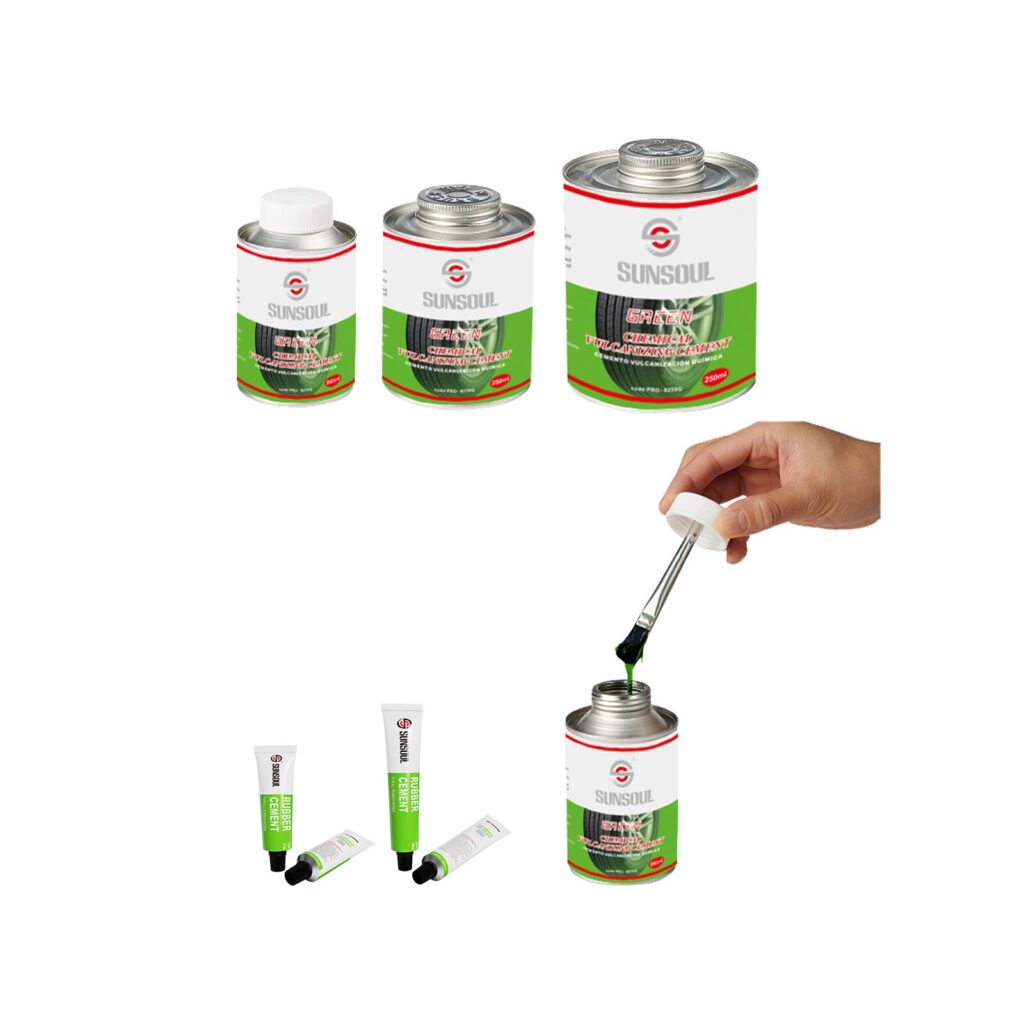
Technicians must confirm the drying status before patch placement. Freshly applied cement is glossy and liquid-looking. Once standard vulcanizing cement loses its sheen and all solvents evaporate, it reaches the ready state for cold vulcanization patch installation.
The Knuckle Touch Test
The widely adopted industry test: use a clean knuckle to gently press the cement-coated rubber surface. Properly cured cement feels slightly tacky without transferring any wet adhesive onto skin.
⚠️ Important Note: Do not leave the cement exposed for too long after tack drying. Settling workshop dust contaminates the adhesive surface and compromises tackiness.
Understanding cement application rules eliminates repair failures and improves workflow efficiency for busy tire service centers.
Applying Vulcanizing Cement Correctly
Step-by-step proper application workflow:
- Contaminant Removal: Wipe the repair area thoroughly with dedicated solvent to eliminate oil, grease and dirt residues.
- Rubber Surface Abrasion: Roughen the rubber surface with sandpaper to boost cement adhesion.
Technicians spread cement evenly across the entire abraded area. Correct application techniques are critical to maximizing ultimate bonding strength. SUNSOUL factory tire patches feature easy-peel backings, enabling smooth, wrinkle-free placement once the cement reaches tack dryness, earning consistent trust from global bulk buyers. Premium vulcanizing cement paired with matching patches creates permanent airtight seals compatible with all tire varieties.
Tire repair requires meticulous time management. After waiting several minutes for tack drying, technicians mount SUNSOUL patches rapidly while avoiding dust contamination. Cold vulcanizing cement requires a full 24-hour curing period to reach maximum strength. Reliable vulcanized repairs safeguard driving safety. Always check tire pressure post-repair, and use soapy water to inspect for air leaks before road use.
FAQ
How long does standard vulcanizing cement take to dry before patch placement?
Standard vulcanizing cement dries fast. It needs 3 to 5 minutes. It gets tack-dry for patches. Techs test the rubber. They use the knuckle touch test.
What happens if you apply a tire patch to wet fluid?
Wet fluid traps solvents. Solvents stay under the patch. This stops chemical bonding. The patch fails fast. Tires lose air under pressure.
How long should you wait for a complete chemical cure?
Cold vulcanizing cement cures slow. It needs 24 full hours. This full wait builds strength. Patches last on big trucks. They handle heavy work well.