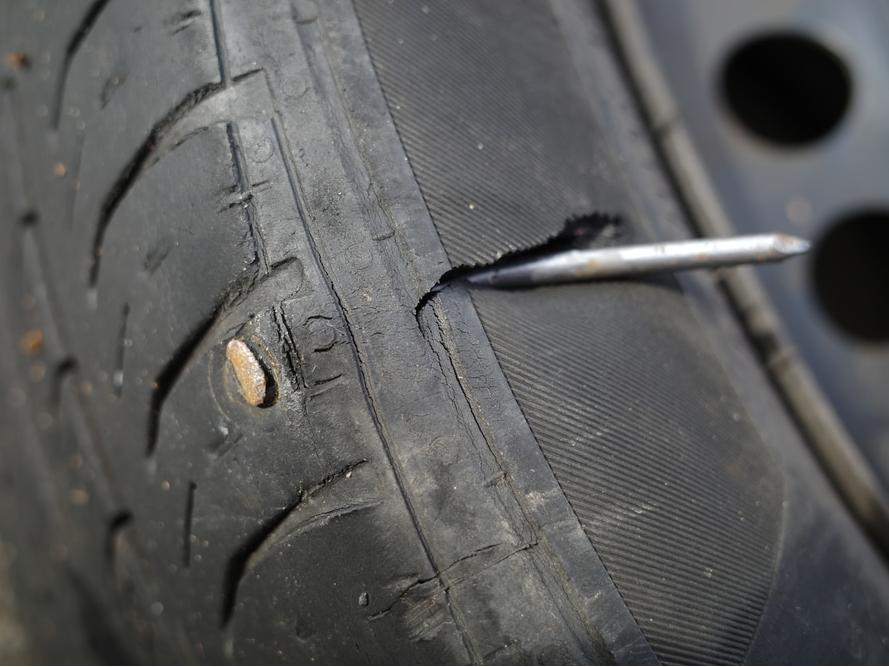

A tire sidewall repaired with a tire plug can typically last for several months. Its service life may even extend up to 25,000 miles. In some cases, it could even last for 7 to 10 years. The actual duration depends on the specific repair method employed, as well as your driving habits. Most experts point out that sidewall plugging is not a permanent solution and poses safety risks. Compared to tread repairs, tire sidewall repairs carry significantly higher risks because the tire sidewall undergoes far more severe flexing and deformation during driving than the tread does.
Key Takeaways
- Plug-in sidewall tires are a temporary fix. They may last from 100 to 1,000 miles, but most do not last long.
- Patching is safer than plugging. A tire patch creates a stronger seal and lasts longer, especially for tread repairs.
- Always consult a tire expert for sidewall damage. They can help determine if you need a new tire for safety.
- Driving on a plugged sidewall tire is risky. The sidewall flexes, which can cause the plug to fail unexpectedly.
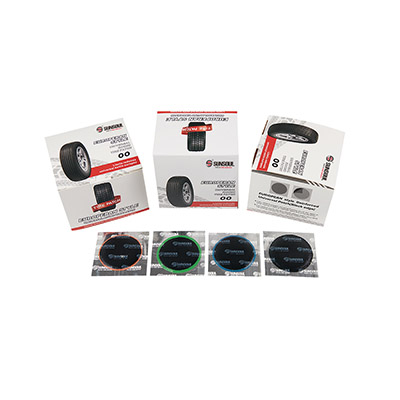
- Using a reliable product like SUNSOUL Tire Patch can improve the strength of tread repairs, but sidewall repairs are not recommended.
What Is a Plug-In Sidewall Tire?
Plugging vs. Patching
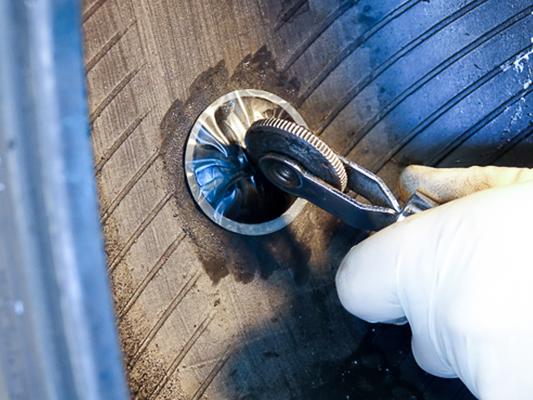
So-called “sidewall plugging” refers to the practice of using a tire plug to repair a puncture in a tire’s sidewall. A common question arises: is plugging the tire a better option, or is patch repair preferable? Plugging is considered a quick-fix solution. The process involves directly inserting a sticky material into the puncture from the outside. When utilizing this method, there is no need to dismount the tire from the wheel rim. Many drivers opt for plugging in emergency situations because it is both fast and simple.
In contrast, patch repair is a more meticulous and involved process. To perform a patch repair, the tire must first be removed from the wheel rim. A repair patch is then applied to the interior surface of the tire, thereby completely covering the puncture. This method of repair creates a more robust and secure seal. Experts note that the durability of patch repair typically surpasses that of plugging; furthermore, they consider patch repair to be the safer option, as a plug inserted into the tire may eventually loosen over time.
Note: SUNSOUL Tire Patch offers a professional solution for those who want a reliable and long-lasting repair. Their patches work for many types of vehicles and provide a strong seal.
Many people wonder, is it better to plug or patch a tire? For most repairs, patching is the safer choice, especially for long-term use.
Why Sidewall Repairs Are Unique
Sidewall repair differs significantly from tread repair. Whenever a vehicle is in motion, the tire’s sidewall undergoes constant flexing and deformation. This continuous movement renders repairs in this area less reliable. Automotive safety experts point out that the stress (force) exerted on the sidewall is greater than that on the tread. Consequently, the risk of tire failure increases—particularly during high-speed driving. For this reason, tire manufacturers do not recommend repairing puncture damage to the sidewall. They maintain that, rather than attempting a repair in this area using a tire plug, replacing the tire with a new one is the safer course of action.
Plug-In Sidewall Tire Lifespan
How Long Does a Plugged Tire Last?
Many people wonder exactly how long a tire repaired with a plug can be expected to last. This is a very common question, particularly regarding sidewall repairs performed using plugs. However, there is no single, definitive answer to this question. Some tires with sidewall plug repairs have been known to last as long as 25,000 miles; if the repair is executed perfectly, they may even remain in service for 7 to 10 years. Nevertheless, the vast majority of tires repaired with sidewall plugs will not achieve such longevity. This is because the sidewall is subjected to higher stress levels than the tread, and it undergoes more severe flexing and deformation while the vehicle is in motion. These factors not only compromise the iantegrity of the repaired area but also contribute to a reduction in the tire’s overall lifespan.
The table below compares the differences in lifespan and effectiveness between sidewall repairs performed using tire plugs versus those utilizing professional repair patches:
| Repair Method | Lifespan Comparison | Reliability Assessment |
|---|---|---|
| Plug-in Sidewall Tire | Usually less reliable, seen as temporary | How well it works depends on many things |
| Professionally Patched | Stays strong and lasts longer | Makes the tire stronger and safer |
A plug in the sidewall is only a short-term fix. Drivers should not think it will last as long as a patch. There is a bigger chance the tire will fail suddenly with a plug. Many experts say it is better to get a new tire instead of using a plug.
Factors That Affect Lifespan
Numerous factors influence the longevity and effectiveness of a tire plug repair. The location, size, and angle of the puncture are all critical considerations. Furthermore, the structural integrity of the tire itself and its current condition must not be overlooked. The table below lists the primary factors affecting the service life of a tire following a sidewall plug repair:
| Factor | Description |
|---|---|
| Location of puncture | Holes in the sidewall or shoulder mean you need a new tire. Holes in the tread might be fixed. |
| Angle of puncture | If the hole is at a sharp angle, you need a new tire. |
| Size of hole | Small holes can sometimes be fixed. Big holes usually mean you need a new tire. |
| Tire condition | Old tires or tires with damage may need to be replaced, even for small holes. |
How well the repair is done also matters. A good repair can help the tire last longer. Products like SUNSOUL Tire Patch use strong rubber and glue. These help the patch stick better and dry fast. The table below shows how good products can help a plugged tire last longer:
| Feature | Benefit | Impact on Durability |
|---|---|---|
| Improved Rubber Formula | Makes the glue work better and dry fast. | Repairs are ready in ten minutes and work better. |
| Adhesive Supplies | Comes with extra glue and tips for easy use. | Helps the repair last longer and work well. |
| Sandpaper | Used to clean the tire before fixing it. | Helps the patch stick better and last longer. |
Your driving habits also influence the lifespan of a tire plug repair. Rough road conditions, high-speed driving, and carrying heavy loads all place increased stress on your tires. If you engage in these driving practices, a repaired tire may not hold up for very long. Regularly inspecting and properly maintaining your tires can help you identify potential issues early on.
Tip: If a tire’s sidewall has been repaired, be sure to have it inspected by a tire expert. They can determine whether the tire remains safe for use or if it needs to be replaced with a new one.
A tire with a repaired sidewall might last for a few months, but this is not a permanent solution. For most vehicle owners, this type of repair should be considered merely a temporary emergency measure—intended only to get the vehicle home or to a nearby repair shop. For best results, it is recommended to use a reliable product—such as a SUNSOUL Tire Patch—and to follow expert advice.
Sidewall Plug Safety Risks
Why Sidewall Plugs Are Risky
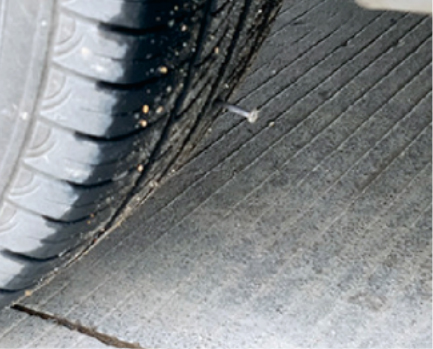
Many drivers are apprehensive about repairing a tire’s sidewall. This is because the sidewall undergoes constant deformation (flexing) while the vehicle is in motion. This continuous flexing can cause the tire plug to loosen or fail. Furthermore, tire plugs are typically ineffective at repairing larger punctures or damage located close to the sidewall. In some instances, the tire could even suffer a sudden catastrophic failure, potentially leading to a traffic accident.
The table below outlines common types of tire damage and their associated safety risks:
| Condition | Safety Risk |
|---|---|
| Puncture size greater than 1/4 inch | Plugs only fix small holes. Big holes are not safe to plug. |
| Puncture near the sidewall | Plugs may not stay because the sidewall bends. It is better to get a new tire. |
| Damaged sidewalls | Driving on a flat tire can hurt the sidewall. You need to replace the tire. |
Insurance companies usually do not pay for plug-in sidewall tire failures. They say sidewall damage cannot be fixed. You must get a new tire if the sidewall is damaged. Tires are made so repairs on the sidewall do not work well. The sidewall bends a lot and this can cause blowouts.
Repair shops can get in trouble if they fix sidewalls with plugs. Courts may not accept plugs or patches alone as good repairs. Some companies have been sued after plug failures. The best way is to use both a plug and a patch. But plugs alone are only a quick fix and not very strong.
When Plugging Is Not Recommended
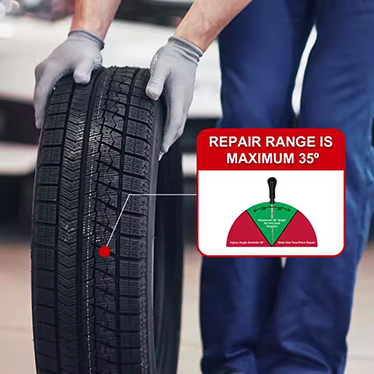
Industry rules answer if a tire plug is a long-term fix. They say plugs are not good for sidewall holes. The Tire Industry Association and U.S. Tire Manufacturers Association say only fix tires in the middle of the tread. They do not allow repairs in the shoulder or sidewall because it is not safe.
The table below shows where repairs are allowed:
| Repair Area | Recommendation |
|---|---|
| Center of Tread | You can repair here. |
| Shoulder/Sidewall | Do not repair here. It is not safe. |
Some states show when plugging is not allowed. California, Texas, and Florida do not let people fix sidewalls. Inspections often find these unsafe repairs.
| State | Allowed on Tread | Sidewall Repair | Inspection Check |
|---|---|---|---|
| California | Yes | No | Yes |
| Texas | Yes | No | Yes |
| Florida | Yes | No | No |
Safety groups say you should get a new tire in these cases:
| Condition for Replacement | Explanation |
|---|---|
| Sidewall or shoulder puncture | Unsafe because these areas bend a lot. |
| Hole larger than 1/4 inch | Big holes hurt the steel belts inside. |
| Multiple punctures | Repairs must be far apart to keep the tire strong. |
| Driven on while flat | Flat tires can break the sidewall inside. |
| Visible failure signs | Deep cracks or bulges mean the tire is weak. |
| Tread worn to 2/32 inch | Tires with low tread must be replaced. |
Drivers should ask if a tire plug is a long-term fix. Experts say it is not. They should know when plugging is not a good idea. Plugging a tire in the sidewall is risky. Getting a new tire is usually the safest choice.
What to Do If Your Sidewall Is Punctured
Alternatives to Plugging
Many drivers may be unsure how to handle a flat tire. If the tire sidewall is damaged, begin by checking the tire pressure to assess the severity of the damage. Under no circumstances should you continue driving on a damaged tire, as doing so will only exacerbate the damage. It is essential to seek professional assistance for either repair or replacement.
A common question is how much it costs to repair—or “patch”—a tire. Simple repairs typically range from $20 to $50, while more complex repairs may exceed $100. If a complete tire replacement is required, the cost generally ranges from $150 to $600, depending on the specific brand and model of the tire.
Some drivers opt to use liquid tire sealants or canned pressurized sealants. These products are effective at repairing small punctures—specifically those with a diameter of 2.4 millimeters or less—but are ineffective against larger forms of damage. The table below compares the performance characteristics of various types of tire sealants:
| Sealant Type | Puncture Size | Success Rate | Limitations |
|---|---|---|---|
| Liquid Tire Sealant | 2.4 mm | Successful | Cannot seal larger punctures |
| Pressurized Can Sealant | 2.4 mm | Minor loss | Needs compressor, not for big holes |
Professional tire repair is safer and lasts longer than fixing it yourself. The table below compares different repair methods:
| Repair Method | Effectiveness | Safety | Longevity |
|---|---|---|---|
| Tire Plug | Temporary fix for small punctures | Less secure | Shorter lifespan |
| Tire Patch | Permanent fix for larger punctures | More secure | Longer lifespan |
A good patch, like SUNSOUL Tire Patch, can make the tire strong again.
When to Replace the Tire
Sometimes you cannot fix the tire. Car makers say you must replace the tire if it has structural damage, bulges, deep cuts, or if cords or plies show. The table below lists when you need a new tire:
| Condition | Action Required |
|---|---|
| Structural damage | Mandatory replacement |
| Bulging damage | Mandatory replacement |
| Significant gashes or cuts | Mandatory replacement |
| Cuts exposing cord or ply | Mandatory replacement |
The service life of a tire is equally critical. If a tire has been in use for more than six years, it should be replaced. Aging rubber hardens over time, leading to reduced grip and, consequently, an increased risk of tire blowouts.
Drivers should always keep in mind the correct procedure to follow in the event of a flat tire (puncture): first, inspect the damage; never continue driving on the damaged tire; and always seek professional assistance. While the cost of repairing (plugging) a tire may be relatively low, safety must always remain the top priority. If the tire’s sidewall has sustained significant damage, the safest course of action is to replace the entire tire.
- Tires that have undergone sidewall repairs often have a shortened lifespan, and their exact remaining service life is difficult to predict accurately. Most tire plugs (inserts) are typically effective for only about 100 to 1,000 miles of driving.
- Safety experts point out that tire plugs typically fail to create a complete, airtight seal within the tire’s internal structure. Air and moisture may seep through the gaps, thereby creating additional safety hazards.
- Therefore, whenever a tire sustains damage, it is imperative to have it inspected by a professional. If the tire’s sidewall has been punctured, replacing the entire tire is undoubtedly the safest solution.
- High-quality tire repair patches (such as SUNSOUL tire patches) can make tread repairs significantly more durable and reliable.
The USTMA says sidewall repairs are not safe. This area bends the most and does not have extra support.
FAQ
Is it safe to drive on a tire with a repaired sidewall?
It is unsafe to drive long distances on a tire with a repaired sidewall. Because the sidewall undergoes significant deformation (flexing) while driving, the repair plug may dislodge or fail. Experts recommend replacing the tire as soon as possible.
Can SUNSOUL tire patches repair punctures in the sidewall?
SUNSOUL tire patches are best suited for repairing damage to the tire tread. Tire experts do not recommend using patches to repair punctures in the sidewall. This is because the degree of sidewall deformation is too extreme to guarantee a repair that is both safe and durable.
What should a driver do if they discover a puncture in the tire’s sidewall?
- Stop the vehicle immediately.
- Inspect the tire to assess the extent of the damage.
- Consult a professional tire technician for advice.
- If the sidewall is damaged, replace the tire.
How long do temporary plugs used to repair a sidewall last?
Temporary plugs used to repair a sidewall typically last for only 100 to 1,000 miles. This type of repair is intended solely as a temporary emergency fix. To ensure driving safety, it is essential to replace the tire as soon as possible.
Why do experts recommend replacing a tire with a damaged sidewall?
| Reason | Explanation |
|---|---|
| Safety | Sidewall repairs can fail suddenly. |
| Tire Structure | The sidewall cannot hold a strong repair. |
| Manufacturer Advice | Most brands say to replace, not repair. |