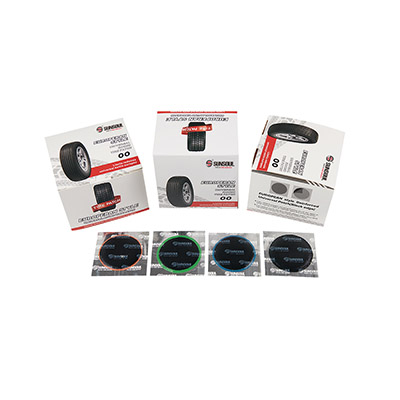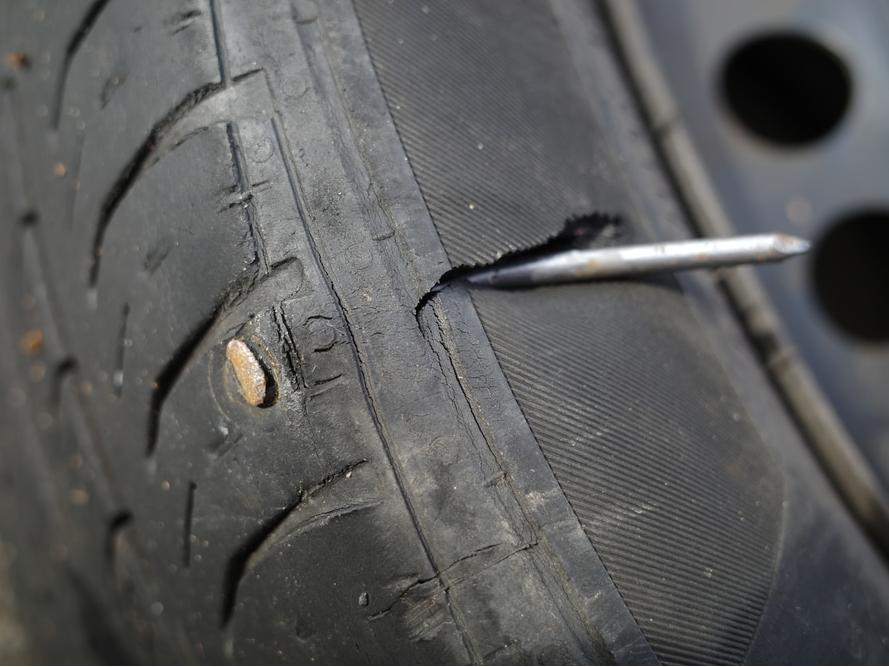


Tubeless tire repair plugs can last for up to 25,000 miles. Many drivers find that their plugs typically hold up for around 15,000 miles. The actual lifespan depends on the quality of the installation, as well as the plug’s material composition and prevailing road conditions. Brands like SUNSOUL utilize high-strength materials to manufacture their plugs, thereby extending their service life. Regular tire inspections are essential for ensuring driving safety. If you are seeking a more durable repair solution, SUNSOUL’s tubeless tire patches offer a permanent fix.
Key Takeaways
- Tubeless tire plugs can last up to 25,000 miles, provided they are installed correctly and subjected to regular inspections.
- While tubeless tire plugs offer a quick solution for sealing small punctures, for the sake of long-term driving safety, it is advisable to consider a permanent repair using a tire patch.
- Regularly inspect the repaired tire for any signs of air leaks or damage. Ensure that the plug remains firmly seated and that the tire remains in a safe condition.
- Good driving habits can help extend the lifespan of the repair plug. Avoid driving on rough or uneven terrain whenever possible, and maintain proper tire inflation pressure.
- If a tire sustains severe damage, always seek professional assistance. Additionally, if the tire already has multiple repair points, or if the plug fails to effectively seal the leak, professional help should be sought.
What is a tubeless tire plug?

A tubeless tire repair plug is a small, flexible rubber strip designed primarily to seal punctures in tubeless tires. Tire accessory manufacturers employ various materials to produce these plugs, ensuring they possess sufficient strength and durability. The primary function of a tubeless tire repair plug is to prevent air leakage—a role it fulfills when a tire is punctured by sharp objects, such as nails, creating a hole.
How it works
Tubeless tire repair plugs function by filling the puncture hole in the tire. They create a tight, airtight seal that effectively prevents air from escaping. When you insert a repair plug into a puncture, it effectively seals the escape route for air. Thanks to its inherent tackiness and flexibility, the plug anchors itself firmly within the hole. Most repair plugs are made from soft, vulcanized rubber—a material that allows them to conform perfectly to the specific shape of the puncture.
Tip: If you put in the plug the right way and check it often, it can last as long as the tire.
Here is a table that shows the main materials used in tubeless tire plugs and what they do:
| Material | Properties |
|---|---|
| Natural rubber | Basic elastomer used in tire making |
| Styrene-butadiene (SBR) | Synthetic rubber, cost-effective |
| Polybutadiene | Low heat buildup, used with other rubbers |
| Halobutyl rubber | Low air permeability, keeps air inside the tire |
| Carbon black | Adds strength and abrasion resistance |
| Silica | Reduces heat, improves performance |
| Sulphur | Helps rubber harden during vulcanization |
| Vulcanizing accelerators | Speeds up the vulcanization process |
| Activators | Assists vulcanization, often zinc oxide |
| Antioxidants/antiozonants | Prevents cracking from sunlight and ozone |
| Textile fabric | Reinforces the tire structure |
Here are the steps for using a tubeless tire repair strip:
- Locate the puncture site and rotate the tire so the hole is positioned at the bottom.
- Thread the rubber repair strip through the specialized insertion tool.
- Forcefully push the tool into the puncture until the repair strip completely fills the hole.
- Quickly pull the tool out, leaving the repair strip embedded inside the tire.
- Inflate the tire and check for any air leaks.
When to use a plug
Automotive experts recommend using tubeless tire repair strips in the following situations:
- As a quick, temporary emergency fix while on the road.
- When the puncture is small and located within the tire tread area.
- When the puncture is modest in size and not located immediately adjacent to the tire sidewall.
- When you are unable or unwilling to remove the tire from the wheel rim.
Using a tubeless tire repair strip is a quick and simple method for patching a tire. It works best for repairing small punctures, helping you get back on the road as quickly as possible after experiencing a flat tire (air leak).
How long do tubeless tire plugs last?
Typical lifespan range
Many people wonder how long a tire repair plug typically lasts after being used to fix a leaking tire. The answer depends on various factors, but experts generally agree that, if installed correctly, a tubeless tire repair plug can last for up to 25,000 miles. Some drivers find that a plug fails after just a few months, while for others, the plug holds up until the tire itself reaches the end of its useful life. Generally speaking, a tire repair plug is intended as a temporary fix rather than a permanent solution. Most manufacturers and repair shops recommend using a permanent patch to ensure optimal safety and durability.
- In some cases, a tire repair plug (or “plug”) can last just as long as the tire itself.
- Many plugs perform well during the first few months of use.
- Most experts view plugs as a short-term solution.
- Permanent repair methods—such as patches—offer longer-lasting protection.
Note: Always check your plugged tire often to make sure it stays safe and holds air.
Factors affecting plug life
The lifespan of a tire patch (or plug) depends on numerous factors. The method of installation is paramount. Tire repair experts note that, if installed correctly, a patch can last for up to 25,000 miles. Conversely, if installed improperly, the patch may fail within a very short period. The size of the puncture is another critical factor; small holes in the tread area are easier to repair and yield more durable results, whereas larger punctures or damage located near the sidewall may cause the patch to fail rapidly.
Other significant factors include:
- Climate: Hot weather causes tire pressure to rise. This increased pressure places added stress on both the patch and the tire, thereby heightening the risk of failure.
- Driving Speed: High-speed driving subjects the tires to greater physical forces. Driving at high speeds can cause the patch to shift or the tire to deform, potentially leading to an air leak.
- Patch Material: Old or dried-out patches are prone to premature failure. Using fresh, high-quality patches and rubber repair cement helps prevent air leaks.
- Regular Inspections: Frequently inspecting tire patches helps identify issues early on. If a patch appears to have shifted or the tire shows signs of leaking, a re-repair may be necessary.
Drivers often ask: How long can I continue driving on a patched tire? The answer varies depending on the aforementioned factors. If the patch effectively seals the puncture and the tire remains in good overall condition, it may have a long remaining lifespan. However, if the patch fails, the tire may lose air rapidly. For optimal results, drivers should use brand-new patches, strictly adhere to proper repair procedures, and regularly inspect the condition of their tires.
Tip: If you see air loss or damage around the plug, get the tire checked by a professional right away.
Tubeless tire patches can help you get back on the road quickly after a puncture. However, understanding the expected lifespan of a tire patch—and the factors that influence it—is crucial for ensuring driving safety. Regular inspections and proper repair practices can have a significant impact on extending the service life of a tire patch.
How long will tire plugs last compared to permanent repairs?
Temporary vs. permanent solutions
Many drivers, upon experiencing a flat tire, turn to tubeless tire plugs as a quick, emergency fix to get back on the road. For small punctures located in the tire tread area, tire plugs often provide a highly effective repair. Drivers can typically perform the installation themselves using nothing more than a simple repair kit. However, experts point out that tire plugs are generally intended only as a temporary solution. Automotive safety regulators have highlighted several key differences between temporary and permanent tire repair methods:
- Temporary tubeless tire plugs help seal minor punctures, allowing drivers to continue driving.
- Permanent tire patches, conversely, cover the damaged area from the inside of the tire and offer a significantly longer service life.
- For larger punctures, tire patches are more effective, enabling the tire to remain in service for many additional miles.
- While tire plugs are inexpensive and easy to use, they do not offer the same longevity as tire patches.
Comparative studies indicate that using a tubeless tire plug alone is not as durable as a combined repair solution utilizing both a patch and a plug. The tire patch provides complete coverage, resulting in a much more secure repair. When installed correctly, a tire patch can last for the entire remaining lifespan of the tire.
The table below illustrates the average cost differences between these two repair methods:
| Repair Method | Cost Range |
|---|---|
| DIY Tubeless Tire Plug | $10 – $20 |
| Professional Tire Patch | $20 – $45 |
A tire plug offers a fast and low-cost way to fix a flat, but it does not provide the same safety or durability as a permanent patch.
SUNSOUL tubeless tire patch as a permanent option
SUNSOUL tubeless tire repair patches offer drivers a permanent solution for tire repair. Crafted from robust yet flexible materials, these patches bond tightly with the tire’s casing from the inside. They create an exceptionally airtight seal, effectively preventing any air leakage. For cyclists, motorcyclists, and car owners seeking a long-lasting repair, SUNSOUL patches are the ideal choice.
Permanent repair solutions—such as SUNSOUL tubeless patches—offer a multitude of advantages:
- When installed correctly, the repair can last for the entire remaining lifespan of the tire.
- It completely covers the damaged area, resulting in a more reliable and secure repair.
- By mitigating the risk of sudden tire pressure loss, it helps ensure the safety of the driver.
- It is suitable for use on various types of tires, including those frequently used on rugged off-road terrain or high-speed highways.
Many auto repair shops recommend using permanent repair patches to ensure the best possible outcome. SUNSOUL tubeless patches stand out thanks to the high-quality materials and powerful adhesives used in their construction. These patches are capable of withstanding the rigors of demanding road conditions, keeping your tires in excellent working order for the long haul.
Tip: For drivers seeking the most reliable repair outcome, a permanent solution like the SUNSOUL tubeless patch is undoubtedly the best choice. It not only effectively protects the tire but also ensures the safety of everyone inside the vehicle.
Signs a tubeless tire plug is failing
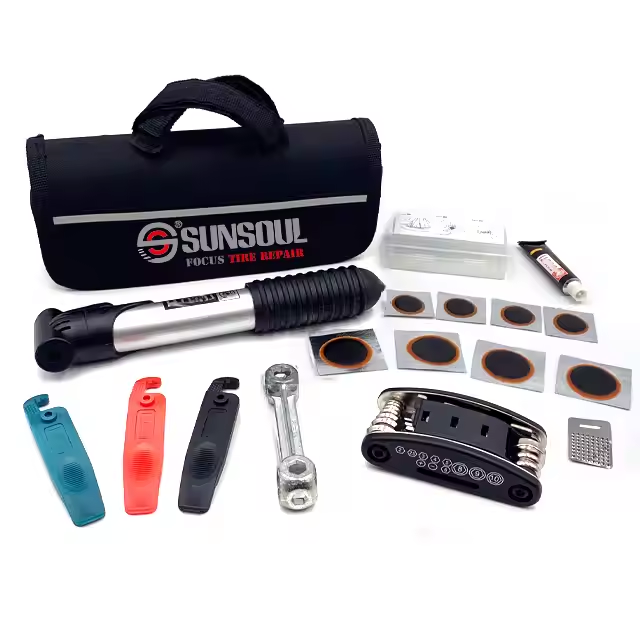
Drivers must learn to recognize when a tubeless tire plug is beginning to fail. Early detection of such issues can help prevent more serious malfunctions while on the road. Tire maintenance experts have identified several warning signs indicating that a tire plug may no longer be functioning properly.
Air loss or pressure drop
A sudden drop in tire pressure often signals a tire malfunction. In tubeless tire systems, the normal rate of natural air loss is approximately 10% to 20% every 24 hours. If tire pressure drops suddenly—by 50% or more—within just a day or two, it indicates a serious underlying issue. At this point, a driver may notice that the tire feels soft to the touch or observe that the low tire pressure warning light has illuminated on the dashboard. Sometimes, air leakage begins after the tire rolls over debris on the road. In certain instances, tire sealant may even be seen spurting out of the puncture site; this signifies that the tire plug is no longer effectively sealing the hole.
Tip: Checking tire pressure every few days helps catch problems early. A fast drop in pressure means the plug needs attention.
Visible plug movement or damage
During routine vehicle inspections, drivers should pay particular attention to the area where a tire plug has been installed. If the plug appears to have shifted or moved, it suggests that it may not be securely seated in place. The presence of cracks, splits, or missing material is also a sign of failure. If the plug protrudes outward or appears loose, it may be unable to effectively seal the damaged tire. The appearance of wet spots or bubbles around the plug indicates that air or tire sealant is leaking out. These signs collectively suggest that the plug can no longer ensure the safe operation of the tire.
- Signs of plug failure include:
- Plug sticking out or looking uneven
- Cracks or splits in the plug material
- Wet spots or bubbles near the repair
- Sealant leaking from the plug area
Drivers who see these signs should get the tire checked by a professional. Quick action helps avoid a flat or blowout. Tire plugs work well for many repairs, but regular checks keep drivers safe.
Maximizing tubeless tire plug life
Regular inspections
Regular inspections help keep tires safe and extend the life of a plug. Tire manufacturers recommend checking the tire and plug often. Drivers should look for signs of air loss, cracks, or movement around the plug. They should also check the tire pressure every week. If the tire loses air quickly, the plug may not work well anymore.
Here are some steps for proper maintenance:
- Inspect the damage closely before and after repair.
- Clean and prepare the area around the puncture.
- Choose the right repair method for the size and location of the hole.
- Make sure the plug forms a tight seal.
- Watch how the tire performs after the repair.
Tip: Plugs work best for small holes. If a tire needs more than three plugs, drivers should consider other repair options.
Safe driving habits
Safe driving habits can help tire plugs last longer. Automotive safety experts suggest several ways to protect the repair:
- Avoid rough roads and sharp objects that can stress the plug.
- Keep tires inflated to the correct pressure.
- Check tire temperature during long drives.
- Rotate and balance tires to spread out wear.
- Inspect tires often to catch problems early.
Drivers who follow these habits help their tires and plugs last longer. They also lower the risk of sudden flats.
When to seek professional repair
Sometimes, a plug is not enough. Tire repair professionals advise getting help in these cases:
- The tire has a large cut or deep damage.
- The hole is near the sidewall or close to another repair.
- The tire has been driven while flat, which can hurt the sidewall.
- There is a bubble or bulge in the tire.
- The plug does not stop the air leak.
For safety, specialists use the right tools and methods to make sure the repair lasts. If a tire needs more than three plugs, it is safer to use a different repair method or replace the tire.
A tubeless tire plug can last thousands of miles if installed well and checked often. Plug life depends on the size of the hole, driving habits, and plug quality. Regular inspections help spot problems early. Drivers should switch to a permanent repair like the SUNSOUL tubeless tire patch for the best safety. If a plug fails or the tire loses air, a professional should check the tire right away.
Safety tip: Replace or professionally repair a plugged tire if you see leaks or damage.
FAQ
Is it safe to drive with a tubeless tire plug?
Tubeless tire plugs provide a safe yet temporary repair solution for small punctures. Drivers should regularly inspect the condition of the plug; if the tire begins to leak air or the plug becomes dislodged, professional assistance should be sought immediately.
Can tubeless tire plugs repair any type of puncture?
Tubeless tire plugs are most effective for repairing small holes in the tire tread. They cannot repair damage to the sidewall or larger cuts and gashes. Tire experts recommend using a patch repair method for larger or more complex punctures.
How soon after a repair should a tire be replaced?
If a repaired tire shows signs of leaking, visible damage, or repeated loss of air pressure, the driver should immediately replace the tire or have it thoroughly repaired by a professional service center. Regular inspections help detect potential issues early on.
Do weather conditions affect the durability of a tire plug?
Yes, they do. Extreme heat or cold can cause fluctuations in tire pressure, placing additional stress on the plug. In environments with extreme temperatures, drivers should increase the frequency of their tire inspections.
What tools are required to install a tubeless tire plug?
Most tire repair kits include a reamer (or rasp tool), an insertion tool, and rubber repair plugs. Some kits also include rubber repair cement. For the best repair results, drivers should strictly follow the instructions provided within the kit.