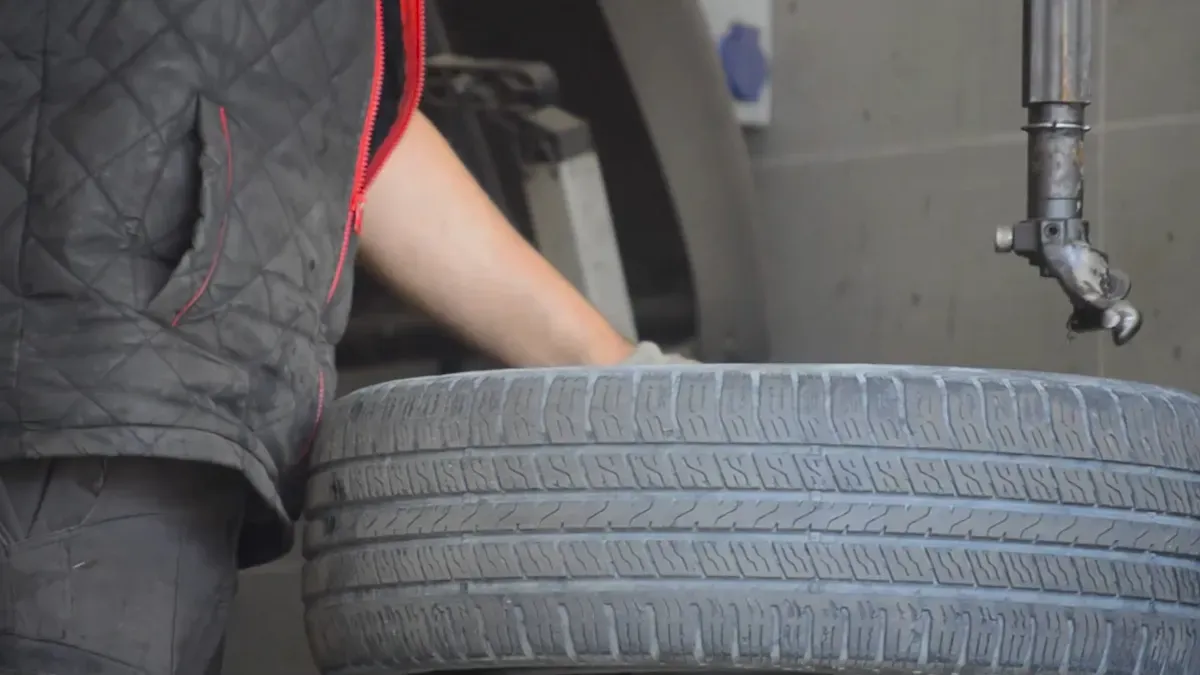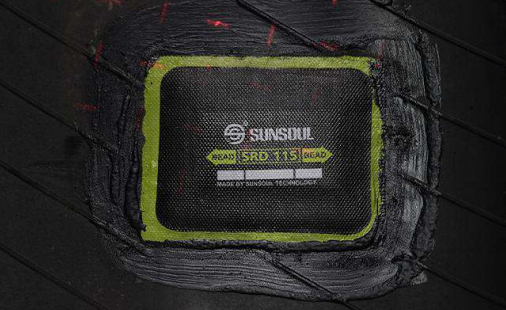

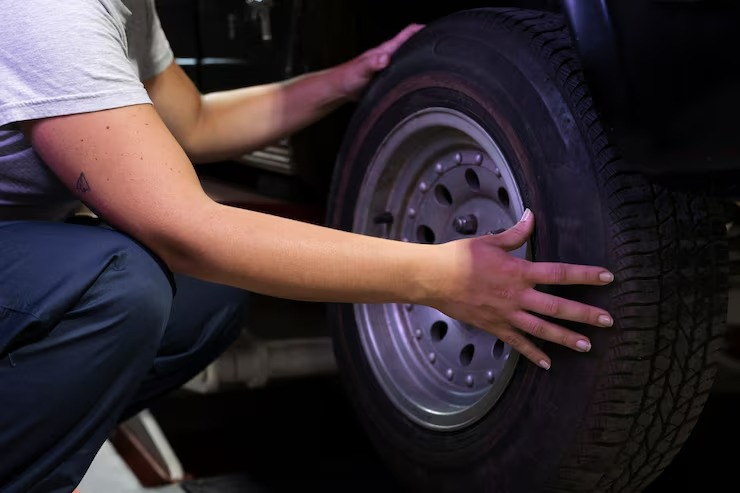
Many drivers, when faced with a puncture, often ask: Can run-flat tires be repaired? The unique design of these tires allows a vehicle to continue driving after complete deflation, but this also makes tire damage detection and repair more complex. Only experienced experts can accurately determine whether a damaged run-flat tire meets the standards for safe repair. Therefore, when encountering run-flat tire repair issues, it is essential to follow the manufacturer’s guidelines. Using high-quality professional tire repair kits/tools from brands like SUNSOUL can effectively ensure driving safety after a tire repair, restoring your driving confidence.
Key Takeaways
- You should have your run-flat tires inspected by a professional first. This will ensure your safety and detect damage you may not be able to see.
- Repairs should only be made if there is a puncture in the center of the tire tread. The hole must be less than 1/4 inch (approximately 6 mm). Tires should not be left leaking for extended periods.
- Use high-quality tire patches. These patches are durable and maintain the tire’s strength.
- If the tire sidewall is damaged, has more than one hole, or has been leaking for an extended period, you will need to replace the tire as a safety precaution.
- Check your tire pressure and tread depth regularly. This helps prevent problems and extends tire life.
Can You Patch a Run-Flat Tire?
In some cases, run-flat tires can be repaired, but only in specific situations. Tire manufacturers and experts recommend that tires be inspected by professionals. Furthermore, you must follow the manufacturer’s instructions. Safety is always the top priority for everyone in the vehicle.
When Patching Is Possible
A run-flat tire can be fixed if it meets some rules. Technicians check if the damage is in the center tread. The hole must be smaller than ¼ inch wide. The tire should not have been driven too far after losing air. The inside of the tire must still be strong. These steps help make sure the repair is safe.
- The hole is in the center tread, not on the side.
- The hole is less than ¼ inch wide.
- The tire was not used flat for a long time.
- The inside parts are still good.
- The tire was not used with very low air.
A good tire patch can last as long as the tire does. Sometimes, this means seven or ten years. The patch sticks tightly to the inside of the tire. These work well for cars, trucks, and tubeless tires.
Tip: Always let a professional check your run-flat tire before fixing it. This helps find hidden problems and keeps you safe.
Big tire companies have different rules about patching run-flat tires. The table below shows what some brands say:
| Manufacturer/Brand | Repair Policy | Additional Provisions |
|---|---|---|
| Bridgestone | Permitted | Only if 15 psi maintained |
| Continental | Does not recommend | Mfg. Road Hazard Program* |
| Michelin | Permitted | 1 repair maximum |
Most brands say not to patch run-flat tires that were driven flat. This rule helps keep people safe.
When Replacement Is Needed
If a tire is damaged beyond repair, it needs to be replaced with a new run-flat tire. Holes in the tire sidewall, multiple holes clustered together, or driving a distance with a completely flat tire all indicate that you need to replace it. Internal tire damage is difficult to detect. Driving with a completely flat tire weakens the tire and can lead to a blowout.
- Sidewall or shoulder damage
- Multiple holes clustered together
- Tire used at extremely low pressure
- Internal damage discovered during inspection
Tire manufacturers recommend that run-flat tires should be replaced if they have been used with a completely flat tire. Repairing these tires may be unsafe and could lead to a blowout or loss of vehicle control. The table below compares the repair methods and safety of run-flat and regular tires:
| Tire Type | Repairability | Safety Outcomes |
|---|---|---|
| Run-flat tires | Sometimes fixed for small holes; big holes or side damage usually not fixed. | Made to let you drive a short way after a hole, so you do not get stuck right away. |
| Conventional tires | Usually easier to fix. | No special safety feature for driving after a hole. |
Fixing a run-flat tire costs $40 to $75. Getting a new one costs $90 to $250 or more. Insurance may treat fixed and new tires differently. The tire’s condition can change what happens after a crash. Tell your insurance company if you use run-flat tires.
Note: Using a trusted tire patch like SUNSOUL Tire Patch gives a strong repair when patching is allowed. Always listen to the manufacturer and professionals for the best results.
How to Patch a Run-Flat Tire Safely

Steps for Inspection and Repair
Repairing run-flat tires requires careful handling and safety precautions. A mechanic will first inspect the tire, both inside and out, for cuts, bulges, or other hidden damage. Experts will also check the tread for unevenness and for any issues with the sidewalls. If the tire has been used with a flat tire before, most manufacturers recommend replacing it. This is because even if it’s not visible to the naked eye, the inside of the tire may have been damaged.
The common procedure for repairing run-flat tires is as follows:
- Remove the tire from the rim for a thorough inspection.
- Inspect both the inside and outside of the tire for any damage.
- Measure the puncture, ensuring it is less than 1/4 inch (approximately 0.6 cm) wide and centered on the tread.
- If necessary, insert a patch using a tool.
- Apply rubber sealant or glue to seal the patch.
- Trim off any excess patch with a knife or razor.
- Tire repairs should only be performed after a professional has confirmed it is safe.
Note: Always follow what the tire maker says and let a professional check the tire before fixing it.
Choosing the Right Tire Patch
Choosing the right tire patch is crucial for both safety and strength. High-quality tire patches from trusted brands like SUNSOUL are made with high-strength materials and offer excellent adhesion. SUNSOUL tire patches are available for both wholesale and custom orders. They use nylon or polyester cords and special adhesives. These patches offer 20% more tear resistance and maintain a tight seal even in extremely hot or cold environments. Their car tire patches, tire repair patches, tubeless tire repair patches, and truck repair patches all meet DOT and ECE R109 standards.
Using the right tire patch helps maintain the strength and flexibility of your tire. Certified patches reduce the risk of patch loosening or developing weak points. Always use patches specifically designed for run-flat tires to ensure a long-lasting repair.
Tip: Check your tire pressure and tread often to stop problems and help your tires last longer.
What to Do If Your Run-Flat Tire Is Damaged
Immediate Actions
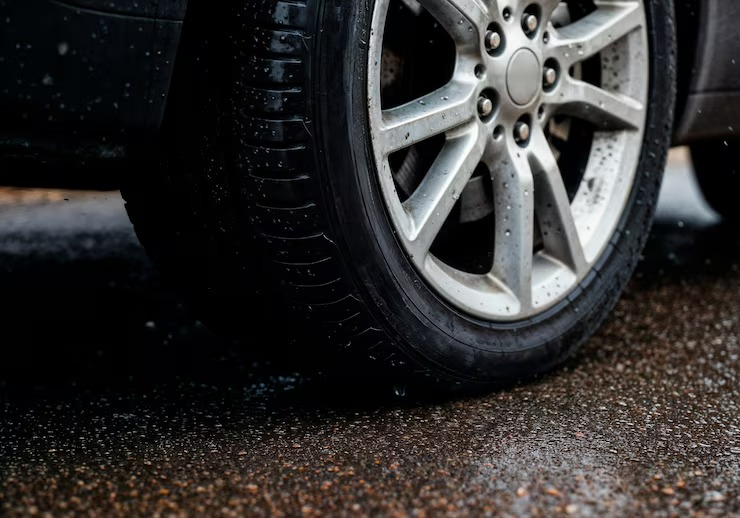
If you suspect a tire puncture, take immediate action. If possible, move your vehicle off the main road. Try to pull over to the shoulder or a nearby parking lot. Even if the tire is completely flat, drive to a safe location. Do not park in painted areas at intersections with ramps. Run-flat tires allow you to travel a short distance after a puncture, approximately 50 miles at 50 mph. Traveling further or at excessive speeds can damage the tire’s internal structure and even deform the rim. Additionally, a puncture can damage brake lines or suspension components. The danger is greater when the tire is not functioning properly.
Tip: Do not drive far on a flat run-flat tire. This can make fixing the tire impossible and put everyone in the car at risk.
When to Seek Professional Help
Pay close attention to warnings from your Tire Pressure Monitoring System (TPMS). If you see a warning, slow down and avoid sharp turns. Inspect your tires for any visible damage. Consider how far you are from a repair shop. Drive cautiously and keep your speed below 50 mph. Try not to drive more than 50 to 100 mph. Once you reach a safe location, have a professional inspect your tires. If you find large cuts or damage on the tire sidewall, seek help immediately. A professional will use tools to inspect your tires and tell you if they need repair or replacement. They may use car tire patch, tire repair patch, tubeless tire repair patch, or truck tire repair patch to repair your tires. Even run-flat tires can be damaged, so having your tires checked regularly ensures your safety.
| Action | Reason |
|---|---|
| Watch TPMS | It warns you early about tire problems |
| Slow down | It stops more damage |
| Get a check | It makes sure your tire is safe |
| Use good patches | It keeps your tire strong and reliable |
Note: Let a professional check your run-flat tire to see if it can be fixed or needs to be replaced. Good patches like SUNSOUL help make repairs safe and strong.
Safety is the most important thing when fixing a run-flat tire. Technicians look at where the damage is and how big it is. They also check what kind of damage happened. They look at how old the tire is and how deep the tread is. Experts and the tire maker both say safety and good care are very important.
| Aspect | Professional Advice | Manufacturer Guidelines |
|---|---|---|
| Repairability | Not all damage is repairable | Follow operational limits |
| Safety | Replacement is safer if in doubt | Ensure vehicle compatibility |
Drivers should pick trusted products like SUNSOUL Tire Patch for repairs. Always ask a professional for help if your tire is damaged.
FAQ
Can a run-flat tire be patched at home?
A run-flat tire should be checked by a professional first. Technicians use special tools to find hidden damage. Fixing it at home can miss problems inside the tire. Using a car patch or tire repair patch without expert help is not safe.
How long can someone drive on a damaged run-flat tire?
You can drive up to 50 miles on a damaged run-flat tire. Keep your speed under 50 mph. If you go farther or faster, the tire can get hurt inside. Acting quickly helps you avoid needing a new tire.
What types of patches work best for run-flat tires?
Technicians say to use strong patches like tubeless repair patch or truck repair patch. These patches stick well and last a long time. SUNSOUL Tire Patch is a good choice for fixing run-flat tires.
Is patching a run flat tire always safe?
Patching a run flat tire is safe only if the damage fits certain rules. The hole must be small and in the center tread. A professional check makes sure the run-flat tire stays safe.
Why do manufacturers limit repairs on run-flat tires?
Manufacturers limit repairs because run-flat tires can have hidden damage inside. Safety rules help keep drivers safe from sudden tire problems. Experts use tire repair patch and follow strict steps to make sure the tire works well.