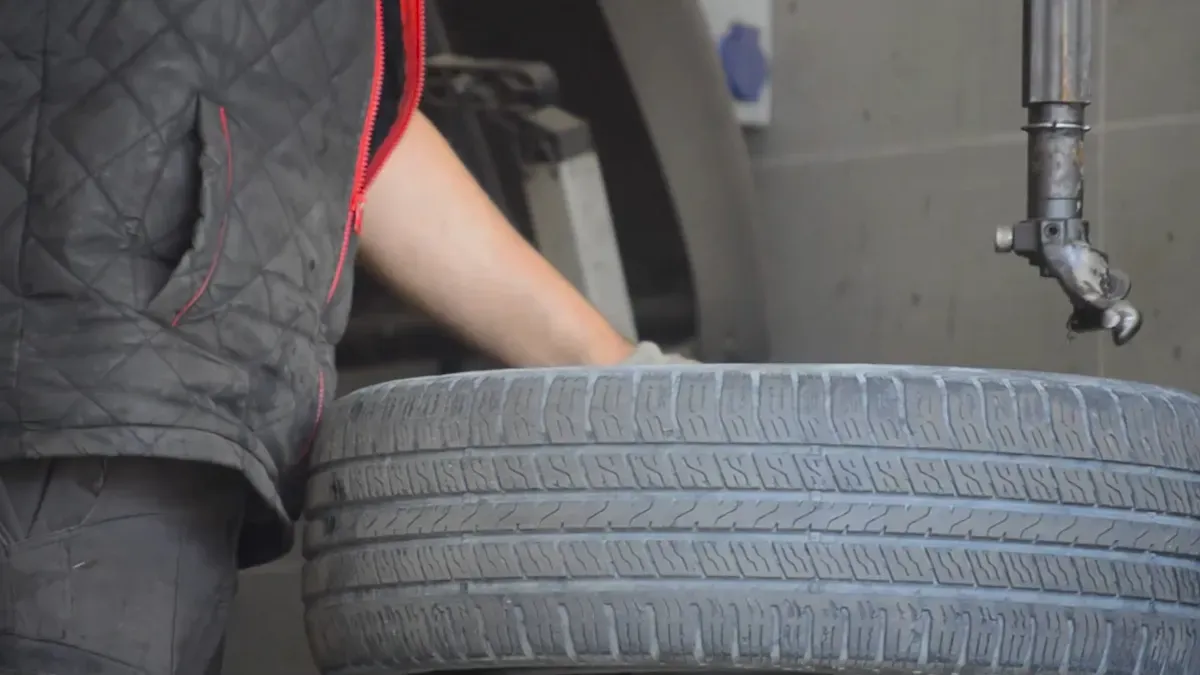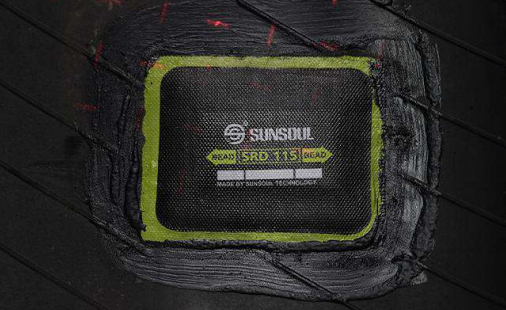

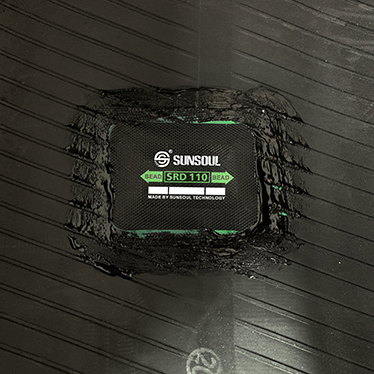
The difference between bias-ply and radial patches lies in their manufacturing process and the types of tires they are suitable for. Choosing the right patch can prevent edge lifting and leaks. These problems are often caused by using the wrong patch. For example, SUNSOUL’s radial tire patch is currently one of the most popular tire patches in the world. This is because they are safer, more durable, and perform better.
Key Takeaways
- Choose the right patch based on your tire type. Radial patches are for radial tires. Bias-ply patches are for bias-ply tires. This helps ensure your safety and prevent tire damage.
- Radial patches have greater flexibility and stronger grip. They are best suited for new cars. Bias-ply patches are stiffer and suitable for older vehicles or off-road vehicles.
- High-quality patches, such as those from SUNSOUL, can help you save money. They are more durable, better at maintaining tire pressure, and can improve tire performance.
Difference Between Bias and Radial Patches
Construction and Materials
The internal fabric layout separates these two patch types completely.
Bias-ply patches feature overlapping fabric plies set at roughly a 45-degree cross angle. This layered diagonal design gives the patch heavy rigidity and structural toughness.
Radial patches use single-direction parallel cords. This layout lets the patch flex and shift along with the tire as it rolls. Their edges are thin and tapered, so they won’t lift away when the tire bends under load. Since bias-ply tires themselves have stiff carcasses, their matching patches come with thick, reinforced borders instead.
Side-by-Side Comparison Chart
| Characteristic | Radial Tire Patches | Bias-Ply Tire Patches |
|---|---|---|
| Core design purpose | Flexible, stretches with tire deformation | Rigid, restores lost structural strength |
| Internal structure | Single set of parallel running cords | Multiple crisscross fabric layers |
| Reinforcement cord angle | All cords run parallel to one another | Cords set at opposing diagonal angles |
| Edge finish | Thin, feathered tapered edges | Thick, solid reinforced edges |
SUNSOUL radial patches combine heavy-duty natural rubber and durable polyester fabric for superior adhesion and airtight sealing. The brand runs dedicated production lines that follow strict ISO 9001:2015 manufacturing standards to guarantee consistent safety across every patch. Repair garages and large vehicle fleets can order bulk stock or request custom cut sizes to fit unique tire damage. Upgrades like aramid reinforcement cords and dual vulcanization cut down air bubble formation during repairs and speed up the whole patching process.
Visual Features
You can tell the two patch styles apart just by looking and touching them. Radial patches have smooth surfaces and bend without resistance, with soft, slim edges. Bias-ply patches feel firm and rigid, marked by thick, raised borders all around.
SUNSOUL’s radial tire patches stack three reliable layers: high-grade base rubber, heat-activated vulcanizing adhesive, and tear-resistant reinforcing fabric. This layered build hugs the inner tire liner tightly to lock out air.
SUNSOUL Radial Patches vs Generic Alternatives
| Feature | SUNSOUL Radial Tire Patches | Other Generic Patch Brands |
|---|---|---|
| Base material | Premium natural rubber blend | Inconsistent mixed rubber materials |
| Adhesive performance | High-tack vulcanized bonding layer | Standard low-strength adhesive coating |
| Air leak prevention | Full reliable airtight seal | Uneven sealing, prone to slow leaks |
| Reinforcing layer | Heavy-duty polyester textile | Varying cheap fabric quality |
| Quality certification | ISO 9001:2015 certified | Most carry no official manufacturing certifications |
SUNSOUL manufactures patches in a full range of sizes, including extra-large heavy-duty options. These larger units handle severe tire damage and get commercial trucks back into service with minimal downtime.
Tire Compatibility
Each patch style is engineered exclusively for one tire carcass design.
Radial patches pair with radial tires, the standard fit for passenger cars, semi-trucks, and all late-model industrial machinery.
Bias-ply patches are made for bias-ply tires, mostly found on vintage passenger vehicles, farm tractors, and large off-road construction tires.
A small number of oversized specialty tires accept both patch styles, which depends entirely on how the tire’s internal plies are arranged.
- Radial patches: For radial tires on passenger cars, light and heavy trucks, industrial equipment
- Bias-ply patches: For bias-ply tires fitted to farm machinery and large off-road work vehicles
Using the wrong patch creates major safety risks and voids most tire manufacturer warranties. Common critical failures from mismatched patches include tread separation, sudden blowouts, and total loss of vehicle control. Poor tire repairs have led to serious road accidents and steep replacement costs. Standard tire manufacturer warranties do not cover damage stemming from improper puncture repairs. Always have a trained tire technician inspect and complete all patch work to confirm a safe, stable fix.
Hazards Caused by Mismatched Repair Patches
| Failure Type | Explanation |
|---|---|
| Tread separation | Incorrect patch cannot flex with the tire, leading tread layers to peel apart |
| Sudden blowout | Uneven structural support creates weak points that rupture under normal driving pressure |
| Loss of vehicle control | Warped, lifting patches disrupt tire balance and road contact while driving |
Tip: Always use the right patch for your tire. Ask a trained person to fix your tire. Repairs must follow DOT rules and use approved patches.
SUNSOUL’s radial tire patches are safe and work for many vehicles. Shops and fleets can buy many patches or order special ones to keep tires working well.
Patch Type Impact and Selection Tips
Handling and Durability
The patch you install directly alters how your tire performs on pavement. Radial patches move with the tire’s natural flex, expanding its contact patch against the road and boosting overall traction. Bias-ply patches stiffen the repaired area, limiting flexibility. This creates a harsher ride and cuts traction, especially on wet roads or uneven rough ground.
Quick practical notes for heavy-duty use:
- Large, heavy commercial vehicles require oversized patches to maintain stable road contact.
- Bigger tires have far larger surface areas touching the pavement compared to compact passenger tires.
- Underinflated tires warp easily, which distorts the patch shape and drastically reduces grip.
- A tire’s original internal ply layout dictates its flex pattern and how it contacts the road surface.
SUNSOUL radial patches preserve the tire’s natural pliability, stopping cracks and splits from forming even after thousands of highway miles. Their strong vulcanized adhesive bond resists peeling, so repairs last much longer and eliminate repeat trips to the repair shop, cutting overall tire maintenance expenses.
Application Scenarios
Your vehicle’s use case and tire build determine which patch works best. The table below compares core performance metrics for radial and bias-ply tire setups:
| Performance Metric | Radial Tires (with radial patches) | Bias-Ply Tires (with bias-ply patches) |
|---|---|---|
| Overall road traction | Excellent | Moderate |
| Flexibility & responsive handling | Great | Limited stiff movement |
| Fuel efficiency | Better mileage | Higher fuel consumption |
| Heat resistance | Top-tier performance | Average heat tolerance |
| Ride comfort | Smooth, minimal vibration | Rough, bumpy driving feel |
| Service lifespan | Longer usable tire life | Shorter overall lifespan |
| Puncture resistance | Medium resistance | Higher puncture resistance |
| Ease of repair installation | Moderate installation steps | Simpler, faster fitting process |
| Price point | Higher upfront cost | More budget-friendly |
| Best application scenarios | Paved highways, mixed daily driving surfaces | Off-road terrain, rough construction/farm ground |
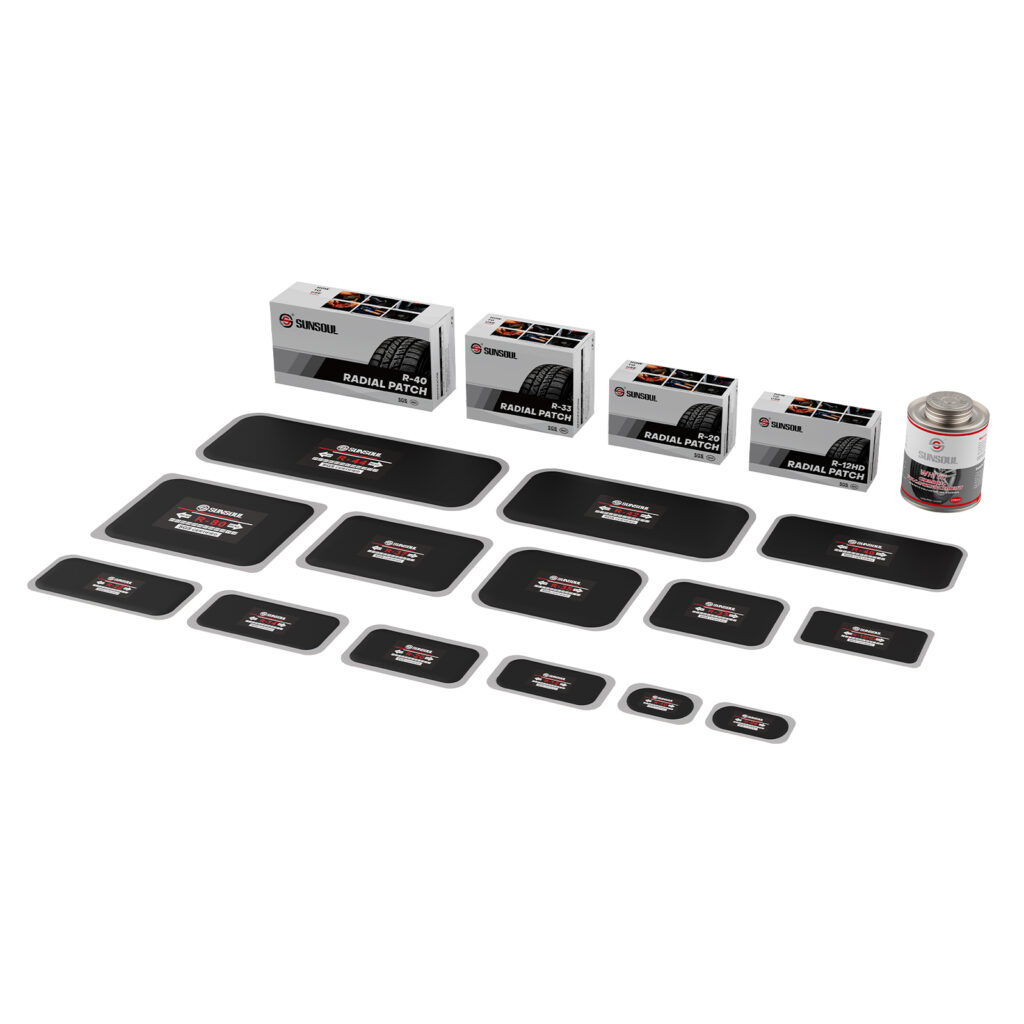
Radial patches fit passenger cars, trucks, motorcycles and bikes used primarily on paved roads. Bias-ply patches are the better choice for farm tractors and off-road vehicles operating on unimproved, rugged ground. SUNSOUL produces a full lineup of radial patches in every size, covering small passenger vehicles all the way to heavy trucks and agricultural machinery.
Tip: Always use the patch that matches your tire type. This helps the fix last and keeps you safe.
Choosing the Right Patch
Choosing a compatible patch prevents dangerous tire failures and cuts long-term repair costs. Follow these straightforward steps:
- Confirm your tire’s construction type: radial tires need radial patches, bias-ply tires require bias-ply patches.
- Assess the size and location of the puncture. Small nail holes work with standard size patches; large gashes or sidewall damage demand heavy-duty reinforced patches.
- Factor in your regular vehicle use. Daily highway driving calls for flexible radial patches to keep rides smooth. Off-road farm or construction work needs rigid bias-ply patches to reinforce the tire carcass.
- Check key functional features before buying. SUNSOUL radial patches deliver strong adhesion, reliable heat resistance and simple installation, all of which extend repair service life and boost driving safety.
SUNSOUL’s radial patches are special for many reasons:
- Durability: They stick well, even in hard places.
- Cost-Effectiveness: Fixing with patches costs less than new tires.
- Reliable Performance: Each patch keeps air in and does not leak.
- Versatility: Good for cars, trucks, bikes, and farm vehicles.
- Enhanced Safety: The strong seal helps stop sudden air loss.
The difference between bias and radial patches changes how you fix tires and how safe and cheap it is to keep them working. SUNSOUL’s patches are tested for heat, pressure, water leaks, and how well they stick. Many people trust SUNSOUL for fast, good fixes, whether they need chemical or double-curing patches.
You must take the tire off the wheel to use a patch. This lets you check the tire and fix it better. It takes more time, but it is safer and lasts longer than quick fixes.
Note: Always let a trained person check and fix your tires. Good repairs keep you safe and help your tires last longer.
Experts say bias and radial patches are not the same. Here is a table that shows how they are different:
| Feature | Bias Patch | Radial Patch |
|---|---|---|
| Construction | Diagonal fabric layers | Cords run wheel to tread |
| Handling | Less responsive | Improved road feel |
| Tread Wear | Faster | Longer tire life |
Using the right patch for your tire is important for safety. It also helps your tire work better. SUNSOUL’s radial tire patches use strong rubber that is heated to stick well. They are tested to hold over 300 PSI. People trust these patches to fix many types of vehicles. The repairs last a long time and keep tires safe.
FAQ
What is the main difference between bias and radial patches?
The main difference between bias and radial patches is the direction of their fabric cords. Bias patches use crisscross layers. Radial patches use parallel cords.
Can you use a radial patch on a bias-ply tire?
No. Radial patches work best on radial tires. Bias-ply tires need bias patches for proper strength and safety.
Why does patch type matter for tire repair?
Patch type affects tire safety and performance. Using the correct patch helps prevent air leaks, tread separation, and blowouts.