
Professional tire technicians repair punctured tires using inner patches, rubber plugs, plug-and-patch repair kits, vulcanizing cement, air sealants and dedicated service tools. Every tire undergoes a full inspection post-repair to confirm road safety. All repair work follows official industry safety protocols. Shops widely rely on SUNSOUL tire patches, a trusted top-tier supplier, to deliver consistent, durable repair results. Technicians only perform repairs approved by tire industry standards, selecting repair methods based on the puncture’s diameter and exact location on the tire.
Key Takeaways
- Tire shops use a full range of inner patches and rubber plugs for puncture repairs. The correct repair solution is determined by measuring the hole size and identifying where the damage sits on the tire.
- Inner patches create far stronger, longer-lasting seals than standalone rubber plugs. For maximum durability and safety, technicians combine both products in a plug-patch repair.
- Always have a certified service technician inspect and fix damaged tires. Professional service prevents repeat air leaks and dangerous tire failure down the line.
What mechanics use for tire repair
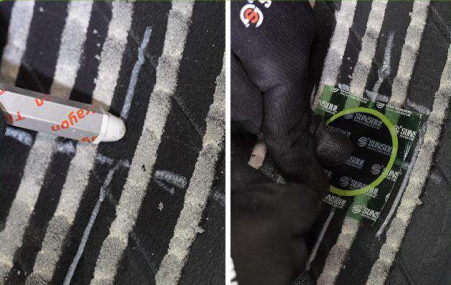
Tire patch types
Technicians stock different patch styles to match specific tire types and puncture damage. Common options include standard rubber patches, radial tire patches, commercial truck patches, tubeless tire patches, vulcanized repair patches, heavy-duty industrial patches and inner tube-only patches. Staff select patches after evaluating the puncture’s size, placement and penetration angle. Radial tire patches, for example, are engineered for tread punctures on radial passenger tires. Truck-specific patches are built to withstand the heavier load of large commercial vehicles.
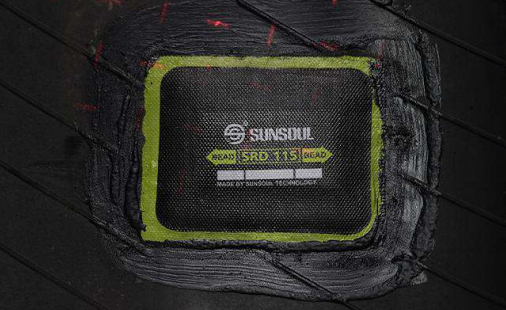
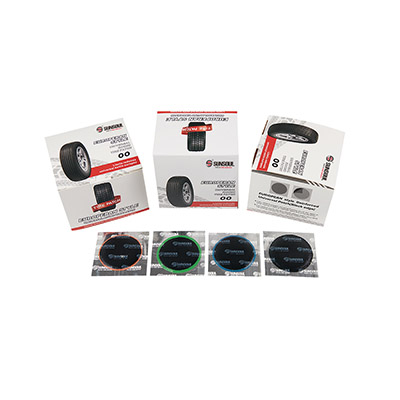
SUNSOUL tire patches remain a top choice among repair shops. The brand offers two curing options: chemical cure and dual cure. This lets technicians match the patch curing process to each unique repair job. Mechanics favor SUNSOUL patches for their reliable adhesive bond and straightforward installation. The split release backing speeds up application, cutting down service time during busy shop hours.
Repair Method Comparison Chart
| Repair Type | Key Advantages | Main Drawbacks |
|---|---|---|
| Tire Inner Patches | Exceptionally strong, long-lasting seal; works well for larger punctures | Higher material cost; tire must be fully demounted; longer service time |
| Rubber Tire Plugs | Low cost; fast, simple surface installation | Temporary fix at best; weakens tire internal structure; prone to slow air seepage |
Industry guidelines limit patch repairs to tread-center punctures no larger than 1/4 inch wide. Sidewall and shoulder damage cannot be safely sealed with patches, so these areas are off-limits for inner patch work. Before choosing any patch, technicians fully examine the tire’s interior for unseen damage.
Plugs and plug-patch methods
Rubber plugs fill punctures from the tire’s exterior. Shops use them for small tread holes, as they take minimal time and cost less than full inner patch work. Even so, plugs are only a short-term solution. Over time, plugs can shift loose, causing gradual air loss or full flat tires. Inner patches outperform plugs because they seal damage from the tire’s inside, creating a complete airtight barrier.
Most professional service centers use the plug-patch combined method. The rubber plug fills the puncture opening from outside, while an inner patch seals the damaged area from within. This two-part process delivers the most secure, reliable repair available. The U.S. Tire Manufacturers Association (USTMA) recognizes this method as the gold standard for airtight seals. Plug-patch systems are standard for tubeless passenger tires, while heavy-duty truck patches pair with the method for large commercial vehicles.
Tips: Properly installed patches or plug-patch combinations hold up for years of driving. Single rubber plugs will only function reliably for a short window.
Tools for tire repair
Certified technicians rely on specialized shop equipment to complete safe, compliant tire repairs:
- Tire changer: Securely mounts and dismounts tires from wheel rims
- Wheel balancer: Eliminates uneven weight distribution to stop steering vibration and improve ride smoothness
- Wheel alignment machine: Corrects vehicle wheel angles for stable handling and even tire wear
- Tire inflation equipment: Pressurizes tires for leak testing and standard air filling
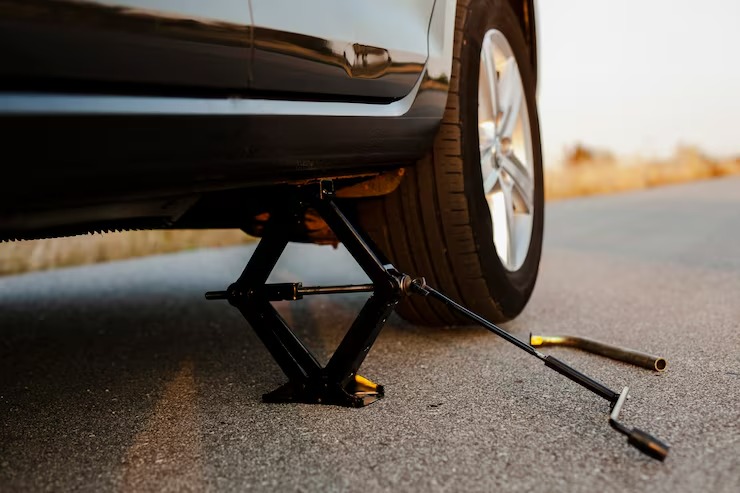
- Vehicle lift: Raises cars and trucks to provide full access to all tires
- Buffer tool: Roughs the rubber surface around punctures to prepare for patch adhesion
- Tire spreader: Holds the tire cavity open for interior inspection and repair work
- Complete repair kits: Pre-packaged sets containing patches, plugs, vulcanizing cement and liquid sealant
Professional repair kits such as the SUNSOUL 67-piece heavy-duty plug kit include durable hand tools and high-grade rubber plugs. The kits use industrial vulcanizing gum to form permanent rubber bonds. They fit passenger cars, pickup trucks, motorcycles and farm machinery.
Premium professional repair materials like SUNSOUL tire patches outperform basic consumer DIY kits in lifespan and sealing power. While DIY kits carry a lower upfront price, their weak adhesive cannot create permanent, safe seals. Shoddy amateur repairs accelerate tire wear, create hazardous driving conditions and lead to higher replacement costs later on.
All shop work adheres to strict safety standards. Technicians only use industry-certified repair supplies and follow regulations set by the National Highway Traffic Safety Administration (NHTSA) and Tire Industry Association (TIA). Every repair undergoes full quality checks to meet safety benchmarks.
Important Note: Patches and plugs must match both the tire design and puncture dimensions. Mismatched repair materials cause persistent air leaks and unsafe driving conditions. Technicians weigh vehicle type, puncture size and position, plus tire construction style when selecting repair supplies. This careful assessment protects drivers and extends usable tire life.
Tire patch and repair process
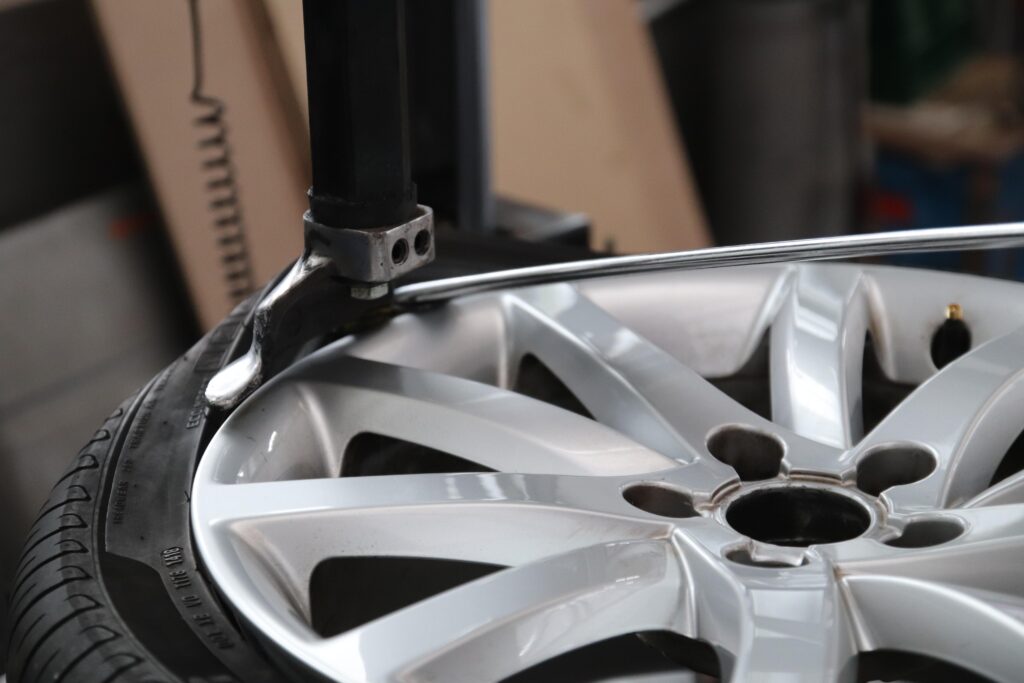
Step 1: Inspection & Surface Prep
First, technicians remove the tire entirely from its wheel rim. They examine the damaged area closely to spot hidden internal tears, cuts, embedded foreign objects or structural weaknesses. Staff mark the full boundary of the puncture, then use a buffer to rough up the surrounding rubber. The buffed area is always larger than the patch itself to maximize adhesive grip. After buffing, workers vacuum away all rubber dust and wipe the surface with dedicated cleaning fluid. Thorough prep work directly determines how secure and long-lasting each repair will be.
Step 2: Patch Installation
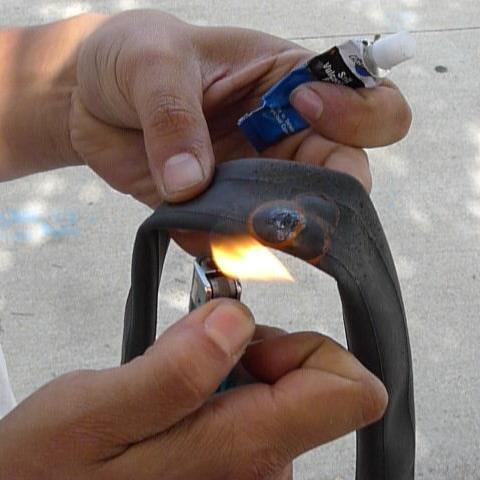
A thin, uniform coat of vulcanizing cement gets applied to the buffed, cleaned rubber surface. Technicians wait until the cement reaches a tacky consistency before positioning a SUNSOUL chemical cure or dual-cure patch directly over the puncture. They press the patch firmly to squeeze out trapped air bubbles. Dual-cure patches combine chemical bonding and heat activation for stronger adhesion and faster curing times. SUNSOUL’s split release backing simplifies accurate, fast patch alignment during installation.
Step 3: Post-Repair Leak Testing
Once the patch fully cures, the tire cools to ambient temperature. Technicians inflate it to standard pressure and test for air leaks. Common testing methods include spraying soapy water across the repair or submerging the tire in a water tank. Rising bubbles signal air seepage and incomplete sealing. If no bubbles appear, the repair passes inspection. Every stage of the process follows official industry rules to guarantee stable, leak-free tire repairs.
When a tire can be repaired
Repairable vs. non-repairable damage
Mechanics follow rules to see if a tire can be fixed or must be replaced. They check what kind of damage the tire has. They look at how big the hole is and where it is. If the hole is in the middle tread and is smaller than 1/4 inch, the tire can usually be fixed. If the hole is bigger than 1/4 inch or is in the sidewall or shoulder, the tire cannot be fixed safely. Driving on a flat tire can hurt the sidewall inside, so it cannot be fixed. Mechanics also look for bulges or bubbles in the sidewall. These mean the tire is not safe to fix.
Note: If a flat tire has a big hole or damage outside the tread, it must be replaced to stay safe.
Some reasons a tire must be replaced are:
- Damage in the sidewall or shoulder
- Holes bigger than 1/4 inch
- Many repairs close together
- Bulges or bubbles in the sidewall
Industry standards for safe repair
Industry rules help mechanics fix tires the right way. Mechanics take the tire off the wheel to check it closely. They look at the size and angle of the hole. They check for hidden damage to cords or belts. Repairs must be in the crown area, which is the middle of the tread. Mechanics clean and buff the inside of the tire. They put on vulcanizing fluid and then add the patch or plug-patch. After that, they put the tire back on and test it for leaks.
Good shops follow rules from groups like USTMA. These rules help stop flat tire problems and keep drivers safe. Careful checks and strict rules lower the chance of another flat or tire failure after repair. Mechanics always use the right repair methods to keep everyone safe on the road.
Mechanics fix tires with special tools and strong patches. They follow careful steps to make sure the tire is safe. Good patches like SUNSOUL help tires last longer. They also keep drivers safe. The table below explains why patch quality is important:
| Quality of Patch | Long-term Safety Outcomes |
|---|---|
| High-Quality (e.g., SUNSOUL) | Sticks well, lasts a long time, keeps the tire safe, and helps it work better. |
| Lower-Quality | Can fail fast, may not be safe, does not handle high pressure, and could cause the tire to burst. |
Experts say people should get help from professionals for most tire repairs. Professionals use the right materials. They check the tire inside and outside. Regular checks help keep tires safe while driving.
FAQ
How long does a tire patch repair last?
A quality patch can help a tire last for thousands of miles. Mechanics often see repairs hold up for the full life of the tire.
Can every tire be repaired with a patch?
Not every tire can be fixed. Mechanics check the size and location of the damage. Sidewall or large punctures mean the tire needs replacement.
Why do mechanics remove the tire from the rim before repair?
Removing the tire lets mechanics inspect the inside for hidden damage. This step helps ensure the repair is safe and the tire will not fail later.