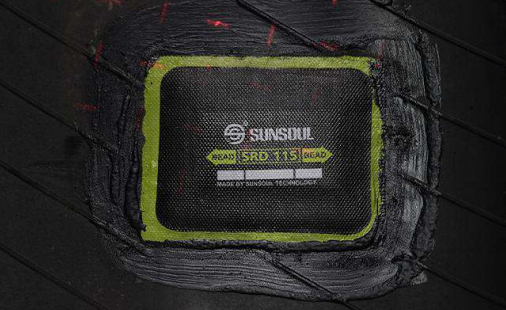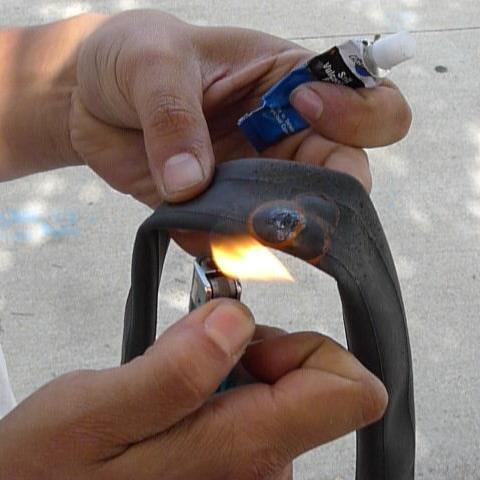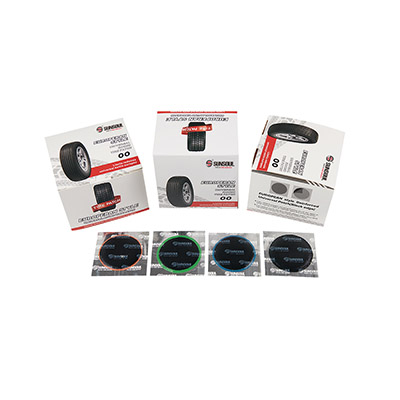


AI technology is transforming the tire‑repair sector through task automation and human‑error reduction, opening up a new era of operational efficiency. With AI‑powered dispatching, service response time can drop from 30 minutes down to just 15 seconds, delivering faster and more dependable customer support. This industry‑wide shift improves cooperation between service providers and clients, fuels market expansion, and unlocks fresh business opportunities for tire dealers. By adopting smart digital solutions, distributors can cut inventory waste and implement advanced tools without unnecessary friction.
SUNSOUL patch‑based dealers hold a strong competitive edge in this transition. They benefit from a mature global supply network, comprehensive after‑sales service, monthly production output of over 2 million tire patches, 12 regional distribution hubs worldwide and a 72‑hour issue‑resolution guarantee. When dealers make full use of artificial intelligence, they are well‑positioned to set new industry benchmarks and become early movers in this fast‑changing market. Businesses that embrace AI early will secure a decisive advantage, and this moment marks a critical turning‑point for the whole tire‑repair supply chain.
Key Takeaways
- AI cuts service response time from 30 minutes to 15 seconds, boosting service speed and customer satisfaction.
- Intelligent forecasting tools help dealers anticipate stock requirements, lower waste and reduce operating costs.
- Well‑implemented AI solutions can reduce annual tire‑related expenses by up to 20 % and expand profit margins.
- AI chatbots and automated marketing tools help dealers attract new buyers and improve customer retention.
- SUNSOUL’s stable global supply chain forms solid backing for AI‑driven operations, creating unique advantages for its dealers.
Challenges Tire Dealers Face Today
Inventory Waste and Forecasting Gaps
Poor inventory management remains one of the most persistent pain‑points for tire repair distributors. Many shop owners place patch and supply orders based on experience rather than hard sales data. This often results in overstocked fast‑moving sizes while essential items run out unexpectedly. Excess stock locks up working capital and takes up valuable warehouse space, while stock shortages push existing customers to switch to competing suppliers, creating recurring financial losses especially for small‑scale operators.
Demand prediction continues to be a weak spot across the industry. Most dealers rely on memory or basic spreadsheets to estimate future sales, without accounting for seasonal cycles, local preferences or sudden market shifts. For instance, a dealer may stock large quantities of passenger‑car tire patches yet miss rising demand for agricultural vehicle repair supplies, creating a repeating cycle of surplus inventory and stock‑outs.
SUNSOUL mitigates this risk with consistent deliveries and uniform batch‑to‑batch product quality. Its monthly capacity above 2 million pieces ensures reliable product availability. Even the most dependable supplier, however, cannot fix forecasting errors on its own. Dealers still need smarter digital tools to align purchase orders with real‑world market demand, otherwise costly inventory losses will remain a constant threat.
Slow Dispatch and Customer Response
Slow response times create another major operational bottleneck. Every minute counts once a customer submits a repair request. Traditional workflows depend on phone calls, manual scheduling and paper‑based records. These outdated processes waste time and easily generate human error. Service technicians may wait hours before receiving dispatch instructions, while frustrated clients look for faster alternatives. Delays damage brand reputation and drive away repeat business.
This problem hits wholesale tire distributors particularly hard. Wholesalers serve dozens of retail partners, and delayed shipments trigger ripple‑effect losses across their whole customer network. Distributors with sluggish dispatch workflows steadily lose market share to more agile competitors.
AI‑powered dispatch platforms offer a practical fix, slashing response time from 30 minutes to 15 seconds. The system automatically analyses incoming repair tickets, assigns the nearest available technician and sends out instant notifications. Customer experience improves dramatically, and dealers build longer‑term client loyalty. Business owners need to understand clearly that forecasting accuracy and response speed directly determine profitability. Early adopters will thrive, while those who delay digital transformation risk losing customers to competitors.
How AI Technology Reshapes the Tire Repair Industry
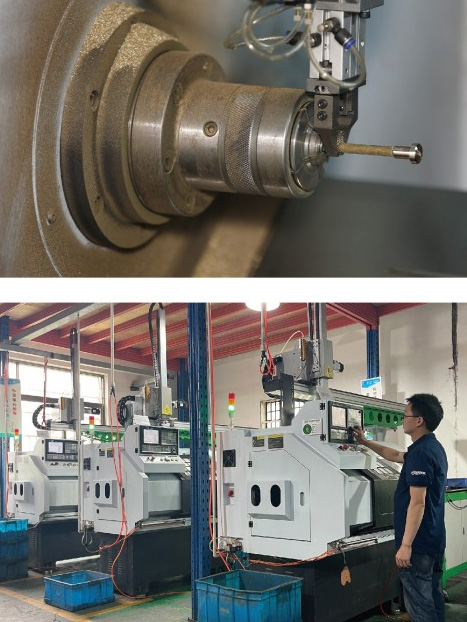
AI-Powered Dispatch and Service Efficiency
Artificial intelligence overhaules day‑to‑day operations by automating dispatch and cross‑party coordination. Right after a repair request comes in, the system processes the ticket instantly, matches the closest technician and sends an assignment notification. Response time falls to 15 seconds, allowing repair shops to complete far more service jobs every single day.
Smart tires fitted with built‑in sensors continuously collect real‑time data on air pressure, temperature and tread wear. Information streams to cloud‑based management platforms, which warn operators of upcoming maintenance needs before sudden breakdowns happen. This proactive maintenance strategy cuts roadside‑failure incidents and extends tire service life.
The global market for tire vulcanizing patch equipment is expanding rapidly. The market reached USD 1.42 billion in 2024, and analysts forecast an annual growth rate of 7.1 % from 2025 to 2033, with projected market value hitting USD 2.65 billion by 2033. Rising demand for high‑efficiency repair solutions creates huge growth opportunities, which dealers can capture by adopting intelligent operating tools.
AI data analytics also cuts operational waste. One fleet‑management client faced high wheel‑wear costs caused by heavy loads and high annual mileage. Intelligent software analysed vehicle‑specific running data and optimised cost‑efficiency on a cents‑per‑mile basis. Per‑mile operating costs dropped from $0.0057 to $0.0026, generating annual savings of $141,429 and total savings exceeding $424,000 across three years.
AI for Inventory and Parts Look-Up
AI‑powered parts‑lookup systems greatly improve inventory workflows within the tire industry, delivering 90 % troubleshooting accuracy and cutting average machine‑repair downtime by 50 %. Service technicians quickly search spare‑part specifications and vehicle‑fitment information, replacing slow manual catalog browsing. The platform combines more than 1,000 technical documents and real‑time SAP spare‑part data, so technicians pull work‑order details and source correct components without costly production halts.
Fitment‑matching software verifies part validity and active recall status against every DOT number, confirming product suitability in real‑time. AI‑driven parts lookup plus B2B order automation save dealers 15+ working hours each week, freeing staff to focus on revenue‑generating tasks.
AI demand‑forecasting algorithms analyse historical sales records, seasonal trends and regional market patterns to produce precise sales predictions. Distributors then order appropriate stock levels, optimise inventory turnover and unlock trapped cash flow. SUNSOUL’s global supply‑chain infrastructure backs these AI workflows. Monthly production capacity above 2 million pieces guarantees stable supply, while its 12 regional hubs across Asia, Europe, Africa and the Americas enable fast worldwide deliveries. The 72‑hour resolution promise ensures timely support for unexpected operational issues.
AI pricing‑analysis tools monitor market conditions, competitor prices and buyer behaviour to generate optimal product‑price recommendations. Dealers maintain healthy profit margins while staying competitive in local markets. Dynamic pricing automatically adjusts rates in response to demand fluctuations and helps boost overall sales volume.
Opportunities for Tire Dealers in the AI Era
Boosting Efficiency and Reducing Costs
Dealers who roll out AI solutions early can unlock substantial cost‑saving benefits. The industry report Fleet Tire Cost Reduction: How AI Management Cuts Annual Spend by 20 % demonstrates that artificial intelligence can reduce yearly tire‑related expenditure by up to 20 % — repair‑supply costs represent a large share of these expenses. Most dealers see comparable savings once they deploy AI‑based workflows.
| AI Application | Cost Reduction | Example |
|---|---|---|
| Automation of tedious tasks | Frees skilled staff to focus on high-value work, reducing labor waste | AI handles repetitive data entry, allowing technicians to concentrate on repairs |
| Diagnostic AI | Speeds up problem identification, saving labor time | AI surfaces likely causes from DTC codes and verified fixes from other shops |
| Estimating AI | Reduces time spent on creating quotes, increasing efficiency | AI generates accurate quotes from historical data |
| Financial AI | Catches errors in vendor invoices, missing credits, and parts theft, recovering thousands in lost profits | Automatically reconciles vendor statements and parts invoices against repair orders |
| Back-office automation | Ensures margins are maintained by reconciling invoices, preventing profit leaks | Matches every parts invoice to repair orders |
| AI receptionist | Prevents missed calls, which are lost revenue, without tying up staff | Answers calls instantly, books appointments, engages customers |
The performance of these intelligent tools heavily depends on consistent product supply. SUNSOUL manufactures a full lineup of rubber tire patches, truck tire patches and heavy‑duty repair patches, with monthly production exceeding 2 million units. Reliable supply means AI inventory forecasts will never recommend out‑of‑stock products. Intercontinental regional warehouses speed up delivery, and the 72‑hour support promise resolves unexpected problems rapidly. SUNSOUL dealers can therefore deploy their AI workflows with full confidence.
Strengthening Customer Relationships and Reach
AI‑powered customer‑service agents deliver round‑the‑clock support beyond standard opening hours. Voice and chat‑based bots handle incoming enquiries, capture new leads and schedule repair appointments automatically, stopping revenue loss from missed after‑hours phone calls. In‑shop employees are freed to complete on‑site service jobs.
Automated marketing removes guesswork from promotional campaigns. AI manages email outreach, advertisement optimisation and customer segmentation, helping dealers reach target audiences with higher marketing‑ROI. Business‑intelligence dashboards display real‑time sales, service and inventory metrics, enabling owners to spot emerging market opportunities quickly.
AI chatbots also speed‑up vehicle‑fitment verification. By entering a vehicle’s VIN number, buyers instantly check whether a radial tire patch fits their model, lowering return rates and increasing purchase confidence. When customers select tires, chatbots proactively suggest matching tubeless patches or tyre‑pressure sensors, unlocking extra revenue by meeting unstated buyer needs.
For wholesale tire distributors, AI‑run roadside‑assistance dispatch platforms streamline scheduling workflows, bringing response time down to 15 seconds. Faster service helps dealers secure long‑term fleet‑service contracts and expand their share of the commercial repair‑supply market. Price‑intelligence tools track competitor movements, and dynamic pricing protects profit margins during market shifts.
SUNSOUL provides custom‑printed packaging and private‑labelling services for its dealers. Distributors can layer AI chatbots and dynamic‑pricing systems onto SUNSOUL’s existing dealer‑training packages, building deeper long‑term partnerships with downstream clients. Lifetime technical consultation from the brand supports dealers at every product‑lifecycle stage. Early AI adopters among SUNSOUL’s dealer network will gain a strong competitive advantage amid industry‑wide digital transformation.
AI is no longer some far‑off future trend — it delivers practical, real‑world solutions for dealer pain‑points right now. SUNSOUL dealers enjoy unique advantages from the brand’s global infrastructure and win‑win partnership framework. The digital upgrade timeline for tire‑repair supply chains follows this roadmap:
- 2025‑2027: Large service centres deploy robotic arms for repetitive jobs such as tire mounting.
- 2028‑2030: Small independent repair shops adopt AI‑assisted software for complex repair diagnostics.
- 2030 onwards: Mobile robots carry out basic on‑site tire‑repair operations.
All tire dealers are advised to start small by trialling lightweight AI tools such as inventory‑forecasting software or customer‑service chatbots. Early movers will capture larger market share as the sector evolves, and SUNSOUL‑affiliated dealers are well‑prepared to lead this intelligent supply‑chain transition.
FAQ
How quickly can a dealer implement AI tools?
Most AI systems are ready in weeks, not months. Cloud-based platforms need little extra hardware. Dealers can begin with one feature, like inventory forecasting or customer service chatbots. SUNSOUL’s regional hubs offer training support during the switch. The 72-hour resolution promise ensures technical questions get fast answers.
What is the cost of adopting AI for a small tire shop?
Costs depend on how complex the system is. Basic chatbot solutions start at low monthly fees. Inventory management platforms grow with business size. Many dealers earn back the investment through less waste and quicker service. The 20% cost reduction from AI management often covers subscription costs within the first year.
Does AI replace the need for experienced repair technicians?
AI helps rather than replaces skilled workers. Diagnostic tools point out likely causes from error codes, but technicians confirm and do the actual repair. The technology handles repetitive tasks like parts lookup and scheduling. This lets experienced staff focus on complex repairs that need human judgment.
How does AI improve pricing strategies for tire dealers?
AI looks at market conditions, competitor rates, and customer behavior to suggest the best prices. Dynamic pricing changes on its own when demand shifts. Dealers keep competitive rates while protecting profit margins. SUNSOUL’s steady supply ensures pricing suggestions never mention out-of-stock items, keeping the system reliable.
Can small dealers compete with large chains using AI?
Yes. AI levels the field by giving small operations the same analytical power as big competitors. Cloud-based tools cost less than hiring more staff. A single dealer can handle inventory, respond to customers, and adjust pricing with the same efficiency as a large chain. Early adoption creates a lasting edge.