

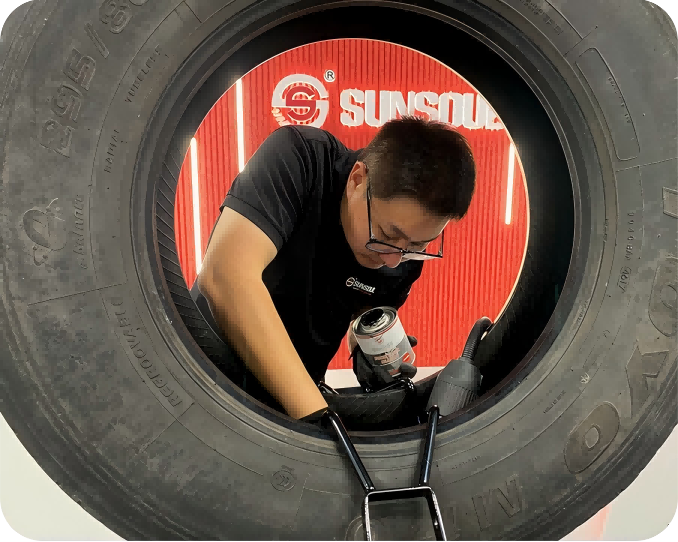
Can tire sidewall damage be repaired? Experts say safety first. Automotive safety organizations warn:
- Tires can suddenly blow out or become damaged.
- Sidewall bulges can cause rapid air leakage, leading to loss of control.
- The inside of the tire can become unsafe.
Seeking professional repair is the best option. SUNSOUL tire repair compound offers a reliable method for tire repair.
Key Takeaways
- Tire sidewall damage is extremely dangerous. Cracks, bulges, or deep cuts mean you must replace the tire immediately for safety.
- Never attempt to repair sidewall damage at home. Using quick fixes like tire plugs or tire sealants will not only be ineffective but can also cause the tire to burst.
- For any tire problems, always consult a professional. They can find hidden damage and ensure your driving safety.
Understanding Tire Sidewall Damage
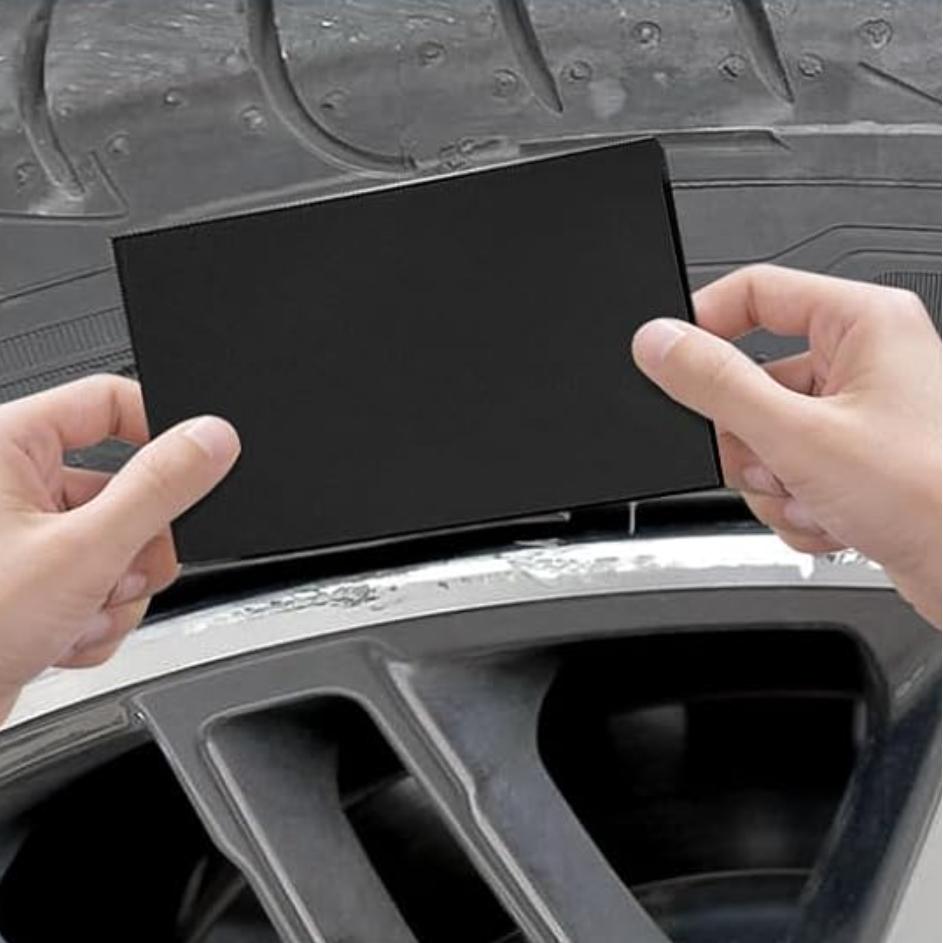
What Is Tire Sidewall Damage
Tire sidewall damage refers to cracks, cuts, or bulges on the tire sidewall. The tire sidewall is crucial because it helps the tire maintain its shape and ensures driving safety. Many people worry about the safety of their tires after seeing cracks or bulges. The table below lists the main types of tire sidewall damage and their safety impact:
| Type of Damage | Description | Safety Implications |
|---|---|---|
| Sidewall Crack | Small lines or splits on the tire’s surface | May show wear but not always dangerous |
| Sidewall Bubble | A bump from inside damage pushing outward | Very risky—can cause a blowout |
| Sidewall Bulge | Like a bubble, means the tire lost strength | Needs replacement right away |
Common Causes
Many factors can cause tire sidewall damage. Here are some of the most common causes:
- Pops and craters can violently impact the tire, causing the inner cords to break.
- Hiting a curb can scratch or crush the sidewall.
- Insufficient tire pressure can cause excessive flexing of the sidewall, generating high temperatures.
- Overloading puts too much weight on the tire.
- Road debris, such as sharp stones or glass, can cut the sidewall.
- Sunlight and rain gradually weaken the rubber.
Tyre Sidewall Damage Risks
Tire sidewall damage can make driving dangerous. When a tire has a bulge or deep crack, it may suddenly blow out. Insufficient tire pressure causes the tire to bend more, leading to overheating, especially at high speeds, increasing the risk of a blowout. Many traffic accidents are caused by tire problems, and younger drivers are at greater risk. If a tire blows out, the vehicle may lose control or even roll over. Therefore, checking for tire sidewall damage and repairing it promptly is crucial.
Can You Repair Tire Sidewall Damage
Professional Repair Options
Many drivers ask if sidewall damage to tires can be repaired. Tire shops are also frequently asked this question. Most experts advise against repairing sidewall damage. Tire manufacturers and safety agencies recommend replacing the tire. They explain that sidewall damage cannot be restored to its original state. Here are some important things experts want you to know:
- Tire manufacturers do not allow the repair of sidewall damage.
- Agencies like the National Highway Traffic Safety Administration (NHTSA) state that only the tread can be repaired.
- During driving, the sidewall undergoes significant bending, so the strength of a repair will not be durable.
Some products, such as SUNSOUL tire patches, are strong enough to repair tires. These patches can effectively repair holes in the tread. They are not suitable for sidewall damage unless explicitly permitted by the tire manufacturer.
The following table lists the main rules for tire repair:
| Limitation Type | Description |
|---|---|
| Sidewall or Shoulder Punctures | You cannot fix these. They make the tire weak and unsafe. |
| Holes Larger than 1/4 inch | Big holes in the tread are not safe to fix. |
| Multiple or Overlapping Punctures | Too many or overlapping holes mean you should not fix the tire. |
Why Repairing Sidewall Damage Is Risky
Repairing sidewall damage can be extremely dangerous. Unlike the tread, the tire sidewall doesn’t have a thick protective layer. If someone attempts to repair a sidewall damage, the tire could blow out without warning. Studies have shown that this type of repair can lead to a blowout. Agencies like the Rubber Manufacturers Association and the National Highway Traffic Safety Administration (NHTSA) do not allow sidewall repairs. They want drivers to drive safely. Most experts recommend replacing the tire with a new one rather than attempting to repair a sidewall damage.
Tip: Always look at your tire’s warranty and follow what the maker says about repairs. Safety is most important!
What to Put on Tire Sidewall Damage
Approved Repair Methods
When people see cracks or bulges on the sidewall of a tire, they might think of patching it. However, most experts say that patching the sidewall is not safe. With each drive, the sidewall bends and shifts, making the repair’s effectiveness difficult to maintain. The Rubber Manufacturers Association points out:
Repairing the sidewall is not a wise choice because the sidewall shifts significantly during driving, especially at high speeds, where it bends and deforms. In such cases, repairs are often unsustainable. The repaired sidewall strength cannot be maintained. If the repair fails, especially at high speeds, it can be very dangerous.
Tire repair tools like SUNSOUL tire patches can effectively repair holes in the tread. These patches use high-strength rubber and a mesh material to seal the hole, helping to maintain the strength of the tread area. However, tire manufacturers recommend against using any patches to repair holes, bulges, or cracks in the sidewall. The sidewall is not as thick as the tread, so patches cannot restore the sidewall’s strength.
Below is a brief introduction to some new materials used for tire repair:
| Material Type | Improvement Description |
|---|---|
| High-durability rubber | Lasts longer and seals better |
| Reinforced mesh cores | Stays strong even with heavy loads |
| Eco-friendly materials | Works well and helps the environment |
Even with these new materials, nothing can safely fix sidewall cuts, bulges, or cracks. Always follow what the tire maker says to stay safe.
Temporary Solutions and Their Limits
Some car owners, upon discovering cracks or damage to their tire sidewalls, may try quick fixes such as using tire plugs, sealants, or rubber glue. While these methods may seem effective, they don’t actually address the underlying problem. Automotive safety experts warn of the following dangers associated with these methods:
- Genuine tire repair requires disassembly and inspection of the tire, but many quick fixes skip this step, leading to hidden problems.
- Ignoring hidden damage, such as bulges, can cause a sudden tire blowout.
- Sidewall damage weakens the tire, making it irreparable and potentially leading to a blowout.
- The sidewall helps the tire maintain its shape and withstands significant bending during driving, making it crucial for safety.
- Continuing to drive on a tire with a damaged sidewall will widen the weak point, eventually leading to a blowout.
Tire repair methods such as using rope plugs are only temporary and cannot repair hidden cracks or bulges inside the tire. If you find cracks or bulges on your tire sidewall, do not rely on these quick fixes. Always carefully inspect the tire and seek professional help if necessary.
When to Avoid Any Repair
Sometimes, repairing damaged tire sidewalls is not safe. Most experts advise against repairing punctures in the sidewall because the sidewall can shift significantly during driving. Punctures in the sidewall are particularly serious because this part is less strong than the tread. Agencies like the National Highway Traffic Safety Administration (NHTSA) and the Tire Manufacturers Association (RMA) do not allow sidewall repairs, only tread repairs.
- Repairing sidewall damage is not a wise move because the sidewall will continuously shift and stretch during driving.
- This shift puts significant stress on any repair and increases the risk of repair failure.
- Even if a repaired tire can temporarily maintain tire pressure, it cannot regain its previous strength, and a blowout can still occur.
- Both tire manufacturers and the Tire Industry Association (TIA) state that sidewall damage cannot be safely repaired.
What Not to Use for Tire Sidewall Repair
DIY Fixes to Avoid
Many people attempt to repair tire sidewall damage at home. They might use things like tire plugs, sealants, or rubber glue. These products seem simple and inexpensive, but they are not suitable for sidewalls. Sidewalls bend and deform with each drive. Home repairs cannot handle this bending deformation. Insurance companies will warn car owners against using the following methods:
If the insurance company finds that the tire repair method is inappropriate, especially if someone only uses tire plugs without using a patch, they may not provide coverage. This means the car owner may have to pay high repair costs.
Here are some common home repair methods that should not be used:
- Patching holes in the sidewall with tire plugs
- Patching cracks or bulges with liquid sealant
- Patching cuts with rubber glue
- Filling air bubbles with tape or glue
These methods do not restore the tire’s strength; they merely mask the problem. Continuing to drive using home repair methods may lead to a tire blowout.
Myths About Tire Repair Products
Some people think any tire patch or sealant can fix sidewall damage. This is not true. Laws in the U.S. and other countries have strict rules for tire repairs. The table below shows what repairs are allowed:
| Type of Damage | Repairability and Conditions |
|---|---|
| Small punctures in the tread | Yes – if the hole is 6 mm or less, in the middle part of the tread, and there is no inside damage. |
| Sidewall punctures or cuts | No – the sidewall bends all the time and repairs cannot stay safe. |
| Bulges, bubbles, or sidewall deformities | No – these mean the tire is broken inside and must be replaced right away. |
People should not believe myths or quick fixes. Only repairs done by a pro in the tread area are safe. If the sidewall is hurt, you need a new tire.
When to Replace Your Tire Sidewall
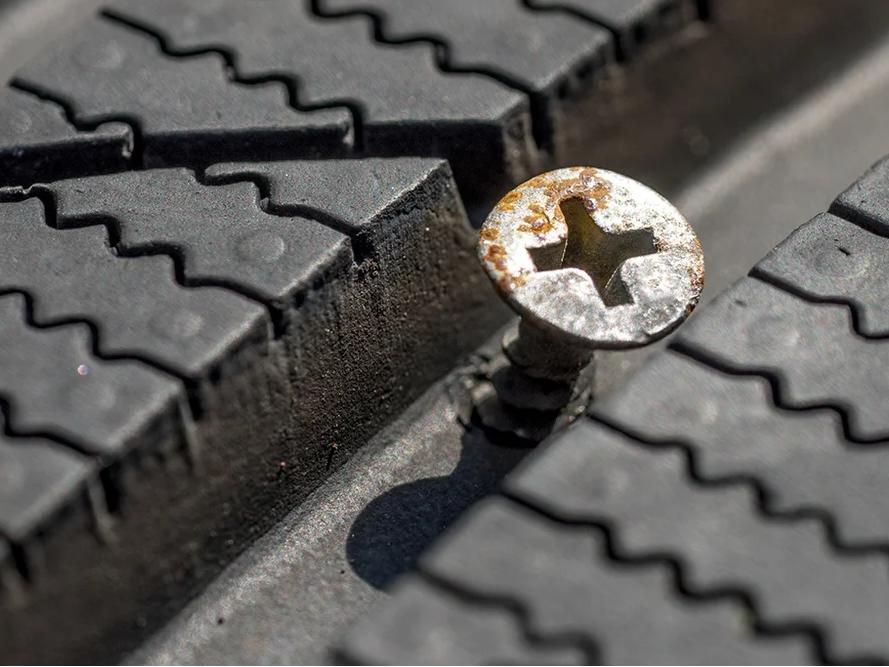
Signs of Irreparable Damage
Many drivers ask if a damaged tire can be fixed. Tire rules say some signs mean you need a new tire. Experts look for cracks, bulges, deep cuts, or if the inside is showing. These problems mean the tire cannot be fixed and must be replaced. The sidewall holds up the car’s weight, so any weakness is dangerous. Trying to fix sidewall damage at home is not safe and can make the tire fail suddenly.
Here’s a quick table showing what to watch for:
| Indicator | Implication |
|---|---|
| Visible cracks | Considered beyond repair |
| Bulges | Indicates structural failure, requires replacement |
| Deep cuts | Serious concern, necessitates immediate replacement |
| Exposure of inner structure | Immediate replacement required |
Big tire companies warn that bulges and bubbles mean you should stop driving right away. Holes or deep cuts in the sidewall always mean you need a new tire. Small scrapes or shallow cuts might be okay, but a professional should check them.
Choosing a Professional for Replacement
It is important to pick the right expert. Tire shops with trained workers can find hidden problems and give safe advice. A good expert has lots of training and keeps learning new things. Look for these skills:
| Qualification/Requirement | Description |
|---|---|
| 4-year degree in engineering | Required educational background |
| 4+ years with a licensed engineer | Necessary practical experience |
| Passed comprehensive exams | Certification requirement |
| Ongoing education and training | Continuous professional development |
A professional tire mechanic will inspect the entire tire sidewall for cracks, bulges, discoloration, or raised areas. They know that deep holes or severe wear on the sidewall mean you need to replace the tire as soon as possible. Trusting an experienced expert ensures your safety and the smooth operation of your vehicle.
When you discover damage to the tire sidewall, safety is always the top priority. Tire manufacturers state that repairs will not restore the tire to its original condition. Most experts recommend replacing the tire. Drivers need to seek professional help. Never attempt any dangerous repair methods at home.
Tire manufacturers advise against repairing sidewall damage. Tires lose strength after damage. Repairs will not restore its safety. Continuing to use a damaged tire is unsafe.
FAQ
Can someone drive with tire sidewall damage?
Driving with tire sidewall damage is very risky. The tire might break at any time. Experts say you should get a new tire right away.
What should a person do if they see a bulge in their tire?
A bulge means something inside the tire is broken. Stop using the tire right away. Let a professional check it and help you get a safe new tire.
Are tire sealants safe for fixing sidewall damage?
Tyre sealants do not really fix sidewall damage. They just hide the problem. The tire is still weak. Always ask a professional if you need a new tire.