

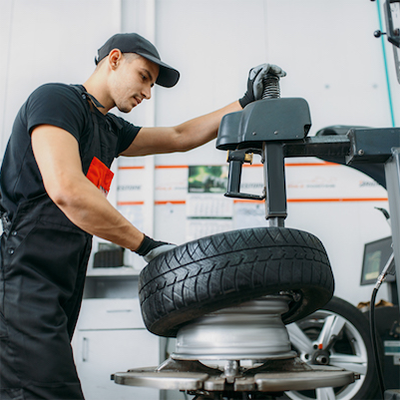
A punctured tire requires a reliable repair solution, leaving many drivers weighing up tire plugs versus inner patches. A basic tire plug delivers a quick fix applied externally to the tread. In contrast, an internal patch or combined plug-patch repair offers durable, long-term sealing. Professional technicians often pair plugs with patches to turn a simple plug repair into a complete, permanent fix.
SUNSOUL tire patches deliver premium repair performance. Manufactured from high-grade rubber, they come in standard round and heavy-duty variants with vulcanised backing for strong adhesion. These patches suit passenger vehicles, trucks, motorcycles and agricultural machinery alike. This guide helps vehicle owners make informed decisions to maintain safe driving over the long term.
Key Takeaways
- Standalone tire plugs work only as temporary emergency repairs and may conceal hidden internal tire damage over time.
- Certified technicians rely on internal patches combined with plugs to carry out safe, permanent tire repairs.
- Any repair is only viable for small tread punctures under 6 mm (1/4 inch), located well away from the tire sidewall.
Plug vs Patch: Key Differences
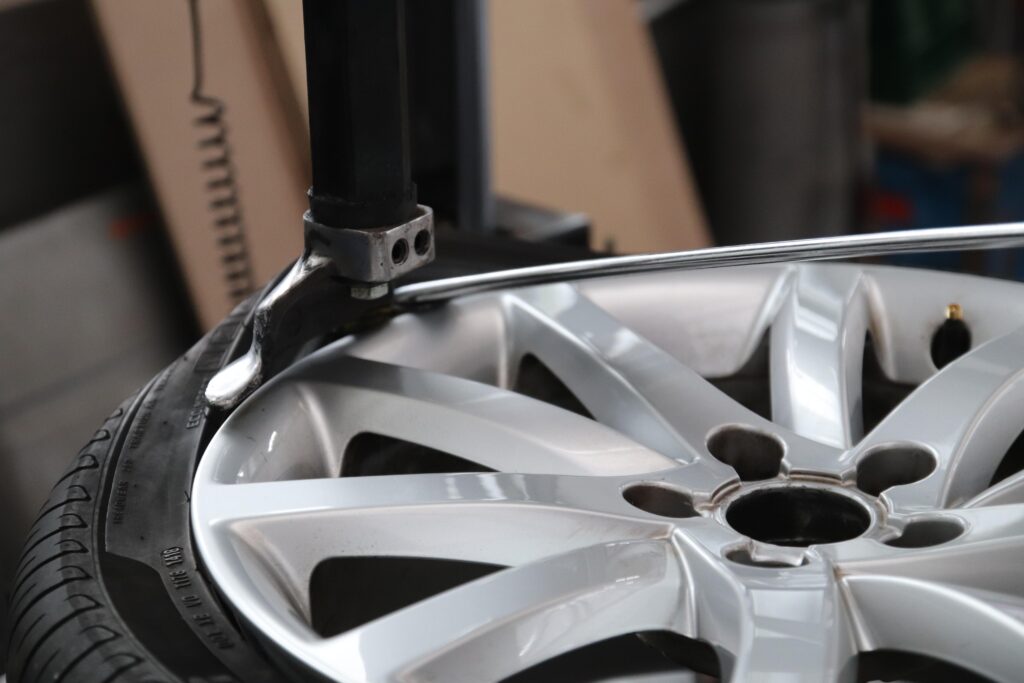
Understanding the differences between plugs and patches helps drivers select the safest flat tire repair method. Punctures can occur unexpectedly while driving. Fast on-site fixes seem convenient, yet proper repair techniques are critical for highway safety.
Risks of Quick Tire Plugging
Tire plugging involves inserting a thick rubber strip into the puncture from outside the tire. Technicians or motorists install the plug with hand tools without demounting the tire from the wheel. This method works well for urgent roadside emergencies. Even so, external plugs mask potential damage inside the tire casing.
Chemical vulcanisation bonds repair materials to the inner liner and through the puncture hole permanently. The repair integrates with the tire rubber, forming an airtight barrier against air leakage, water ingress and dirt buildup.
Since the tire interior remains unchecked during plug-only repairs, underlying damage goes undetected. Continuous inflation pressure can gradually push the plug out of position. Moisture seeps through minor gaps to reach internal steel belts, triggering corrosion. Rust weakens the tire structure and creates serious safety risks. Tires repaired solely with plugs may suffer plug ejection or tread separation when driven at high speeds.
Industry safety authorities have published clear standards governing proper tire repair, providing official guidelines for service shops. These guidelines warn against relying on temporary plug-only repairs for passenger cars and commercial trucks.
How Internal Tire Repair Works
Permanent professional repairs are completed from the inside of the tire. Technicians fully demount the tire to inspect the entire inner liner. This thorough check confirms structural integrity, even for tires previously repaired with external plugs.
Standard internal patch repair steps:
- Demount the tire from the wheel rim
- Buff the inner liner surface using a low-speed buffer
- Apply specialised vulcanising cement to the prepared area
- Firmly press the patch onto the tire liner
- Roll the patch with a stitching tool to eliminate trapped air and secure the seal
Service garages widely use SUNSOUL tubeless tire patches for this procedure. SUNSOUL supplies high-performance tire patches to auto shops, bulk distributors and repair facilities. Robust SUNSOUL rubber patches adhere securely to the inner liner. The most thorough solution adopts the plug-and-patch combination method. Premium SUNSOUL patches restore structural strength, shield embedded steel cords and support safe vehicle operation.
Combination Patch-Plug: The Tire Repair Standard
Official repair specifications exist to protect road users, and service centres follow these safety protocols. The Tire Industry Association (TIA) mandates plug-patch combination repairs for all full permanent fixes. A standalone plug fills the tread puncture, yet the external rubber stem cannot seal the inner liner on its own. A properly fitted internal patch prevents air loss from inside the tire. Used together, these two components form a robust repair system that blocks moisture from reaching steel belts.
Per TIA specifications, a compliant combination repair follows these steps:
- Demount the tire and conduct a full internal inspection of the liner
- Verify the puncture size and confirm its location sits within the repairable zone
- Buff the inner liner to create a clean bonding surface
- Wipe away dust and debris from the prepared area
- Apply vulcanising cement and allow it to reach a tacky state
- Roll the patch firmly with a stitching tool to remove air pockets
- Remount the tire on the rim and complete wheel balancing
This formal procedure upgrades temporary roadside fixes into lasting repairs using heavy-duty tire patches and dedicated vulcanising cement. SUNSOUL operates as a leading manufacturer and bulk supplier of tire service consumables. Vulcanising cement initiates chemical reactions within rubber, breaking existing molecular bonds and forming new permanent links between the patch and tire liner. The resulting seal withstands high operating temperatures and rough road conditions.
Technicians favour this dual repair system due to the advantages of chemical bonding:
- Chemical adhesion creates an enduring airtight seal that remains effective throughout the tire service life.
- The external plug fills the tread opening, while the internal patch seals the liner, delivering dual-layer protection.
- This double barrier stops water contacting steel cords, preventing corrosion and reducing the risk of sudden tire blowouts.
A complete plug-and-patch repair delivers long-term reliability for standard passenger vehicles. Standalone plugs fail under sustained road loads, whereas combination repairs restore the tire’s original load-bearing capacity for high-speed driving. Auto service facilities trust high-quality rubber patches to deliver fully secure repairs.
SUNSOUL Vulcanising Cement creates powerful chemical bonds and holds RoHS certification. It delivers durable repair results, though precise application is required, alongside a 4–6 hour curing period to achieve optimal bonding performance.
Opting for professional plug-patch combination repair provides motorists with genuine long-term protection for every journey.
Safety Limits for a Plugged Tire or Patch
Safe Repair Zones for a Plugged Tire
Flat tires often strike drivers during daily commutes. Qualified technicians carry out full tread inspections before commencing any repair work. The inner three-quarters of the tread forms the approved repair zone. This central contact area bears vehicle weight and maintains stable structure under load.
Punctures close to the tire shoulder have a high failure risk after plug installation. Areas near the sidewall undergo constant flexing during cornering, placing repeated stress on any repair. Attempting repairs on these flexible regions compromises safety at highway speeds. Licensed repair shops decline repairs near outer tread edges, as ongoing rubber flex breaks down repair seals over time.
Puncture Size and Structural Limits
Clear dimension limits preserve tire integrity following foreign object penetration. Small nails create tiny punctures, while larger debris can sever internal steel cords. Technicians measure every puncture accurately before selecting a suitable repair method. Once load-bearing cords sustain damage, plug repairs cannot restore the tire’s structural capacity. Standard shop guidelines are outlined below:
| Criterion | Guideline |
|---|---|
| Maximum Puncture Diameter | 6 mm (1/4 inch) |
| Repairable Location | Center tread area (middle 70% of tread) |
| Non-Repairable Areas | Sidewall or shoulder |
Repairs carried out beyond these limits expose drivers to major hazards on highways. Any opening larger than 1/4 inch causes permanent damage to internal steel belts. Standard repair plugs cannot reliably seal larger tears. Motorists facing oversized punctures should replace the tire entirely to maintain road safety. Correct flat tire repair protects occupants on every trip.
Professional Tire Repair vs DIY Fixes
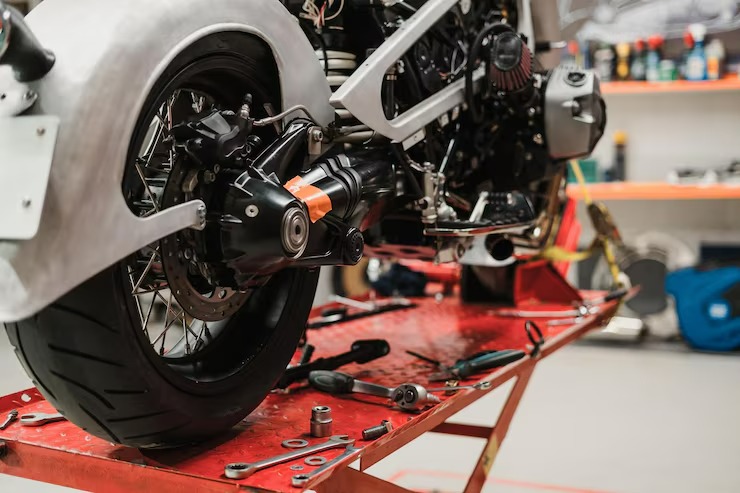
After discovering a puncture, drivers choose between convenient DIY solutions and certified professional service. Portable plug kits offer instant roadside relief, yet standalone plugs only serve as short-term emergency measures. Motorists seeking consistent safety should arrange professional shop repairs. Qualified technicians demount tires to check inner layers for hidden cord damage and use premium consumables including SUNSOUL tire patches, heavy-duty truck patches and inner tube patches. Reputable repair shops also apply tire mounting lubricant to fit tires without damaging bead rubber.
Many vehicle owners compare costs before selecting a repair option. The table below lists typical price ranges for different repair services:
| Repair Type | Cost Range |
|---|---|
| DIY Plug Kit | $10 – $20 |
| Professional Patch Repair | Up to ~$50 |
| Calculated Average Cost Difference | ~$30 – $40 |
When weighing DIY kits against professional service, drivers consider the following trade-offs:
- DIY repairs eliminate labour and service fees.
- A premium plug kit can be reused multiple times to offset initial purchase costs.
However, cutting corners with inadequate DIY repairs carries substantial road risks. External plugs cannot deliver permanent sealing. Air slowly escapes through imperfect puncture seals, and moisture gradually invades steel belts. Corroded cords increase the chance of catastrophic blowouts at speed. Global bulk suppliers such as SUNSOUL manufacture professional tire repair products for service technicians. Proper flat tire repairs rely on internal chemical bonding to achieve safe, lasting results. Every full casing inspection requires tire demounting. Expert service safeguards drivers and extends usable tread life.
A compliant plug-patch combination delivers permanent flat tire repair, outperforming temporary plug-only solutions by a significant margin. If a tire previously received an external plug, technicians must complete an internal inspection before performing formal professional repair. Industry professionals widely adopt plug-patch combination systems to guarantee repair reliability. Quality workmanship ensures smooth, well-bonded patch installation.
FAQ
Is a tire plug a permanent fix for a flat tire?
A basic tire plug offers quick, temporary help for a flat tire. Drivers must get a real patch-plug combo from a mechanic to keep their car safe over time.
What makes a plug vs patch comparison favor full shop service?
Comparing plugs to patches shows that full service protects drivers best. Auto workers place a plug and patch inside the tire to stop leaks and protect steel bands from water harm.
Why do mechanics recommend professional tire repair over simple DIY kits?
Expert shop fixes let mechanics check the whole inner tire for hidden harm. Careful work with top SUNSOUL items keeps everyday drivers protected on fast highways.