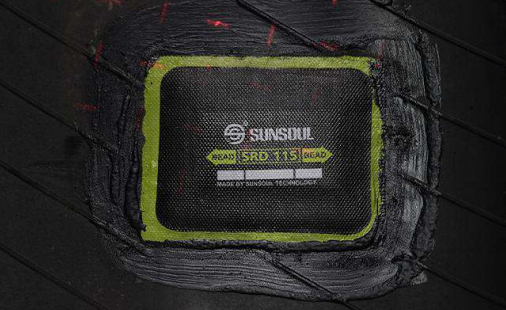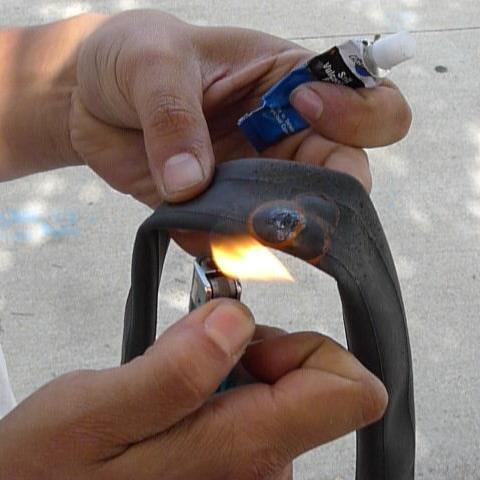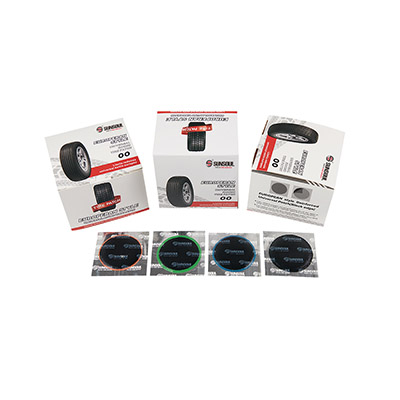


Tire blowouts are common. American drivers experience approximately 220 million tire blowouts each year. Blowouts account for nearly 20% of roadside emergencies. Many new cars come equipped with tire sealant kits, not spare tires. Tire sealant can repair small punctures in the tire tread. Larger damage requires other methods of repair. If you want a permanent repair, you can use professional tire repair products, such as SUNSOUL tire repair compound, which is long-lasting and effective.
Key Takeaways
- Tire sealant can quickly repair small punctures, but it is not a permanent solution. It is only suitable for minor punctures.
- Spare tires are better suited for larger damage. Spare tires function normally in all weather conditions. You can drive to a repair shop as usual.
- Consider the extent of the damage before choosing a repair method. Tire sealant is best suited for repairing small punctures in the tire tread. Spare tires are better suited for larger problems.
- Always check the spare tire’s pressure and tread pattern. A good spare tire can ensure your safety in an emergency.
- Professional tire patches, such as SUNSOUL, have the longest lifespan. They are best suited for severe tire damage.
Tire Sealant vs. Spare Tire
Quick Comparison Table
Many drivers experience tire blowouts while driving. They must choose between a spare tire or a tire sealant kit. The table below shows the differences between these two options. It compares their ease of use, speed of action, repair effectiveness, and reliability.
| Feature | Spare Tire | Tire Repair Kit |
|---|---|---|
| Ease of Use | Needs you to change the tire by hand | Easy plug-in system |
| Average Repair Time | Takes longer because you swap the tire | Fast, about 10-15 minutes to seal and pump |
| Effectiveness | Fixes almost any puncture or blowout | Only fixes small punctures in the tread |
| Longevity | Good for long-term use | Only lasts a short time |
| Performance in Extreme Weather | Works well in all weather | Might not work in freezing cold |
Key Differences
Automotive experts point out some key differences between tire sealant and a spare tire:
- Tire sealant can quickly repair small punctures.
- Spare tires reliably solve most tire problems.
- A spare tire allows you to continue driving immediately.
- Tire sealant is not always effective and should be used with caution.
A spare tire can repair a variety of tire damage and can be used in any weather conditions, making it especially suitable for long-distance travel. Tire sealant is best suited for repairing small holes in the tire tread, providing a quick seal and helping the driver reach a repair shop. However, tire sealant cannot repair larger holes or sidewall damage and may fail in extremely cold weather.
Tip: Drivers should check that a spare tire is in the vehicle. Some new cars may only come with a tire repair kit.
Both methods can help drivers deal with a tire blowout. A spare tire is safer and more reliable, while tire sealant is quicker and more convenient, suitable for minor repairs.
Tire Sealant Effectiveness
Tire Sealant Performance
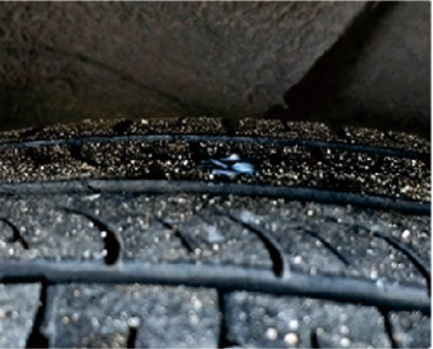
Tire sealant is designed for quickly repairing small holes. It penetrates the hole and forms a temporary seal. IMI tire sealant can seal nail holes up to 1/4 inch (approximately 6 mm) in diameter in the tread area, meaning it is effective in repairing small holes caused by nails or screws. Tire sealant is not a vulcanized repair compound. If the sealant is removed, the tire must be resealed.
Manufacturers state that tire sealant cannot repair sidewall damage or large punctures. Punctures larger than 1/4 inch (approximately 6 mm) or located outside the tread area can cause a blowout or unsafe driving. For tires with inner tubes, sealant must be injected before a puncture. Once a tire is damaged, it cannot be repaired. The effectiveness of sealant is reduced by about 30% in tires with inner tubes, resulting in lower strength in this case.
Tire sealant only temporarily repairs small punctures in the tire tread. It can help the driver get the tire to a repair shop. Most manufacturers recommend using a permanent patch for safety and to extend tire life. Sealant does not permanently repair a tire. If the puncture remains or reappears, you may need to reapply sealant.
Spare Tire Reliability
A spare tire is a better, more durable solution for many tire problems. It can handle large holes, blowouts, or sidewall damage that tire sealant cannot repair. Spare tires are designed to last until you find a repair shop. They are suitable for all weather conditions, especially for long journeys.
Spare tires are convenient to use. Simply remove the flat tire and replace it with the spare. This allows you to continue driving immediately. While it takes more time than using tire sealant, it gives you peace of mind. In emergencies, a spare tire is extremely useful when you need a quick and reliable solution.
Spare tires are very reliable, but they also have some drawbacks. They take up space in the car and can be relatively heavy to move. Nevertheless, many drivers still prefer spare tires because they perform well even in challenging road conditions.
Tire Sealant Convenience and Use
Using Tire Sealant
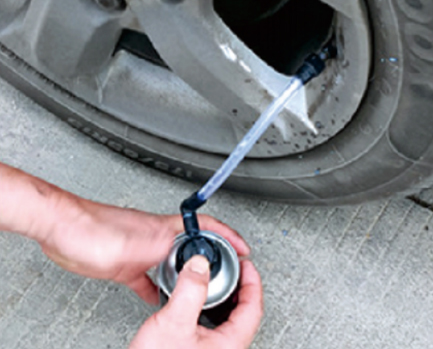
Many drivers choose tire sealant kits because they are compact and easy to store. These kits can be placed in the trunk or under the seat. People like them because they allow for quick and easy repairs. Tire sealant kits can help drivers repair tire leaks without lifting the vehicle or using heavy tools. Most kits contain a bottle of sealant and a small air compressor. Drivers simply attach the kit to the tire and follow the instructions.
Using tire sealant typically takes 10 to 20 minutes. This time includes attaching the kit, injecting the sealant, and inflating the tire. While the process is quick, it can be messy. Some users have reported leaks or spills during use. The sealant may get on hands, clothing, or the car. Some repair shops may charge extra for tire cleaning after using a tire sealant kit before performing a permanent repair.
The table below lists the most common problems drivers encounter when using tire sealant kits:
| Issue Description |
|---|
| Messy application and potential added costs during tire repair. |
| Can interfere with tire pressure monitoring systems. |
| Effective only for puncture holes of 6mm or less in diameter. |
| May not be effective for multiple punctures. |
| Limited distance that can be traveled after sealing. |
| Requires driving at relatively low speeds post-application. |
| Shelf life may be limited. |
| Risk of pressurized cans exploding in high temperatures. |
Tire sealant kits are best suited for temporary tire repairs. They can help drivers reach a repair shop safely. However, if sealant residue is not thoroughly cleaned, it may affect future repairs.
Using a Spare Tire
A spare tire provides another convenience for drivers. Most cars have a spare tire in the trunk or under the vehicle. The driver must remove the flat tire and replace it with the spare. For most people, this process takes about 10 to 15 minutes. The steps are straightforward and require no special skills. Many drivers find using a spare tire convenient because it is simple.
A spare tire takes up more space in the car and adds weight. Some people find lifting a spare tire or using a jack difficult. Nevertheless, spare tires are suitable for many types of flat tires. They do not cause clutter or interfere with tire sensors. Drivers can use a spare tire for long journeys until they find a repair shop.
Both tire sealant and a spare tire are methods for dealing with a tire blowout. Tire sealant kits are compact and easy to use, but can be messy and may affect future repairs. A spare tire takes up more space and requires more effort, but most drivers find it simple to use.
Tire Sealant Safety Considerations
Tire Sealant Safety
Many drivers use tire sealant for quick repairs to get back on the road as soon as possible. Tire sealant is best suited for repairing small punctures, but it only provides a temporary solution. Prolonged use of sealant poses safety risks. Tire sealant may interfere with the Tire Pressure Monitoring System (TPMS).
Some drivers experience severe vibrations after using sealant. This vibration can make driving difficult and may affect vehicle handling. Tire sealant may mix with tire materials. Sometimes, this can cause an increase in tire internal pressure. In rare cases, excessive pressure can lead to an accident. Drivers should go to a repair shop as soon as possible after using sealant.
Note: Tire sealant is not a permanent solution. Drivers should only use it when going to a repair shop.
Safety risks with tire sealant include:
- TPMS sensor damage can happen
- Tire vibrations can get worse
- Chemical reactions with tire materials can occur
- Pressure inside the tire can build up fast
Spare Tire Safety
For most drivers, the spare tire is safer. A spare tire can replace a damaged tire, allowing the vehicle to continue driving. Drivers do not need to worry about sensor malfunctions or a chemical reaction between the spare tire and the tire. A spare tire ensures your vehicle functions properly. Most spare tires are suitable for short, low-speed driving.
Drivers should check the tire pressure and tread pattern before using a spare tire. A good spare tire can reduce the probability of an accident. Changing a tire requires some skill, but it won’t make a mess or damage the vehicle’s systems. A spare tire ensures the driver’s safety until they reach a repair shop.
Tip: Drivers should check their spare tire often to make sure it is ready for emergencies.
Tire Sealant Cost and Long-Term Impact
Upfront and Ongoing Costs
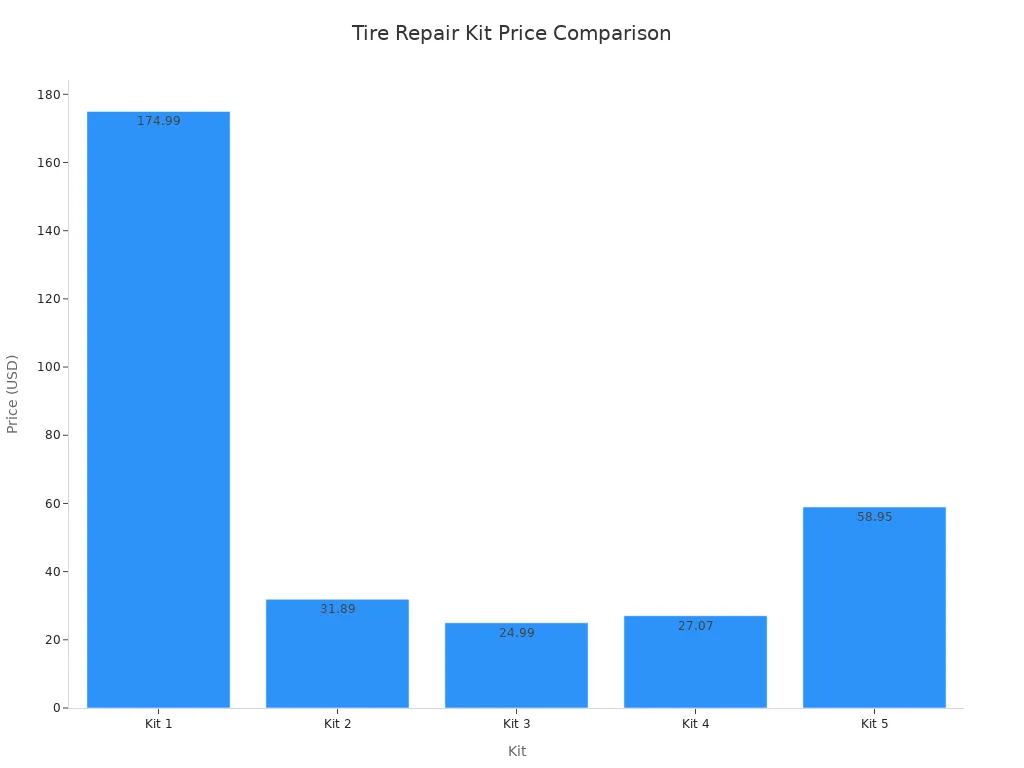
Drivers often compare prices for tire repair kits, spare tires, and professional tire repair solutions. Tire repair kit prices vary widely. Some kits are as low as $24.99, while others can cost as much as $174.99. The table below lists the price range for common tire repair kits.
| Tire Repair Kit Price |
|---|
| $174.99 |
| $31.89 |
| $24.99 |
| $27.07 |
| $58.95 |
Spare tires are typically more expensive than tire repair kits and take up space in your car. Professional tire repair products, such as SUNSOUL tire patch pads, offer long-lasting repairs. These patches provide long-term protection, helping car owners avoid repeatedly buying tire repair kits. Many car owners choose tire repair kits because they are inexpensive and easy to store. Others prefer spare tires or permanent patch pads for peace of mind.
Note: When choosing a tire repair kit, spare tire, or professional patch pads, car owners should consider both the initial cost and long-term value.
Impact on Tire and Vehicle
Tire sealants can affect tires and rims over time. Improper use can lead to wheel alignment problems and corrosion of rim components. These issues can be costly to repair. Tire sealants are not a permanent solution and can complicate future repairs and void the warranty.
Repeated use of tire sealants can affect the Tire Pressure Monitoring System (TPMS). The effects include:
- Repeated use can shorten the lifespan of the TPMS, especially for built-in sensors.
- Sealants can cause inaccurate readings, requiring professional cleaning and recalibration.
- External or sealed sensors are generally compatible with sealants.
Tire repair kits can quickly resolve the problem, but drivers should be aware of the risks. A spare tire and professional tire repair tools (such as SUNSOUL tire sealant) can help protect tires and the vehicle for longer. Choosing the right option depends on the driver’s needs and the type of repair required.
Which Is Best for You?
The choice between using tire sealants, a spare tire, or professional tire repair depends on the specific situation, vehicle type, and the driver’s personal preference. Each method has its advantages and disadvantages. Drivers should consider the type of tire damage, the distance traveled, and their own tolerance for repairs.
When to Choose Tire Sealant
Tire sealant works best for small, simple punctures. Most sealants can handle holes up to 6mm in the tread area. Drivers should not use sealant for sidewall damage or large cuts. If a tire has more than one puncture, sealant may not work well. Many new cars come with self-sealing kits instead of spare tires. These kits are easy to use and take up little space.
Tip: Tire sealant helps drivers get to a repair shop quickly. It is not a permanent fix.
Drivers should remember these points:
- Use sealant only for small holes in the tread.
- Do not use sealant for sidewall damage.
- Avoid using sealant for holes larger than 6mm.
- Self-sealing kits are best for emergencies and short trips.
“No attempt should be made to repair a hole larger than 6 mm in diameter or a cut or hole in a sidewall with these products.”
Tire sealant is a good choice for drivers who want a quick, easy solution for minor flats. It is also helpful for those who do not want to lift heavy tires or use a jack.
When to Choose a Spare Tire
A spare tire is the best option for dealing with major problems. It’s safer to use a spare tire if a tire has a large puncture, blowout, or sidewall damage. A driver can use a spare tire when the tire separates from the rim. A spare tire allows the vehicle to continue driving until it reaches a repair shop.
Here are some situations where using a spare tire is recommended:
- Penures larger than 6 mm.
- Damage located on the sidewall.
- The tire is completely leaking air and cannot be repaired.
- The driver needs to travel a long distance.
Repairing a tire on the sidewall is very risky. Generally, replacing the tire is the safest option.
A spare tire will not interfere with the tire pressure monitoring system and will not cause confusion. It is suitable for most types of tire leaks. Drivers should check their spare tire regularly to ensure it is always available.
Comparing Repair Methods
Drivers can use the table below to compare different repair methods:
| Repair Method | Application | Safety | Durability | Intended Use |
|---|---|---|---|---|
| Tire Plug | Outside | Temporary | Low | Emergency solution |
| Tire Patch | Inside | Safer | High | Permanent repair |
Considering Professional Tire Patch Solutions
For long-lasting and safe repairs, professional tire patch solutions, such as SUNSOUL tire patches, offer the best results. SUNSOUL uses a vulcanized adhesive that bonds tightly to the tire rubber. This method forms a leak-proof seal and performs excellently under harsh driving conditions. Many drivers say that SUNSOUL patches give them peace of mind because of their long-lasting repair.
- For permanent repairs, SUNSOUL patches are more reliable than self-sealing kits or spare tires.
- Experts recommend SUNSOUL to drivers who prioritize durability and safety.
- The curing time of SUNSOUL patches is worth waiting for because the repair is strong.
Continuing to drive on a flat tire will cause greater damage. It’s best to use the spare tire or seek professional tire repair service as soon as possible.
Most drivers will experience a tire blowout sooner or later. Tire sealant can quickly and easily patch a small hole, but the effect is not long-lasting. A spare tire can solve a bigger problem and is more reliable. Professional tire repair products like SUNSOUL offer the most lasting results. Automotive experts recommend:
- Use sealant to patch a small hole as a short-term solution.
- Carefully inspect the damage before choosing a repair method.
- After using the spare tire, go to a repair shop.
| Repair Method | Advantages | Disadvantages |
|---|---|---|
| Tire Sealant | Quick fix, easy to use | Temporary, may affect sensors |
| Spare Tire | Reliable, handles more damage | Needs tools, limited use |
| Professional Repair | Durable, meets standards, offers warranty | Higher cost, needs a professional |
FAQ
What are the uses of tire sealant?
Tire sealant helps drivers repair small punctures in the tire tread. It seals holes quickly, allowing drivers to reach a repair shop as soon as possible. Most sealants work best for holes smaller than 6 mm.
Can a spare tire replace all flat tires?
A spare tire can replace most flat tires. It can be used for larger punctures, blowouts, and sidewall damage. Drivers should regularly check their spare tires to ensure they are in working order.
How long does the repair effect of tire sealant last?
The repair effect of tire sealant only lasts for a short time. Drivers should go to a repair shop as soon as possible after applying sealant. Sealant only helps them drive safely for a limited distance.
Are professional tire patches better than sealant?
Professional tire patches, such as SUNSOUL tire patches, provide permanent repairs. They seal from the inside of the tire, providing a longer-lasting repair than sealant. Many experts recommend this method for safety reasons.
Will tire sealant damage tire sensors?
Tire sealants can affect tire pressure monitoring systems (TPMS). The chemicals in them may coat or damage the sensors. Drivers may need to clean or replace the sensors after using sealants.