

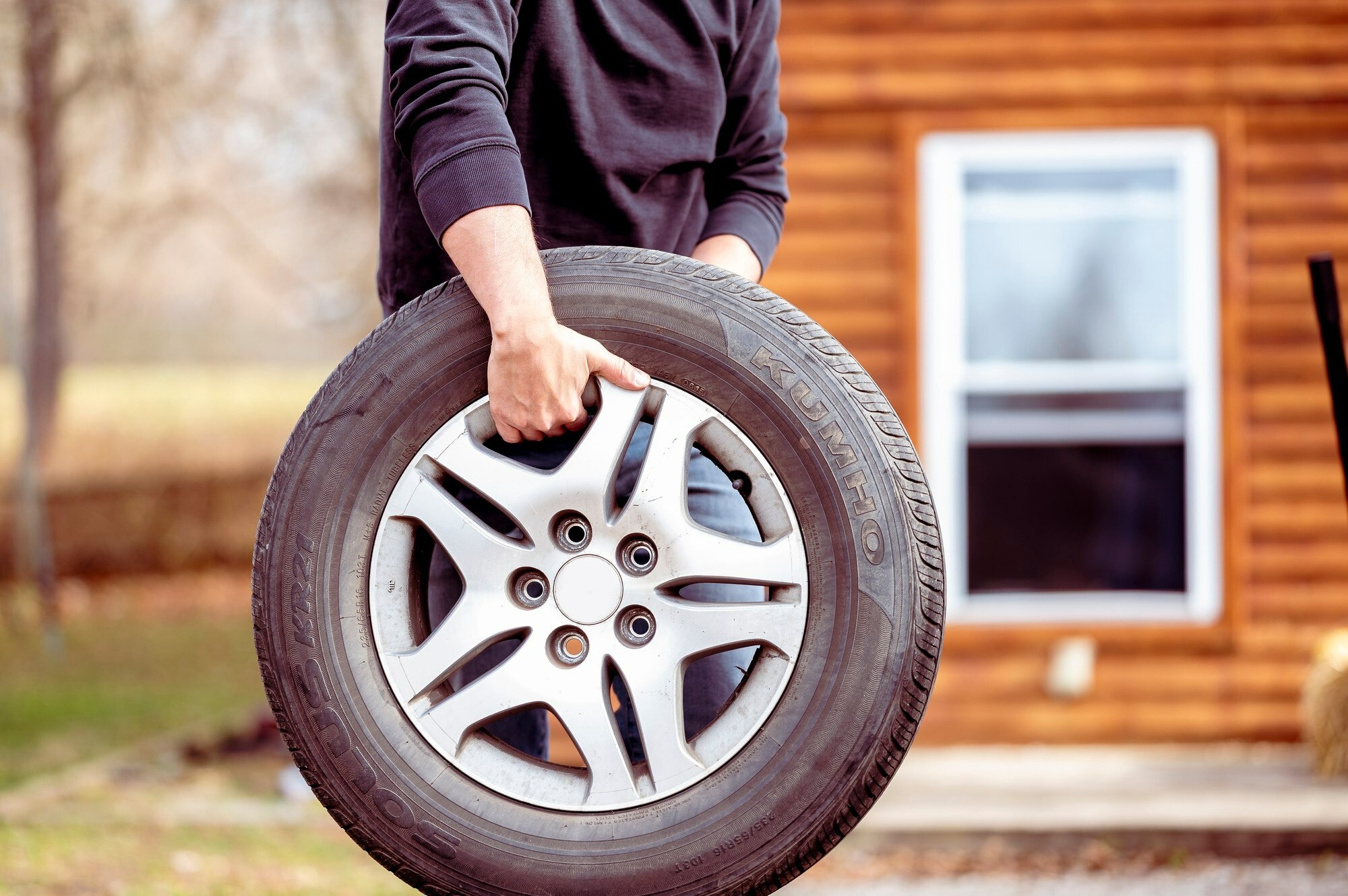
A driver can fix a tubeless car tire with the cold patch repair method. Sunsoul tire patches feature strong adhesion and excellent heat resistance during the repair process. High-quality materials effectively seal puncture points, enhancing tire safety. Using the right tools and following proper procedures ensures a secure repair, thereby maintaining optimal vehicle performance.
Key Takeaways
- Pick the correct tools and materials for cold patch repairs. Good patches like Sunsoul last longer and keep you safe.
- Do each step slowly and carefully in the repair process. Clean well, put on adhesive, and let it cure for a strong seal.
- Look at the puncture size before you fix it. Cold patches work best for tread punctures under 1/4 inch. Bigger holes need a professional to help.
Cold Patch Repair Tools & Materials
Essential Tools
Having the right tools is crucial when performing a cold tire repair. Self-vulcanizing tire repair strip kits enable quick fixes, while sturdy T-handle tools make the process less strenuous. Rubber repair strips are practical consumables suitable for a variety of repair situations. These tools deliver excellent performance whether you are at home or on the road. Most kits include cord-style repair strips that effectively seal punctures, allowing you to drive safely to a repair shop. Sunsoul offers a range of kits specifically for bulk buyers, featuring tools that are both durable and easy to use.
Types of Tire Patches
Sunsoul tire repair patches utilize advanced material technology, combining natural rubber with special chemical compounds to achieve strong adhesion. These patches remain flexible in extreme high- and low-temperature environments, with an operating temperature range of -40°F to 250°F. The table below outlines their key characteristics:
| Feature | Sunsoul Tire Patches |
|---|---|
| Heat Resistance | -40°F to 250°F |
| Environmental Compliance | RoHS, REACH certified; no hazardous chemicals |
| Adhesion | Superior natural rubber base for long-lasting repairs |
There are different patch sizes for different holes:
- Small holes (1-3mm): Use standard vulcanizing patches (15-20mm round)
- Medium holes (4-6mm): Use bigger patches (25-30mm) or plug/patch combos
- Big or many holes: Use large patches (40mm or more)
Optional Accessories
Using auxiliary materials can enhance the effectiveness of tire repairs. Fabric-reinforced and unvulcanized tire repair patches are suitable for use with a wide range of repair kits. Sunsoul offers various tools, rubber adhesives, and patch kits; all products comply with European environmental standards and are eco-friendly.
Tip: Using high-quality, certified tire repair patches helps extend the service life of the repaired tire and ensures driving safety.
Cold Patch Repair Step-by-Step
Locate Puncture
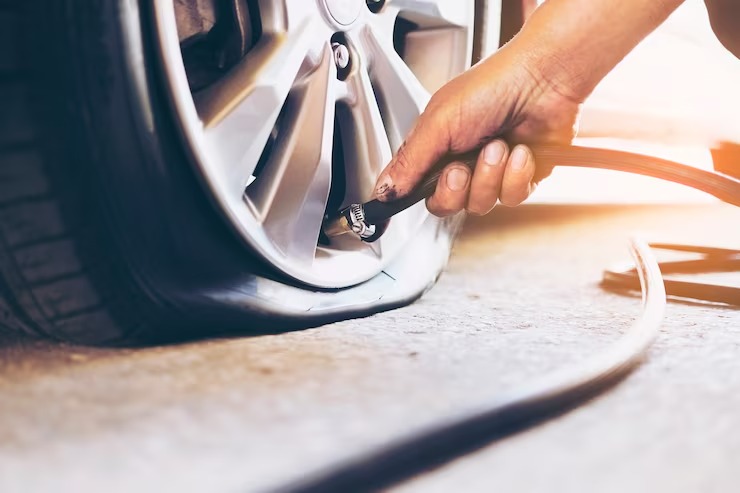
The technician begins the cold patch repair process by locating the puncture site. They inspect the tire for nails, glass, or other sharp objects and listen for the hissing sound of escaping air. Spraying soapy water on the tire helps identify minute leaks, as escaping air creates bubbles. The puncture site is then marked with chalk or a marker.
Tire Removal (If Necessary)
For a thorough repair, the technician removes the tire from the rim. This step allows for the inspection of both the tire’s interior and exterior, including checking the inner liner for hidden damage. Removing the tire helps determine whether the puncture is suitable for a standard cold patch or if a combination patch (plug-patch) is required for deeper holes.
Cleaning and Pre-treatment
The technician cleans the area around the puncture, removing dirt, silicone residue, and any existing tire sealant. A rubber cleaner is used to scrub the surface and remove impurities that could hinder adhesion. The inner liner is buffed until the surface is smooth and free of mold marks. The cleaned area should have a thickness of at least 2/32 of an inch. Thorough cleaning is crucial for the effectiveness of subsequent repair steps.
Applying Adhesive
Vulcanizing cement is applied to the pre-treated area. Allowing the cement to dry properly is critical; the technician waits until it feels tacky but is no longer wet before proceeding. Sunsoul offers both chemical-cure and dual-cure adhesives for this step. Chemical-cure adhesives are suitable for professional repair shops, while dual-cure adhesives provide faster bonding, making them ideal for quick repairs. The technician applies the adhesive evenly, ensuring the entire pre-treated area is covered.
| Adhesive Type | Description | Application Method |
|---|---|---|
| Cold Patch | No heating needed, for regular repairs | Sand, apply adhesive, press patch, allow to cure |
| Self-Adhesive Patch | Built-in adhesive, for emergencies | Peel and apply, press firmly |
Place Patch
He positions the Sunsoul tire patch over the puncture and presses down firmly to expel any air bubbles. For deeper punctures, he might employ a layered repair method or use a plug kit. A plug kit uses a rubber strip to fill the hole, whereas a patch seals the tire’s inner liner. He uses a roller or his hands to apply pressure, ensuring the patch adheres securely. This step is crucial for creating a strong, airtight seal.
Tip: Always press the patch from the center outward to prevent air entrapment.
Curing Time
He allows the patch to cure. Cold patch repairs typically require 15 to 30 minutes. The technician consults the product instructions to confirm the exact curing time. During this period, the Sunsoul patch maintains excellent flexibility and adhesion. Proper curing ensures a durable repair and guarantees tire safety.
Reinstallation and Inflation
Once curing is complete, he remounts the tire onto the rim and inflates it to the recommended pressure. This step prepares the tire for a leak check and ensures it is ready for use again.
Leak Check
He inspects the tire for leaks by spraying soapy water on the tread, sidewall, bead, and valve stem. The appearance of bubbles indicates an air leak. He listens for hissing sounds and carefully examines the repaired area. If no bubbles appear, the cold patch repair is complete, and the tire is safe for driving.
Note: Compared to plugs, patches offer a more durable and permanent repair. Plug repairs are usually temporary and do not seal the tire’s inner liner, whereas the cold patch process achieves a long-lasting, airtight seal.
Tire repairs using Sunsoul products are both safe and durable. Cold patch repair is suitable for most tire leaks and serves as a reliable solution for puncture issues.
Cold Patch Tire Repair Safety & Best Practices
Repair Precautions
He consistently adheres to every step of the cold repair process to ensure the tire is properly restored. Using high-quality patches, such as those from Sunsoul, helps prevent air leaks and ensures tire safety. Before beginning the repair, he inspects the size and location of the puncture and removes the tire from the rim to check for any hidden damage.
Ensuring Durability
He understands that a proper repair extends the tire’s service life. Cold patches provide a secure seal and offer greater durability than traditional tire plugs. This method is ideal for small punctures and requires no heat. He executes the repair steps meticulously to ensure the patch adheres tightly. Sunsoul subjects every patch to pressure and immersion testing, ensuring drivers can rely on the repair’s integrity in various weather conditions. The company adheres to strict standards—such as ISO 14001 and EU REACH regulations—to strictly limit the use of hazardous substances.
Mistakes to Avoid
When performing tire repairs, he avoids the following common errors:
- Using only a plug or a patch without filling the puncture hole, allowing moisture to enter the tire.
- Failing to remove the tire from the rim, which can lead to overlooking hazards like cuts or broken cords.
- Failing to apply the repair from the inside of the tire, potentially resulting in air leaks and low tire pressure.
- Applying a patch directly over a plug without using the correct technique, resulting in a poor seal.
He consistently follows the cold repair process and uses Sunsoul products to ensure optimal repair results.
The cold patching process lets drivers fix tubeless car tires safely. Sunsoul Tire Patch products stick well and last a long time.
- Good materials help repairs work better and last longer.
- Only fix tread punctures smaller than 1/4 inch after checking the tire.
- Get help from a professional if the hole is bigger or on the sidewall.
| Repair Type | Average Lifespan (Years) | Average Lifespan (Miles) |
|---|---|---|
| Patch | 7-10 | Up to 25,000 |
Doing the tire patch repair steps keeps driving safe and makes repairs strong.
FAQ
How long does a cold patch repair last?
A cold patch repair can last up to 7–10 years or 25,000 miles. Proper tire patch repair steps help ensure a strong and safe fix.
Can a cold patch be used for all punctures?
He should only use the cold patching process for tread punctures smaller than 1/4 inch. Sidewall or large punctures need professional inspection.
Is a cold patch a permanent repair?
Yes, a cold patch provides a permanent repair when applied correctly. Following the tire patch repair steps ensures the patch seals the puncture for the tire’s life.