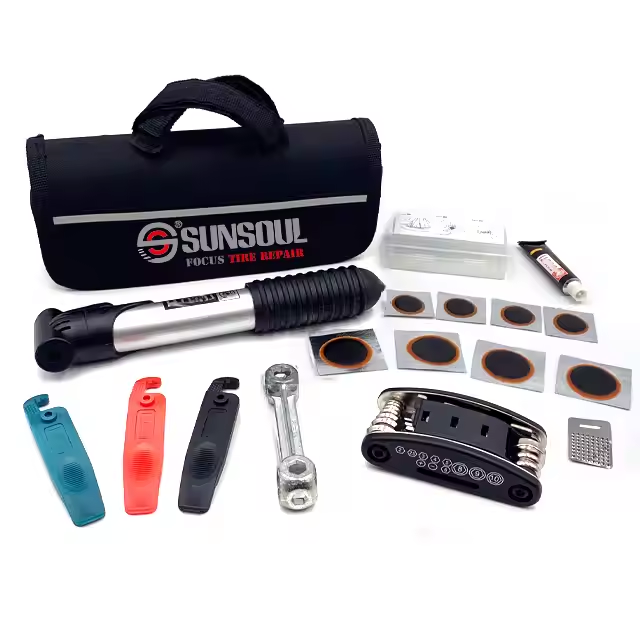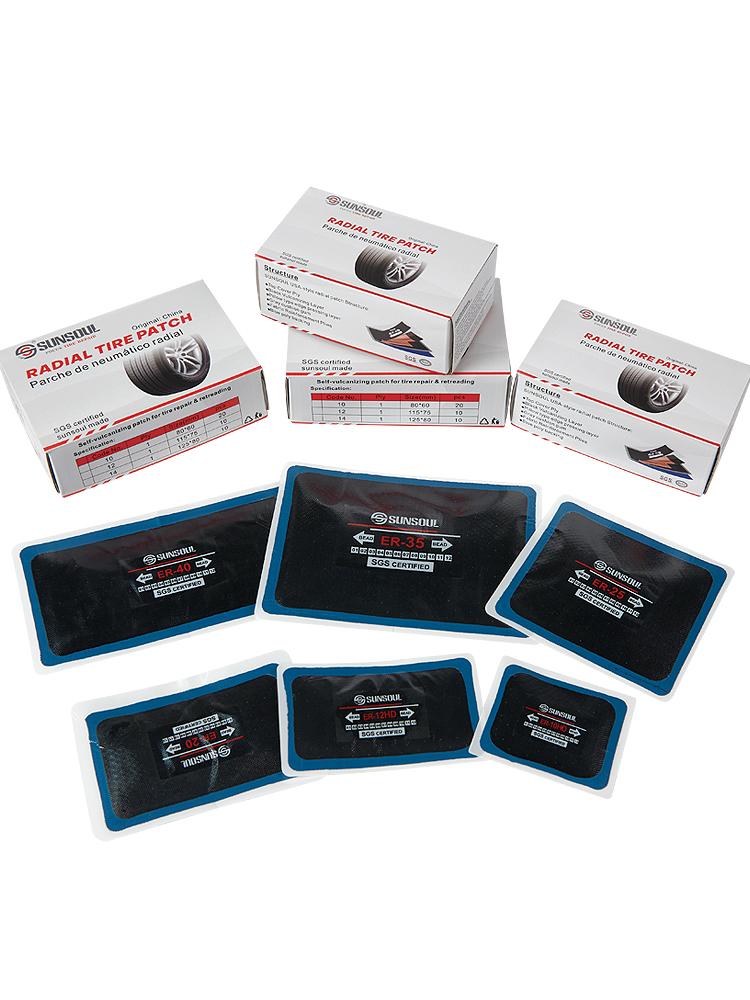

Tire safety is crucial for preventing accidents, and businesses and suppliers prioritize effective tire repair to ensure people’s safety. SUNSOUOL tire patches offer a durable and effective solution for tire punctures. In the United States, approximately 11,000 traffic accidents each year are caused by tire problems, resulting in 563 reported deaths in 2022. Alarmingly, only 57% of vehicles equipped with tire pressure monitoring systems have properly inflated tires. Insufficient tire pressure can lead to a variety of problems, posing dangers to drivers and passengers.
Key Takeaways
- Always check tire pressure after fixing a tire. Right air pressure keeps you safe and stops accidents.
- Use the SUNSOUOL Tyre Patch for repairs that last. It sticks well and stays strong for the life of the tire.
- Look at valve stems and bead seals often. Broken parts can cause slow leaks and make tires lose air.
- Reset the TPMS after you fix a tire. This helps you get correct tire pressure numbers and stops wrong alerts.
- Pick repair shops that are certified for tire work. They use safe ways to fix tires and make sure they work well.
Post-Repair Tire Checks for Safety
Tire Inflation
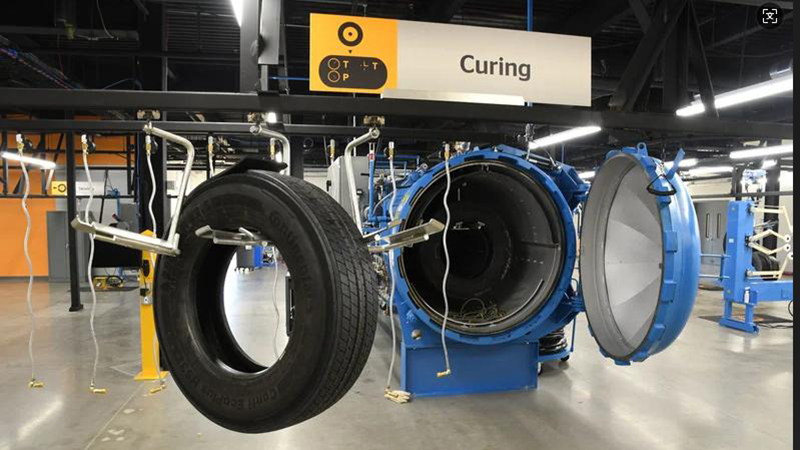
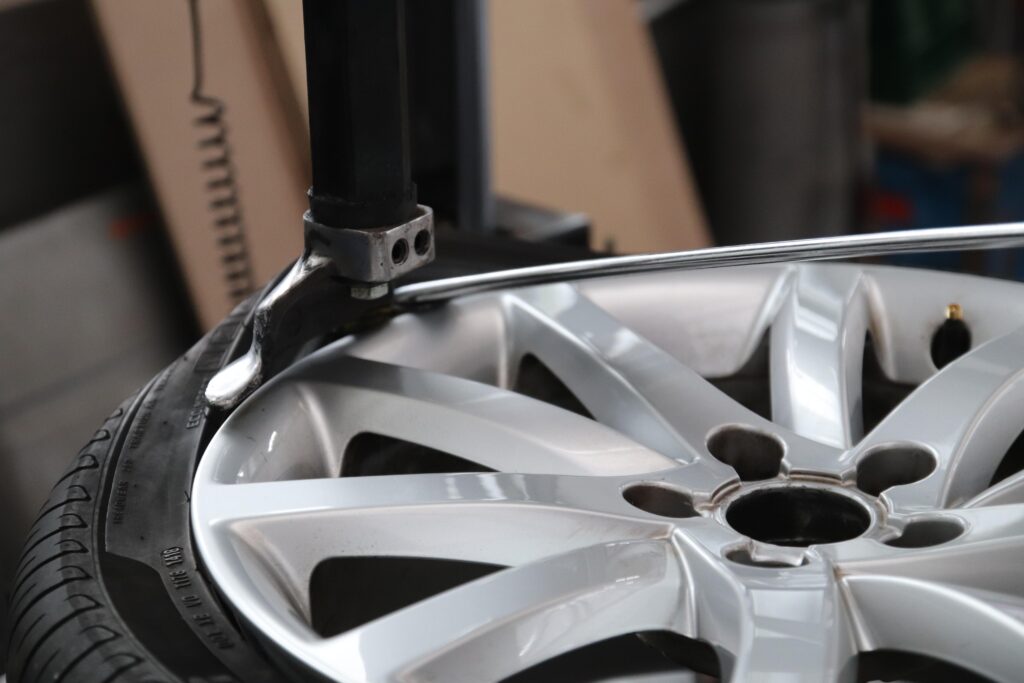
Checking tire pressure is crucial after tire repair. Many companies recommend using permanent repair materials, such as SUNSOUOL tire patches, instead of tire plugs. Tire plugs only provide temporary relief and may not last. Patches, especially vulcanized patches, form a strong bond and last as long as the tire itself. SUNSOUOL tire patches use this method and are therefore trusted for bulk orders and specialized repairs. For proper installation, you must remove the tire from the rim, inspect the inside of the tire, and follow each step carefully. This ensures the patch completely covers the puncture and maintains stable tire pressure.
Note: If a professional fixes the tire, it can last as long as a tire that was never damaged. A plug might stop working suddenly.
Slow Leaks
Even after tire repair, slow leaks can occur. These leaks can originate from small holes, valve problems, or poor bead seals. Sidewall cracks can also cause slow leaks. Drivers should regularly check tire pressure and pay attention to any drops. Check the tires monthly and listen carefully for any hissing or whistling sounds. Clean the tire, valve, and bead areas with soapy water to locate leaks. Bubbles will indicate the location of the leak. Properly applying SUNSOUOL tire patches can seal holes and stop slow leaks.
Valve Stem & Bead Seal
Valve stems and bead seals help maintain safe tire pressure. Damage to these components can lead to slow leaks and a drop in pressure. Manufacturers recommend checking valve stems for cracks or if they feel hard. Ensure the bead area is clean and undamaged. When using SUNSOUOL tire repair patches, inspect these components to prevent future leaks. If the bead or valve stem is damaged, replace it during the repair process. This will ensure safe tire pressure and extend tire life.
| Repair Type | Lifespan Description |
|---|---|
| Professional Repair | Can last for the full remaining life of the tire. |
| Temporary Plug | Uncertain lifespan; may fail suddenly without warning. |
Tire Pressure & TPMS Issues After Repair
Even after a tire is repaired, tire pressure problems can still occur. Sometimes, the tire pressure monitoring system (TPMS) warning light will remain on. This could be because the sensor needs to be reset, or it could be due to a damaged sensor, a problem with the valve stem, or a problem with the rim. Many companies recommend checking the tire pressure monitoring system after each servicing, as this helps ensure the vehicle operates safely and properly.
TPMS Reset
A TPMS reset lets the system know the new tire pressure. Some cars let you reset it yourself. You can use dashboard buttons or menus. The reset clears old fault codes in the ECU. Technicians use special TPMS tools to check sensors before fixing tires. After changing pressure or sensors, they use the tool to relearn the system.
Steps for TPMS Reset:
- Use a TPMS tool to check sensors before fixing.
- Change tire pressure or sensors if needed.
- Use the tool to relearn the system.
Tip: Resetting the TPMS after fixing a tire helps the system watch tire pressure correctly. It stops false warning lights.
Sensor & Battery Check
Tire Pressure Monitoring System (TPMS) sensor batteries have a lifespan of 5 to 10 years. Most car owners replace the sensors when the battery is depleted or the component fails. If tire pressure problems persist after tire repair, it’s likely a battery malfunction. Signs of failure include a warning light illuminating, incorrect tire pressure readings, the TPMS indicator failing to reset, and the system malfunctioning. The failure rate increases with sensor age. If one sensor’s battery fails, the batteries in other sensors may soon follow suit.
Manufacturers and repair shops recommend checking the sensor batteries every time a tire is repaired. Suppliers recommend replacing the sensors when the battery is nearly depleted. Batteries typically last 6 to 10 years.
- Signs of TPMS sensor battery failure:
- TPMS light stays on
- Tire pressure numbers are wrong
- TPMS light will not reset
- System does not work
Note: Checking sensors and batteries often helps stop tire pressure problems. It keeps the tire pressure monitoring system working well.
Sensor Installation & Calibration
After tire replacement, the sensors must be installed and configured immediately. A technician will use specialized tools to check the Tire Pressure Monitoring System (TPMS). They will ensure the sensors are correctly installed and matched to the vehicle’s control module. If the TPMS indicator light illuminates as a warning, they will reset the system to obtain correct readings.
Best practices for sensor installation and calibration:
- Reset the sensors to set new pressure values.
- Relearn or reprogram the sensors and match them to the vehicle’s control module.
- If warnings or abnormal readings persist, seek assistance from a professional technician.
Manufacturers, suppliers, and repair shops all emphasize the importance of professional calibration. Correct sensor installation can prevent tire pressure problems and ensure the tire pressure monitoring system functions properly.
Alert: Resetting may need a special tool. If the TPMS light stays on after fixing a tire, ask a professional for help. This stops ongoing tire pressure problems.
| TPMS Issue | Possible Cause | Recommended Action |
|---|---|---|
| TPMS light stays on | Sensor needs recalibration | Use diagnostic tool to reset |
| Inaccurate pressure | Sensor battery failure | Replace sensor |
| Warning light persists | Valve or rim defect | Inspect and repair |
Manufacturers and suppliers agree that regular checks and correct installation keep tires safe. Fixing tire pressure problems fast stops accidents. It helps the tire pressure monitoring system work as it should.
Common Post-Repair Mistakes and How to Avoid Them
Incomplete Repairs
Manufacturers and suppliers say that incomplete repairs are a major cause of tire failures. Some technicians use plugs from the outside of the tire for repairs, but this doesn’t provide a permanent seal. If the repair is on the outer tread or the inner liner isn’t checked, hidden damage may exist. For example, raised repair edges or dirt under the patch can cause leaks. Furthermore, missing information such as tire location or repair date can make repair records difficult to track.
| Issue Identified | Description |
|---|---|
| Use of external plug | Not safe; does not last long |
| Repairing outside tread area | Makes tire failure more likely |
| Inner liner inspection missed | Hidden damage can be missed |
| Patch edges lifting | Air leaks and tire may fail |
| Contamination under repair unit | Repair is not strong |
| Incomplete documentation | Hard to check and track repairs |
Blowouts are much more likely to cause rollovers than other crashes. Light trucks have tire problems more often than passenger cars. Suppliers say to use permanent patches like the SUNSOUOL Tyre Patch and keep good records for every tire.
Wrong Sealants
Using the wrong sealant or a quick fix can cause problems again. Temporary plugs or sealants that do not vulcanize may not last with daily use or heavy loads. Big buyers and fleets should pick permanent, vulcanized patches for safety. Checking tires often and using the right repair materials helps stop future issues.
Tip: Use software to keep track of tire history and connect each tire to its vehicle for better management.
Sensor ID Matching
After fixing a tire, matching TPMS sensor IDs is very important. If sensor IDs do not match the car’s control module, the system may show wrong pressure numbers or warning lights. This can cause missed alerts and safety risks. Manufacturers and repair shops must always reset and check sensor IDs after each repair to make sure monitoring is correct.
Note: Matching sensor IDs helps get correct data and stops extra downtime for fleets and suppliers.
Troubleshooting Tire Pressure After Repair
Visual Inspection
Manufacturers and suppliers say to look at the tire closely after any repair. Checking with your eyes helps you find problems early. Look at the tread and sidewall for cracks, bulges, or deep cuts. Use the table below to see if the tire is safe or needs to be replaced:
| Condition | Indicator |
|---|---|
| Hole size less than 6 mm | Can be patched successfully |
| Hole size greater than 6 mm | Likely to fail if patched |
| Damage on sidewall | Requires tire replacement |
| Damage on tread | Can be repaired if small enough |
| Deep cracks or bulges | Structure compromised, replace tire |
If you see a slow leak on the shoulder or sidewall, the tire should be replaced. Custom and wholesale buyers need to check for these signs to stop future tire pressure problems.
Pressure Check
For best results, check tire pressure manually with a tire pressure gauge. Tire Pressure Monitoring System (TPMS) readings are generally accurate, but it’s always best to check manually after a servicing procedure. A study by the American Automobile Association (AAA) found that the difference between TPMS readings and actual tire pressure can range from 1.2% to -1.5%. Always check both the tire pressure gauge and the TPMS display. If the warning light remains on, check the pressure of all tires. Changes in tire pressure can indicate a tire leak or a sensor malfunction.
- Use a tire pressure gauge to find low pressure.
- Ensure all tires are properly inflated.
- For safety, compare the manual tire pressure gauge reading with the TPMS reading.
TPMS Reset Steps
After fixing a tire, you might need to reset the TPMS. This makes sure the tire-pressure monitoring system works well. Do these steps:
- Reset the tire pressure sensor.
- Relearn or reprogram the TPMS sensor so it works right.
- Change broken sensors if problems do not stop.
Manufacturers and suppliers use scan tools to find sensor problems. They also look at the car’s TPMS manual for the right steps. Wholesale and custom fleets should reset the TPMS often to keep things safe.
When to Get Help
If the TPMS light stays on or tire pressure problems keep happening, get help from a professional. Waiting too long can make driving more dangerous. If warning lights do not go away or pressure drops again and again, a technician should check the tire and TPMS. Fixing TPMS problems fast keeps cars safe for drivers and big fleets.
Tip: Always fix TPMS alerts right away to keep your car working well and safe.
Essential Prevention Tips to Maintain Proper Tire Pressure After Repair
Choose Qualified Shops
Manufacturers and suppliers recommend choosing certified tire repair shops. Certified technicians use approved repair methods, such as patch repair, to ensure tire safety. These repair methods help tires maintain their speed rating. Quality checks, such as “pattern repair shop quality audits,” ensure the repair work is done correctly. Repair shops need to inspect the tire for any other internal damage. Certified repair shops help identify potential problems and ensure tires are safe to use.
Tip: Always ask for a quality check after repair to make sure the job was done right and to avoid tire pressure problems later.
Regular Pressure Checks
Automotive experts recommend checking tire pressure regularly for safety. Tires can lose up to 25% of their pressure per month. Simply looking at the tire surface is insufficient to determine if the pressure is too low. It’s best to use a digital tire pressure gauge. Schedule monthly tire pressure checks and perform them before long trips. Weather changes can affect tire pressure. A 10-degree drop in temperature can cause a 1-2 PSI drop in tire pressure, potentially leading to a blowout.
Tire Pressure Checklist:
- Check your vehicle’s manual or the label on your door for the correct tire pressure values.
- Use a tire pressure gauge to check all tires.
- Inflate or deflate as needed.
- Check tire pressure monthly and before trips.
TPMS Maintenance
TPMS systems help watch tire pressure. After a repair, manufacturers and suppliers say you should relearn the TPMS sensors. You can do this by hand, with an OBDII tool, or with a trigger tool. Start the car, turn on each sensor, follow the steps, and make sure the TPMS light goes off. Wholesale and custom fleets need to make sure the TPMS shows the right tire pressures. Checking the TPMS often stops wrong warnings and keeps tires safe.
| TPMS Maintenance Method | Description |
|---|---|
| Manual Relearn | Turn the key and press buttons |
| OBDII Relearn | Use an OBDII tool to program |
| Trigger Tool Relearn | Use a special tool to turn on sensors |
🚗 Note: If the TPMS light stays on after repair, follow the car’s steps or ask a certified worker for help.
Manufacturers, suppliers, and fleet managers can make vehicles safer by doing a few important things after fixing a tire.
- Checking tire pressure often and changing sensors when needed helps stop accidents.
- Only trained workers should put in and take care of TPMS sensors so they work well.
- Fixing TPMS warnings right away lowers the chance of tire blowouts and keeps people safe.
TPMS warns drivers early if tire pressure drops. This helps drivers stay safe and avoid losing control. Good tire pressure also helps cars stop better and keeps them from sliding on wet roads. This makes driving safer for everyone.
FAQ
What makes the SUNSOUOL Tyre Patch a permanent repair?
Manufacturers use vulcanization to make the patch stick well. This process creates a strong bond with the tire. Suppliers say the patch lasts as long as the tire does. Temporary plugs do not last as long.
How often should drivers check tire pressure after a repair?
Experts say to check tire pressure every month. Big fleets check tires every week. Checking often helps stop accidents and keeps tires safe for all vehicles.
Why does the TPMS warning light stay on after a tire repair?
The TPMS might need to be reset. Sometimes, the sensor battery is dead or the sensor ID does not match. Suppliers use special tools to fix the system and get correct readings.
Can a slow leak return after using a permanent patch?
Manufacturers say the SUNSOUOL Tyre Patch stops leaks if put on right. If a slow leak comes back, suppliers say to check the valve stem and bead seal for hidden damage.
Should repairs always be done by professionals?
Manufacturers and suppliers say professional repairs are best. Certified shops use approved ways and check their work. DIY repairs can fix small problems, but professionals make sure repairs are safe and reliable.