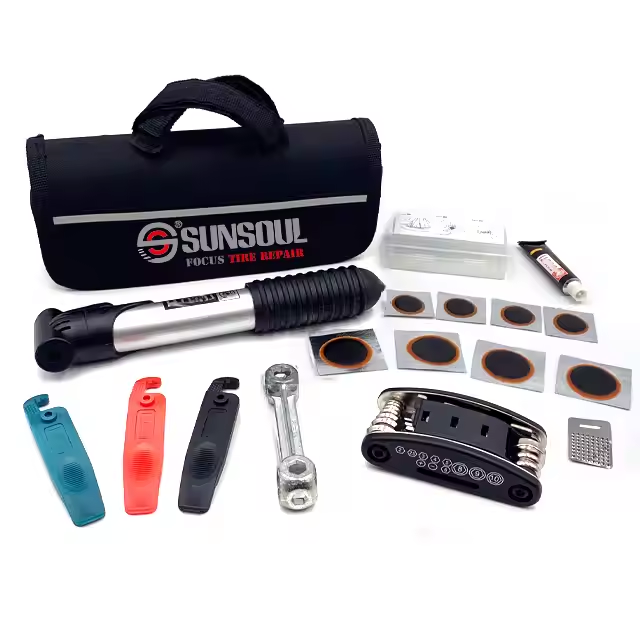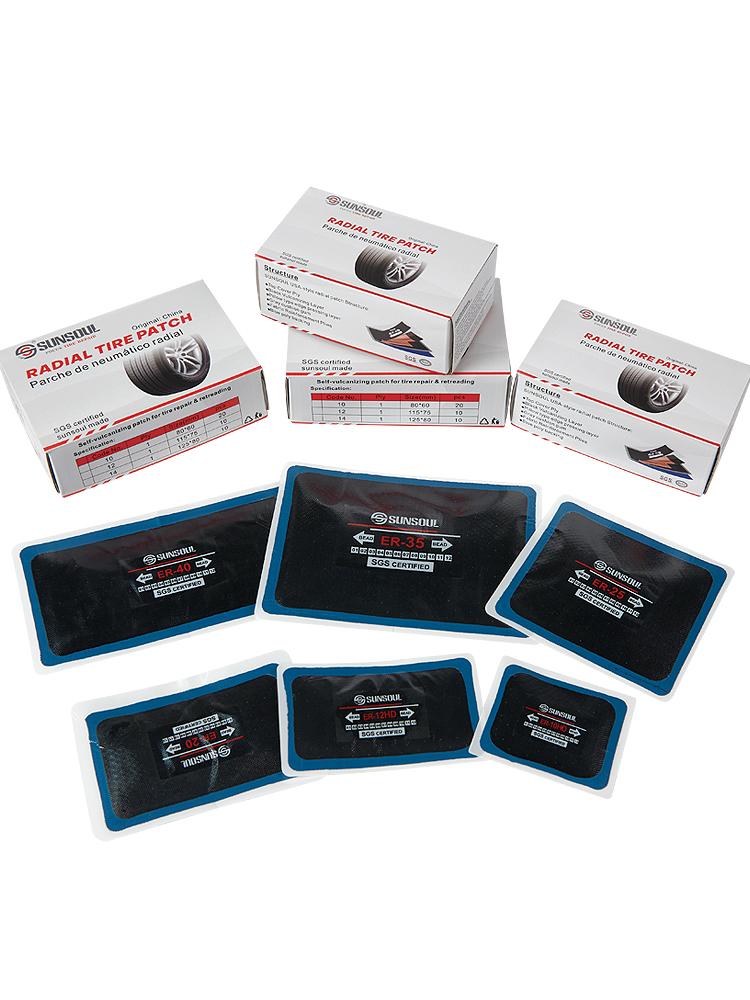

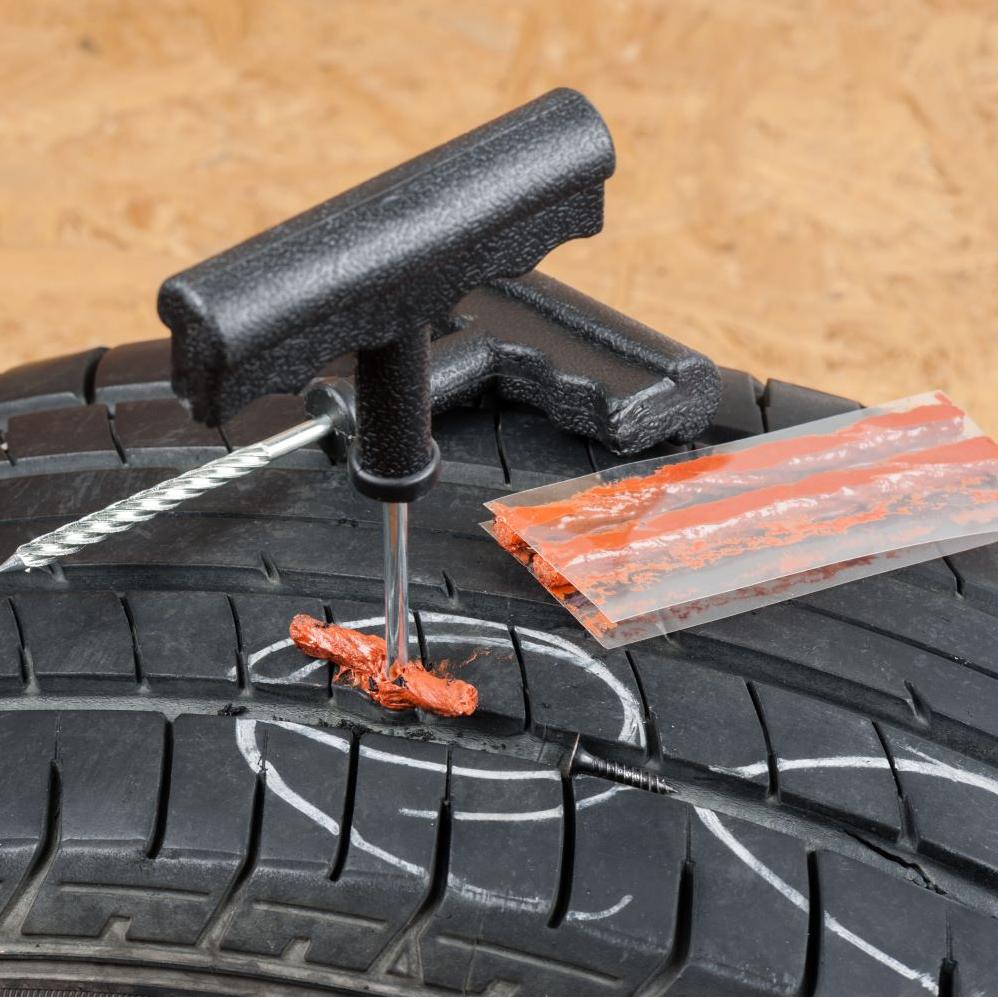
People often think of leaky tires as a common problem, and using a tire patch or tire plug is one of the most common repair solutions. Much like water seeping into a wall, water entering a tire can cause significant inconvenience for drivers and riders. Just as water damage can weaken a building’s foundation, moisture inside a tire may affect its internal structure and long-term performance.
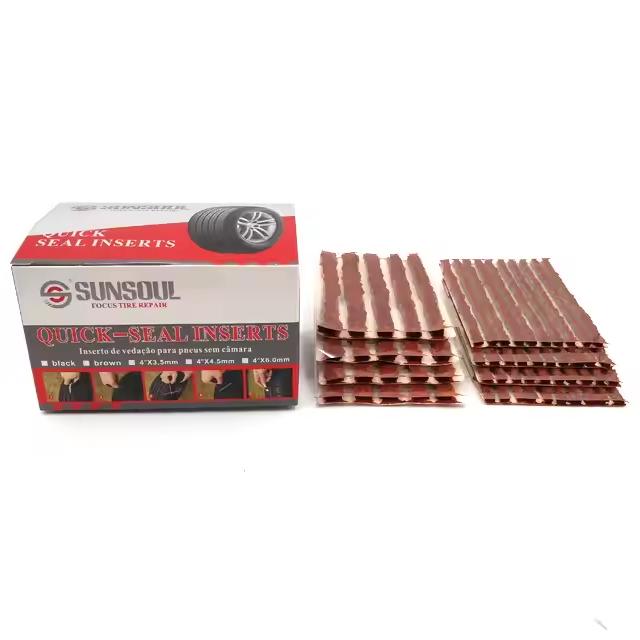
SUNSOUL rubber tire plugs offer an innovative solution for leaky tires. Experts warn that ignoring leaky walls can lead to more serious repairs later. Similarly, leaky pipes, if not addressed promptly, can cause even bigger problems. Mechanics rely on SUNSOUL tire plugs to repair pipes inside tires, ensuring safe driving.
Key Takeaways
- Water seepage in tires can make them weak. This can cause unsafe driving. Checking tires often helps find problems early.
- Look at tires for water seepage signs. These signs include rust, low air, or bubbles in a soapy water test. Finding problems early stops bigger troubles.
- Use SUNSOUL rubber tire plugs to fix tires well. These plugs make strong seals. They keep tires safe and stop air from leaking.
- Check your tires every month. Do this more after wet weather. This habit keeps tires strong and helps you drive safely.
- New repair ways, like vulcanizing plugs, work better than old ways. They help cut down waste and make driving safer.
Tire Water Seepage and Vehicle Safety
What Is Water Seepage?
A leak occurs when water enters a tire through tiny cracks or holes. It may start as a small problem, but if ignored, it can develop into a major issue. Many people think leaks only happen in walls or basements. But tires can leak too. When water enters a tire, it mixes with air. This alters the tire’s internal structure. Drivers may not immediately notice these changes.
Causes of Water Seepage in Tires
There are many reasons why tires leak. The most common cause is a vehicle running over a sharp object, which can create tiny holes in the tire. Sometimes, the tire itself may have manufacturing defects or a weak point created by hitting a curb. Weather conditions are also crucial. Moist air and slippery roads exacerbate water seepage. Although there is less dust on wet roads, water stays on tires for longer. In wet weather, water is more likely to seep into tires. These factors can cause water seepage to begin and continue.
Tip: After driving in rain or on wet roads, check your tires. This helps you find water seepage early.
How Water Gets Into Tires
Tire leaks begin with tiny openings. Water can enter the tire through holes, cracks, or damaged valve stem seals. Once inside, the water spreads, causing rust or damaging metal parts. Over time, leaks weaken the tire. Leaks don’t always happen quickly. Sometimes, it takes weeks or even months for water to accumulate enough to cause problems. Therefore, it’s crucial for every driver to regularly check their tires.
Potential Risks and Consequences of Water Seepage in Tires
Tire Damage and Safety
A tire leak can be extremely dangerous, endangering the safety of the driver and passengers. When water builds up inside a tire, it weakens the tire. This is similar to water seeping into a wall and damaging a building. Over time, the water causes the wires or braided layers to rust. Rust further weakens the tire. This means the tire could blow out while driving.
Mold can also easily grow inside a damp tire. This often happens when tires haven’t been used for a long time. Mold inside a tire is difficult to detect. But if mold spores get into the air, they can harm your health. These problems are exacerbated if the tire liner or valve stem is not waterproof. Water leaks aren’t always easy to spot. Regularly checking your tires helps prevent bigger problems.
Note: Water and mold inside tires can cause blowouts or flats. This puts everyone in the car in danger.
Performance Issues
The effects of water leaks go far beyond just damaging tires. Water inside tires alters their grip. Drivers may feel the vehicle is unstable, especially on wet roads. Here are some problems caused by water leaks:
- Reduced grip, making it difficult to brake quickly.
- Increased rolling resistance, leading to increased fuel consumption.
- Uneven wear, shortening tire life.
Mold and moisture inside tires reduce driving safety and comfort. If tires aren’t waterproof, more water will seep in and reduce tire performance. Ignoring water leaks can lead to costly repairs and unsafe driving behavior. Problems can worsen quickly, so check your tires regularly.
How to Detect and Identify Water Seepage Issues in Tires
Signs and Symptoms
Drivers often overlook the early signs of water leaks in tires. They may feel something is wrong with the tires but can’t pinpoint the cause. Auto mechanics recommend checking the following reliable signs:
- Take note of the tire’s age. Older tires are more prone to leaks or seepage.
- Check the valve stem for damage. Corrosion or blockages can allow water to enter.
- Check for small punctures. Look for foreign objects or small holes inside the tire.
- Check the rim for damage. Bending or cracks can become channels for water seepage.
- Check the bead seal. Ensure the bead is properly installed and kept clean.
Sometimes, drivers may notice a drop in tire pressure or rust near the rim. These signs often indicate water leakage. If the tire feels soft or makes a hissing sound, there may be moisture inside. These symptoms should not be ignored. Taking action early can prevent bigger problems.
Tip: Listen for air escaping after a drive in wet weather. This can help catch seepage before it gets worse.
Simple Detection Methods
People can use easy methods to find water seepage in tires. Tire manufacturers suggest these steps for quick checks:
| Detection Method | Description |
|---|---|
| Soapy Water Test | Mix water and dish soap in a spray bottle. Spray the tire surface. Bubbles show air escaping from a puncture or seepage point. |
| Monitor Tire Pressure | Use a gauge to check tire pressure often. A tire that loses pressure may have a seepage issue. |
| Visual Inspection | Look at the tires every month. Listen for escaping air. Spray with soapy water to spot leaks. |
These methods help drivers spot seepage early. Regular checks keep tires safe and strong. People who find water seepage should repair it right away to avoid damage.
Tire Water Seepage Repair Methods for 2026
Latest Technologies
Tire repair technology has undergone tremendous changes in recent years. Companies now use new vulcanizing compounds that not only enhance repair strength but also effectively prevent moisture penetration. The advent of intelligent vulcanizing machines has also helped technicians repair tires more efficiently, ensuring consistent results every time and thus protecting driver safety. Furthermore, new chemical formulas not only extend the durability of repairs but are also more environmentally friendly. These improvements help tires maintain their safety performance after a puncture.
Tip: Repair shops use these new tools to help drivers feel safe on the road.
Using SUNSOUL Rubber Tire Plugs
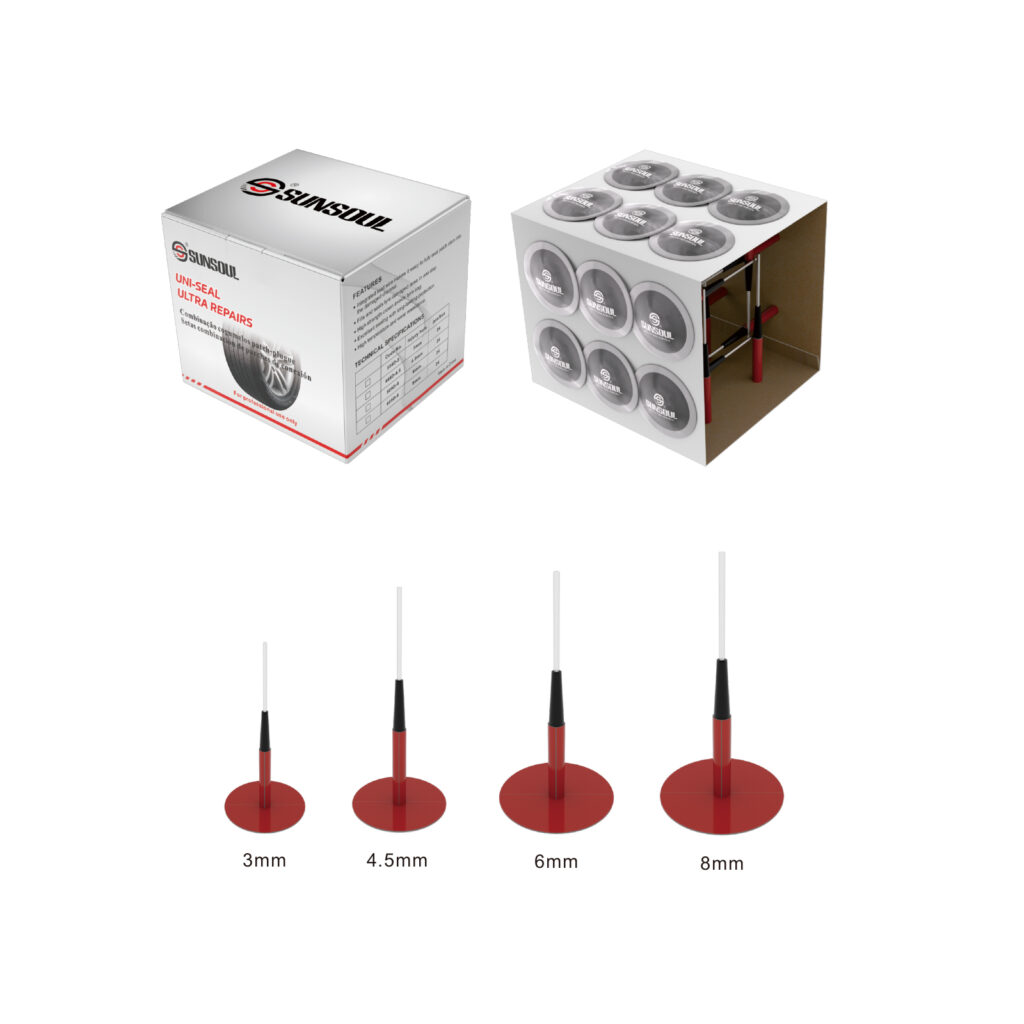
SUNSOUL rubber tire plugs are very popular in 2026. Many shops and fleet managers trust SUNSOUL. This is because the plugs use good materials and pass strict checks. SUNSOUL has many types of plugs for different problems:
| Plug Type | Best For | Application Method |
|---|---|---|
| Standard Plug | Small punctures | Inserted from outside |
| String Plug | Larger holes | Inserted from outside |
| Mushroom Plug | Severe damage, inner seal needed | Inserted from inside, vulcanized |
| Self-Sealing Plug | Quick, automatic repairs | Inserted from outside, self-seals |
The mushroom plug is special because it uses vulcanization. The mechanic puts on cement, then adds the plug-patch. A chemical reaction makes a strong seal inside the tire. This fix lasts a long time. String and standard plugs are good for fast repairs. They go in from the outside and block air and water. The self-sealing plug is best for people who want a quick fix.
Step-by-Step Guide: How to Use SUNSOUL Plugs
- Locate the hole in the tire and remove any foreign objects stuck inside.
- Clean the hole with a specialized tool.
- If it’s a regular or rope-shaped plug, simply insert it into the hole.
- If it’s a mushroom-shaped plug, you’ll need to remove the tire, apply cement, and then insert the plug from the inside.
- If using a mushroom-shaped plug, wait for the chemical reaction to complete.
- Cut off any excess plug.
- Inflate the tire and check for leaks with soapy water.
Note: The mushroom plug gives a strong, lasting seal. String and standard plugs are fast and work well.
Traditional vs. Modern Solutions
In the past, people often used rawhide or press-fit tire repair strips to patch tires. These older methods were not durable and often failed to prevent water penetration. Modern tire repair strips like SUNSOUL use superior materials and new processes to make repairs more durable and tires safer.
- Older methods were cheaper, but less effective than newer methods.
- SUNSOUL tire repair strips are trusted by users worldwide for their sealing performance.
- Vulcanized tire repair methods help extend tire life and save costs.
- New repair methods reduce tire waste, thus helping to protect the environment.
Repair shops and fleet managers choose SUNSOUL because of its superior performance. Good repairs mean fewer tire problems and safer roads.
Callout: SUNSOUL rubber tire plugs help people fix water seepage fast and keep cars safe.
Water seepage in walls reduces home safety. Water seepage in tires affects driving safety. Regularly checking for water seepage in walls helps detect problems early and prevent moisture from spreading. SUNSOUL rubber tire plugs can completely repair tire punctures, restoring tire strength and preventing leaks. Regularly checking tires helps drivers detect water seepage early. The tire sealant market is growing rapidly. Today, more and more people are using tubeless tires and electric vehicles. Understanding these things helps protect your car and home.
| Benefit | Description |
|---|---|
| Permanent solution | Gives a long-lasting fix for punctured tires. Temporary plugs might not last as long. |
| Restoration of structural integrity | Repairs make the tire strong again. This keeps drivers safe and helps the tire work well. |
| Prevention of air loss | Seals the hole well, so air does not leak out. This keeps the tire pressure steady. |
| Protection against corrosion | Stops water from getting to inside parts. This lowers the chance of rust and damage. |
FAQ
How does water seepage affect tire safety?
Water inside a tire makes it weaker. This can cause less grip on the road. There is a bigger chance of a blowout. Mechanics say checking tires often helps stop accidents.
Can SUNSOUL rubber tire plugs fix all types of punctures?
SUNSOUL has standard, string, mushroom, and self-sealing plugs. Each plug works for a different size of puncture. Fleet managers trust SUNSOUL because repairs are reliable.
How often should drivers check for water seepage?
Experts say to check tires every month. After heavy rain or wet roads, check sooner. Finding problems early keeps cars safe.
Are SUNSOUL tire plugs easy to use?
Most drivers think SUNSOUL plugs are easy to put in. The kits come with clear steps. Mechanics and cyclists use them for fast repairs.
What signs show water seepage in tires?
Look for rust near the rim or low tire pressure. Bubbles in a soapy water test also show water may be inside.