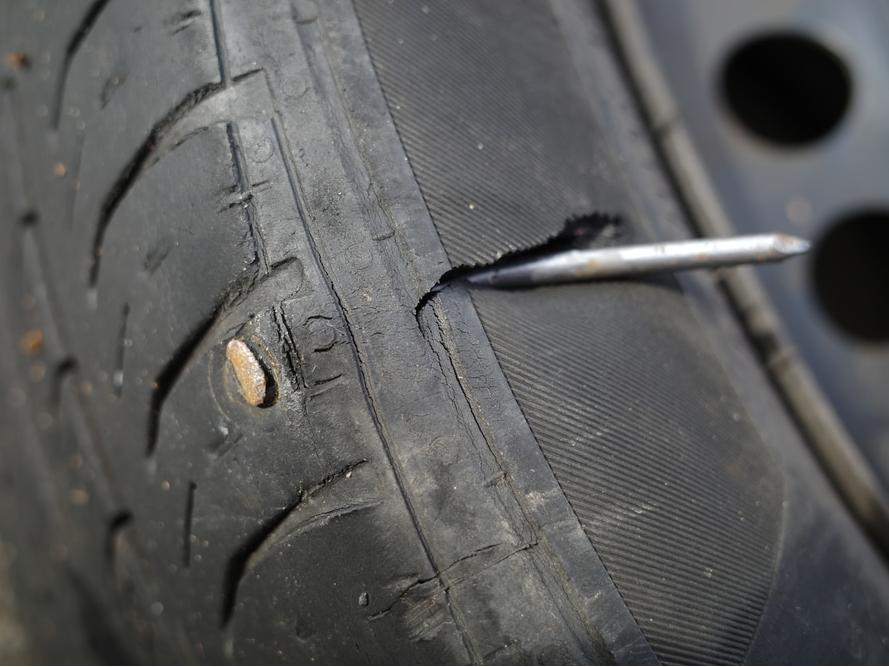

A flat tire is one of the most common problems drivers face. Whether caused by a nail, screw, or other sharp object on the road, a puncture can happen at any time. While many tire punctures can be repaired safely, not every damaged tire should be repaired, and not every repair method provides the same level of safety.
Understanding the basics of tire repair can help you make better decisions, reduce the risk of repeat failures, and keep your vehicle safer on the road.
Can Every Punctured Tire Be Repaired?
The answer is no.
Professional tire technicians first inspect the location, size, and condition of the damage before deciding whether a repair is appropriate.
In general, punctures located in the center tread area are often repairable if they meet the manufacturer’s repair guidelines. However, damage to the sidewall or shoulder area is much more difficult to repair because these parts of the tire flex continuously during driving. Even if a temporary repair seems successful, it may not provide long-term reliability.
For this reason, industry guidelines generally recommend replacing tires with significant sidewall damage rather than attempting a permanent repair.
Why Do Some Tire Repairs Fail?
Many drivers assume a leaking tire means the repair patch was defective. In reality, repair failures are often caused by incorrect repair procedures or using materials that are not suitable for the application.
Common causes include:
- Using low-quality tire repair patches
- Selecting the wrong patch for the type of damage
- Inadequate cleaning or buffing before installation
- Applying too much or too little vulcanizing cement
- Failing to remove trapped air beneath the patch
- Repairing damage outside the recommended repair area
Any of these mistakes can reduce bonding strength, allowing air to escape and shortening the life of the repair.
Choosing the Right Tire Repair Patch
Professional tire repair depends not only on technique but also on selecting the appropriate repair materials.
Different repair situations require different types of tire patches. For example, patches designed for tread punctures should not be used to repair sidewall damage, while heavy-duty tires may require repair products specifically designed for commercial or off-road applications.
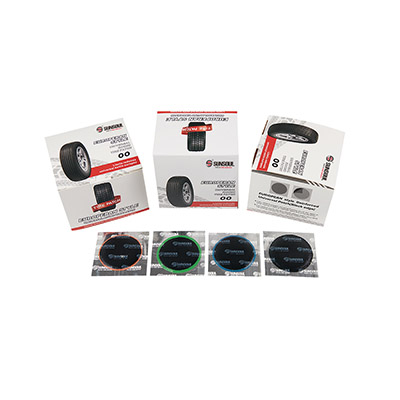
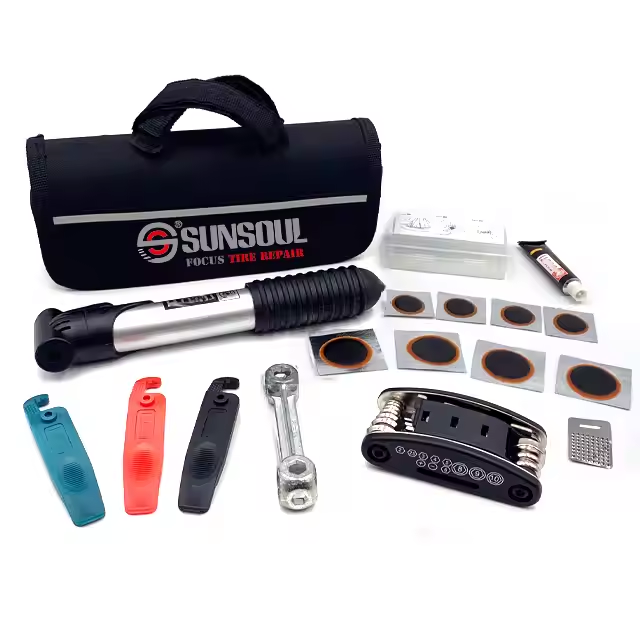
Products such as the SUNSOUL SRD-110 and SRD-122 Tire Repair Patches are designed for specific repair applications and should always be used according to the recommended repair procedures. Matching the correct patch with proper installation helps create a stronger and more durable repair.
Safe Tire Repair Starts with Proper Technique
A professional tire repair typically includes several important steps:
- Inspect the tire to determine whether repair is appropriate.
- Remove the tire and examine the inner liner.
- Clean and buff the damaged area.
- Apply vulcanizing cement evenly.
- Install the correct repair patch.
- Roll the patch firmly to eliminate trapped air.
- Reinspect the repair before returning the tire to service.
Skipping any of these steps can reduce repair quality and increase the risk of future air leaks.
Watch the Video to Learn More
In this video, SUNSOUL explains the science behind professional tire repair and demonstrates why proper repair materials and correct procedures matter.
You’ll learn common repair mistakes, understand when a tire can be repaired safely, and see how choosing the right tire repair patch can improve repair reliability.
Whether you’re a vehicle owner, tire repair technician, or distributor of tire repair products, knowing these basic repair principles can help you make safer decisions and extend the service life of your tires.
Watch the video to discover the essential tire repair knowledge every car owner should know—and make your next tire repair with confidence.