
Tire repair primarily utilizes four types of equipment: hand tools, repair kits, specialized machines, and safety equipment. Hand tools are used to remove tires and fix minor problems. Repair kits are used to repair punctures and stop leaks in tires. Specialized machines like tire changers and wheel balancers allow for quick and accurate repairs in repair shops. Safety equipment ensures the safety of workers at all times. However, people often use hand tools at home. SUNSOUL Tire Repair Kits offer a reliable method for tire repair.
| Equipment Type | Importance |
|---|---|
| Tire Changer | Main machine for quick and safe tire changes, needed for busy shops |
| Wheel Balancer | Makes sure tires wear evenly and cars drive better, important for happy customers |
| Alignment Machine | Gives wheel alignment, a service that helps keep customers coming back |
Key Takeaways
- Tire repair requires the use of tools such as hand tools, repair kits, and specialized machines. These tools help ensure safe and efficient repair work.
- Using the correct repair kit is very important. Tire repair kits can quickly fix minor problems. Tire repair kits are better suited for repairing larger tire punctures and have a longer lifespan.
- Safety equipment is crucial. Workers should wear gloves and safety goggles to ensure their own safety.
- Professional repair shops use specialized equipment. Tire changers and wheel balancers help them repair tires quickly and efficiently.
- Regularly checking tire pressure is a good habit. Using high-quality tire repair tools can extend tire life and improve driving safety.
Essential Hand Tools Used in Tire Repair Processes
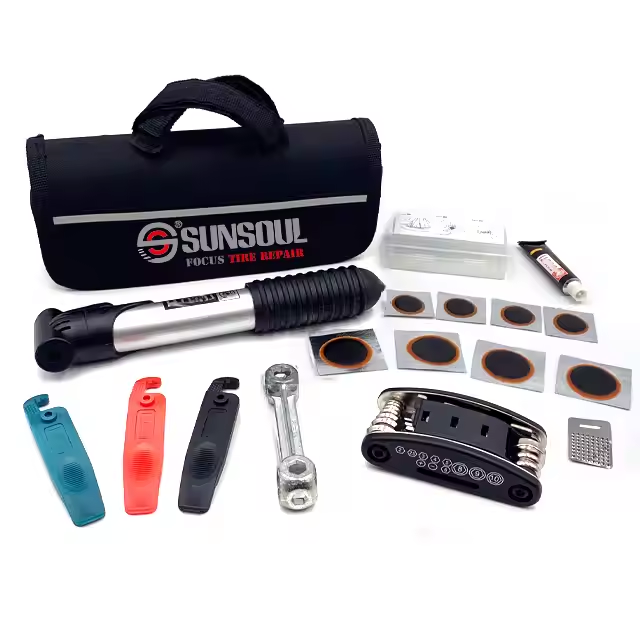
Tire Levers & Spoons
Tire pry bars and tire pry knives play a key role in tire removal and installation. These tools help separate the tire from the rim, making the operation easier. Many users find that using tire pry bars reduces the physical effort required to change tires. These tools are robustly constructed and capable of handling tricky tasks such as prying open tire bead and removing stuck tires. Most tire pry bars are made of high-strength materials such as 40CR steel. This makes them durable and rust-resistant, resulting in a long lifespan and safe use. Mechanics and DIY enthusiasts alike rely on tire pry bars and levers to quickly and efficiently repair tires.
Tip: Always use the right size lever for your tire to avoid damaging the rim or the tire itself.
Pliers & Cutters
Pliers and cable cutters are crucial in many steps of the tire repair process. Mechanics use pliers to remove nails, screws, or other sharp objects from the tire tread. Cable cutters are used to trim damaged rubber or remove old tire patches. These tools come in various shapes and sizes, and users can choose the most suitable tool for different jobs. Good quality pliers and cable cutters should have a strong grip and a sharp blade.
Valve Core Tools
Valve core tools are used to repair leaks and maintain proper tire pressure. These tools are used to remove or install valve cores, small components inside the valve stem. If the valve core is damaged or dirty, the tire will leak air. Mechanics use valve core tools to replace damaged valve cores and stop leaks. This step is crucial for all types of vehicles, from bicycles to trucks. While simple, valve core tools are essential for anyone who wants to keep their tires in good condition.
- Common tire repair hand tools include:
- Bead breaker and demount tools
- Plug kits and patch systems
- Valve stem tools
- Inflators, gauges, and hoses
Tire Repair Kits and Their Importance
Tire repair kits are essential for ensuring driving safety. These kits help people quickly repair flat tires. Drivers and mechanics alike use them to get back on the road as quickly as possible. Each kit contains tools and materials for different tire problems. Some kits can repair small holes, while others can handle larger damage. Choosing the right kit is crucial. It determines whether you need a quick fix or a more durable repair.
Plug Kits
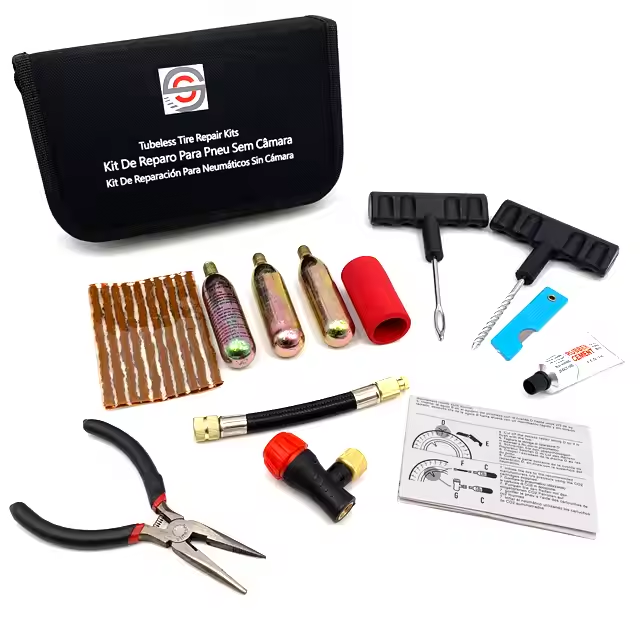
Tire repair kits can quickly repair holes in tubeless tires. Many drivers use these kits when they need a quick repair. Tire repair kits typically contain a tire repair tool and rubber plugs of various sizes. Users simply insert the rubber plug into the hole to stop the leak. Tire repair kits are inexpensive and easy to use, making them ideal for emergencies.
- Tire repair kits are best suited for repairing small holes in the tire tread.
- You don’t need to remove the tire from the rim.
- Most tire repair kits are easy to use and suitable for beginners.
However, tire repair kits may not last long. Experts point out that if not installed properly, the tire plug can loosen. Tire plugs can also reduce tire strength, making them more prone to blowouts. They are not suitable for sidewall damage or large punctures.
Note: Tire plug kits are suitable for quick repairs, but should not replace a full tire repair when safety is paramount.
| Aspect | Tire Plugs | Tire Patches |
|---|---|---|
| Advantages | Less expensive, quick and easy to install | More durable, stronger seal |
| Disadvantages | Less durable, limited to tread area | Time-consuming, requires professional help |
Patch Kits
Tire repair kits are a better way to repair tires. These kits contain tire patches, glue, and tire cleaning tools. The patch covers the hole from the inside, forming a strong seal. Many repair shops use tire repair kits for professional tire repairs.
- Patches are more durable than tire plugs and can repair larger punctures.
- They are better suited for long-distance travel and can restore the tire’s strength.
- Tire repair kits are best suited for repairs requiring long-term use.
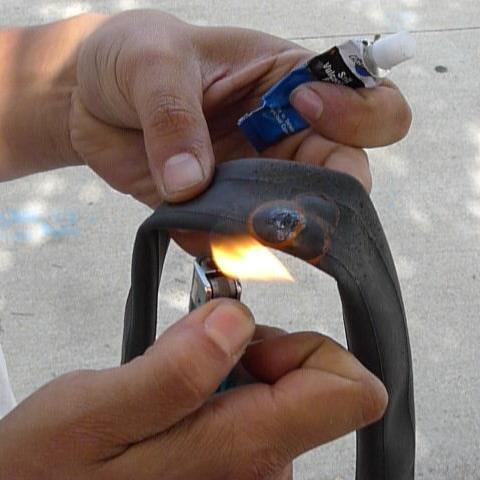
Using tire patches requires more time and skill. You must first remove the tire from the rim and clean the puncture before applying the patch. This helps the patch adhere firmly and prevents leaks. Tire patches are ineffective for sidewall damage. If the sidewall is damaged, the tire may need to be replaced.
| Feature | Patch | Plug |
|---|---|---|
| Durability | More durable, especially for larger punctures | Easier to install but often temporary, can loosen over time |
| Safety | Safer for larger repairs and professional use | Can pose safety risks if it loosens, especially for larger punctures |
| Recommended Use | Larger tread area punctures, professional repairs | Minor, temporary repairs, suitable for smaller punctures |
| Permanent Solution | Generally considered more permanent | Classified as a temporary solution by professionals |
Tip: For a repair that lasts, patches are usually best, especially for bigger holes in the tread.
SUNSOUL Tire Patch Example
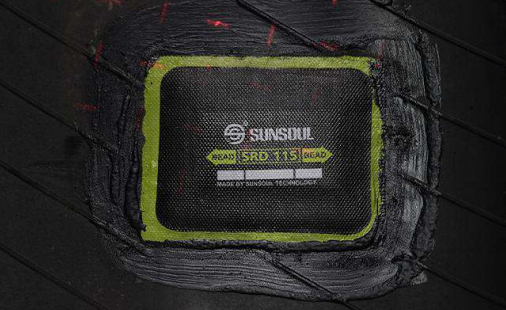
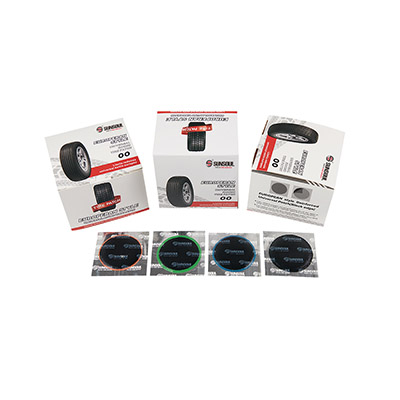
SUNSOUL makes many types of tire patch kits for cars, trucks, and farm machines. Each kit has strong patches and tough tools. SUNSOUL makes patches for each kind of vehicle. This helps make repairs safe and last a long time.
- SUNSOUL makes over 2 million tire patches every month. This shows that many people trust their products.
- Their patches use strong materials for a tight seal that does not leak.
- SUNSOUL kits have Chemical Cure and Dual Cure patches. This gives users choices for different repairs.
- The split backing on each patch makes it easy to use, even for new users.
- SUNSOUL products meet world quality rules and are used in over 60 countries.
| Vehicle Type | Typical Tire Pressure (PSI) | Common Tire Construction | Repair Kit Focus |
|---|---|---|---|
| Passenger Car | 30–40 PSI | Radial, lower ply rating | Standard patches for small punctures |
| Commercial Truck | 80–110 PSI | Radial, high ply rating | Heavy-duty, reinforced patches |
| Agricultural | 15–30 PSI | Bias or Radial, very thick | Large, durable patches for rugged use |
Many repair shops and vehicle owners use SUNSOUL tire patches for safe and durable repairs. SUNSOUL’s meticulous craftsmanship ensures that each patch effectively repairs the tire and maintains its strength. SUNSOUL prioritizes quality, and its products are sold globally, making it a trusted choice for anyone needing superior tire repair.
Note:High-quality tire patches like SUNSOUL help ensure vehicle safety and reduce the risk of tire problems recurring.
Advanced Tire Repair Equipment
Tire Changers
Tire changers are used for quickly changing tires. These machines firmly hold tires in place. Special robotic arms and rollers help pull the tire off the rim. Workers use foot pedals and tool levers to control the machine. Tire changers are equipped with powerful turntables and large puncture blades. These components help workers change tires safely and quickly.
| Feature | Description |
|---|---|
| Drop-center top mount arm | Keeps the tire steady while it spins |
| Pneumatic wheel restraint | Locks the wheel so it does not move |
| Power-assist bead rollers | Makes it easy to set and break beads |
| Upfront foot controls | Simple for workers to use |
| Tilt-back towers | Gives more room to work |
| High-torque turntables | Moves the tire with strong, steady power |
Tire changers help workers save time and make fewer mistakes.
Bead Breakers & Bead Seaters
The tire remover is used to loosen the tire bead from the rim. This is a necessary step before tire removal. The bead clamper is used to press the tire bead back into place after tire repair. Some machines use airflow to accomplish this task. These tools can speed up the work and prevent damage to tires or rims.
Air Compressors & Inflation Equipment
Air compressors power many tire tools. They can also inflate tires to the proper pressure. Digital inflators like the PNT PRO can automatically detect and set tire pressure. Maintaining proper tire pressure helps extend tire life, save fuel, and ensure driving safety.
| Feature | Description |
|---|---|
| Consistent Pressure Control | Keeps tire air at the right level |
| Reliable Operation | Works well even when used a lot |
| Ease of Use | Lets workers change air fast |
- The right tire pressure makes tires last longer.
- Good air pressure helps keep drivers safe.
Wheel Balancers
Wheel balancers are used to check if tires and wheels are rotating evenly. Balanced tires eliminate vibrations and help tires wear evenly. This improves vehicle performance and reduces fuel consumption. Repair shops use wheel balancers to ensure proper repair work.
Diagnostic & Inspection Tools
Technicians use specialized tools to find hidden tire problems. Inspection lights, tire tread depth gauges, and leak detectors help detect faults early. These tools ensure all repair work is safe and reliable and keep the vehicle running smoothly.
Safety Gear and Support Equipment
Jacks & Jack Stands
Jacks and jack stands keep the vehicle stable during repairs. Floor jacks lift the vehicle off the ground, allowing workers to safely remove tires. Jack stands hold the vehicle in place after it’s lifted, preventing it from falling and ensuring safe operation. For everyone’s safety, technicians should always use both tools simultaneously.
| Tool | Function |
|---|---|
| Floor jacks | Help lift cars and keep them steady. |
| Jack stands | Hold cars up safely during repairs. |
Tip: Always put jack stands under strong parts of the car frame. Never use just a jack to hold up a car.
Wheel Chocks
Wheel stops prevent the vehicle from rolling while repairing tires. These stops are placed behind or in front of the wheels. Wheel stops use their grip and weight to hold the vehicle in place. These act like a wall, helping to prevent accidents. Mechanics select the appropriate wheel stops based on the size and weight of the vehicle. Placing the stops correctly is crucial for safety.
- Wheel stops prevent the vehicle from moving during repairs.
- They use traction and their own weight to hold the vehicle in place.
- Choosing the right wheel stops for your vehicle is very important.
Protective Gloves & Eye Protection
Protective gloves and goggles are essential for safely repairing tires. Gloves protect hands from sharp objects, chemicals, and hot parts. Goggles protect eyes from flying debris and shards. Many safety kits also include a high-visibility vest or warning triangle. These items help increase worker visibility, reducing roadside accidents. Studies show that using safety equipment can reduce the number of injuries during repairs.
- Gloves, goggles, and high-visibility equipment are suitable for all repair work.
- Safety equipment helps prevent injury and makes workers more visible.
- Drivers using safety kits are less likely to have accidents.
Note: Wearing appropriate safety equipment helps ensure everyone’s safety and the successful completion of repair work.
DIY vs. Professional Tire Repair Tools
Essential Home Tools
People who repair tires at home typically use simple tools. They usually choose tire patch kits or patch sets to repair small holes. Tire patch kits are inexpensive and easy to use. Many car owners keep a set in their car for emergencies. The Slime 50107 tire repair kit can repair most small holes and is easy for even beginners to use.
| Method | Installation Difficulty | Longevity | Cost Range | Safety Level |
|---|---|---|---|---|
| Tire Patch | More difficult | Can last for years | $30 (DIY) to $50 | Generally safer |
| Tire Plug | Easier | Shorter lifespan | $10 to $20 | Can loosen over time |
Tip: Home kits are best for small tread holes. They cannot fix sidewall damage.
Professional Shop Equipment
Professional repair shops use specialized machines to repair tires. These machines can quickly and safely change tires and are suitable for various sizes and types of tires. Repair shops use durable tools that can be used every day. Tire changers and tire balancers help workers complete tasks quickly. High-quality machines ensure worker safety and comfort. Repair shops carefully inspect tires to ensure long-lasting repair results.
- Repair shops must serve more customers quickly and efficiently.
- Machines need to be robust and durable.
- Tools are compatible with various tire sizes and types.
- Good design effectively prevents worker fatigue.
- Tire balancers help improve the accuracy of repairs.
Quick Reference Table
Home and shop tools are different in cost, safety, and how long repairs last. The table below shows these differences.
| Type of Repair | Cost Range | Effectiveness | Safety Level |
|---|---|---|---|
| DIY Repair | $10 – $30 | Often temporary, quick fix | May not be safe for long use |
| Professional Repair | $20 – $60 | Long-lasting, thorough check | High, with safety guarantee |
Note: DIY repairs are good for emergencies, but shop repairs are safer and last longer.
You need the right tools to fix tires safely and well. Important tools are wheel balancers, tire changers, inflators, and good patches for each tire type. Experts say you should do these things for the best fix:
- Look at the tire and find what is wrong.
- Get your repair kit ready and follow the steps.
- After fixing, check the tire pressure.
Good products like SUNSOUL Tire Patch make repairs last longer. If you want to learn more, training programs like TECH University Online Training and PANG Industrial can help you get better at fixing tires.
| Program Name | Description |
|---|---|
| TECH University Online Training | Helps workers and pros get better at fixing tires. |
| PANG Industrial | Shows how to fix tires the right way for safety and speed. |
FAQ
What tools do most people need for basic tire repair?
Most people need a tire repair kit, a valve corer, and a pair of pliers. These tools can help repair small punctures and leaking valves. A portable air compressor also helps keep tires at the correct pressure.
Can SUNSOUL tire patches repair all types of tire damage?
SUNSOUL tire patches are best suited for repairing punctures in the tire tread. They cannot repair sidewall damage or very large holes. For these problems, replacing the tire may be safer.
Why is safety equipment important during tire repair?
Safety equipment protects hands, eyes, and feet from sharp objects and chemicals. Gloves and safety goggles reduce the risk of injury. Mechanics use wheel chocks and jack stands to keep the vehicle stable.
What is the difference between professional tire repair tools and DIY toolkits?
Professional tools include machines such as tire changers and wheel balancers. These tools allow for faster and more accurate repairs. The DIY kit uses hand tools and patches for minor repairs at home or on the go.