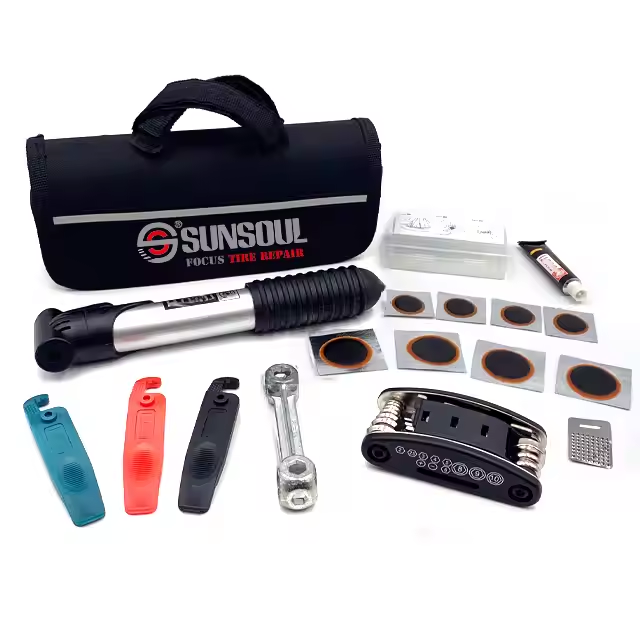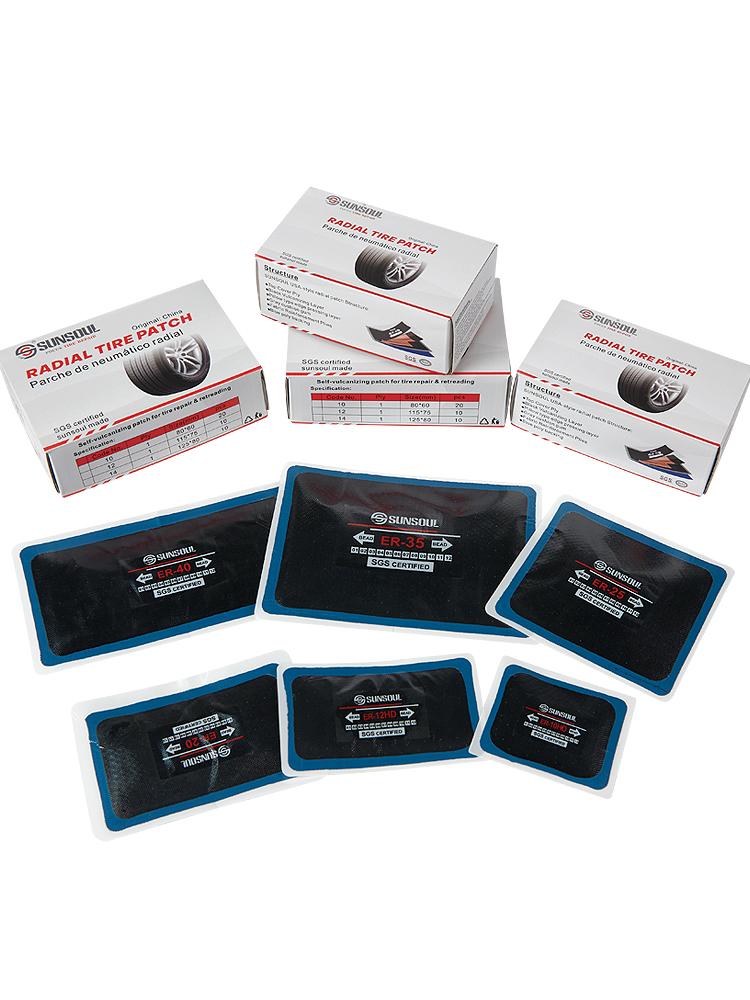

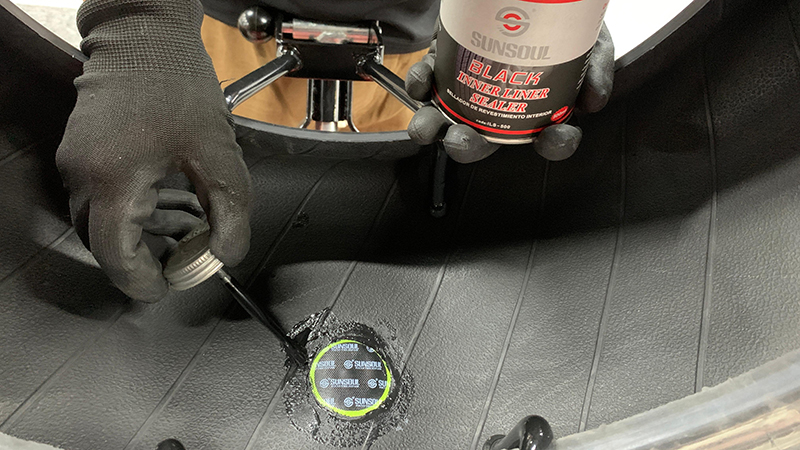
Hot-pressed tire patches use heat or chemical curing technology to seal punctures inside tires. This method creates a strong bond that lasts longer than many other repair methods. Drivers can use hot-pressed tire patches to repair small holes in vehicles such as cars, trucks, and bicycles. Unlike plug repairs or cold patches, hot-pressed tire patches are more durable. Many professionals charge between $25 and $75 for hot-pressed tire patch repairs, which includes professional service and a final inspection. Hot-pressed tire patches help ensure vehicles drive safely and smoothly.
Key Takeaways
- Hot-pressed tire patches can firmly repair small holes in tires. It is suitable for cars, trucks, and bicycles. To repair, the tire must first be removed. Then, the puncture site is cleaned. The patch is applied to the puncture using hot air or a chemical method. This helps the patch adhere firmly. Newer tire patches like SUNSOUL tire patches are safe and effective. They make tire repair quick and easy for all vehicles.
How Hot Tire Patch Works
The Repair Process
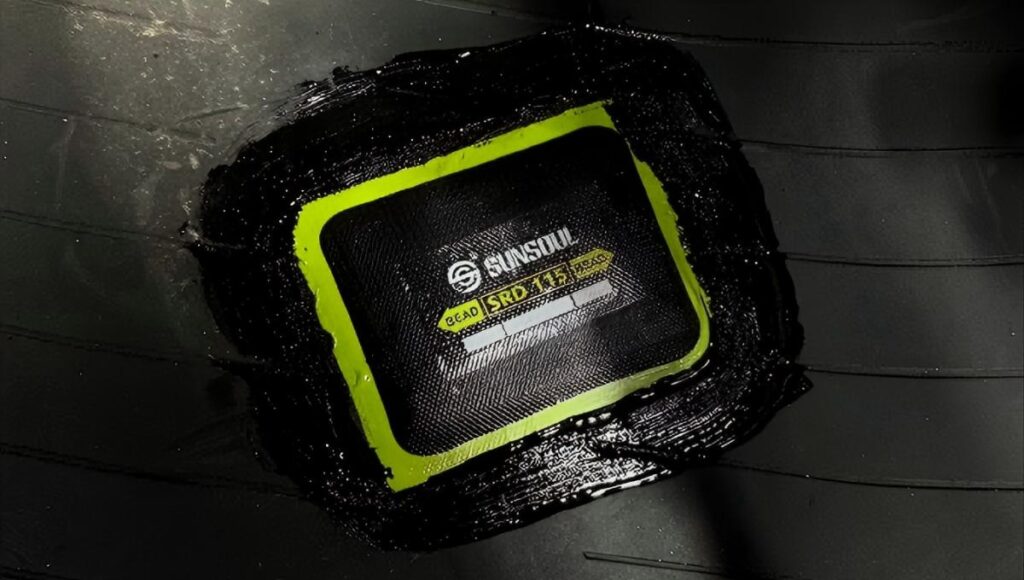
When repairing a tire using hot tire patching technology, technicians follow a series of steps. First, they remove the tire from the rim to access both sides. Next, they inspect the tire for damage, such as holes or cracks. They remove any loose or damaged rubber near the hole. Then, they insert a rubber plug or rod through the hole from the inside of the tire to fill the gap, preparing it for the subsequent patching. Afterward, they roughen the area around the hole inside the tire by sanding, which helps the patch adhere better. They clean the damaged area with a special cleaner to remove dirt and oil. They mark the damaged area with chalk or a marker to determine the location for the patch. For hot vulcanized tire patches, they cover the hole with a special patch containing a metal cup and rubber glue. They hold the patch in place with clamps, ignite the glue in the cup, and keep the clamps in place until the patch cools and bonds.
Tip: The hot vulcanizing tire patch kit needs heat between 130–200°C to work right. This makes sure the patch bonds well to the tire.
The curing process melts the patch into the tire. This makes the repair strong enough for everyday use. Heat-cured tire repair kits are ideal for repairing holes and nail punctures in tires.
Materials and Application
The materials used in heat-cured tire repair have evolved over time. Older patches used heat curing, while newer patches use strong adhesives and chemicals. The following table lists the main types:
| Type of Patch | Materials Used | Curing Method |
|---|---|---|
| Traditional Patch | Old rubber, inner tubes | Heat curing |
| Dual-Cure Patch | Combination of chemical and heat curing | Hybrid curing process |
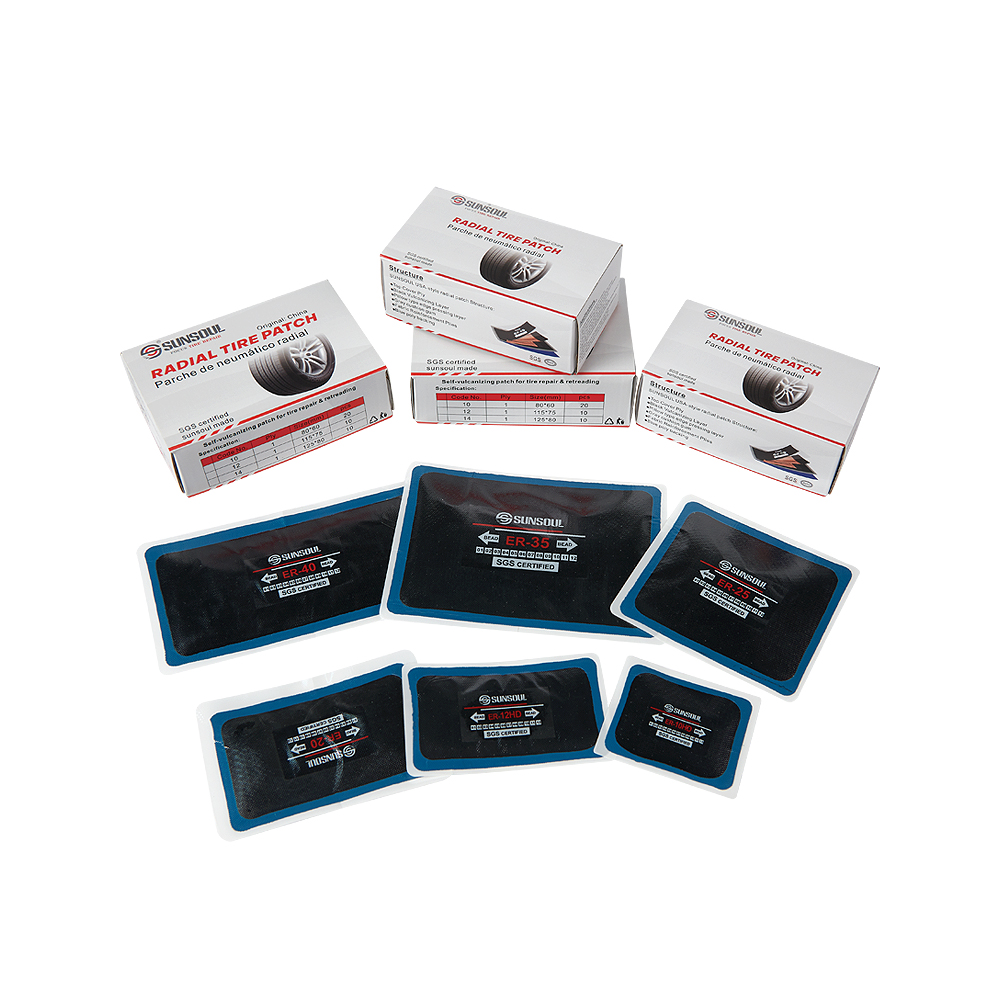
Modern patches like SUNSOUL tire patches offer many advantages. SUNSOUL tire patches use a sticky adhesive that penetrates deep into the tire’s rough surface. This allows the patch to adhere firmly to the tire and move with it. Even under harsh conditions, patches maintain their seal. SUNSOUL tire patches are available in both chemical-cured and dual-cured options, featuring a separate backing for easy application and made from robust and durable materials.
Note: Due to health risks, heat-cured tire patch kits are no longer sold in the United States. Chemically cured and dual-cured patches, such as SUNSOUL tire patches, are safe and readily available.
The vulcanization process remains crucial for tire repair. New patch kits use chemicals to achieve the same strong bond without the risks of heat vulcanization. SUNSOUL tire patches are easy to use, have excellent adhesion, and deliver remarkable results. Technicians and drivers alike use these patches to repair cars, trucks, bicycles, and agricultural machinery.
Tire repair helps get tires back on the road quickly and safely. Heat-cured tire patch kits can firmly repair punctures in tires, while newer chemically cured patches are safe and easy to use. The vulcanization process creates a durable bond, making tire patches the preferred choice for professionals.
When to Use Hot Tire Patch
Suitable Tire Damage
A hot patch is best for some tire problems. Technicians use it for small holes, nail holes, and little cuts in the tread. The table below shows what damage can be fixed:
| Criteria | Details |
|---|---|
| Puncture Size | Must be 1/4 inch (6mm) or smaller |
| Puncture Location | Must be within the crown or tread area |
| Non-repairable Areas | Shoulder or sidewall cannot be repaired |
Hot vulcanizing tire patches do not work on the sidewall or shoulder. Only tread punctures can get this kind of repair.
Pros and Cons
Hot-press tire repair offers many advantages:
- Strong adhesion and a smooth finish.
- Durable, able to withstand long driving hours.
- Lifespan is 7-15 years, up to 20 years with proper maintenance.
- Waterproof and crack-resistant.
Some older hot-press products have been discontinued in the US due to health risks. Newer chemical and dual-cure tire repair products, such as SUNSOUL, are safe and effective.
Hot Tire Patch vs. Other Repairs
A hot patch gives a strong fix compared to other ways:
- Hot patch makes a strong bond, so it lasts longer than cold patching.
- Cold patching may not last as long or hold up to stress.
- Plug repairs are fast but do not last forever.
SUNSOUL offers a variety of tire repair products, including chemical and dual-cure repairs. They provide 24-hour service, training, and can resolve issues quickly within 72 hours. Distributors have access to a stable supply, competitive prices, and tested products.
What are the modern applications of Hot Tire Patch?
Modern hot tire patches are used on many vehicles. They work for both passenger and commercial vehicles. Cars and motorcycles use more than half of all tire patches. These vehicles get flat tires often, so hot tire patches save money. Trucks and buses also use hot tire patches. These bigger vehicles need larger patches and expert help. The need for hot tire patches is rising. Passenger vehicles will use 5.1% more patches each year until 2034. Commercial vehicles will use 5.8% more patches each year until 2034.
Preparation and Inspection
The mechanic should follow these steps to properly repair a tire:
- Remove the tire and inspect the inside for damage.
- Ensure the puncture is the correct size and location.
- Grind the inside of the tire to roughen and clean it.
- Clean the puncture area, removing dust and dirt.
- Apply vulcanizing adhesive and wait for it to thicken.
- Press the patch with a roller to expel air.
- Reinstall the tire and perform dynamic balancing.
A good repair requires careful inspection and clean, efficient operation. The mechanic uses a slow grinder to roughen the surface and allows the repair area to dry before applying the vulcanizing adhesive.
Application Time and Aftercare
After applying the tire patch, it needs to be heated and pressurized to cure. The tire must cool completely before a final inspection. After the repair is complete, check that the patch is secure. Regularly checking the tire and maintaining proper tire pressure helps prevent blowouts. Regularly rotating tires also helps extend tire life. Frequently inspecting the patch ensures its safety and effectiveness.
Hot-pressed tire patches restore tire strength and durability. Experts say it’s the best option for permanent repairs. It’s especially suitable for high-speed driving and heavy-duty vehicles or trucks. Key advantages include:
- Enhancing tire strength on rough surfaces
- Ensuring a tight, seamless fit. SUNSOUL tire patches are of high quality, easy to use, and provide strong support for a variety of repair jobs.
FAQ
What makes hot tire patching different from other tire repair methods?
Hot tire patching uses heat or chemicals to stick the patch. This way makes a strong seal. It lasts longer than most other repairs.
Can you use hot vulcanizing patches for patching tubeless tires?
Technicians can use hot vulcanizing patches on tubeless tires. These patches work well for holes in the tread. They do not work for sidewalls or big holes.
Where can someone find a reliable tire repair supplier?
A good tire repair supplier gives quality patches and quick help. They also have many products to pick from. SUNSOUL has trusted patches for many vehicles and repair jobs.