
Tire plugs have some significant drawbacks. They can be unsafe, have a short lifespan, and may even cause further damage to the tire. Many drivers choose tire plugs or tire patches to repair tires. Choosing the best repair method helps ensure driving safety and good tire performance.
Key Takeaways
- Tire plugs are not a permanent solution. They should only be used when a quick repair is needed. For true safety, have your tires repaired by a professional.
- Tire plugs are suitable for small holes. They cannot repair damage to the tire sidewall or larger holes. Larger holes or sidewall damage mean you will need to replace the tire.
- Tire patches are more reliable. They provide a stronger, more durable repair. Patches also help prevent further tire problems in the future.
Safety Risks and Hazards of Tire Plugs
Plug Failure
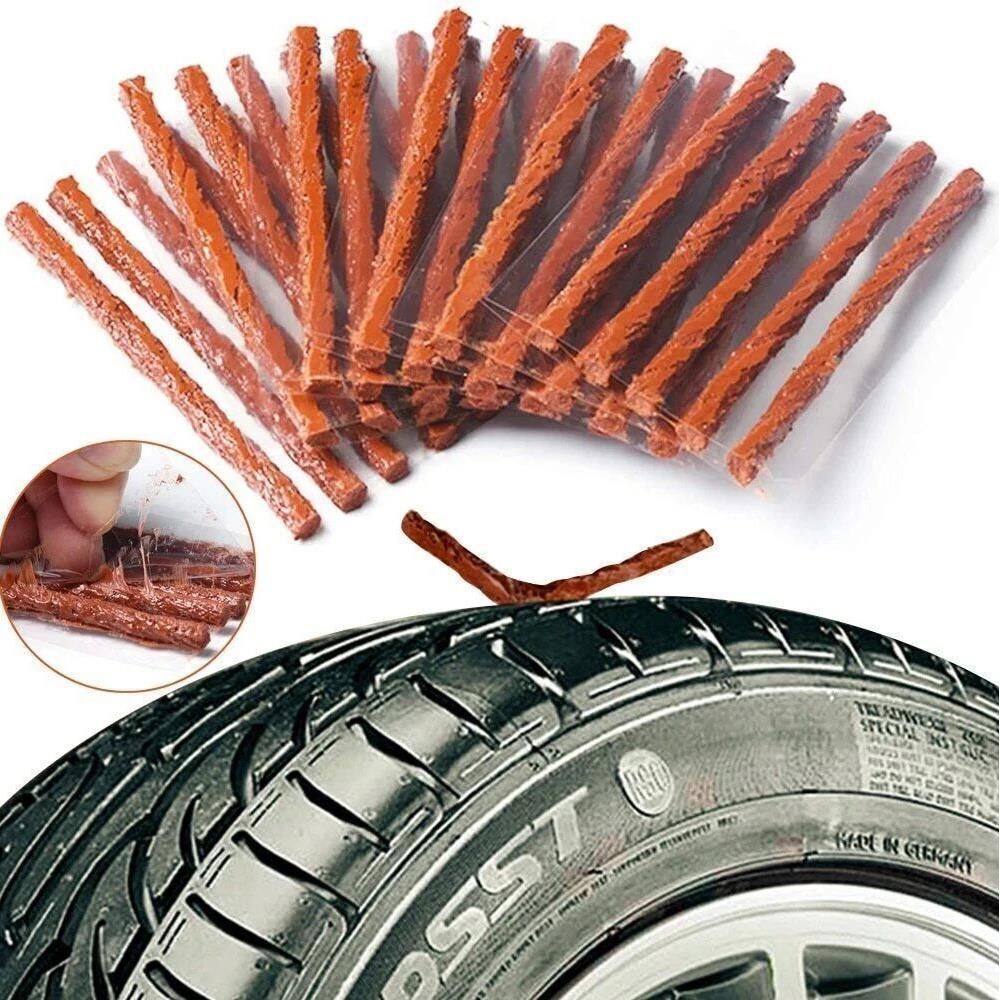
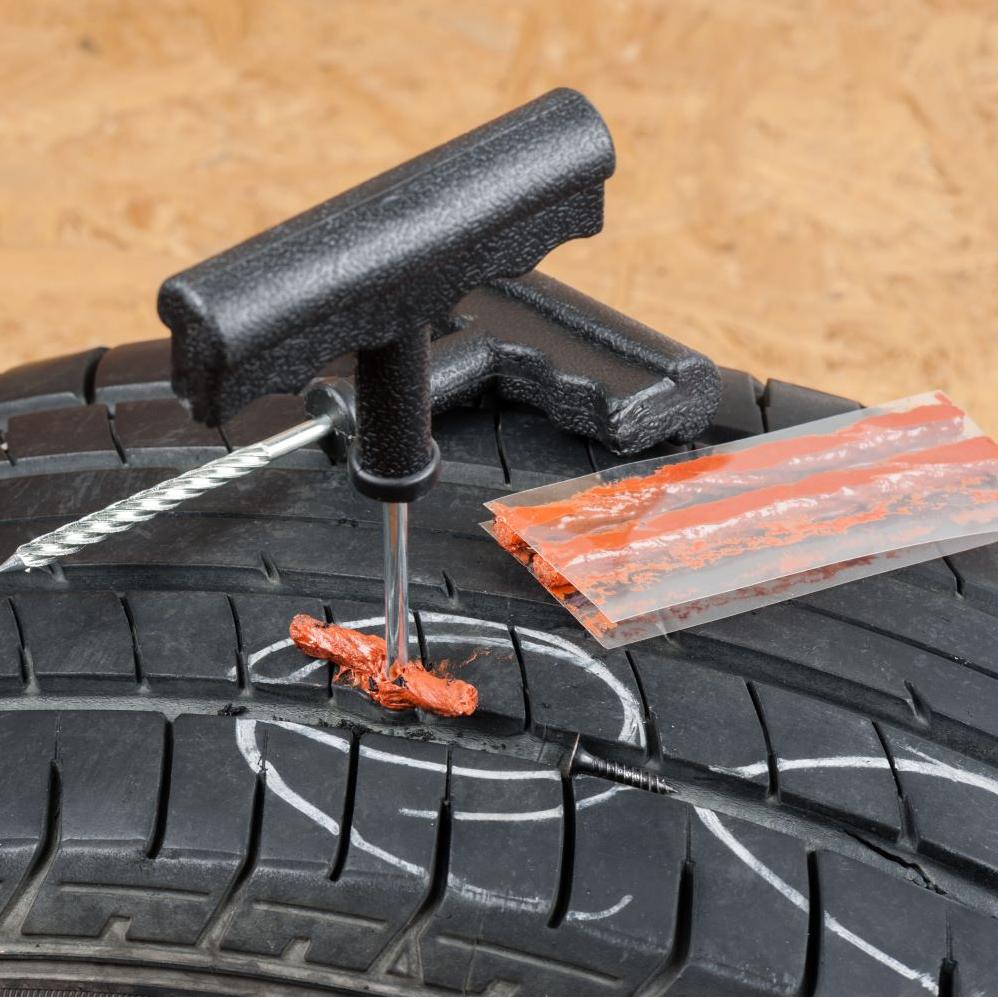
Many drivers use tire repair kits for quick tire repairs. Tire plugs are a common accessory in these kits. However, tire plugs typically fail faster than other repair methods. Industry authorities, including the American Tire Manufacturers Association, state that tire plugs are not a safe or permanent solution. Tire plugs only provide temporary relief until professional repair is needed. Tire plugs are not as strong and reliable as tire patches, which are designed for long-term use. Tire repair kits with plugs may help in emergencies, but drivers should not rely on them for long-term maintenance.
Air Leaks
Tire plugs can allow air and moisture to enter the tire, leading to further problems. Experts warn that moisture and air can cause internal corrosion and increase the risk of tread detachment. A 2006 accident in Florida highlighted this danger: a tire repaired with rope plugs ruptured, resulting in injury. Tire repair kits with plugs may not completely seal punctures, so leaks can occur. Drivers should regularly check their tires after using plugs.
Tire Structure Issues
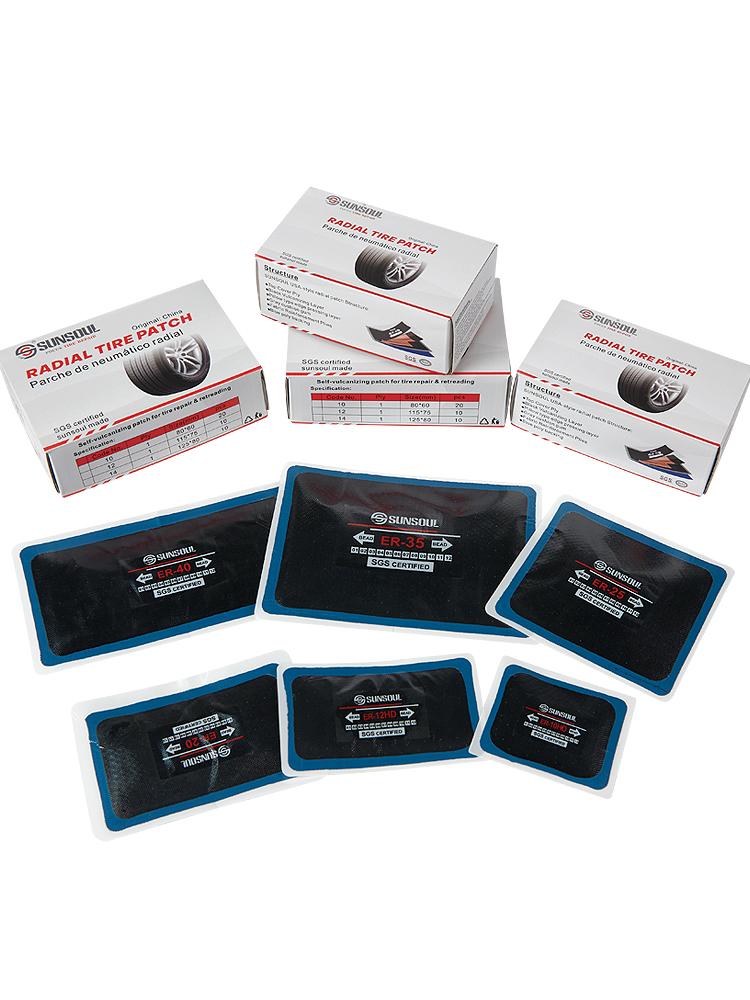
Tire plugs do not repair the tire’s internal structure. Over time, this weakens the tire, making it unsafe. Unlike tire patches, which seal the tire from the inside and facilitate inspection, tire plugs only temporarily plug punctures. Tire repair kits with plugs cannot address deeper damage. The tire industry recommends using patches for more robust repairs. Sunsoul tire patches offer a reliable solution for car owners who want to avoid structural problems after a tire blowout.
Safety experts agree that tire plugs are only a temporary fix. Drivers should only use tire repair kits with tire plugs in emergency situations and seek professional repair for long-term safety.
Durability and Reliability Issues with Tire Plugs
Short-Term Fix
Tire plugs are commonly used to quickly fix tire leaks. Many drivers use tire plugs when they need to get back on the road as soon as possible. Automotive repair experts agree that tire plugs are best suited as a temporary fix for small punctures. They can help in an emergency, but they don’t provide a lasting repair. Most tire plugs can only seal holes smaller than 1/4 inch (about 6 mm). They are not very effective against sidewall damage or larger cuts. Here are some key points about tire plugs as a temporary fix:
- Tire plugs can quickly fix tire leaks in an emergency.
- They are only a temporary fix, not a permanent one.
- Tire plugs are best suited for small punctures and may fail if used for larger damage.
Drivers should seek professional help as soon as possible after using tire plugs. Relying on temporary fixes for extended periods can lead to more problems. Products like Sunsoul Tire Patch offer a more durable solution for those who want to avoid recurring tire leaks.
Weather and Road Impact
Tire plugs are subject to many challenges from weather and road conditions. Rain, snow, and extreme heat can weaken the seal of temporary repairs. Water can seep into the hole, causing the plug to lose grip. Rough roads and potholes also put additional stress on the plug. Over time, these factors can cause the plug to fail, leading to another tire blowout. Drivers who use tire plugs for temporary repairs should regularly check their tires. For improved reliability, many experts recommend switching to a patch or professional repair after using a temporary repair.
Key Limitations of Tire Plug Repairs
Not for Sidewall Damage
Tire plugs cannot repair all types of tire damage. The sidewall is the most flexible part of the tire and is less supportive than the tread. If there is a hole or cut in the sidewall, the tire plug will not function effectively, neither ensuring tire safety nor extending tire life. Tire safety regulations state that such repairs usually fail. During driving, the sidewall can move significantly, causing the plug to loosen or fall out. This can lead to a sudden tire blowout. Manufacturers’ associations recommend never repairing sidewall holes. If sidewall damage is found, the tire needs to be replaced. Never use tire repair strips.
Large Puncture Issues
Tire plugs are good for small holes only. If the hole is bigger than 6 mm, a plug will not seal it safely. Big holes make the tire weaker. This can lead to blowouts.
| Limitation Type | Description |
|---|---|
| Tire plug effectiveness | Works for small holes; not for big or sidewall holes because the tire can get weak. |
| Maximum Puncture Size | 6 mm or less; bigger holes mean you need a new tire. |
| Temporary solution | Not a lasting fix; you need a pro to check and repair it for good. |
If a tire has a big cut or many holes, a plug will not make it safe again. Tire patches like the Sunsoul Tire Patch are made for fixing tires in the tread area. They can handle worse damage. These patches give a lasting repair and keep the tire strong. Always get a permanent fix for big or tricky damage.
Tire Patches vs. Plugs: Which Is Better?
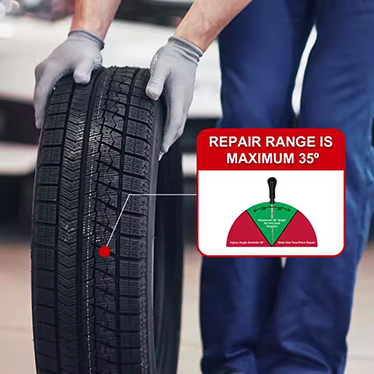
Patch Advantages
Tire patches are the best choice for long-term tire repair. They are bonded to the inside of the tire with strong adhesive, preventing leaks and keeping the tire strong and durable for years. Sunsoul rubber tire patches use special rubber and polymers, giving them excellent heat and abrasion resistance, and maintaining flexibility even in extremely cold or hot weather.
Those who have used tire patches report that they are more effective than tire plugs, especially for larger punctures. Many car owners say that patches can last seven to ten years, and sometimes even as long as the tire itself if installed correctly. Patches alter the material of the tire rubber, thus improving tire safety. Sunsoul tire patches strictly adhere to environmental standards and do not use hazardous chemicals or heavy metals.
Below is a comparison of the adhesion and durability of different brands of tire patches:
| Product Type | Adhesive Type | Bonding Method | Durability Level |
|---|---|---|---|
| Sunsoul Tire Patch | Vulcanizing adhesive | Strong, permanent bond | High |
| Tire Plugs | Self-curing process | Chemical bonding | Moderate |
| Slime Tire Patch | Rubber-based adhesive | Cold bonding | Moderate |
| Vulcan Tire Patch | Vulcanizing adhesive | Heat-activated bonding | High |
| Hero Tire Plug | Self-curing adhesive | Instant sealing | Moderate |
| MaxPatch Tire Patch | Cold vulcanizing | Flexible, durable bond | High |
Tire patches need a professional to put them on. It takes more time and costs more than using a plug. But the patch gives a fix that lasts and lowers the chance of more tire problems. Sunsoul Tire Patch works well for everyday cars and big fleets.
Plug Drawbacks
Tire plugs are a quick way to patch small punctures. Many people choose tire plugs because they are simple and inexpensive. Tire plugs fill the hole from the outside but do not strengthen the tire. Over time, tire plugs may loosen or fall off, leading to another blowout. Air can leak from around the tire plug, and water can seep in, damaging the tire.
Automotive experts have found several problems with tire plugs:
One problem is plugs may not stay in place. The plug could come out and cause another flat tire. Also, air can leak around the plug, so it may not keep pressure as well as a patch. Some tire experts think plugs can make the sidewall weaker. This can lead to more flats later.
Tires fixed wrong break more often. Tires driven flat or low on air can get sidewall and innerliner damage. Many tires checked for plugging fail inside checks because of innerliner damage. Tire plugs are best for quick fixes and small holes. They do not work as well as patches.
Here is a comparison of important points:
| Factor | Tire Patch | Tire Plug |
|---|---|---|
| Cost | Usually costs more | Usually costs less |
| Installation Time | Takes longer, needs a pro | Quick and easy to use |
| Permanence | Lasts a long time | Only a short-term fix |
| Reliability | Very strong and lasts long | May not keep air as well |
| Best Use | Good for big holes or bad damage | Good for small holes |
Combining Tire Plugs and Tire Patches
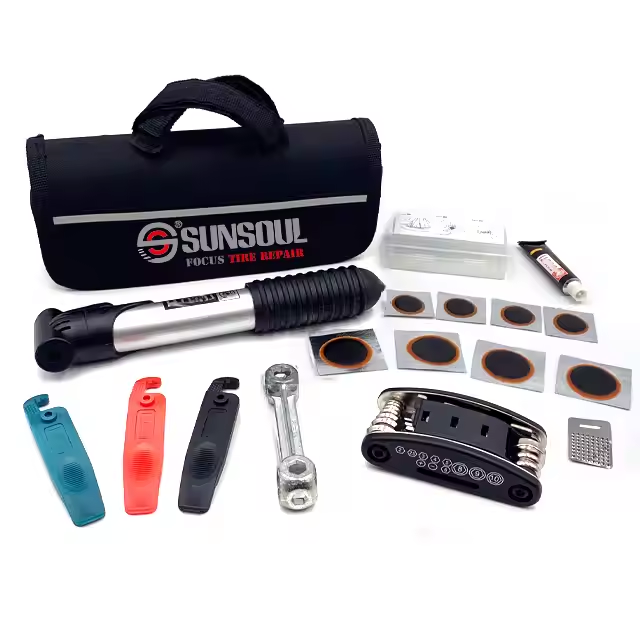
Some experts believe that using both patch strips and puncture patches is the optimal choice for certain types of tire repairs. This strengthens the tire and protects the internal ply layers. Patches seal the tire from the inside, while patch strips fill the puncture from the outside. Sunsoul tire repair kits offer both patch and patch options. This method is considered permanent and complies with safety regulations.
The Tire Industry Association (TIA), the USTB Association (USTMA), and the National Highway Traffic Safety Administration (NHTSA) all agree that the safest way to repair tires is to use both patch strips and puncture patches. When done correctly, the combination creates a strong repair that lasts as long as the tire itself.
Sunsoul tire repair products offer excellent adhesion, durability, and compliance with environmental regulations. They provide drivers with a safe, strong, and long-term repair solution. Patches are more expensive and take longer to install, but they offer better results and a longer lifespan. Patch strips are suitable for quick, temporary repairs, while patches are best suited for situations requiring permanent repairs.
Automotive safety groups talk about problems with tire plugs:
| Disadvantage | Description |
|---|---|
| Temporary solution | Tire plugs only fix tires for a short time. |
| Limited repair area | Tire plugs cannot fix sidewall or big holes. |
| Risk of further damage | Tire plugs might cause leaks and rust inside the tire. |
Drivers need to check tire damage closely. Sunsoul Tire Patch gives strong repairs that last longer. Always look at how big the hole is, where it is, and ask a tire expert for help.
FAQ
What are the main risks of using tire plugs?
Tire plugs can suddenly fail, leading to leaks or blowouts. Experts recommend using tire plugs only for short-term emergency repairs.
Can tire plugs repair all types of tire damage?
No. Tire plugs only work for small holes in the tire tread and cannot repair sidewall damage or larger punctures. Professional tire patches like Sunsoul offer better coverage.
How long does a tire plug repair typically last?
Most tire plug repairs last from a few days to a few weeks. For a longer-lasting repair, drivers should use professional patches like Sunsoul tire patches.