
Industry standards recommend a maximum of four repairs for radial tires. Studies show this limit ensures driving safety and extends tire life. SUNSOUL premium tire patches effectively stop leaks and reduce the risk of blowouts. As a trusted brand, SUNSOUL offers reliable repair solutions. Drivers should always seek professional help and choose high-quality tire patches for every repair.
Key Takeaways
- Radial tires can be safely repaired a maximum of four times. Exceeding this number necessitates tire replacement.
- Repair only the tread area. Never attempt to repair the sidewall or shoulder.
- Ensure all punctures are less than 1/4 inch (approximately 0.6 cm). Larger punctures require tire replacement.
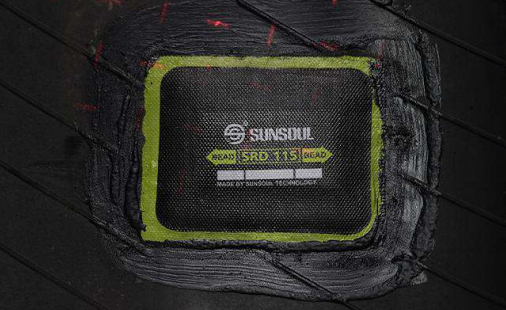
- Use high-quality tire patches like SUNSOUL for reliable repairs. They help prevent leaks and improve safety.
- Always seek professional help for tire repairs. This ensures safety and allows for proper inspection of hidden damage.
Limit on Radial Tire Repair
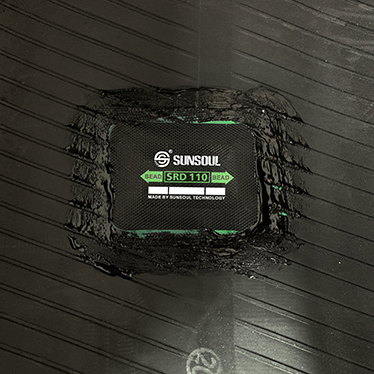
Maximum Repairs Allowed
There are limits to the number of times radial tires can be repaired. This regulation aims to ensure driver safety and maintain tire performance. Most experts recommend that a tire should not be repaired more than four times. This regulation comes from organizations such as the Rubber Manufacturers Association and the American Tire Manufacturers Association. Over-repairing weakens tire strength and creates safety hazards.
- Radial tires can only be repaired in the tread area, not in the sidewall or shoulder.
- The tread arch area is the only safe repair location.
- Worms on the sidewall or shoulder cannot be repaired because these areas have greater curvature, and repairs may not adhere properly.
- Each repair patch must be independent and not in contact with others.
The size of the worm is also important. Tire manufacturers recommend repairing punctures smaller than 6 mm (1/4 inch) in diameter. If the puncture is large or severely damaged, the tire needs to be replaced. The tread depth must be greater than 2/32 inch (approximately 1.6 mm) for a tire to be safely repaired. If the tread is worn to this depth, the tire should not be repaired.
Note: Following these rules helps prevent sudden tire problems and ensures everyone’s safety.
When to Replace the Tire
Tires must be replaced if they have been repaired too many times or are beyond repair. Tires need to be replaced in the following situations:
- Sidewall or shoulder damage
- Cracks wider than 1/4 inch (approximately 0.6 mm)
- Large-area cuts or tread detachment
- The damaged area has been previously repaired with a patch
Experts point out that tires with a tread depth of less than 2/32 inch (approximately 1.6 mm) are unsafe and must be replaced. Failure to follow tire repair rules can lead to serious problems. The following table lists the consequences of not following the rules:
| Consequence | Description |
|---|---|
| Tire Failure | Too many repairs can make the tire break suddenly and hurt someone. |
| Improper Repairs | Tires fixed the wrong way must be thrown away for safety. |
| Tread Depth | Tires with 2/32″ or less tread must be replaced. |
| Puncture Size | Tires with holes over 1/4″ cannot be fixed safely. |
| Repair Method | Rope-type plugs are not safe; you need the right repair and check. |
Reducing the number of repairs and following the rules helps prevent accidents. Before repairing a tire, always check the tread depth and the location of the damage. If the tire doesn’t meet these rules, replacing it with a new tire is the safest course of action.
Tire Radial Tire Repair Rules
Patch Placement Guidelines
Placing the patch in the correct position is crucial. The mechanic will take the following steps to ensure the patch is effective. First, they will remove the tire from the rim. Then, they will inspect the inside of the tire for any hidden damage. The puncture must be on the tread and no larger than 1/4 inch (approximately 0.6 mm) in diameter. Punctures on the sidewall or shoulder cannot be repaired.
- Remove the tire and inspect the inside for damage.
- Ensure the puncture is small and located on the tread.
- Roughen the inside of the puncture by sanding it down.
- Clean the puncture to remove dust.
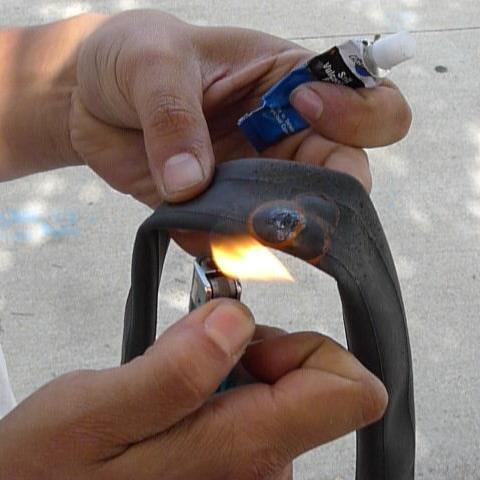
- Apply vulcanizing adhesive and wait for it to become sticky.
- Press the patch into place and remove any air bubbles.
- Reinstall the tire and perform dynamic balancing.
The patches should not touch each other. Space needs to be left between each patch to ensure the tire is secure. Technicians always inspect the inside of a tire before repairing it. This helps them identify any damage and ensures the durability of the patches.
Tip: If you only use a patch or only a plug, the repair may fail. Always use both together for a strong fix.
Types of Damage Not Repairable
Some damage is irreparable. If the puncture is larger than 1/4 inch (approximately 0.6 cm), or located on the sidewall or shoulder, the tire needs to be replaced. Cuts, cracks, or tread detachment also mean the tire is irreparable. Some regions and brands have stricter regulations. Technicians must adhere to these regulations to ensure driver safety.
| Not Repairable | Reason |
|---|---|
| Sidewall | Too much bending, not safe |
| Shoulder | Not strong enough |
| Large puncture | Bigger than 1/4 inch, not safe |
| Tread separation | Tire is not strong anymore |
These rules help keep repairs safe and cars running well.
Radial Tire Repair Risks
Safety Concerns
Repeated repairs to radial tires can create serious safety hazards. Each time a technician repairs a tire, its structure changes slightly. Excessive repairs weaken the tire and increase the risk of a blowout. Tread separation is one of the most common causes of tire blowouts. When the tread separates, the driver may lose control of the vehicle. Blowouts usually occur after the tread has worn down, increasing the probability of an accident.
Unsafe repair methods, such as using only a tire plug instead of a patch and plug together, can also cause problems. If the repair doesn’t completely seal the perforation, air will leak out. This causes the tire to lose pressure rapidly. Low pressure can cause the tire to overheat and potentially lead to the separation of the tire carcass layers or even a blowout. Mechanical failure, tire aging, and bead damage are also causes of tire failure after repair.
Note: Always follow the correct tire repair procedures and never exceed the recommended number of repairs. This helps prevent sudden tire problems and ensures everyone’s safety.
Impact on Tire Performance
Over-repairing tires can affect their performance on the road. Each repair changes how the tire withstands driving pressure. Excessive repairs reduce tire stability, especially at high speeds or during sharp cornering. Tire grip also decreases, increasing braking distance.
Tires that are repaired too many times wear down faster. Each repair weakens the area around the puncture, especially if it’s a large hole or close to other repairs. If the damage is too severe, the tire will no longer be able to safely support the vehicle’s weight. Drivers may notice vibrations, noise, or uneven wear after repeated repairs.
Safe tire repairs maintain tire strength and reliability. When a tire is severely damaged or has been repaired too many times, replacement is the best option. This protects the driver and everyone else on the road.
Tire Repair Solutions
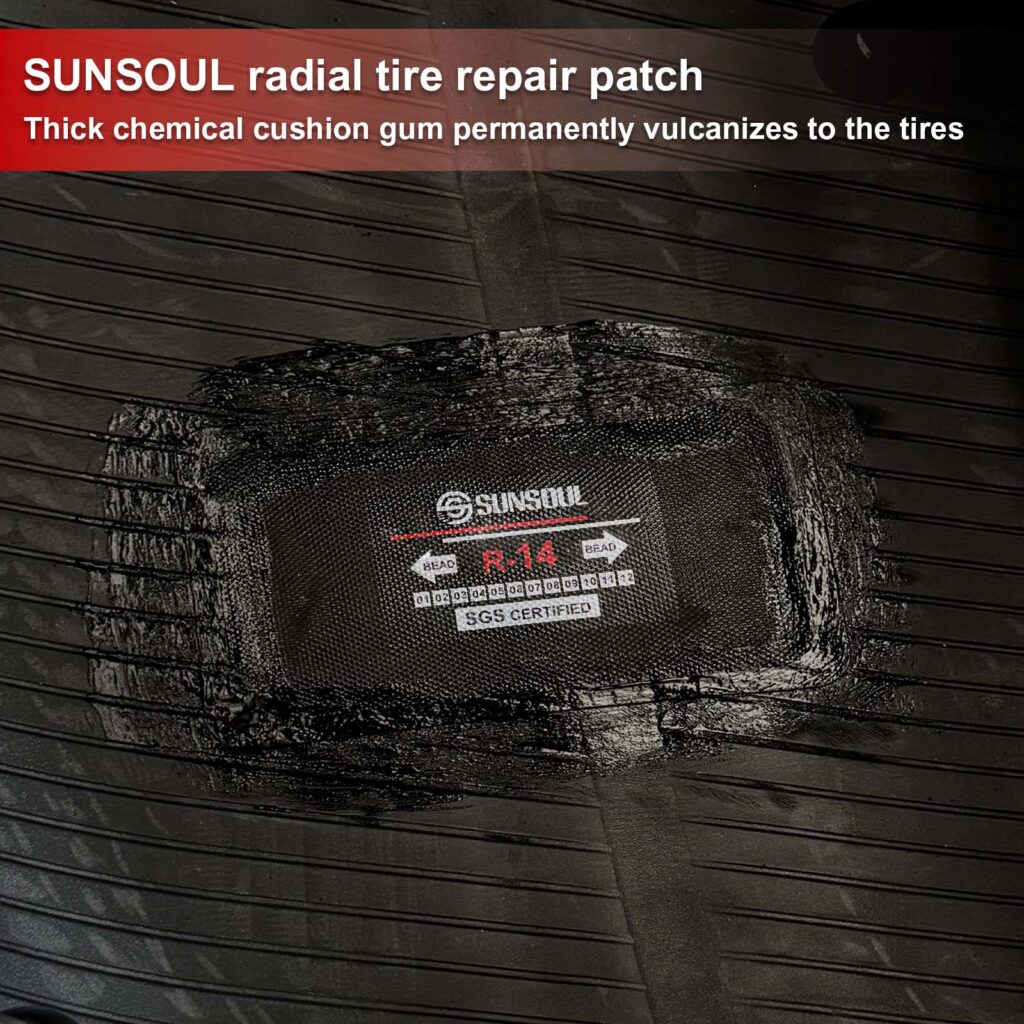
SUNSOUL Tire Patch Features
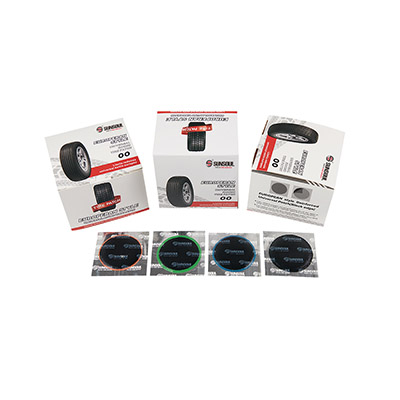
SUNSOUL tire patches are ideal for tire repair. Made from natural rubber, they are tough and durable. They can repair holes up to 6 mm in diameter, covering most tire problems. SUNSOUL patches are RoHS certified, environmentally friendly, and compliant with regulations.
The table below lists the unique features of SUNSOUL tire patches:
| Feature | Specification | Benefit |
|---|---|---|
| Material | Natural Rubber | Tough and lasts longer |
| Repair Range | Up to 6mm | Works for most tire holes |
| Certification | RoHS | Safe for the environment |
SUNSOUL tire patches have exceptionally strong adhesion, ranging from 100 N/m² to 130 N/m², 30% stronger than many other brands. Even in frigid conditions of -20°C to -40°C, the patches can last 500 to 1000 kilometers. These properties help avoid substandard repairs and ensure driving safety.
SUNSOUL has over 20 years of experience, and its products are sold in more than 60 countries. SUNSOUL produces over 2 million tire patches monthly for bicycles, motorcycles, cars, and agricultural equipment. The brand boasts a 98% customer satisfaction rate, demonstrating the trust people place in SUNSOUL.
Choosing Quality Products
Choosing high-quality tire repair products ensures your safety and extends tire life. SUNSOUL tire patches offer strong adhesion, tear resistance, and meet DOT and ECE R109 safety standards. The products come with a one-year warranty for your peace of mind.
SUNSOUL provides free online and offline technical training. Engineers can assist on-site with complex issues. The company also provides inventory and marketing support and resolves after-sales problems within 72 hours. Multilingual support and more convenient logistics enhance the product’s value.
High-quality tire patches provide excellent sealing, effectively preventing leaks and reducing the risk of tire blowouts. Reliable repairs give drivers peace of mind and extend tire life. By using trustworthy products and following repair guidelines, drivers can avoid unsafe repairs and ensure driving safety.
Industry regulations recommend using a maximum of four tire patches. If more than four are used, the tire must be replaced. Never repair the tire sidewall. Maintain a safe distance between each tire patch. Seek professional help to ensure safety. These measures can reduce the probability of accidents. SUNSOUL tire patches provide safe and secure repairs.
| Benefit | Explanation |
|---|---|
| Professional guidance | Helps stop accidents and makes tires last longer |
| Quality repair products | Make tires safer and work better |
FAQ
How many times can radial tires be repaired?
Most experts believe radial tires can be repaired up to four times. Each repair must adhere to safety regulations. Excessive repairs can reduce tire strength.
Can a sidewall puncture be repaired?
Technicians typically do not repair sidewall punctures. During driving, the tire sidewall undergoes significant bending. Repairing a sidewall puncture is not sustainable and may even lead to tire failure.
How large of a puncture can be safely repaired?
If the puncture is less than 1/4 inch (approximately 0.6 cm) of the tire’s tread diameter, it can be repaired. Larger punctures require replacement of the tire.
Why should a tire be inspected by a professional before repair?
Professionals will inspect the tire for hidden damage. This inspection helps avoid unsafe repairs and ensures driver safety.
What are the advantages of SUNSOUL tire patches?
SUNSOUL tire patches are made with strong, durable materials and a clever design. The patches offer excellent sealing and a long service life. Many car owners trust SUNSOUL’s safe repair services.